

What Makes Heritage Authentic? Asia-Pacific Experts Reconsider Restoration Rules
A UNESCO dialogue in Hanoi examined authenticity across Asia-Pacific heritage. For a timber temple, a living historic district, or a place regularly renewed by its community, “preserve the original material” is not always sufficient. Tradition, function, craftsmanship, and memory may all carry value.
Why the question is difficult
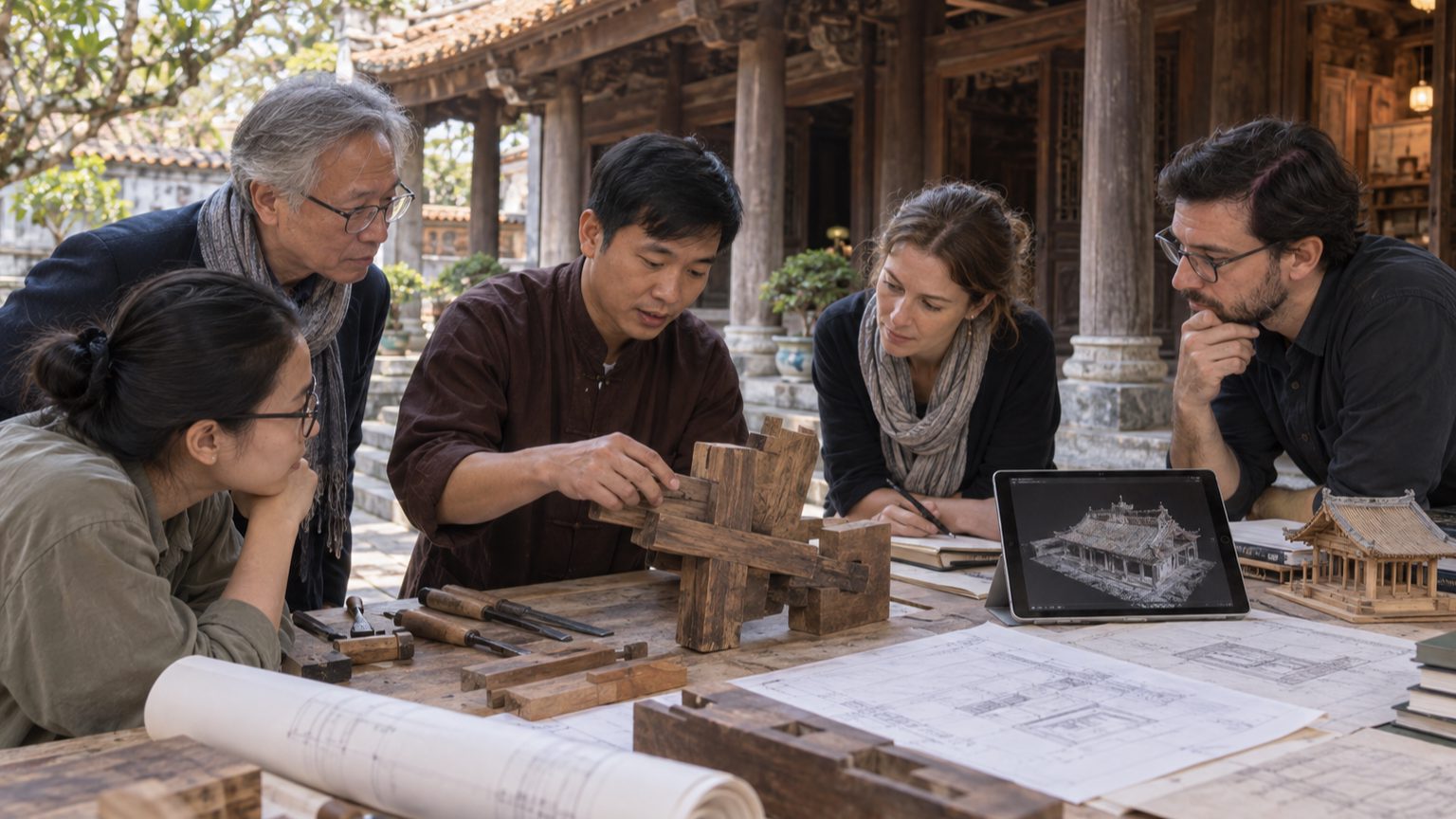
UNESCO held a heritage authenticity dialogue in Hanoi on September 28. A stone monument may be valued for old material, while a timber building can survive for centuries by replacing members with the same craft. A working temple or district preserves function, ritual, skill, and community ties as well as walls.
Where restoration should stop
Wholesale replacement without records erases evidence, but refusing repair also causes loss. Specialists ask what carries value, who defined it, whether changes are reversible, and whether traditional technique survives. A 3D survey records condition but cannot make the cultural choice.
Why it matters everywhere
Climate hazards, tourism, and urban growth pressure heritage worldwide. Good restoration begins with evidence, community participation, and a record of each change. Authenticity is not the appearance of age; it is an honestly preserved relationship with history.
Source: UNESCO.
If you have found a mistake or a typo in this article, tell us about it
Comments (0)
Log in to leave a comment →
No comments yet. Be the first.