

World food prices rise again: why grain and sugar became more expensive
The FAO Food Price Index reached 136 points in September, up 1.5% from August and 5.8% year on year. Grain and sugar drove the increase, while meat and dairy edged lower. We explain the pressures behind the move and why a global commodity index is not a local supermarket bill.
The index rose to 136 points
The FAO Food Price Index averaged 136 points in September 2026, up 1.5% from August and 5.8% from a year earlier. Cereals rose 5.1% in one month, including increases of 6.3% for wheat and 5.6% for maize. Sugar gained 6.1%.
Weather and transport moved markets
FAO cited weather concerns and transport disruptions. Meat and dairy moved the other way, falling 1.1% and 0.1% respectively. The organisation forecasts world cereal production of 2,979 million tonnes, 2.1% below the previous season, and trade of 505.8 million tonnes, down 3.5%.
Why a checkout bill moves differently
The FAO index tracks international commodity prices, not retail prices in one country. Kazakhstan’s shelves also reflect the tenge exchange rate, domestic harvests, logistics, processing, retailer margins and policy measures. A global increase creates pressure, but it does not mean every product automatically rises by the same 1.5%.
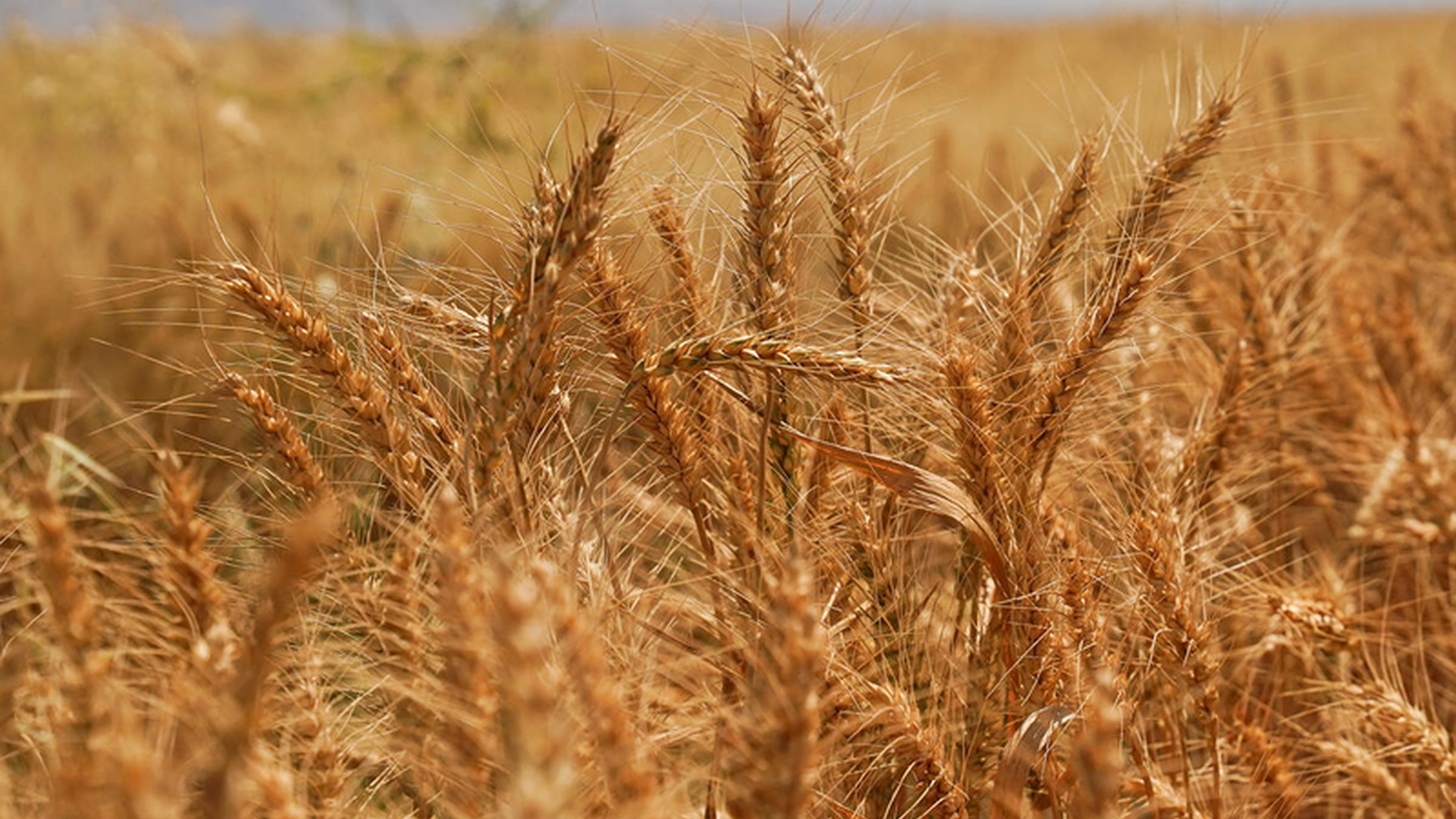
Photo: FAO / Ismael Adnan.
Source: Food and Agriculture Organization of the United Nations
If you have found a mistake or a typo in this article, tell us about it
Comments (0)
Log in to leave a comment →
No comments yet. Be the first.