

IMF sees 3.1% global growth but a widening divide: who benefits?
The IMF’s October outlook projects global growth of 3.1% in 2026 and 3.4% in 2027. Gains from AI investment remain uneven, while inflation pressure persists. We examine why energy importers and lower-income countries face a harder outlook than the headline average suggests.
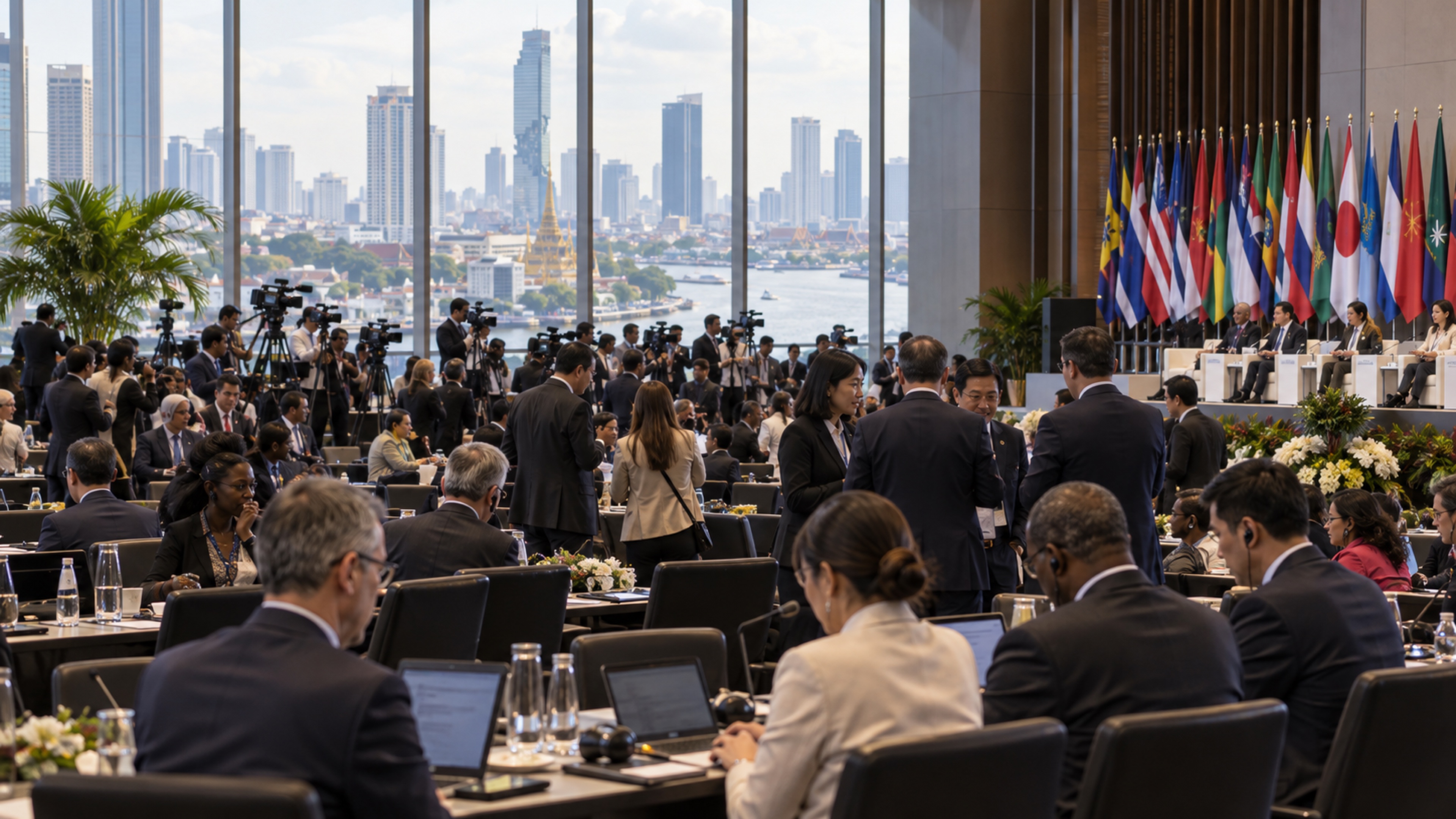
The International Monetary Fund presented its October World Economic Outlook at the annual meetings in Bangkok. In its October 13 statement, the IMF projected global growth of 3.1% in 2026 and 3.4% in 2027. These are forecasts, not measured outcomes for next year.
The aggregate conceals a widening gap. Economies benefiting from AI investment or favourable terms of trade are holding up better. Energy importers and lower-income countries face more difficult conditions. The fund expects inflation of about 4.7% this year, driven largely by energy and food prices.
The IMF flags persistent Middle East tensions, higher sovereign bond yields and renewed trade disputes. AI creates risks in both directions: inflated expectations could trigger a market correction, while realised productivity gains could lift growth sooner than expected.
The global number is not a Kazakhstan forecast. For Kazakhstan, the more direct channels are export prices, import costs, inflation and financing conditions. Those determine how the international outlook reaches budgets, businesses and households.
If you have found a mistake or a typo in this article, tell us about it
Comments (0)
Log in to leave a comment →
No comments yet. Be the first.