

Kazakhstan removes 3.5 million cubic meters from glacial lakes to reduce mudflow risk
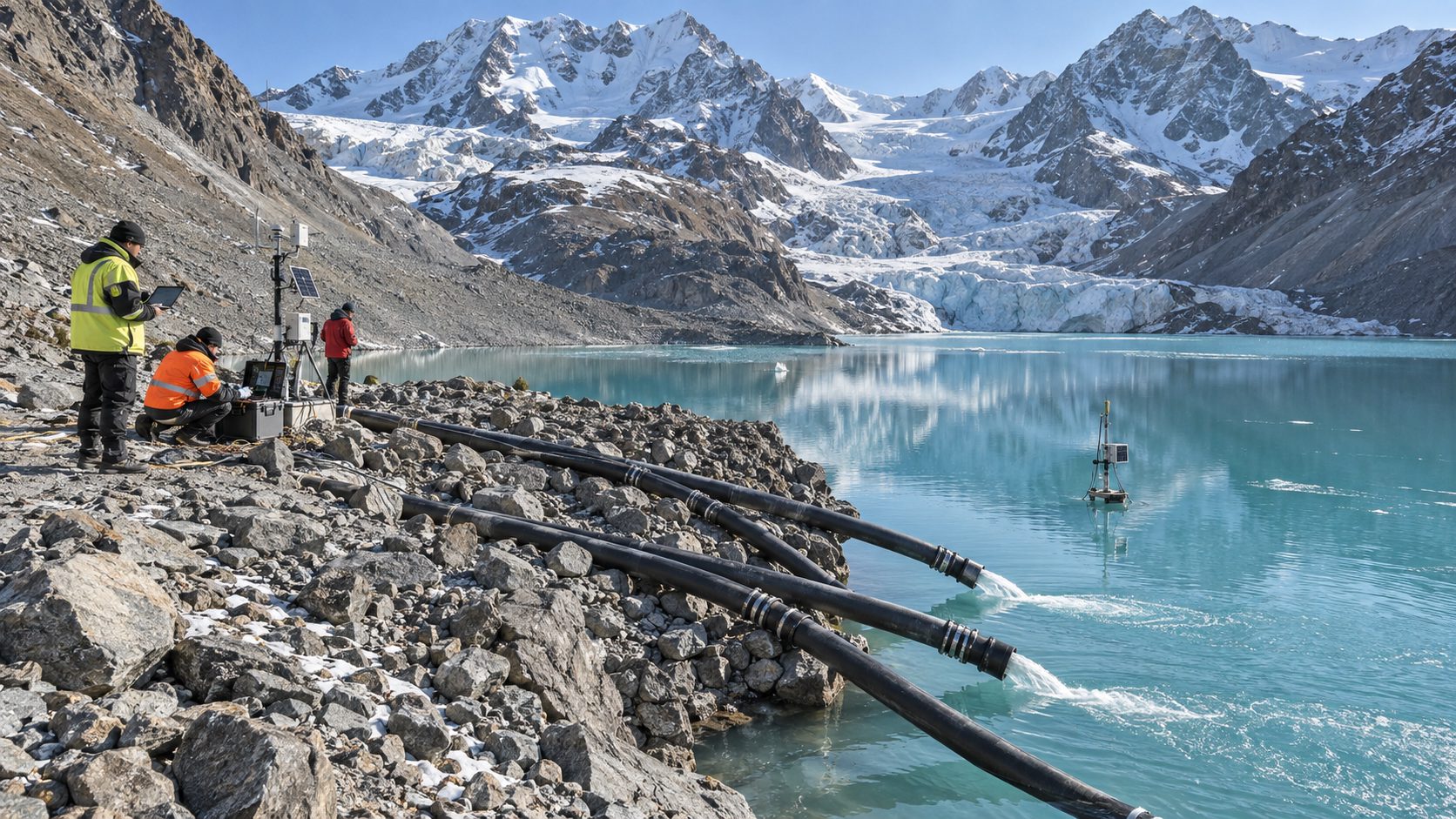
As the mudflow season winds down, Kazselezashchita specialists report removing 3.5 million cubic meters of water from potentially dangerous moraine lakes. Forty-four observation posts, 11 emergency crews, and more than 100 specialists were involved, with about 50 siphon pipes installed. We explain how these measures reduce risk and why monitoring continues.
Kazakhstan’s Ministry of Emergency Situations says the main preventive work for the 2026 mudflow season is nearing completion. Specialists removed 3.5 million cubic meters of water from potentially dangerous moraine lakes to reduce pressure on the most vulnerable high-altitude bodies of water.
The ministry reports that 44 observation posts and 11 mechanized emergency crews operated in the mountains, with more than 100 specialists involved.
Why water levels are lowered
Moraine lakes form near glaciers and are held back by loose natural barriers. Rapid melt, heavy rain, a slope collapse, or a change in drainage can quickly increase water levels and pressure on the barrier.
Controlled lowering reduces the volume that could be released in an adverse scenario. Around 50 siphon pipes were installed at the most dangerous lakes in 2026, allowing water to be removed without cutting through the natural dam.
How the lakes were monitored
Teams carried out 1,015 ground inspections and 19 aerial surveys during the season. Aviation transported people and equipment into hard-to-reach areas. Specialists measured lake depth and volume, assessed natural drainage, and performed engineering work where necessary.
Cameras and hydrometeorological sensors are used at high-risk sites. In Almaty, more than 30 automated stations record conditions around the clock and send data to duty services.
What the seasonal result means
The ministry says no breaches or dangerous mudflows were recorded at the monitored moraine lakes during the period. That is a significant outcome, but it does not mean the natural hazard has disappeared.
Lower temperatures mark the end of active glacial melt, so seasonal posts change operating mode. Monitoring continues because glaciers, slopes, and lakes change from year to year.
Why pumping alone is insufficient
Prevention combines observation, early warning, engineered water control, drainage maintenance, emergency readiness, and public information for communities downstream.
The 3.5-million-cubic-meter figure shows the scale of work, while safety is assessed lake by lake. Remaining volume, moraine condition, temperature and precipitation forecasts, and warning time all matter.
What residents should know
People in mudflow-prone areas should follow the ministry and local authorities, know evacuation routes, and respect closures in high-altitude areas. A visitor’s visual impression of a lake cannot replace specialist monitoring.
The next stage is to review the season and prepare systems for the next melt period. Public automated-station data and clear risk maps would help residents understand how preventive work relates to their communities.
Source
If you have found a mistake or a typo in this article, tell us about it
Comments (0)
Log in to leave a comment →
No comments yet. Be the first.