

Dragonfly completes a full first-flight simulation on Earth
NASA tested autonomous flight and landing for its future Titan rotorcraft using flight-like electronics and simulated sensors.
NASA reported on 23 October that Dragonfly completed a comprehensive first-flight simulation at the Johns Hopkins Applied Physics Laboratory. The test brought together flight software, avionics and simulated sensor inputs.
In the virtual environment, the rotorcraft surveyed terrain, selected a safe landing site and descended. “First flight” here does not mean Dragonfly has reached Titan: the work took place on Earth using flight-like test hardware.
The result helps engineers examine interactions between systems before launch. Further work includes testing on actual flight hardware, other flight profiles and responses to deliberately introduced faults.
NASA’s schedule calls for launch no earlier than 2028 and arrival at Titan in 2034. The milestone concerns autonomous-system readiness, not new measurements from Saturn’s moon.
Primary source: https://science.nasa.gov/blogs/dragonfly/2026/10/23/nasas-dragonfly-completes-first-simulated-flight/.
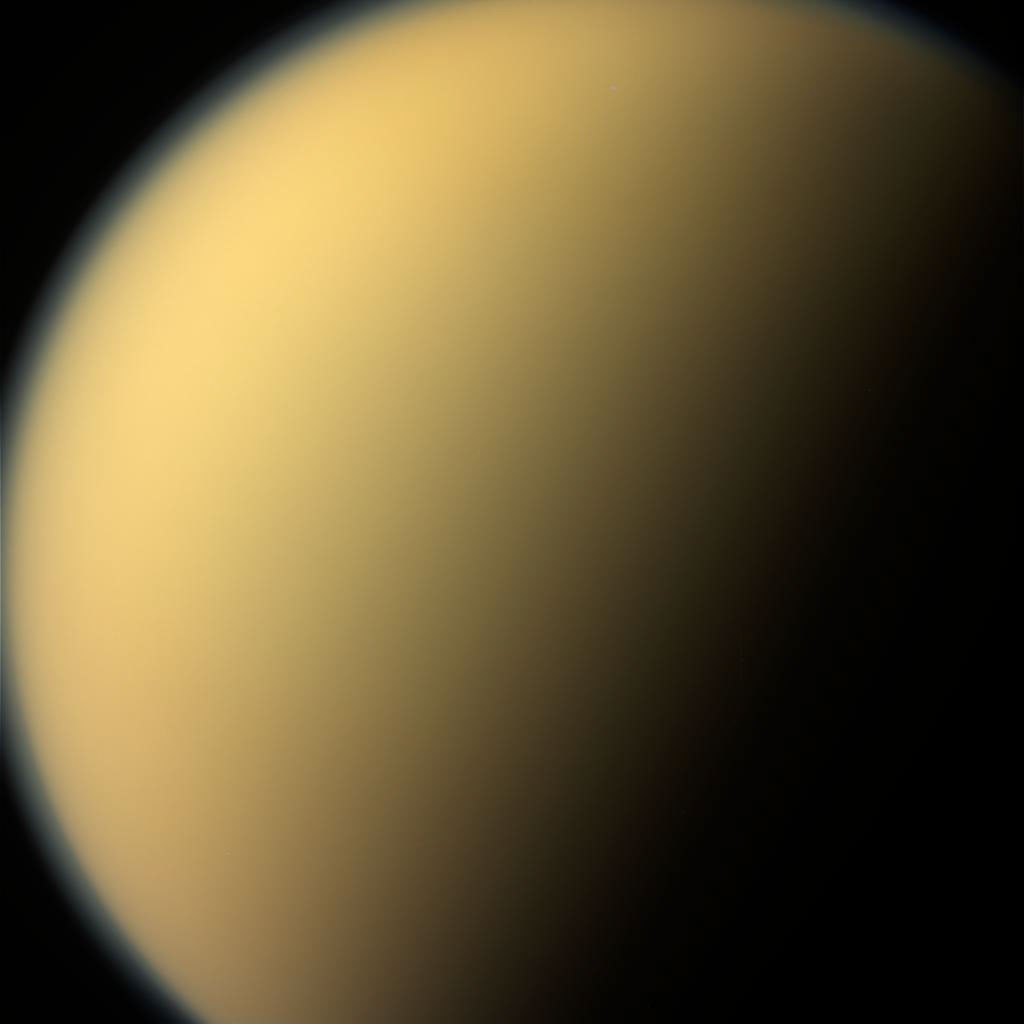
Cover: an archival Cassini view of Titan from 13 September 2017, not a photograph of Dragonfly flying. NASA/JPL-Caltech/Space Science Institute. Image record; JPL usage policy.
If you have found a mistake or a typo in this article, tell us about it
Comments (0)
Log in to leave a comment →
No comments yet. Be the first.