

AI Is Moving From Slides to Factory Floors: What Tokayev Wants Industry to Change
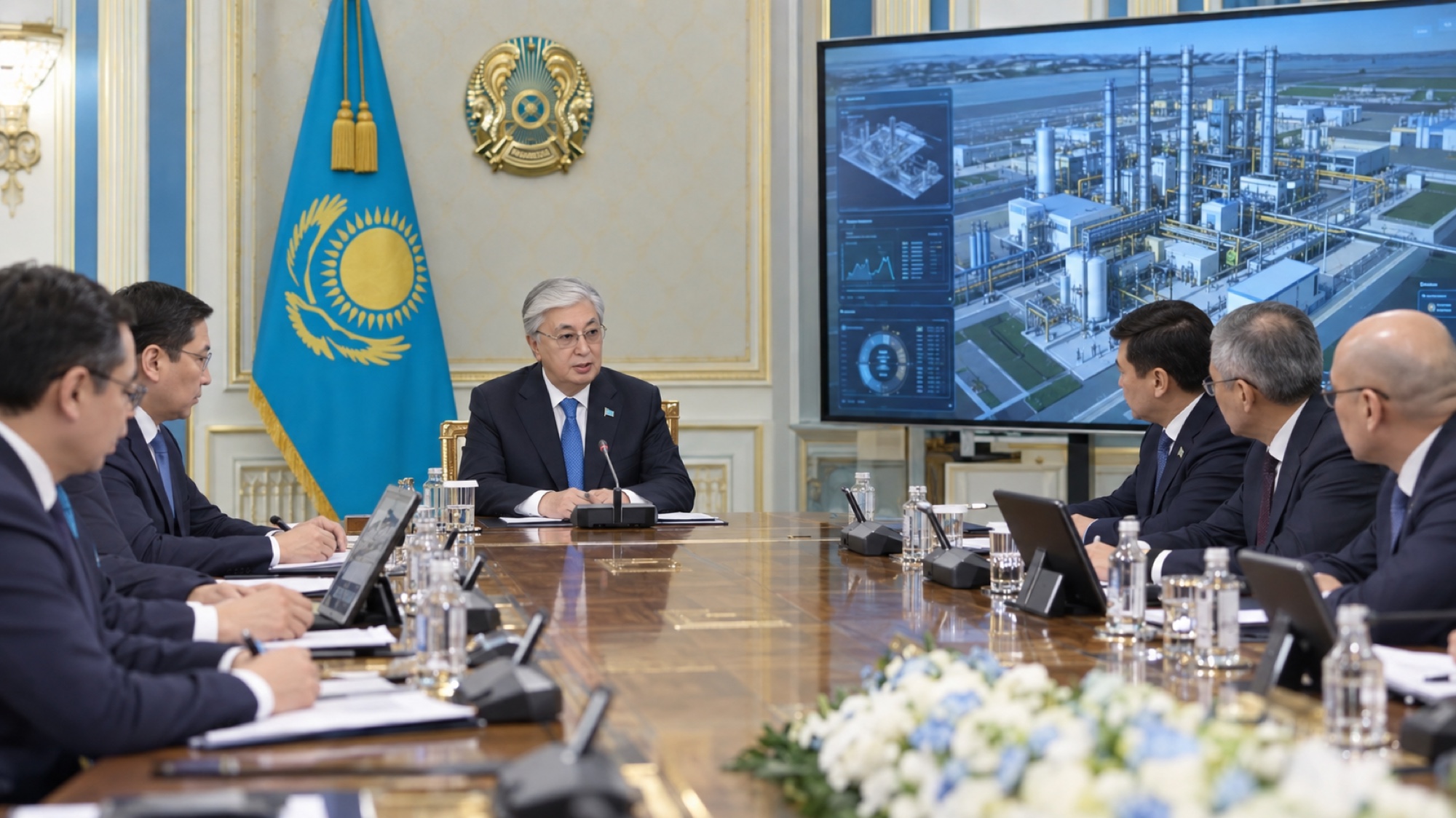
At the third AI Development Council meeting, Kazakhstan’s president called for full production-chain transformation rather than isolated digital pilots. The decisive issue is usable industrial data.
From pilots to production
At the Artificial Intelligence Development Council meeting on 2 October, Kassym-Jomart Tokayev gave industry a task more demanding than buying new software. Companies are expected to review entire production chains and identify where AI can deliver measurable gains: less equipment downtime, fewer defects, lower material losses and faster decisions.
The pressure to move faster is clear. Kazakhstan produced roughly 46 trillion tenge of industrial output in the first eight months of the year, while manufacturing grew 8.4% year on year. Maintaining that pace requires higher productivity and more high-value output.
The real shortage is usable data
Many plants already collect sensor readings, maintenance logs and quality records. Yet these data are often fragmented and stored in incompatible formats. A model cannot reliably predict a breakdown or identify defects when its inputs are incomplete. The government and industry were therefore asked to develop common rules for sectoral databases while protecting trade secrets and critical information.
The agenda also places shop-floor knowledge at the centre. Engineers, technologists, supervisors and operators see where a line loses time or material. Their observations should become practical research tasks for Qazaq AI Research University and other institutes.
What success should look like
Results must be visible in operating figures: fewer failures, shorter production cycles and a higher yield of acceptable products. Working models are expected to be expanded to other enterprises. Tokayev proposed focusing the next council meeting on transport and logistics.
Industrial AI in Kazakhstan is moving from demonstration to accountability for economic results. The difficult work begins after the meeting—in equipment, data quality and the daily decisions of people who must be able to trust the system.
Source: Kazakhstan Ministry of Artificial Intelligence and Digital Development
If you have found a mistake or a typo in this article, tell us about it
Comments (0)
Log in to leave a comment →
No comments yet. Be the first.