

World Rabies Day: what to do after a bite and why waiting is dangerous
The world marks World Rabies Day on 28 September. WHO says any bite or scratch should be washed with soap and water for at least 15 minutes, followed by immediate medical care. Waiting for symptoms is dangerous because prevention works before they appear.
Why the date matters
World Rabies Day is observed on 28 September under the theme Stronger Together. WHO stresses cooperation among veterinarians, health workers, authorities and animal owners: mass dog vaccination stops transmission at its source, while prompt care prevents disease after human exposure.
According to WHO, dog bites and scratches cause 99% of human rabies cases. Once clinical symptoms appear, the disease is fatal in 100% of cases, but correct post-exposure prophylaxis can prevent it.
What to do immediately after a bite
Wash the wound thoroughly with soap and water for at least 15 minutes, then seek medical care as quickly as possible. A clinician will assess the exposure and decide whether vaccine and rabies immunoglobulin or monoclonal antibodies are required.
Do not wait for the animal to “show symptoms,” stop a prescribed course on your own or rely only on wound care. If the animal can be safely confined, provide information about it and the circumstances of the bite to medical and veterinary professionals without exposing yourself again.
What reduces risk for everyone
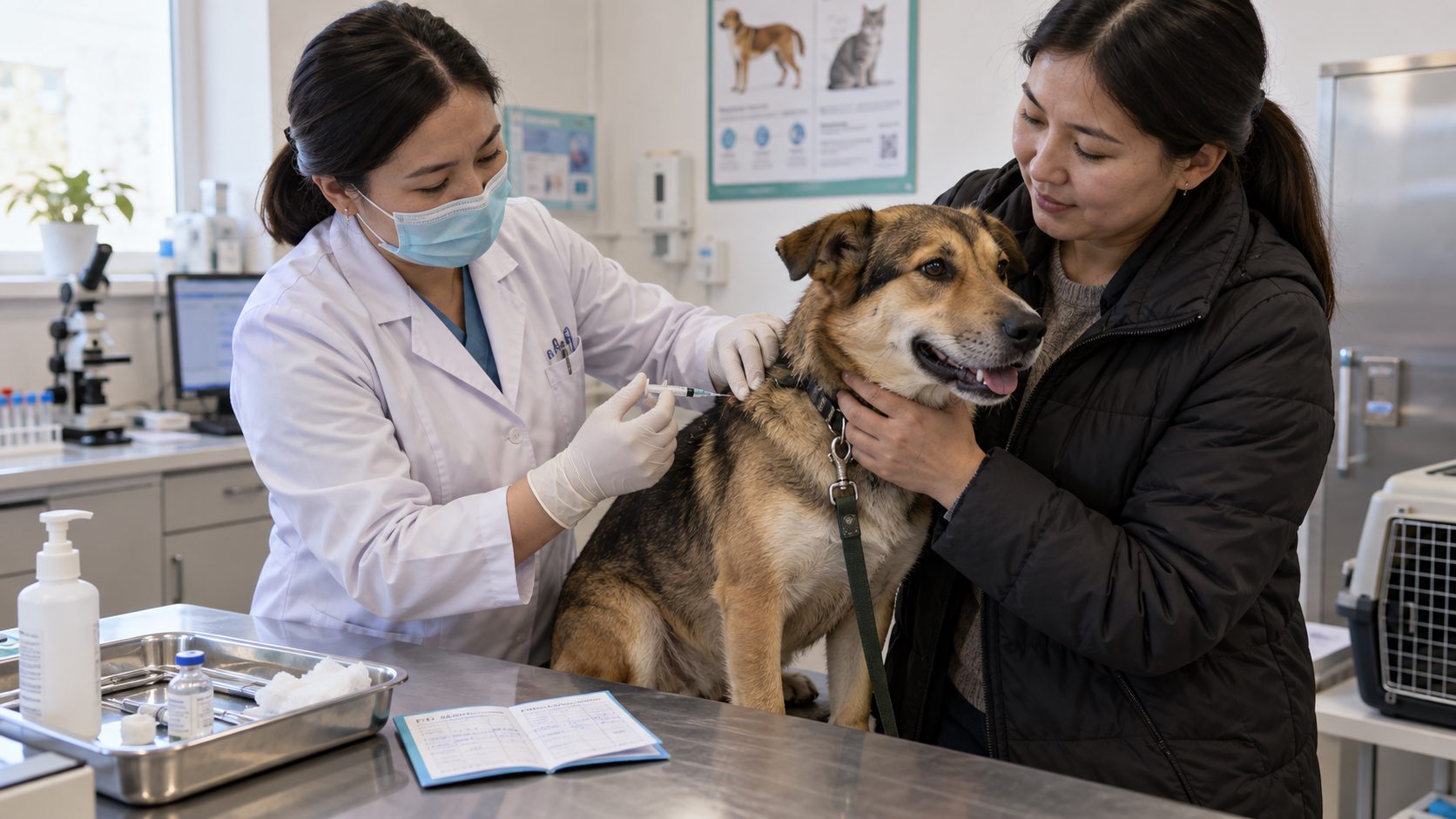
Regular vaccination of pet dogs and cats, humane control of stray animals, teaching children safe behaviour and access to post-exposure care work as one system. WHO calls this the One Health approach: human, animal and environmental health are treated together.
Sources: World Rabies Day 2026 and the WHO rabies fact sheet.
If you have found a mistake or a typo in this article, tell us about it
Comments (0)
Log in to leave a comment →
No comments yet. Be the first.