

A cargo ship’s final flight tests heat shields for future space missions
NASA’s KREPE-3 experiment sent 12 small sensor-equipped capsules with a departing Cygnus cargo craft to test different heat-protection materials during atmospheric re-entry. The data may inform future Moon and Mars vehicles, but the experiment is not a crew-ready shield.
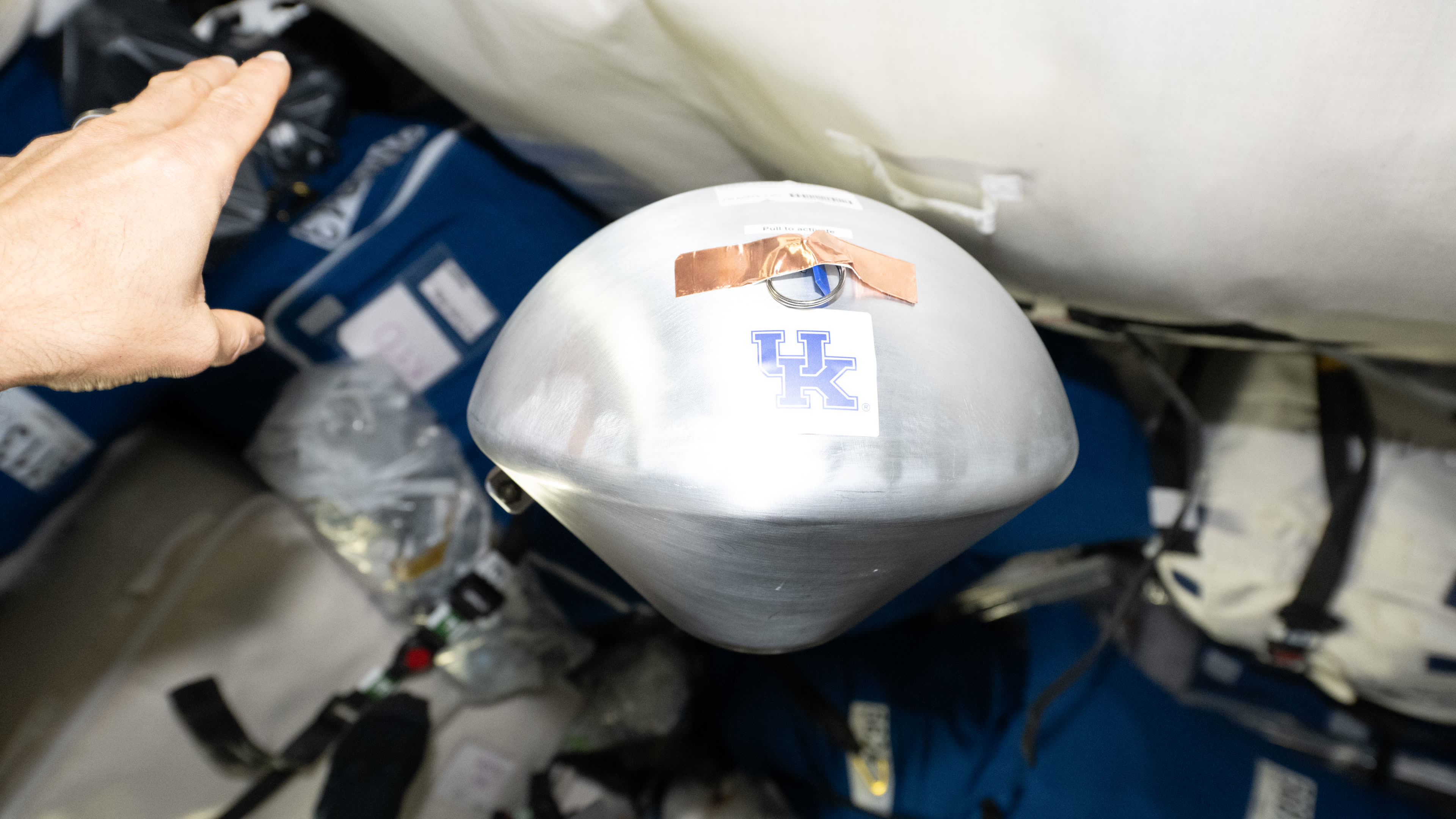
NASA described the KREPE-3 experiment on 9 October. It uses a Cygnus cargo craft leaving the International Space Station as a ride for testing heat-shield materials. Twelve small capsules were aboard, some developed by University of Kentucky students with NASA research centres.
How the test works
A returning spacecraft encounters extreme heating. The capsules carry sensors for temperature, pressure, motion and other conditions. They are intended to separate from the cargo craft during re-entry and transmit measurements by satellite, letting engineers compare materials and shapes in real flight.
The candidates include ceramic tiles, a 3D-printed shield, flexible carbon-and-phenolic-fibre coverings and an umbrella-like deployable design. Some could inform future vehicles for the Moon or Mars. Collecting data, however, does not mean a heat shield has been certified for astronauts.
The approach reuses a cargo craft’s planned end-of-mission journey, offering flight data without a separate large launch. The cover is an actual NASA photograph of an experimental capsule.
Source: official announcement.
Photo: NASA; KREPE-3 experimental capsule aboard Cygnus, photographed 7 October 2026. https://www.nasa.gov/centers-and-facilities/ames/nasa-demonstrates-next-generation-heat-shield-technologies/
If you have found a mistake or a typo in this article, tell us about it
Comments (0)
Log in to leave a comment →
No comments yet. Be the first.