

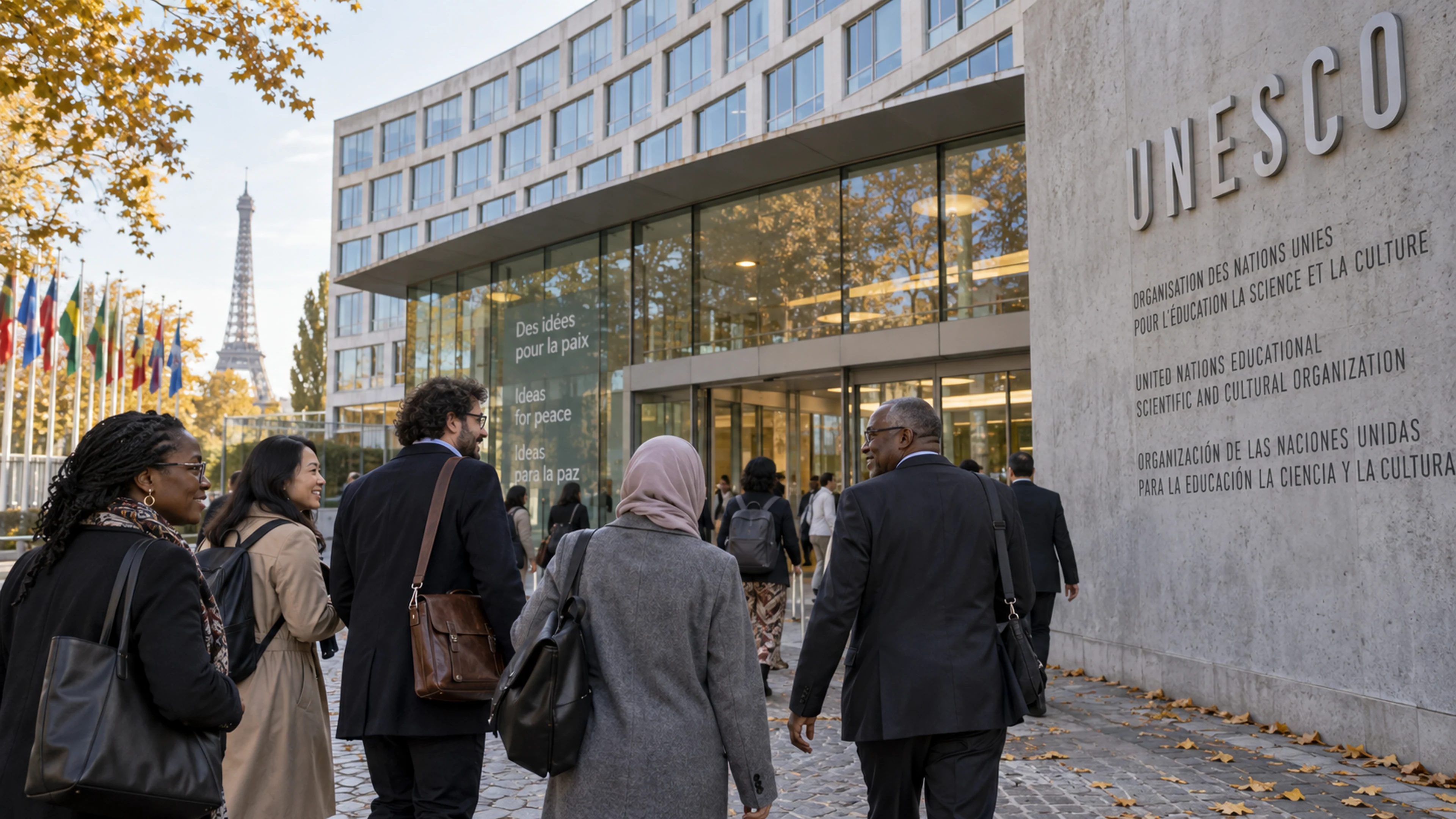
UNESCO on World Teachers’ Day: What the Profession Needs Beyond Praise
On 5 October, UNESCO marks 60 years since an international recommendation on the status of teachers. It points to pay, workload, professional autonomy and new pressures from AI. We explain the three dimensions of status behind the annual celebration.
World Teachers’ Day on 5 October marks 60 years since the 1966 ILO/UNESCO Recommendation concerning the Status of Teachers. UNESCO is using the anniversary to review the profession amid digital technology, climate change, migration and unequal access to education.
Three parts of teachers’ status
UNESCO distinguishes symbolic status: whether society values teaching; professional status: whether teachers have autonomy, support and a voice in policy; and material status: whether pay, workload and working conditions let them teach well. Praise without workable conditions addresses only one part of the problem.
Technology adds another pressure. AI may help prepare explanations or exercises, but it does not automatically know what an individual pupil has misunderstood or carry responsibility for relationships in a classroom. Teachers need time and authority to test new tools, not merely an instruction to use them.
A useful question for parents and school leaders is practical: does the timetable and organisation of work let a teacher notice a child’s mistake and help correct it? That is where a global debate becomes an everyday classroom issue.
Source: UNESCO, World Teachers’ Day 2026.
If you have found a mistake or a typo in this article, tell us about it
Comments (0)
Log in to leave a comment →
No comments yet. Be the first.