

Navi Pillay wins the 2026 Nobel Peace Prize: why the committee chose an international jurist
The Norwegian Nobel Committee awarded the 2026 Peace Prize to Navanethem “Navi” Pillay for advancing peace and international law. Her career spans the anti-apartheid struggle and major international courts. We explain the committee’s reasoning and the debate around judicial independence.
The Norwegian Nobel Committee announced on 9 October that Navanethem “Navi” Pillay had won the 2026 Nobel Peace Prize for her efforts to promote peace and international law. It highlighted her contribution to legal mechanisms for investigating grave international crimes.
A career in courts
Born in Durban under apartheid, Pillay became a lawyer before serving as a judge at the International Criminal Tribunal for Rwanda and the International Criminal Court. She also served as UN High Commissioner for Human Rights. The committee singles out her influence on recognition that sexual violence can form part of crimes against humanity and genocide.
The award’s central argument is that conflicts and grave crimes should be addressed through legal rules, including when powerful states dispute a court’s authority. It recognizes decades of Pillay’s work; it does not claim international courts are beyond criticism.
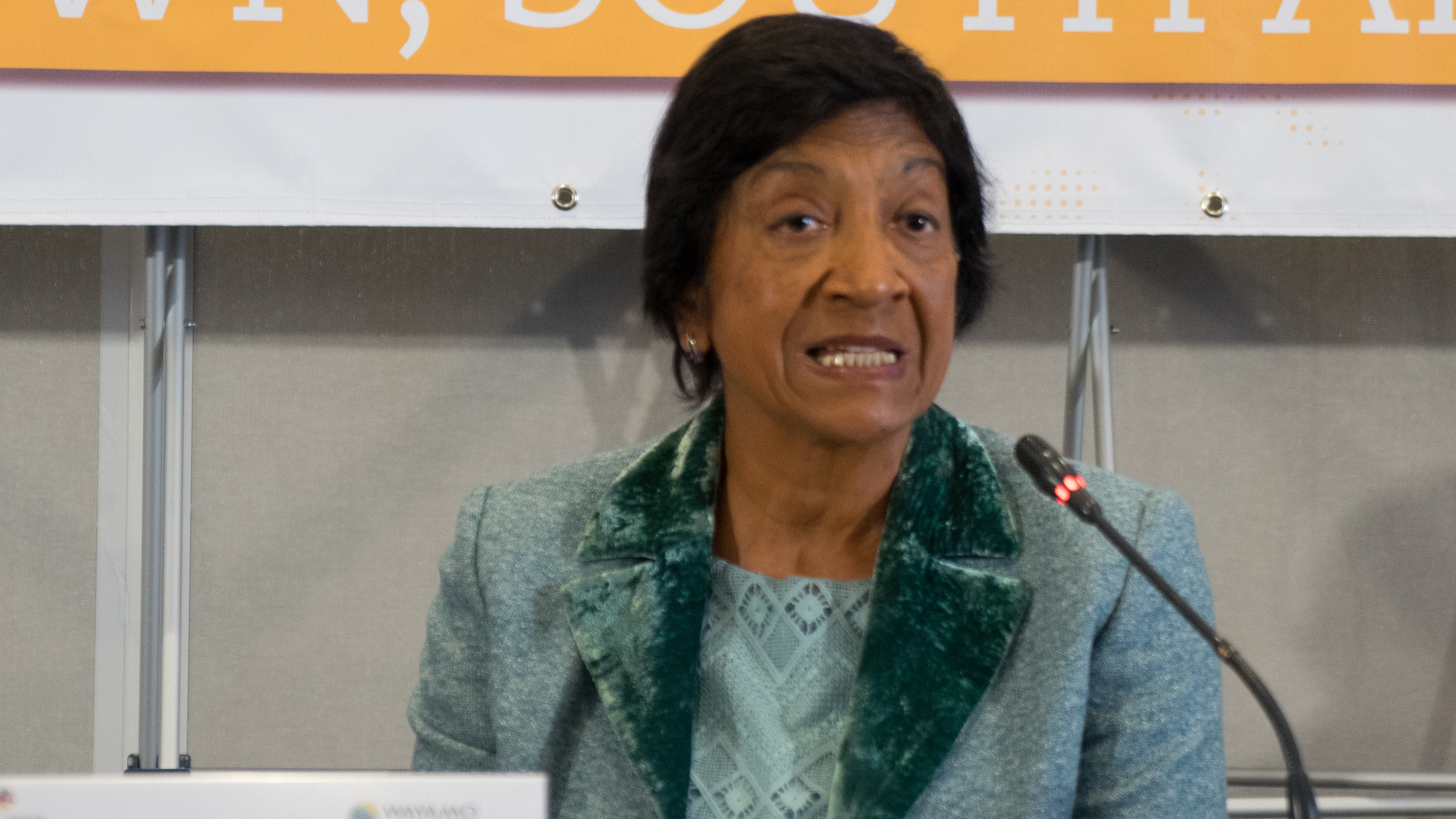
The announcement came on the same day that the United States imposed sanctions on the ICC and the court and UN objected. That is a separate event, but it underscores the current dispute over the independence of international justice. The cover uses an archival 2018 photograph of Pillay.
Source: official announcement.
Photo: Wayamo Foundation / Wikimedia Commons, CC BY-SA 2.0; cropped from a 2018 image. https://commons.wikimedia.org/wiki/File:Navi_Pillay,_AGJA_member_and_Former_United_Nations_Commissioner_for_Human_Rights_(43538900235).jpg | https://creativecommons.org/licenses/by-sa/2.0/
.jpg)
If you have found a mistake or a typo in this article, tell us about it
Comments (0)
Log in to leave a comment →
No comments yet. Be the first.