Kazakhstan says 51 services are currently available through eGov GPT. The target of 150 by year-end is a plan, not an existing catalogue. Five digital service centres are open; the distinction matters when judging the rollout.
AI & Digital Bridge 2026 in Astana produced more than 60 agreements spanning AI, data centres, fintech, education and startups. Plans include a new data centre and a MultiBank regional office. We separate projects with stated commitments from memoranda that still need deadlines and delivery.
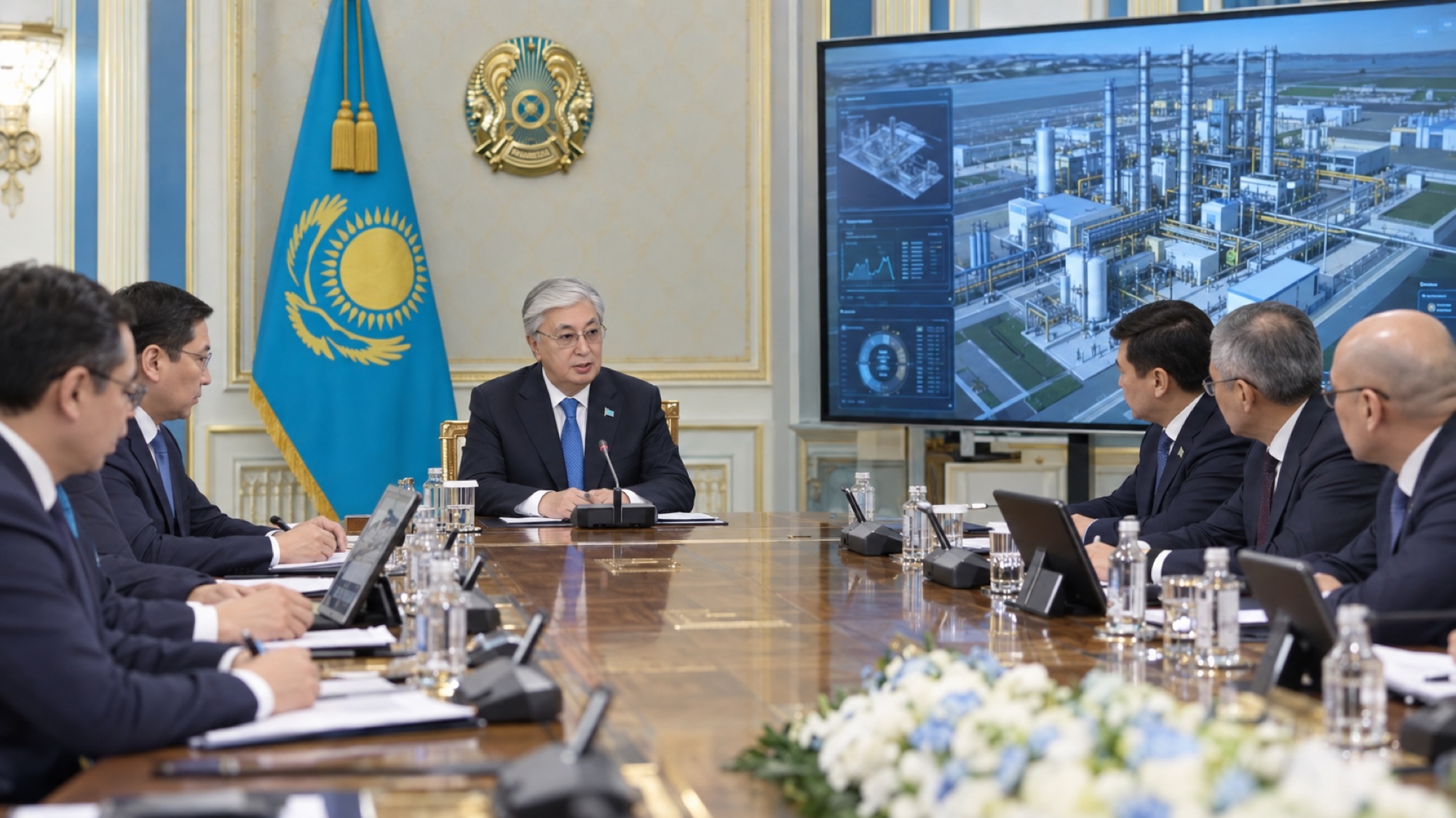
At the third AI Development Council meeting, Kazakhstan’s president called for full production-chain transformation rather than isolated digital pilots. The decisive issue is usable industrial data.
In 2 months, Kazakhstan’s pilot digital employment service sent 59,000 personalised offers and helped about 3,000 people find jobs. We examine who receives matches, what data the system uses and why real employment outcomes matter more than notification counts.
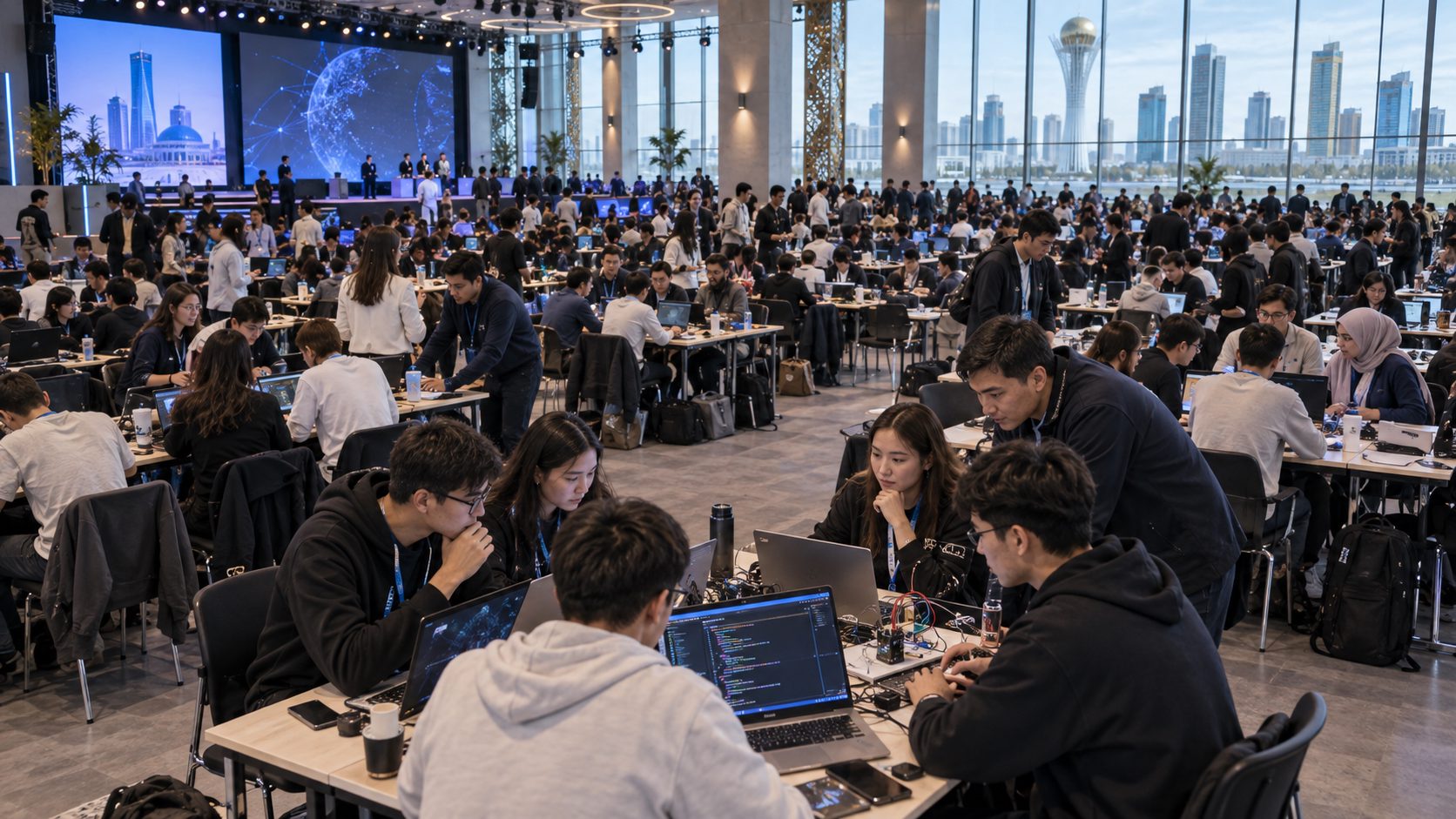
Astana’s HackAlem AI gathered 2,415 verified participants and earned a Guinness World Records title for the largest AI hackathon. The previous mark was 2,089. We explain how attendance was verified, why headcount alone does not measure solution quality, and what teams need if their prototypes are to become pilots and working products.
On 27 July 2026 Moonshot AI released the weights of Kimi K3: 2.8 trillion parameters, 104 billion active per token, a one-million-token context and second place in the Vals AI index — the most capable open model in history. What the small print in the word open actually says, and what running it free really costs.
What is worth fearing is not a revolt of the machines but duller, more real things. First, concentration: a tool that strengthens whoever holds it also strengthens those who already hold too much power. Second, substitution — when generated text is passed off as a checked fact and confidence as being right.


 IT