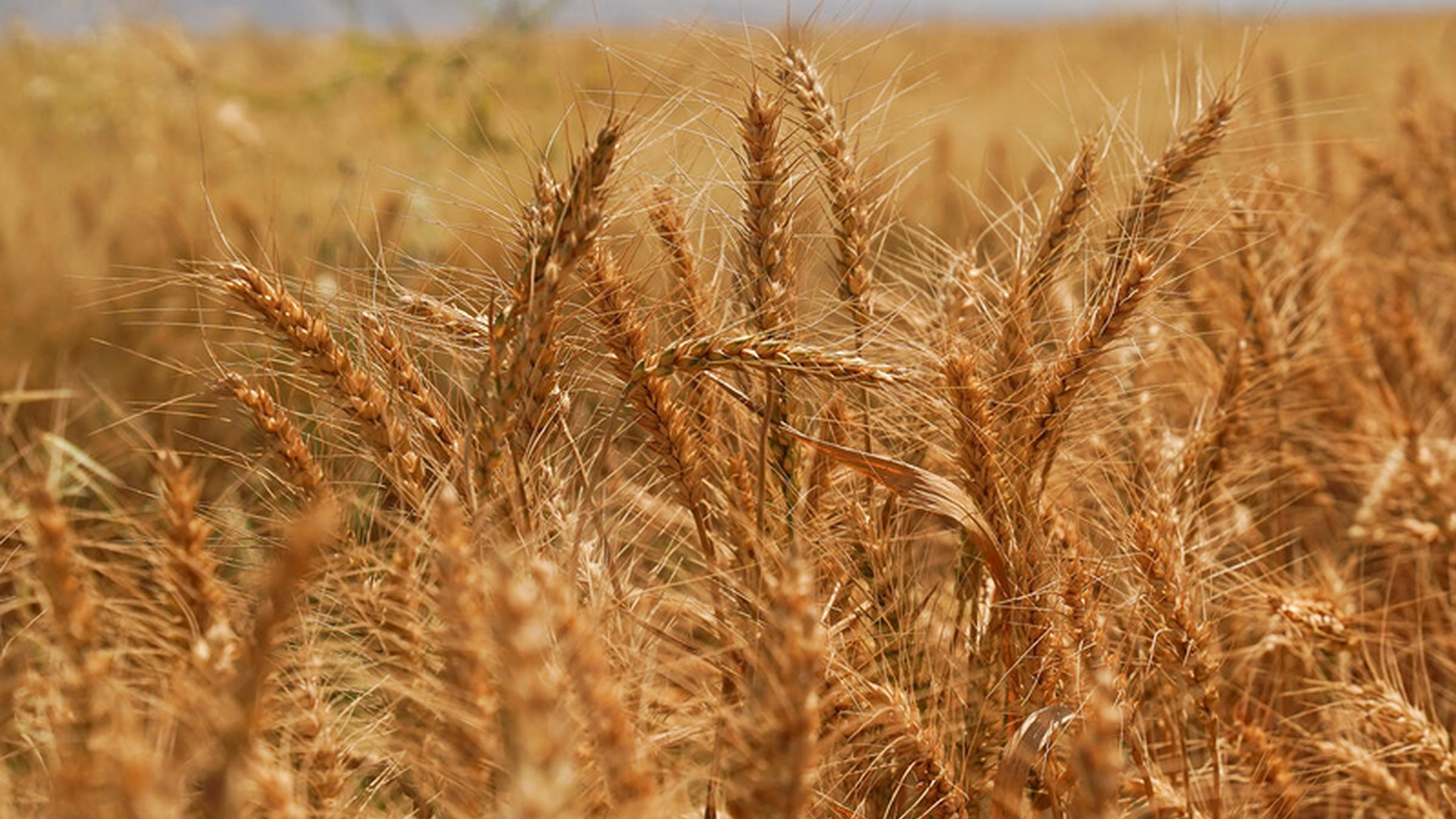
The FAO Food Price Index reached 136 points in September, up 1.5% from August and 5.8% year on year. Grain and sugar drove the increase, while meat and dairy edged lower. We explain the pressures behind the move and why a global commodity index is not a local supermarket bill.
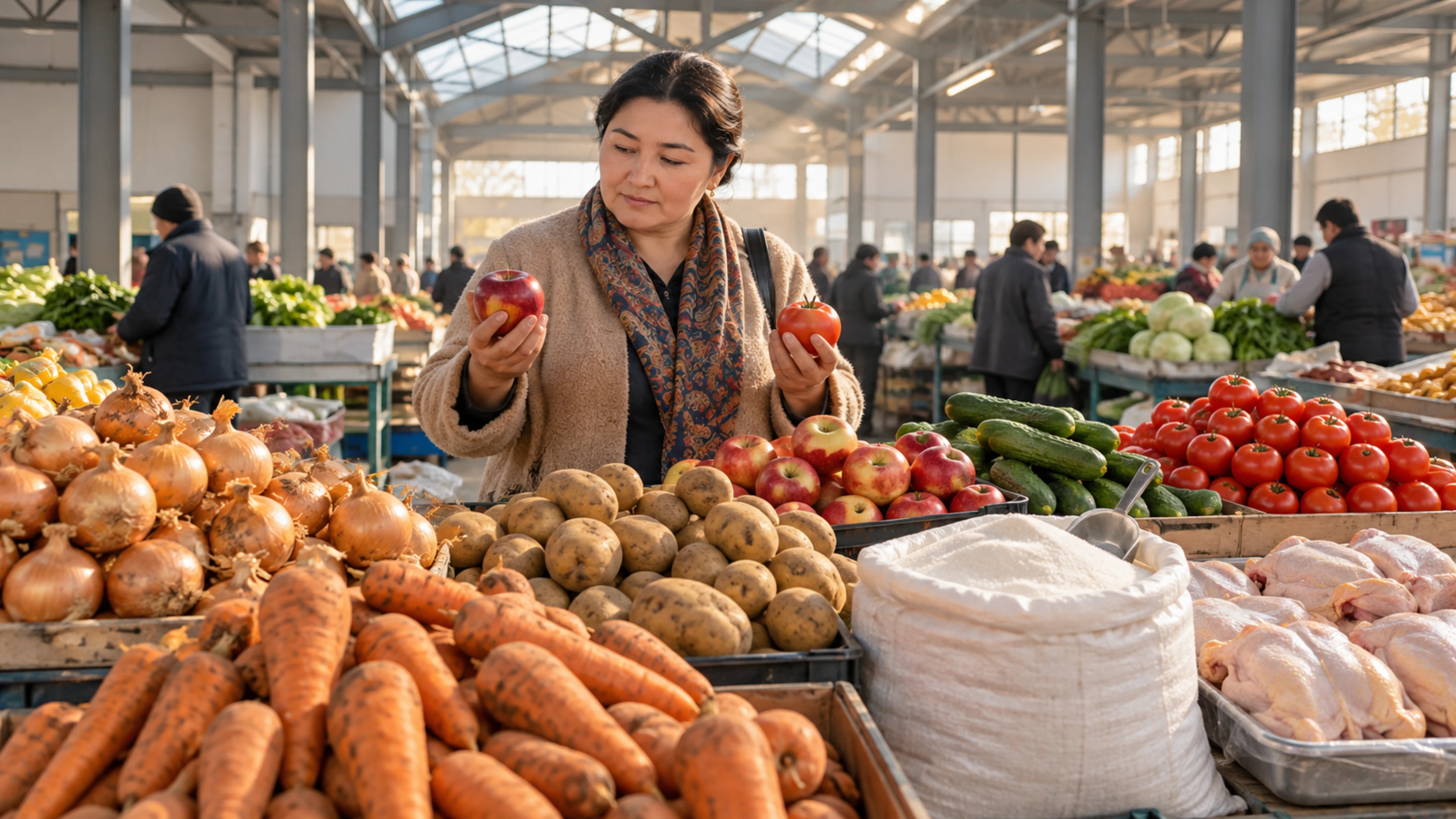
Kazakhstan’s Bureau of National Statistics recorded weekly price declines for onions, carrots, apples, cucumbers, potatoes, sugar, chicken meat, and bone-in beef. We examine the percentages, differences between cities, and the limits of the figures: lower prices for selected foods over one week do not mean that the overall cost of living has fallen.
Inflation is when the same money buys less tomorrow than it does today. There are usually two causes: more money in the economy than goods, or costs themselves rising. It is unfair by nature: property rises along with prices while wages and savings lose value. What actually helps, and what only sounds like it does.
Inflation is discussed in percentages as though it were the weather, but behind the average figure hides a very unequal distribution of pain. For a comfortable household it is holidays and gadgets that get dearer; for a poor one it is bread, medicine, transport and rent — the things that cannot be given up.


 Economy