A course of 50 lessons: from "how the internet works" to a blog of your own, written in Go and live on the internet at your own domain. The course is written in full, and reading it needs neither an account nor a payment. Kazakh first, with Russian and English beside it. Inside: what comes out at the end, why Go, and who writes in it.
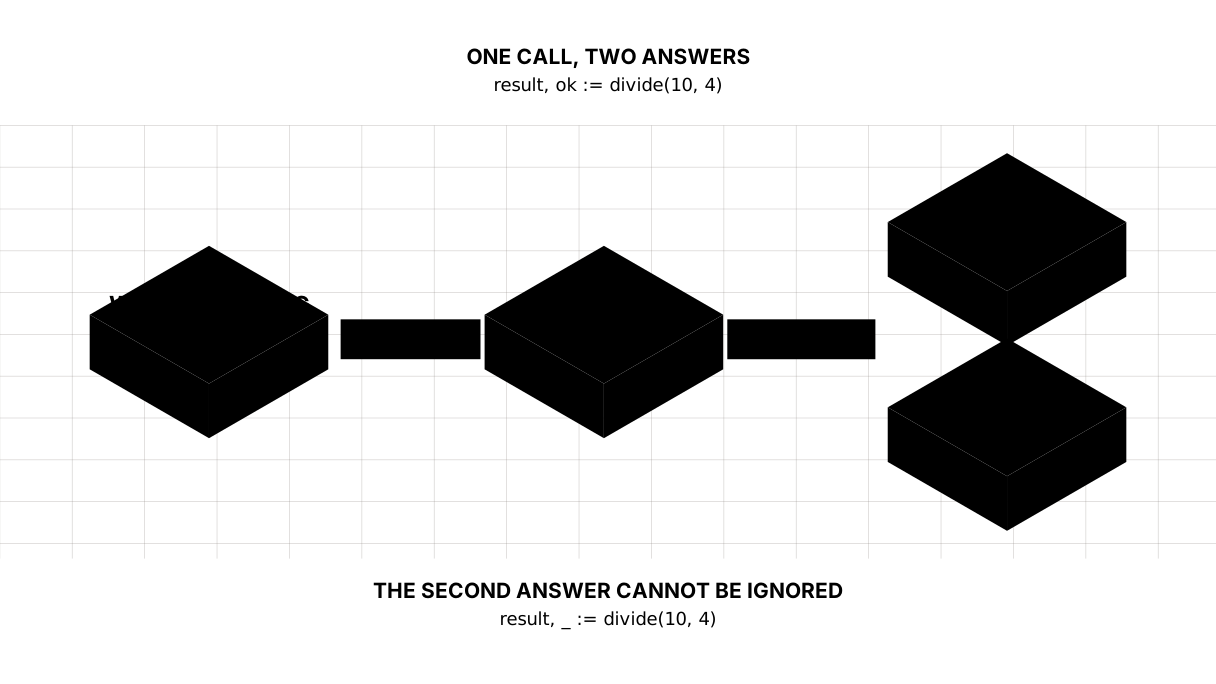
The fifth lesson of the Go course. How to declare a function, and what a parameter, an argument and return actually are. The heart of the lesson: a Go function returns two values at once — the result, and whether it worked. That is why the language has no exceptions. We read the result, ok := idiom and the underscore.
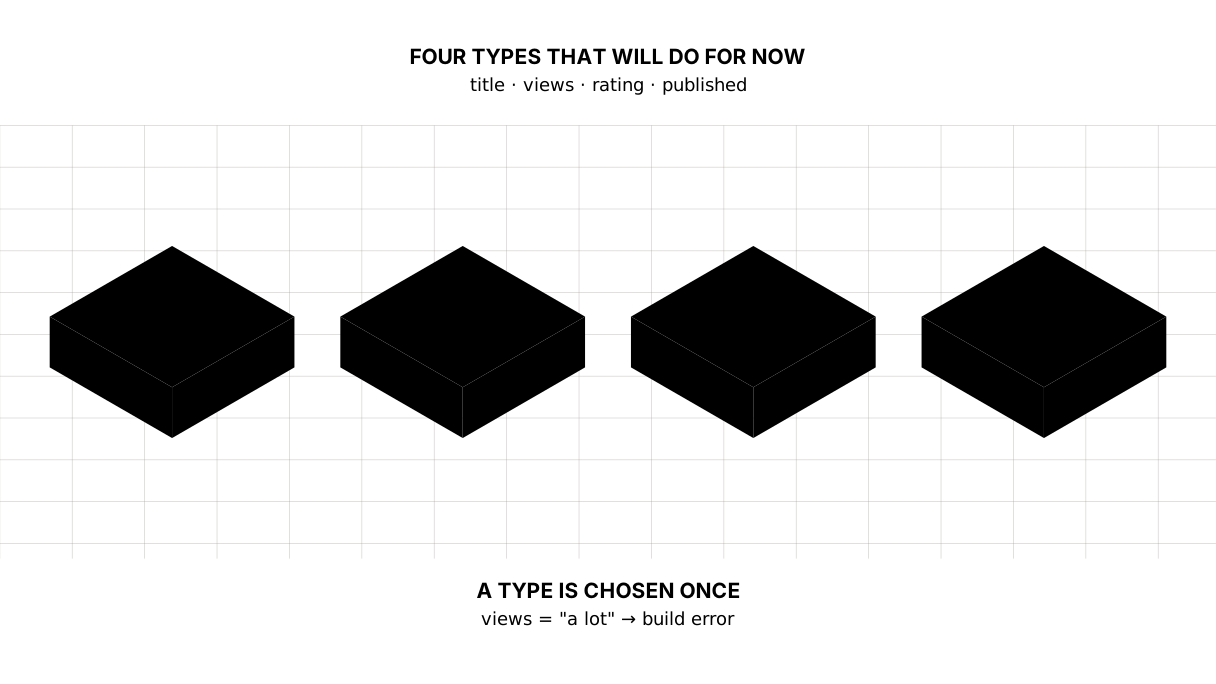
The fourth lesson of the Go course. What a variable is and why the language insists on types: string, int, float64 and bool, declaring with := and var, zero values, and why a type is chosen once and never changes. We also read the "declared and not used" error you will meet on day one, and how to name things readably.
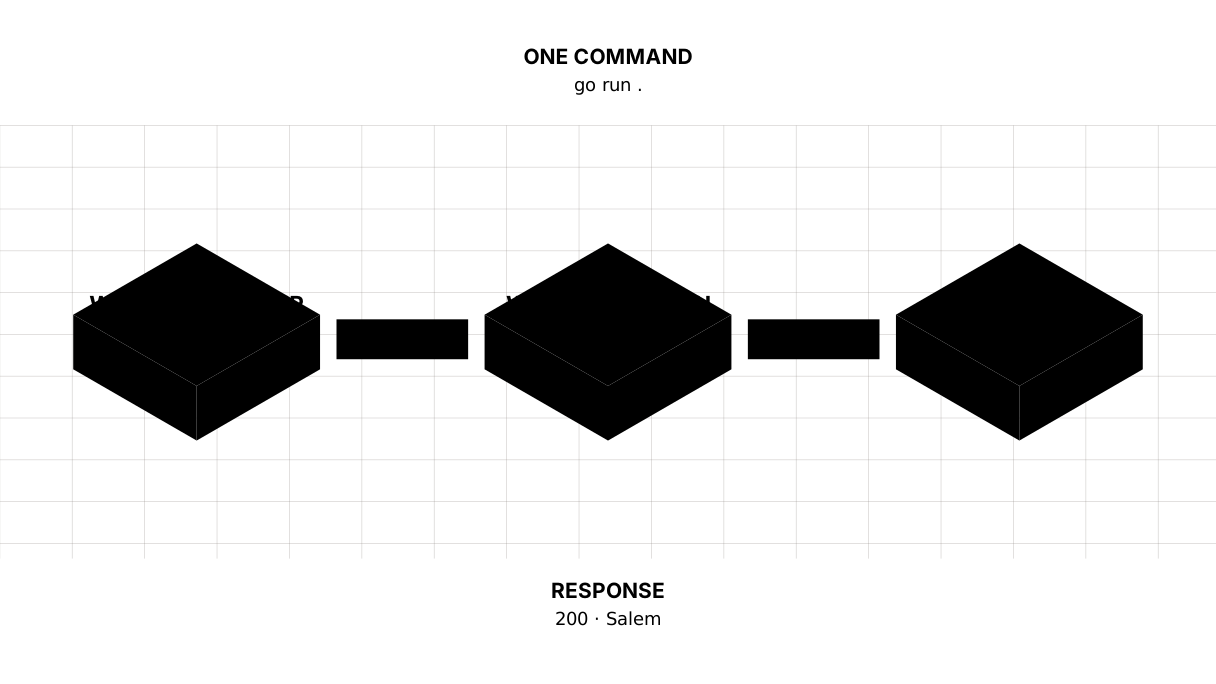
The third lesson of the Go course. A first program in Go and a working web server: package main, func main, http.HandleFunc, http.ListenAndServe and port 8080. Open localhost:8080 in a browser and see your own program answer it before you have learned a single rule of the language. No framework to install, and what to do if 8080 is taken.
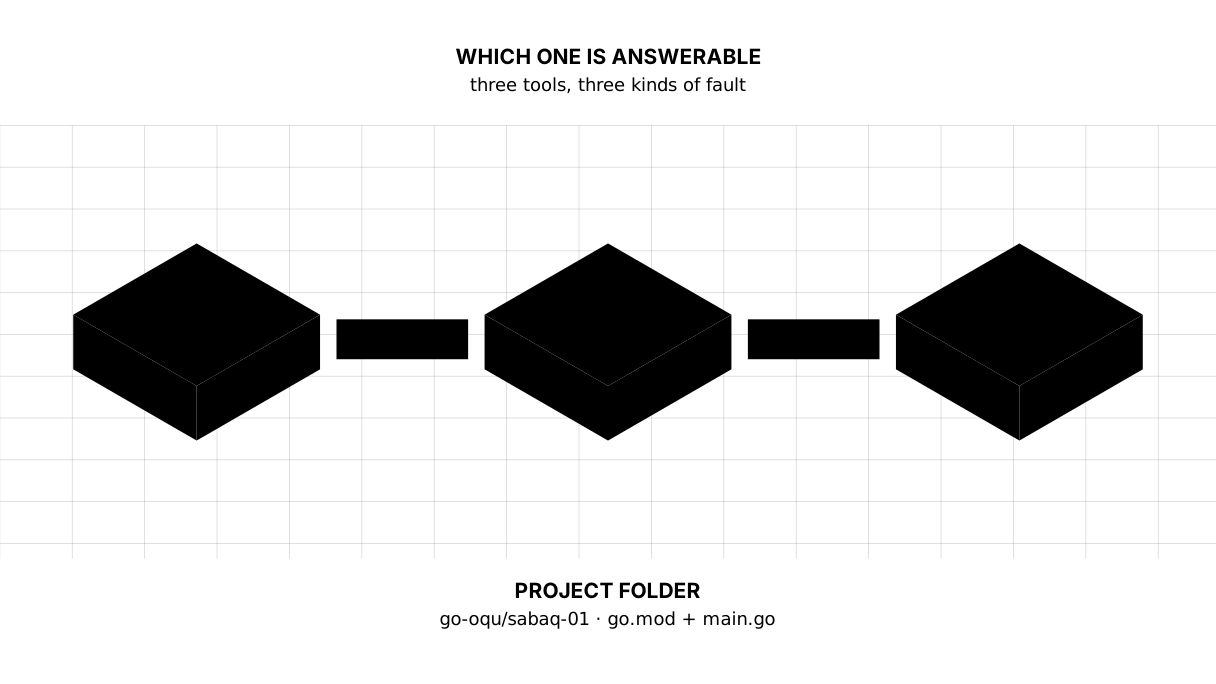
The second lesson of the Go course. What to install before the first line of code: Go 1.27 itself, the VS Code editor with the Go extension, a project folder and the go mod init command. We sort out which tool is answerable for what — language, editor, extension, terminal — and end with your first program greeting the world.
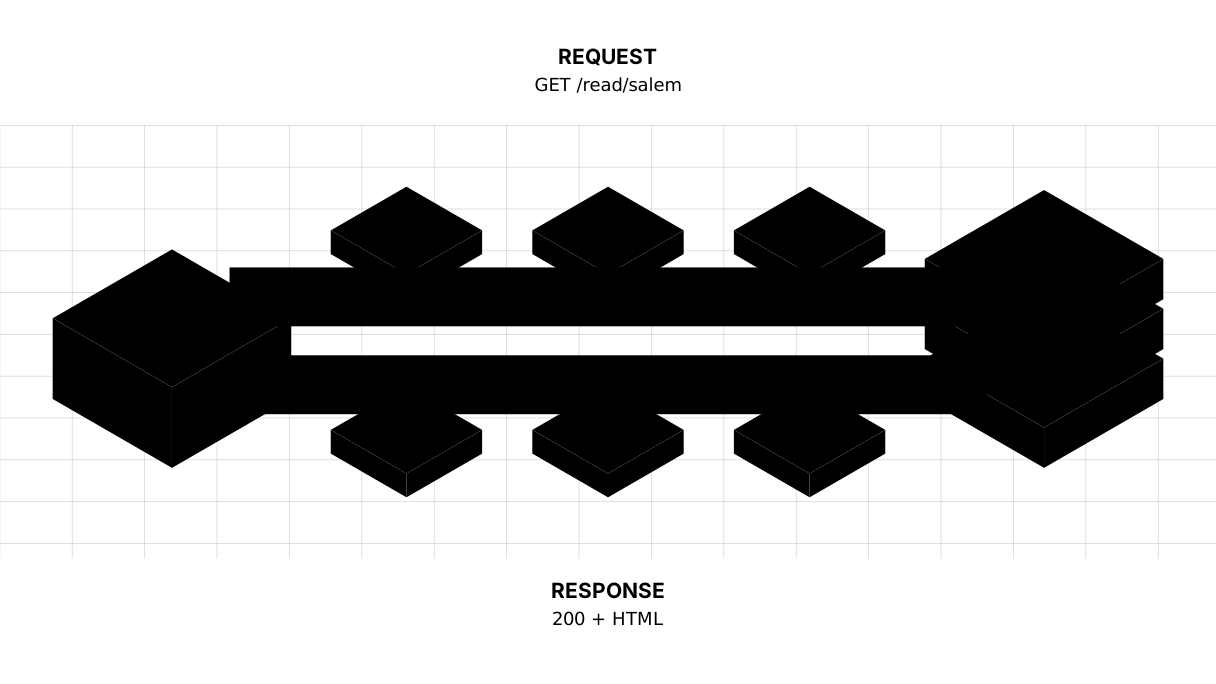
The first lesson of the Go course. What a browser asks a server and what counts as an answer: client and server, domain, IP and port, method and path, headers, and the codes 200, 404 and 500. One line in a terminal shows you a real HTTP response before you have read a word about it. School never taught you any of this.


 Society