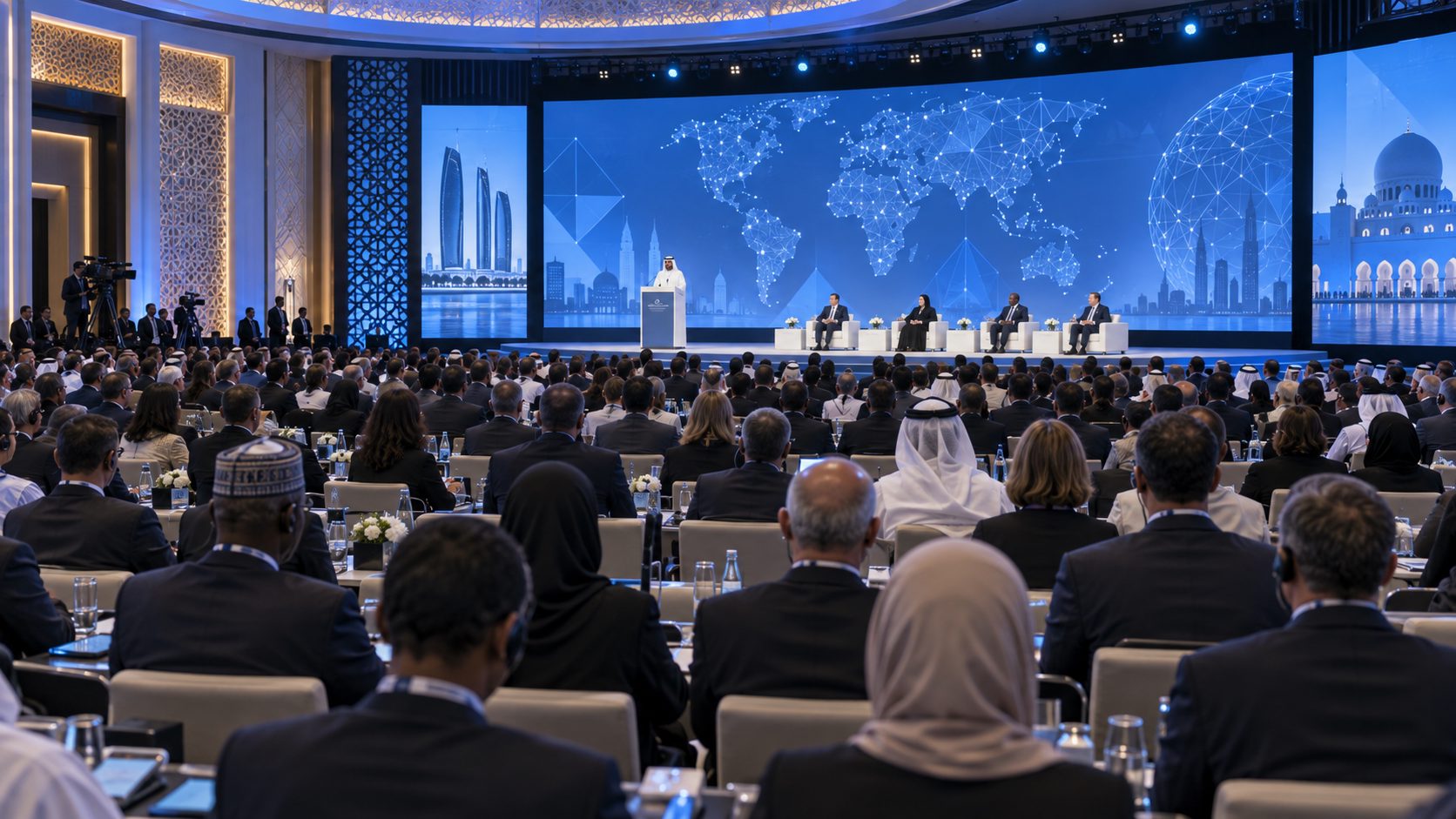
The 15th UN Congress on Crime Prevention and Criminal Justice has opened in Abu Dhabi. Through October 1, governments are discussing cybercrime, organized networks, AI in justice, victim protection and asset recovery. We explain the agenda and the practical outcome countries are expected to pursue.
The UN has dedicated World Tourism Day to artificial intelligence and digital transformation. Kazakhstan’s accommodation sector served 4.77 million visitors in January–June. We examine how algorithms can help regions and why poor data can push even more travelers toward the same crowded destinations.
MikroTik has released fixes for three RouterOS vulnerabilities, while Kazakhstan’s KZ-CERT issued a separate warning. Here are the exact patched versions, how to check the Flagged status, how to restrict SSH, and what to inspect after updating a home or business router.
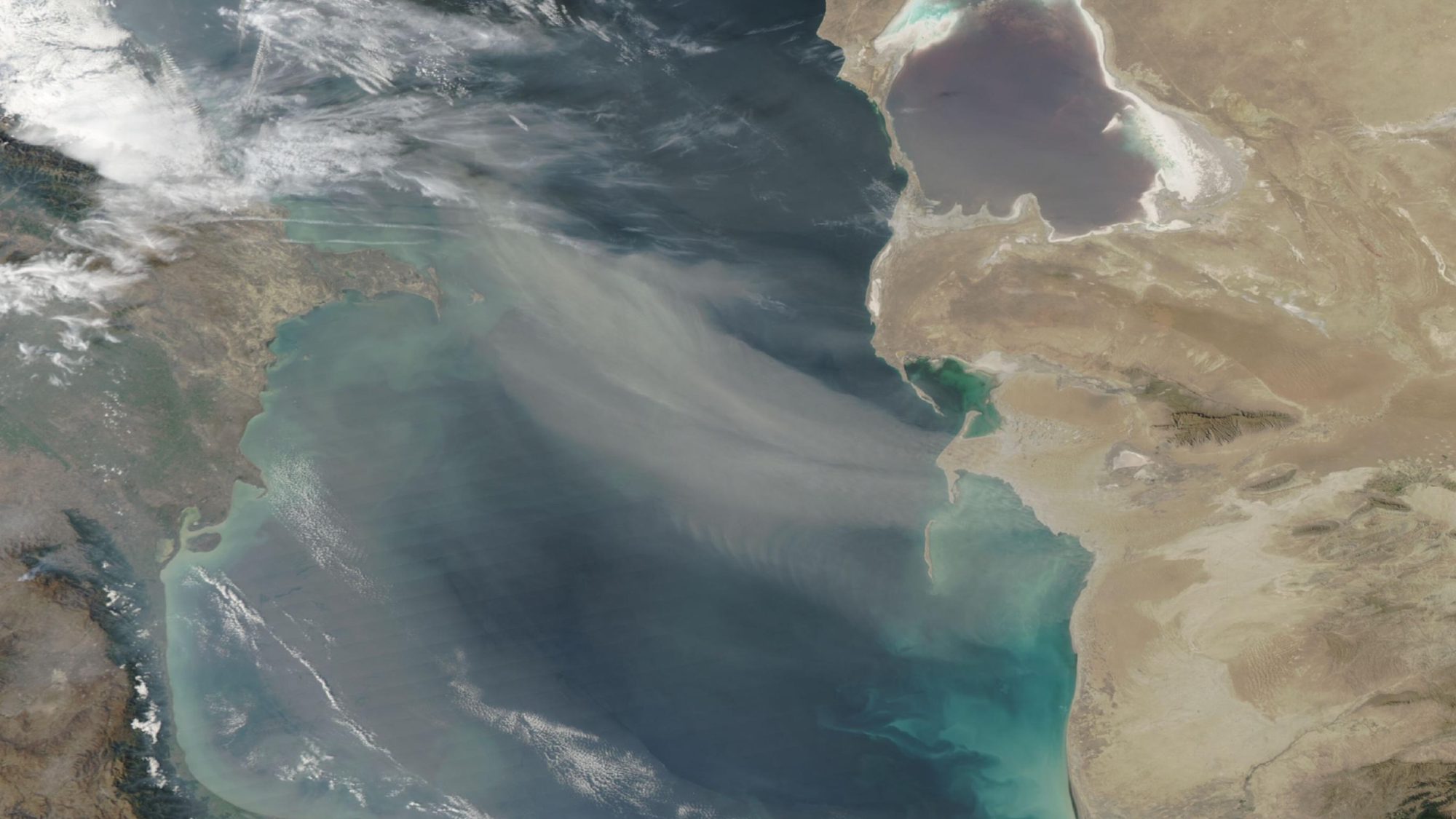
NASA’s Aqua satellite captured broad dust plumes crossing the Caspian Sea on September 24. The agency published the true-color image and placed it within a period of strong winds. We explain what the image confirms, what it cannot establish, and why satellite observations matter.
Kazakh heavyweight Aibek Oralbay won his Asian Games quarterfinal 5–0, guaranteeing the national team at least a bronze medal. We explain the confirmed result, why his first bout of the tournament already secured a podium place, and what now stands between him and the final.
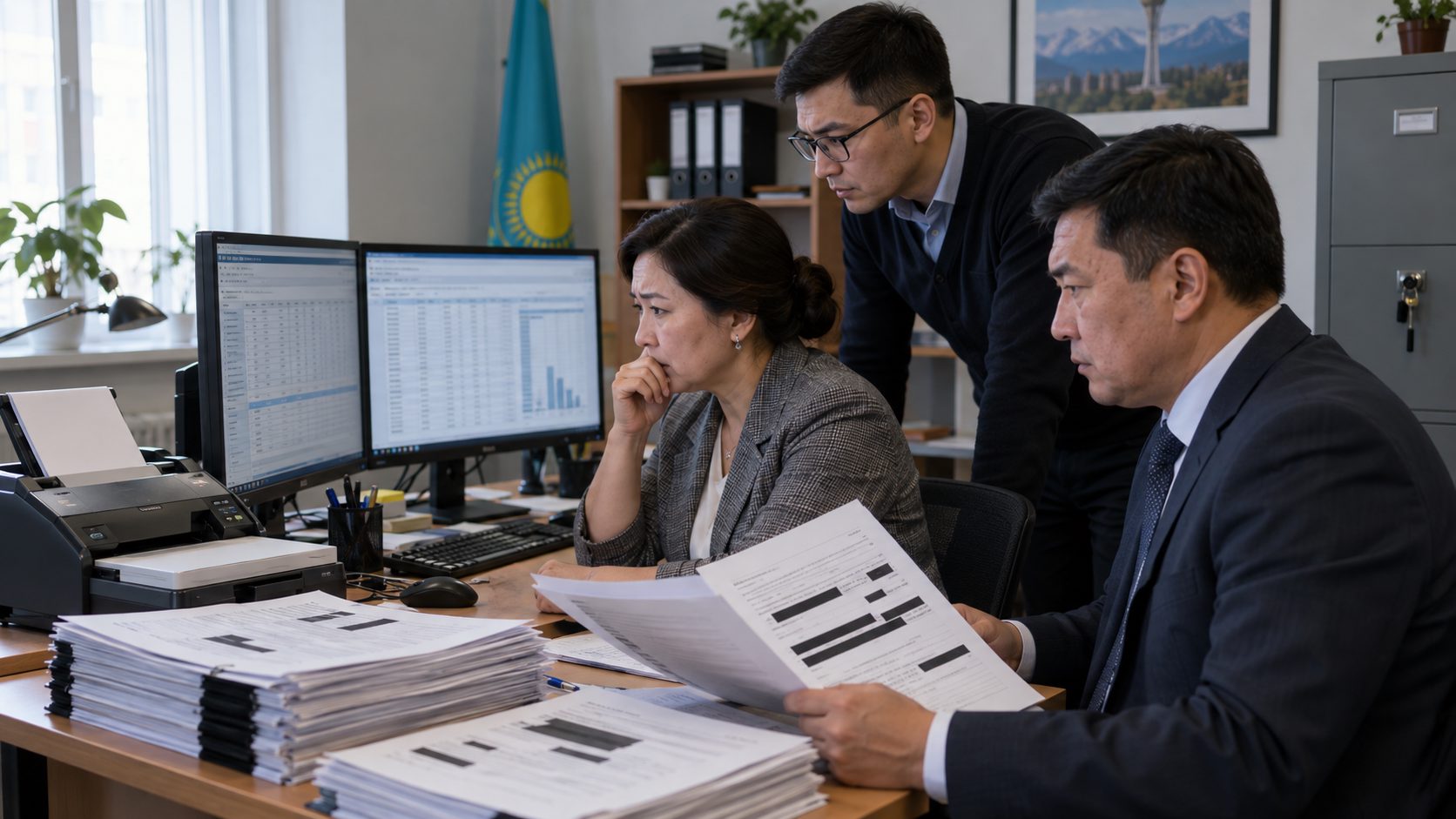
Prosecutors in Semey found documents on 31 school websites containing data about 3,752 employees and 344 minors. Names, national identification numbers, birth dates, addresses, and phone numbers were exposed. This column explains why removal only closes the public link, what system owners should investigate, and how to prevent a repeat.
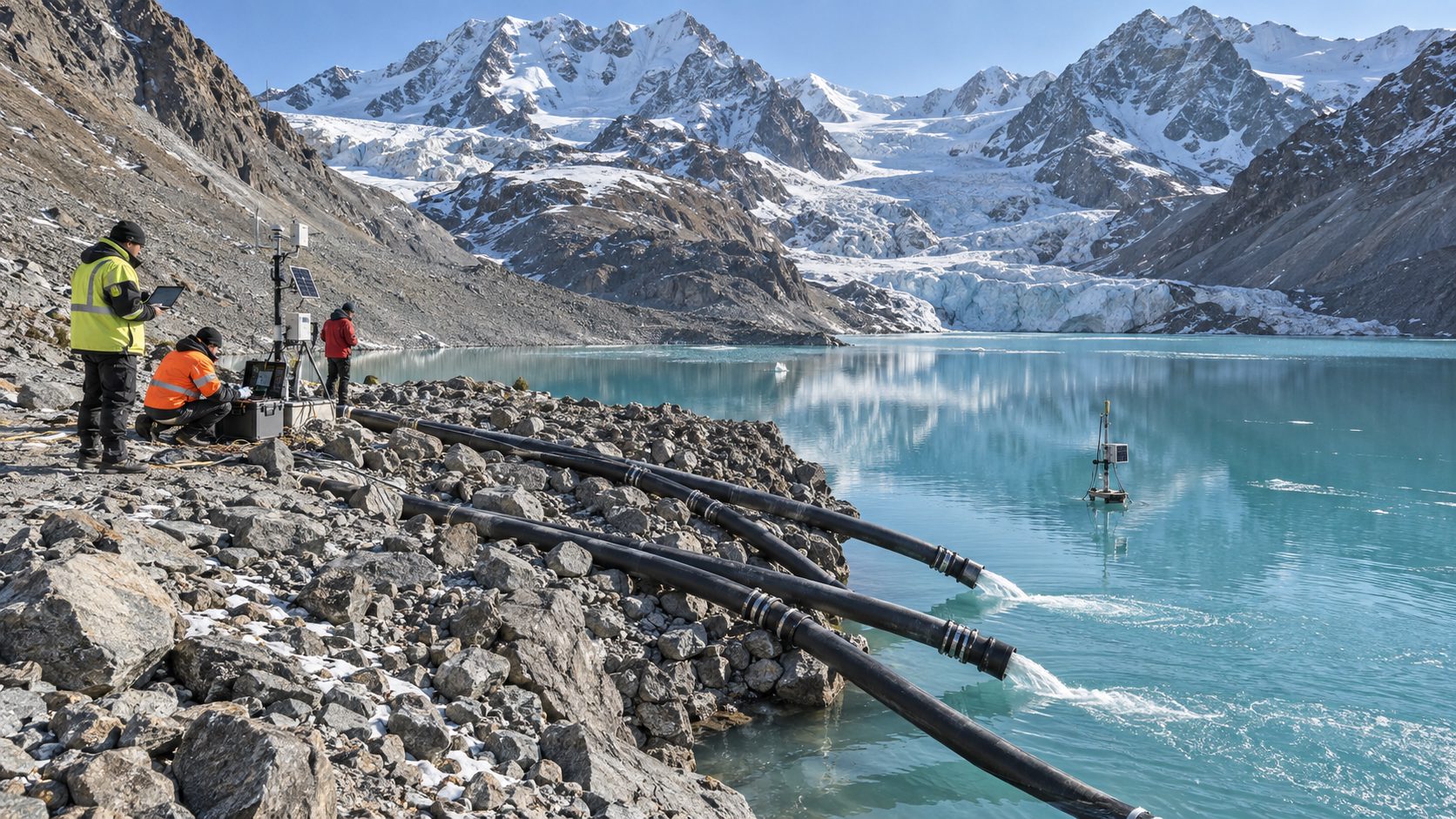
As the mudflow season winds down, Kazselezashchita specialists report removing 3.5 million cubic meters of water from potentially dangerous moraine lakes. Forty-four observation posts, 11 emergency crews, and more than 100 specialists were involved, with about 50 siphon pipes installed. We explain how these measures reduce risk and why monitoring continues.
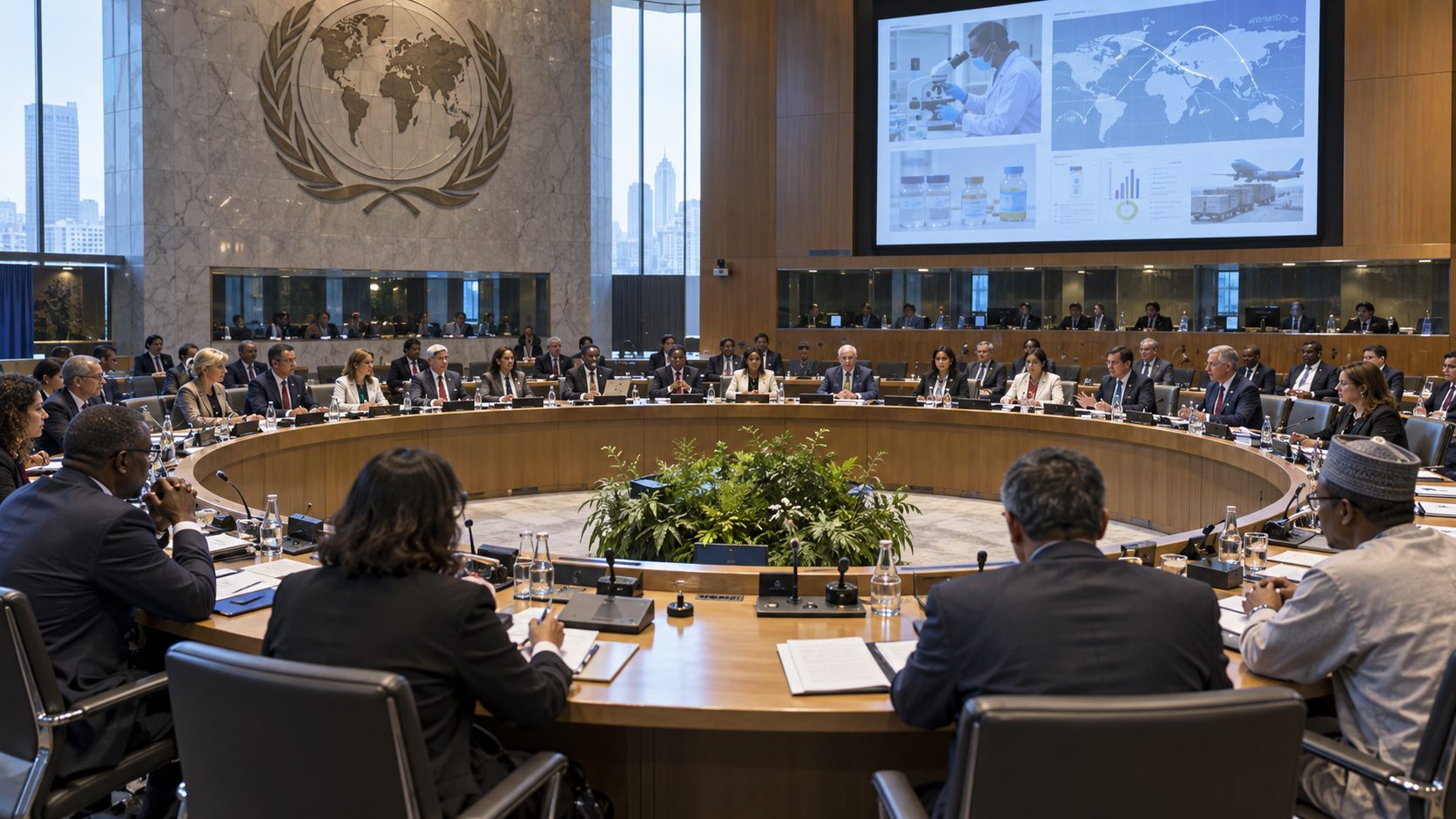
Countries renewed commitments to pandemic prevention, preparedness, and response at a UN General Assembly high-level meeting. The agenda centers on sustained financing, resilient health systems, early detection, and equitable access to vaccines, diagnostics, and treatment. We explain what has been adopted and which part of the global framework remains under negotiation.
Kazakhstan lost to Spain in the Billie Jean King Cup Finals quarterfinals in Shenzhen. After the two singles matches, the tie stood at 1–1 and the semifinal place was decided in doubles. Captain Yuri Schukin has reviewed the campaign. We reconstruct the match and separate the confirmed result from longer-term judgments about the team.
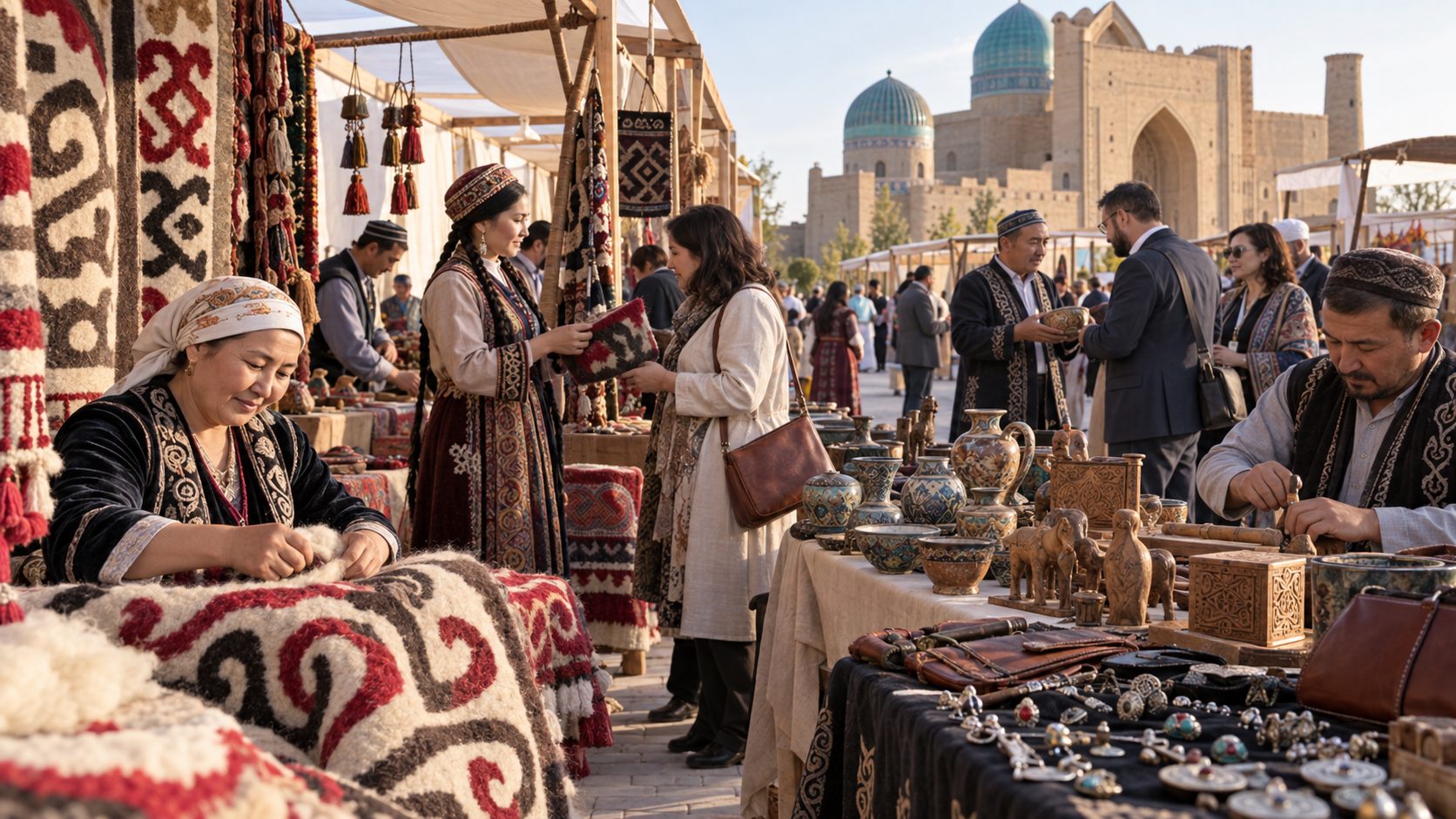
Turkistan is hosting an international fair for craftspeople and eco-products from September 26 to 28, with nearly 200 makers expected from Kazakhstan and abroad. The format combines direct sales, tourism, and business meetings. We examine how organizers hope to turn traditional craft into durable brands and export-ready products.
Kazakhstan sent 33 young specialists to compete in 31 skills at WorldSkills Shanghai 2026, from mechatronics and welding to mobile robotics and app development. Competition ended on September 26, with the awards scheduled for September 27. Here is what is confirmed before the official results are published.
NASA has completed ground testing of the ASCENT Propulsion Dual Mode CubeSat. The large-shoebox-sized spacecraft feeds one non-toxic propellant to both a high-thrust chemical engine and efficient electric microthrusters. Here is how the system works, what testing it passed, and what the nine-month orbital demonstration must prove.
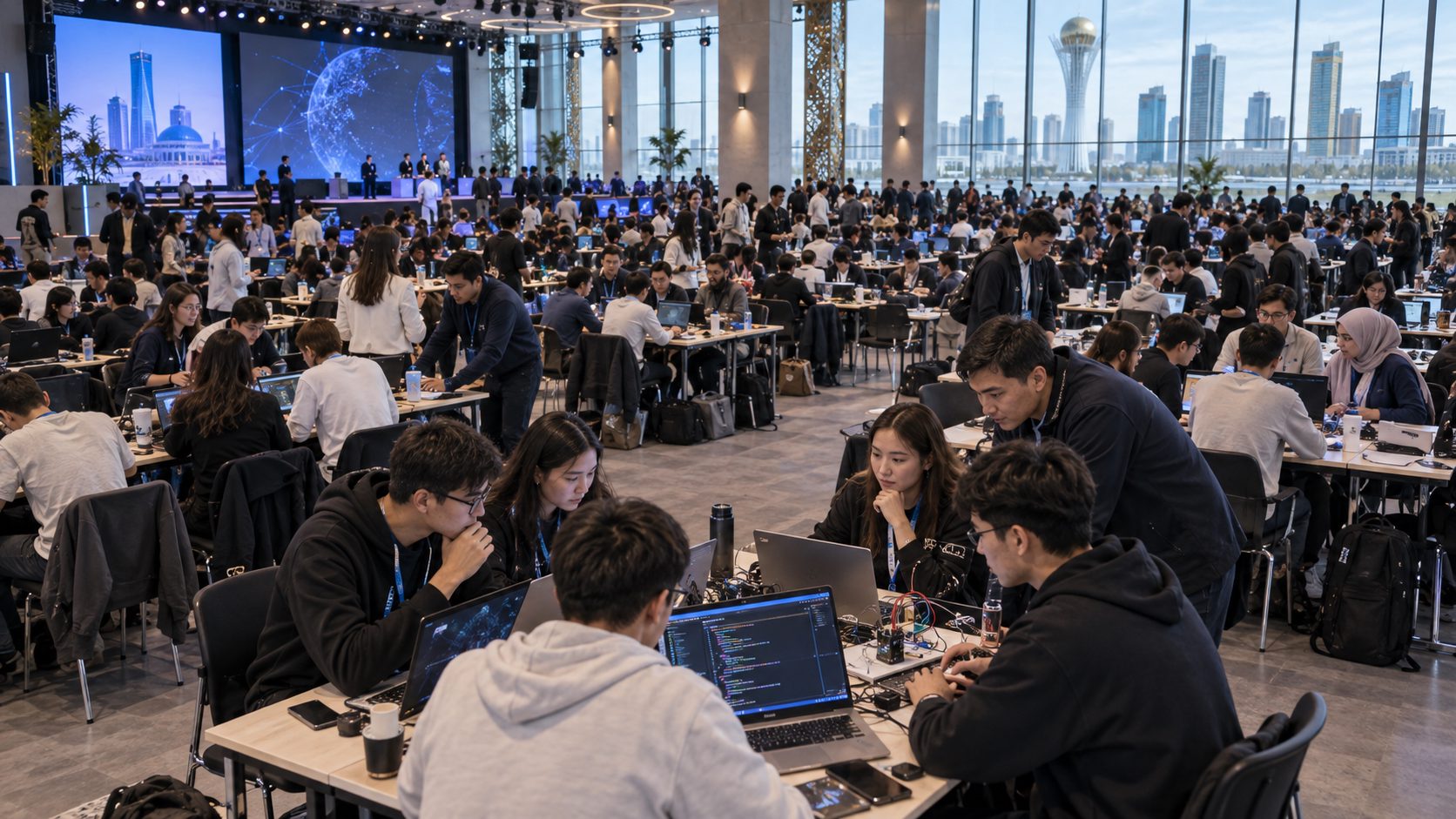
Astana’s HackAlem AI gathered 2,415 verified participants and earned a Guinness World Records title for the largest AI hackathon. The previous mark was 2,089. We explain how attendance was verified, why headcount alone does not measure solution quality, and what teams need if their prototypes are to become pilots and working products.
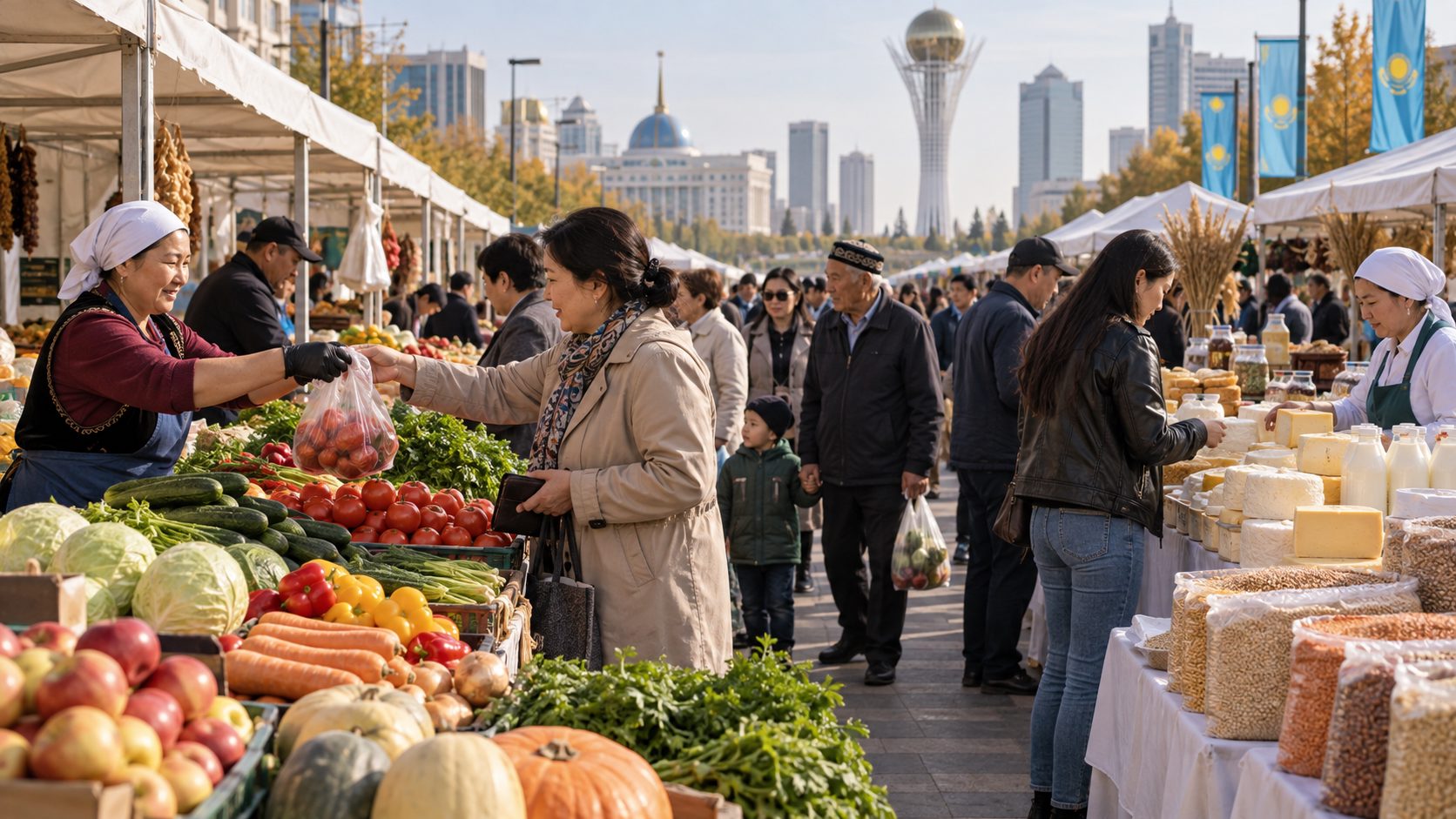
Around 3,500 tonnes of domestic farm produce were offered at Dala Dämi fairs across Kazakhstan this weekend, nearly twice the previous week’s volume. We explain how direct sales and free stalls are intended to help farmers, why delivered volume is not the same as sales, and which figures are needed to measure any effect on household food costs.
Kazakhstan’s foreign minister held talks with counterparts from Cyprus, Georgia, and Romania during the 81st UN General Assembly. Energy, investment, transport, logistics, and the Middle Corridor were on the agenda. Here is what the official record confirms and which practical steps are still needed before the meetings produce measurable results.


 World