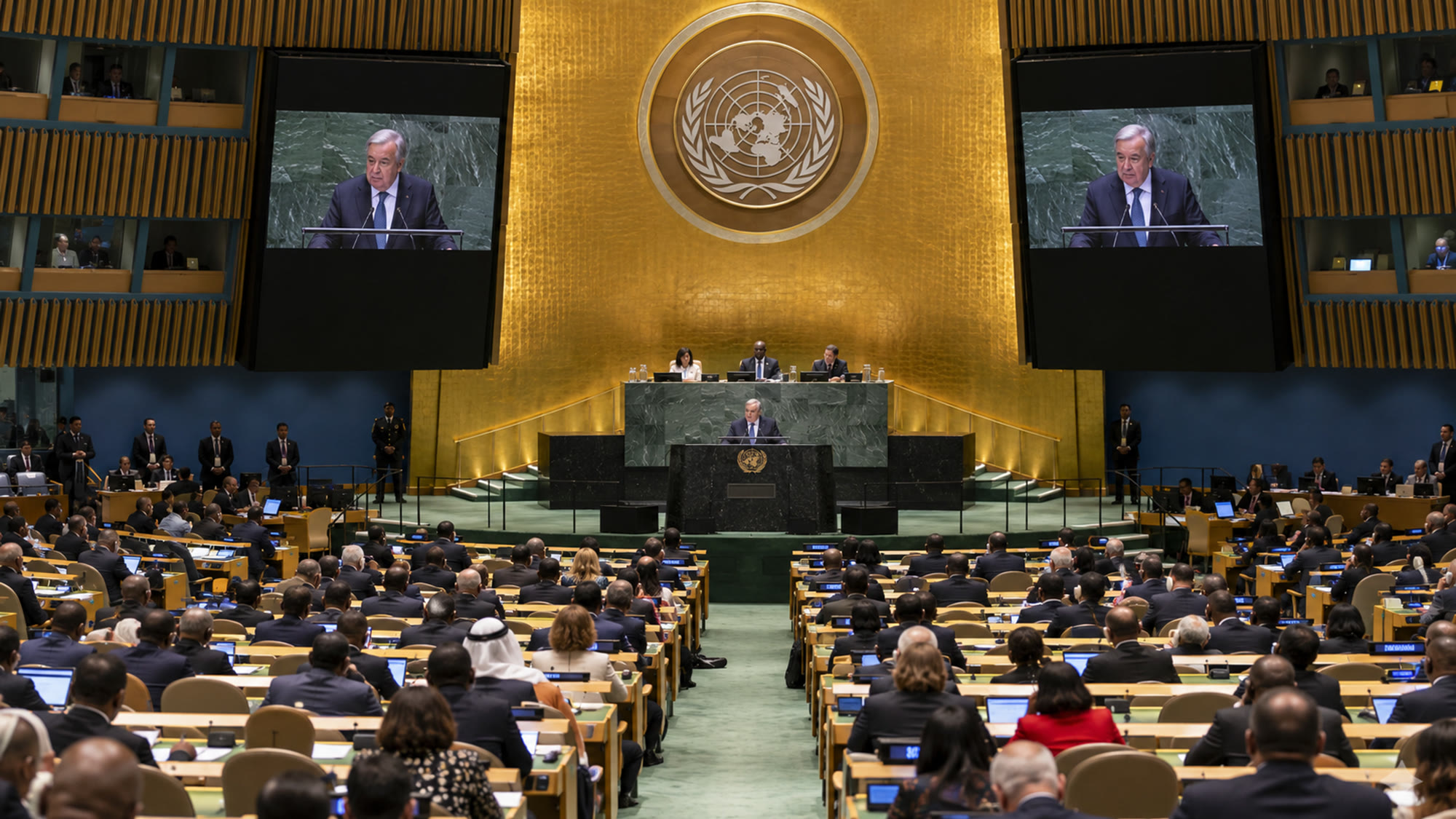
The UN General Assembly closed its High-Level Week with a meeting on the total elimination of nuclear weapons. Against wars and strikes on nuclear infrastructure, states returned to safeguards, arms control and the principle that a nuclear war cannot be won and must never be fought.
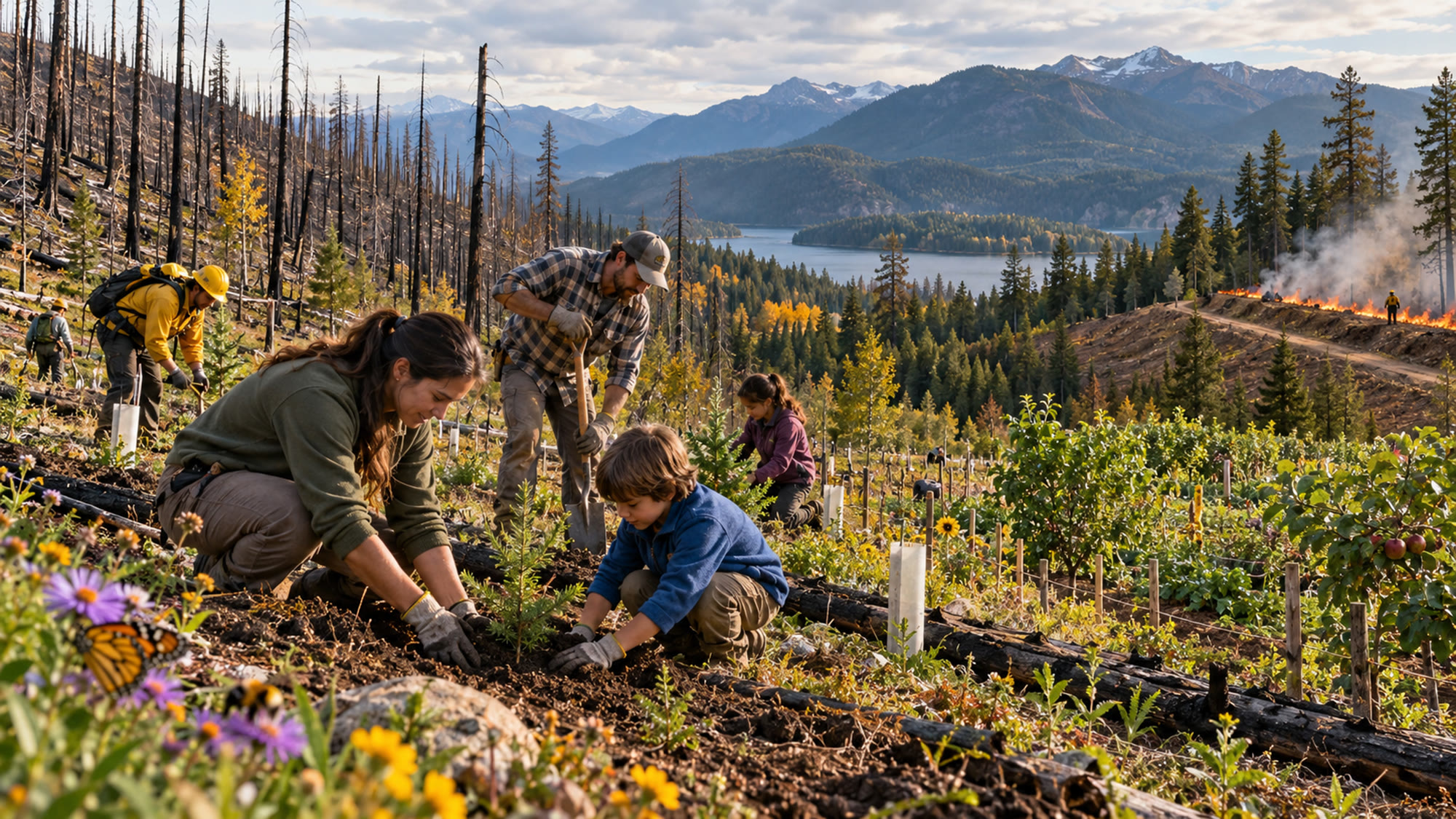
FAO's new report estimates 1.56 billion hectares of degraded land, including 460 million hectares of forest land. Ninety-one countries have pledged to restore 190 million hectares, linking the task to food security, rural income, climate resilience and wildfire protection.
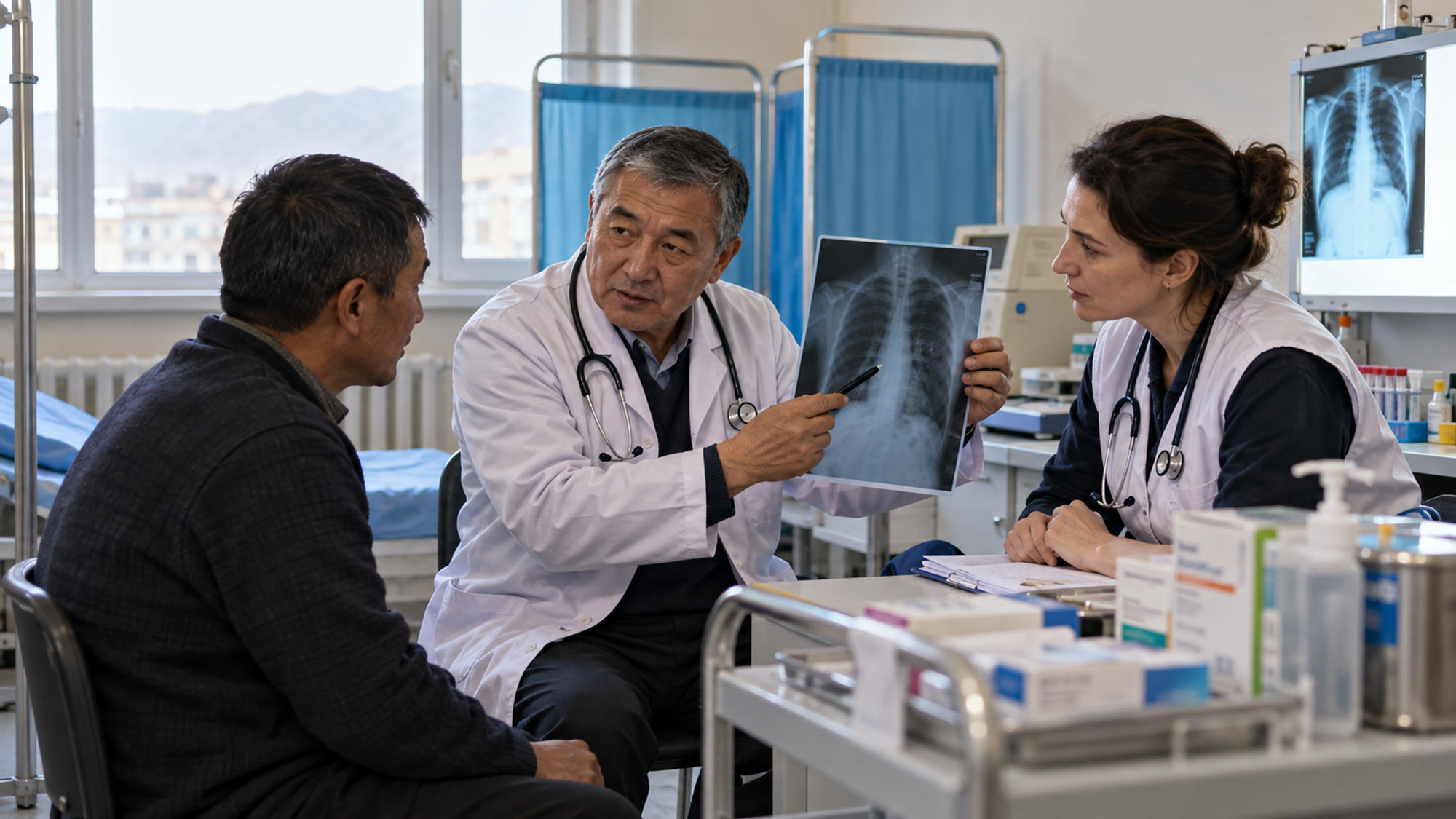
WHO Europe and Médecins Sans Frontières are strengthening care for people with tuberculosis and HIV across Eastern Europe and Central Asia. The practical priorities are early diagnosis, drug resistance, uninterrupted treatment and a patient pathway that does not break between institutions.
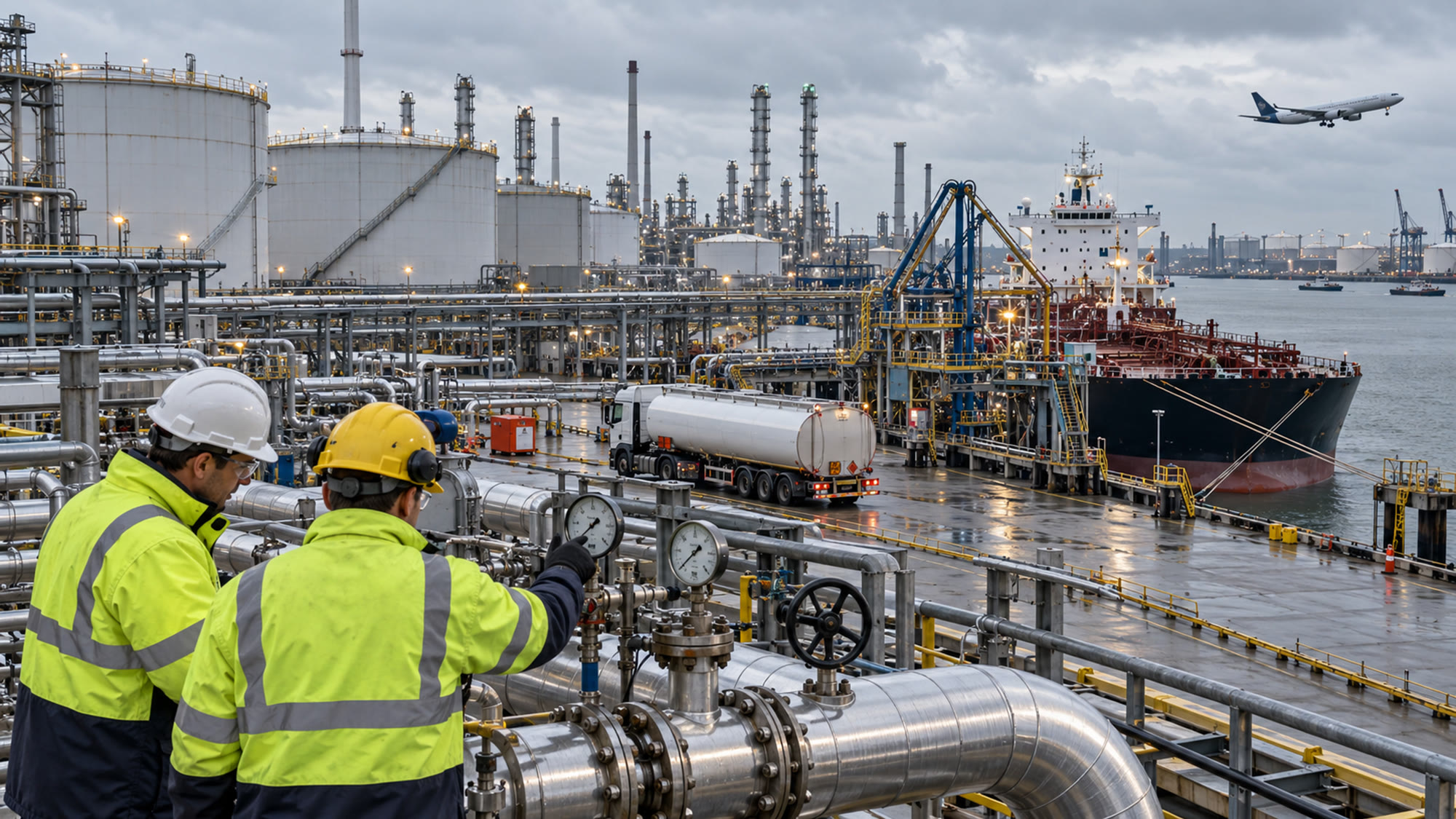
The European Commission says EU oil supply remains stable while diesel and jet fuel prices stay high. Stocks at the Amsterdam–Rotterdam–Antwerp hub are below their five-year average, refineries are running near capacity and emergency reserves remain available if disruption worsens.
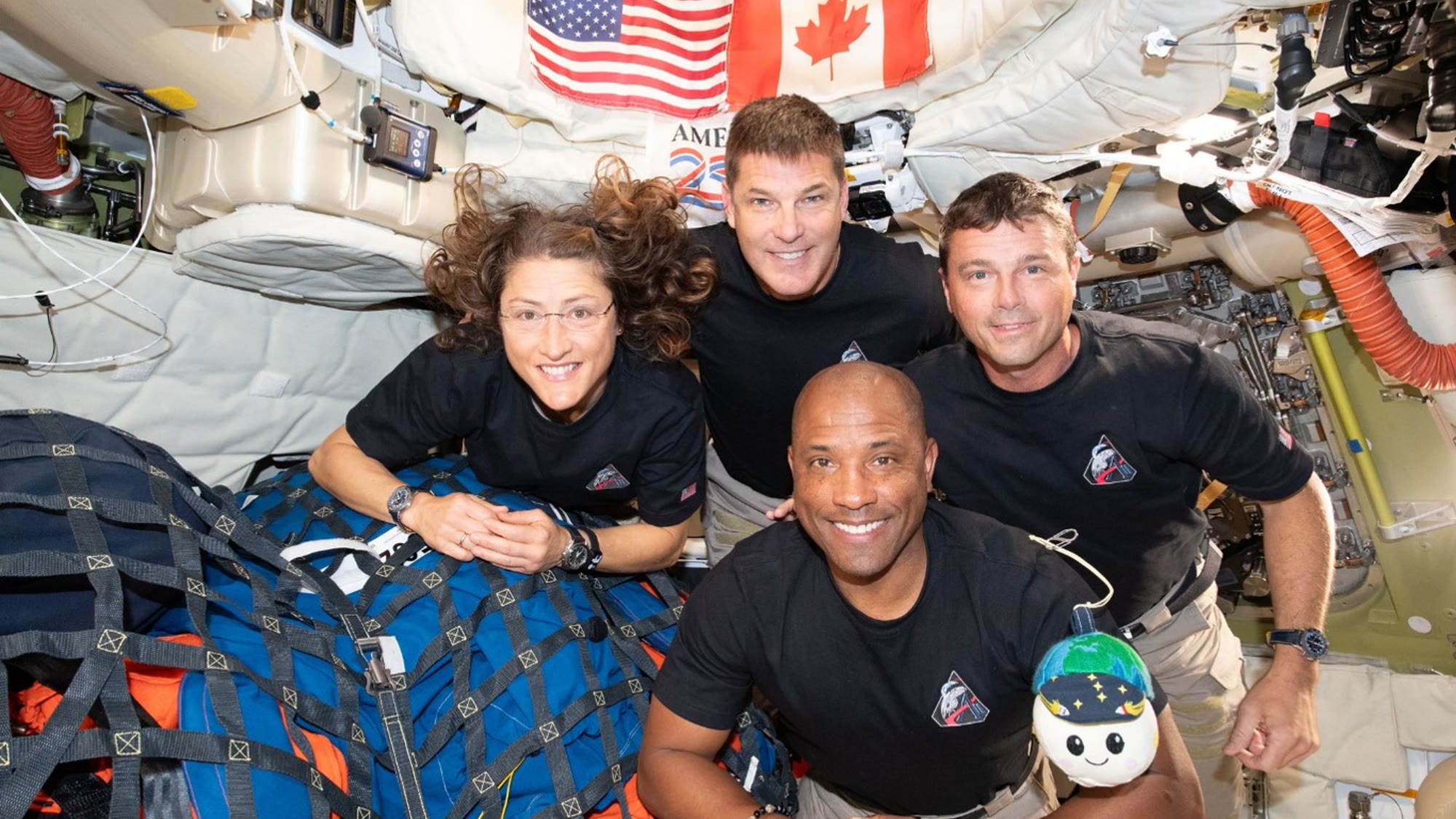
The Artemis II crew will speak in Houston on 30 September after the first crewed Orion flight around the Moon. NASA says they traveled 252,756 miles, or about 406,772 kilometers, from Earth, surpassing Apollo 13's human-distance record set in 1970.
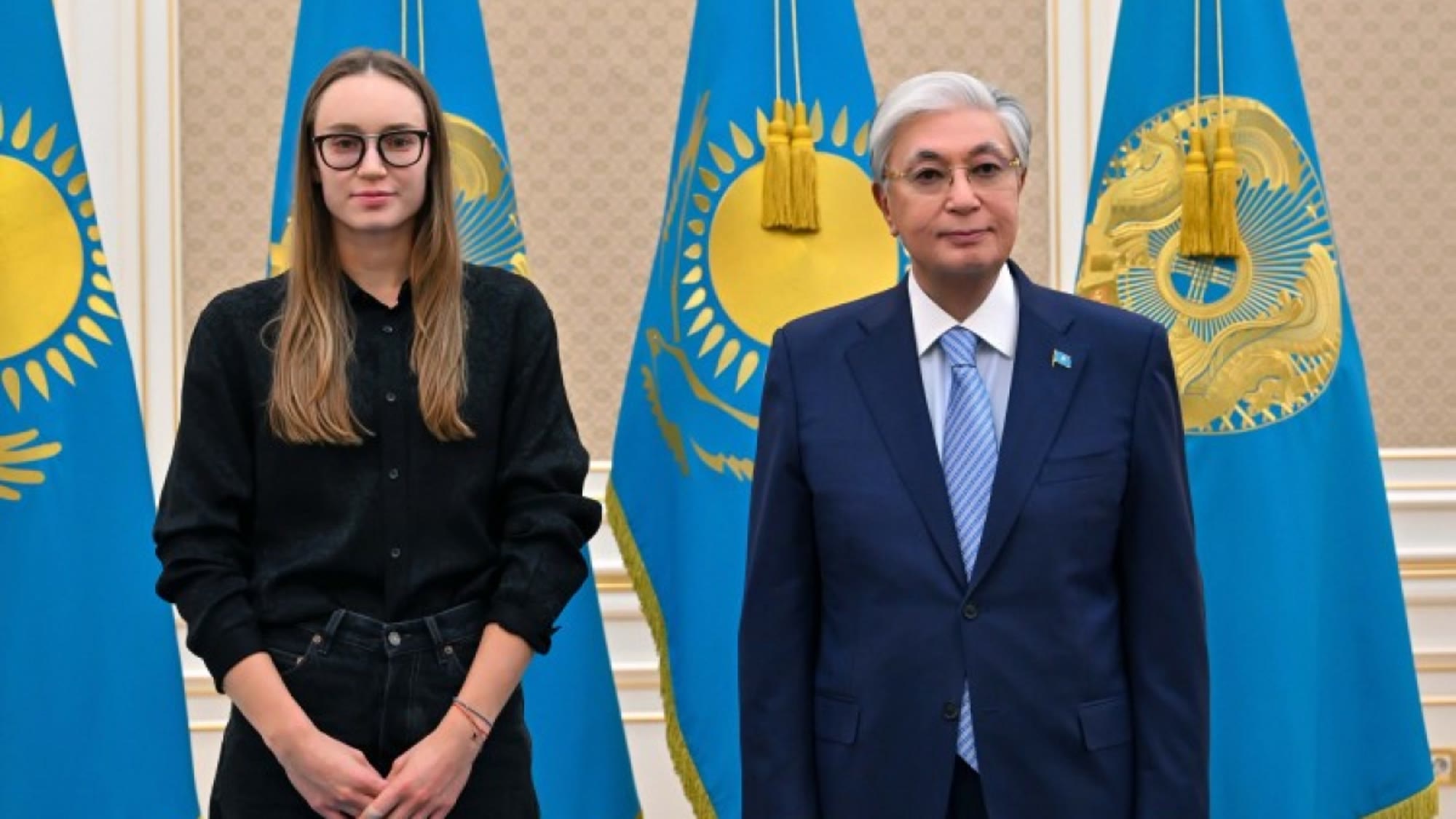
President Kassym-Jomart Tokayev congratulated Elena Rybakina on winning the 2026 US Open and becoming world No. 1. She presented him with the signed racket used in the championship match; the next question is how Kazakhstan can turn individual success into accessible junior tennis.
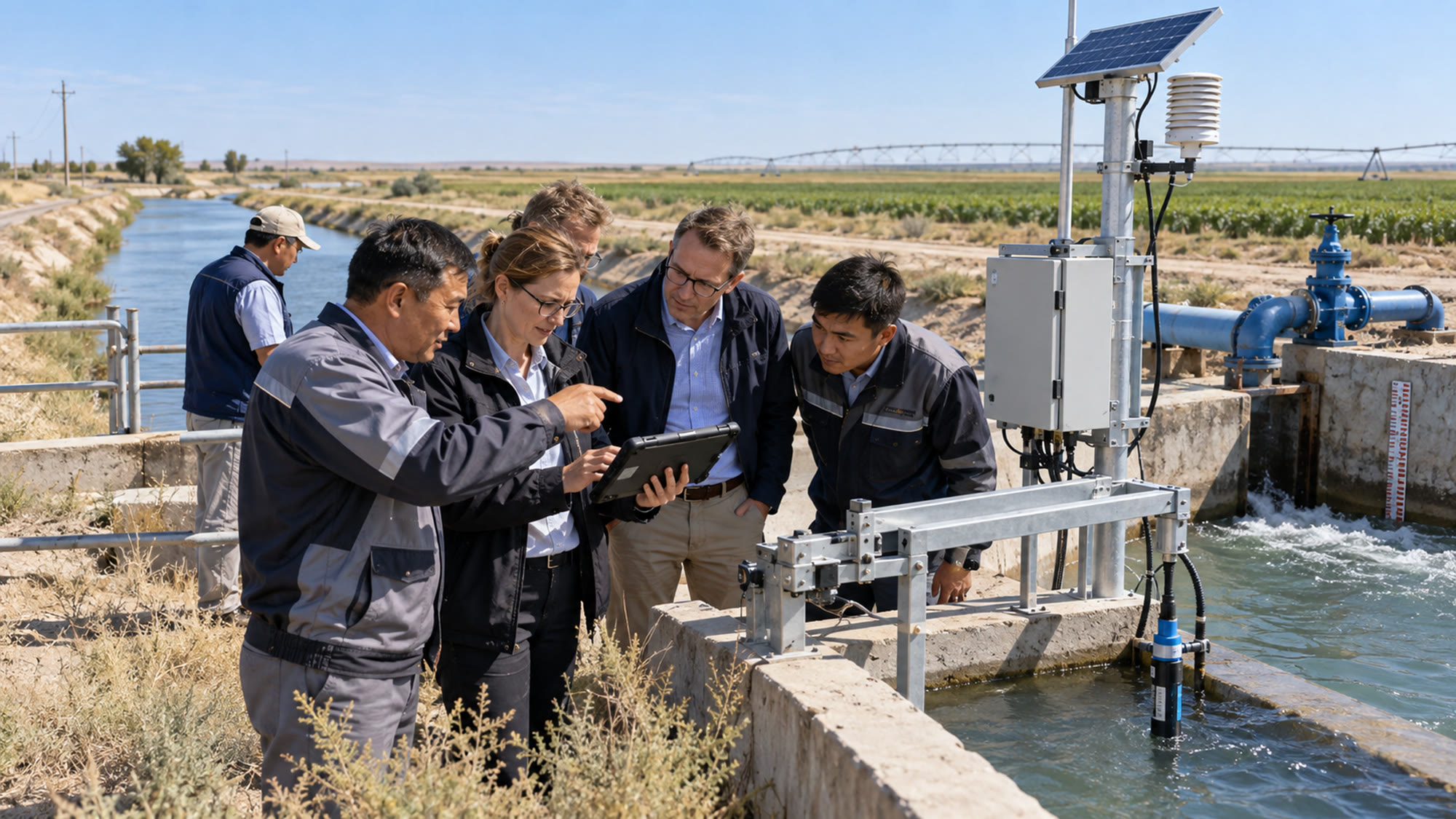
Kazakhstan and Germany are discussing a joint water hub for technology exchange, digital metering and pilot projects. It will matter if sensors, models and engineering expertise produce measurable results: lower canal losses, more precise irrigation and transparent water use.
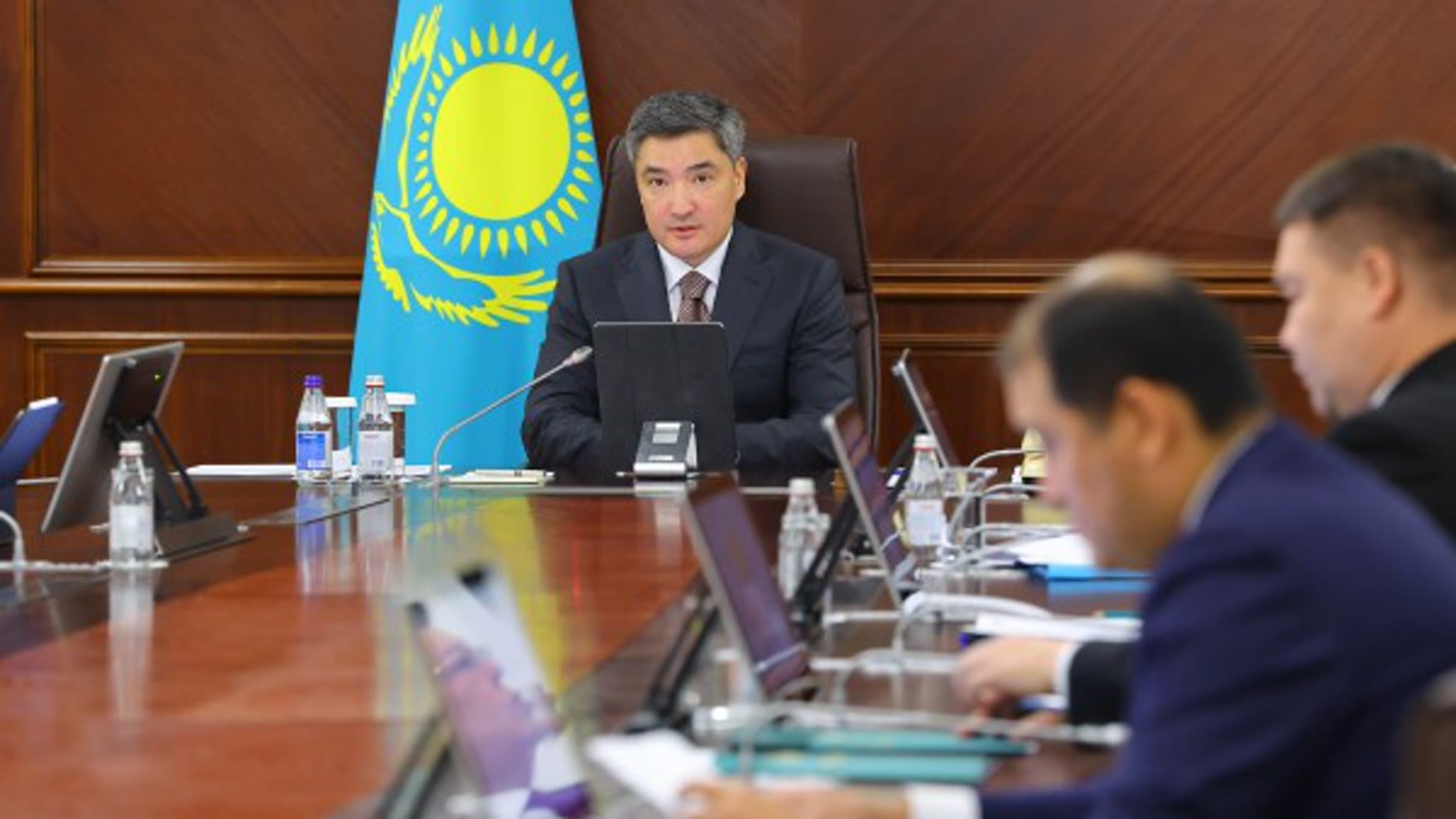
The government reports 99% readiness of heating networks and says heat is already flowing in five regions. Plants hold 4.9 million tonnes of coal and 127,000 tonnes of fuel oil, but Semey has completed only 82% of its plan, showing why local gaps matter more than a national average.
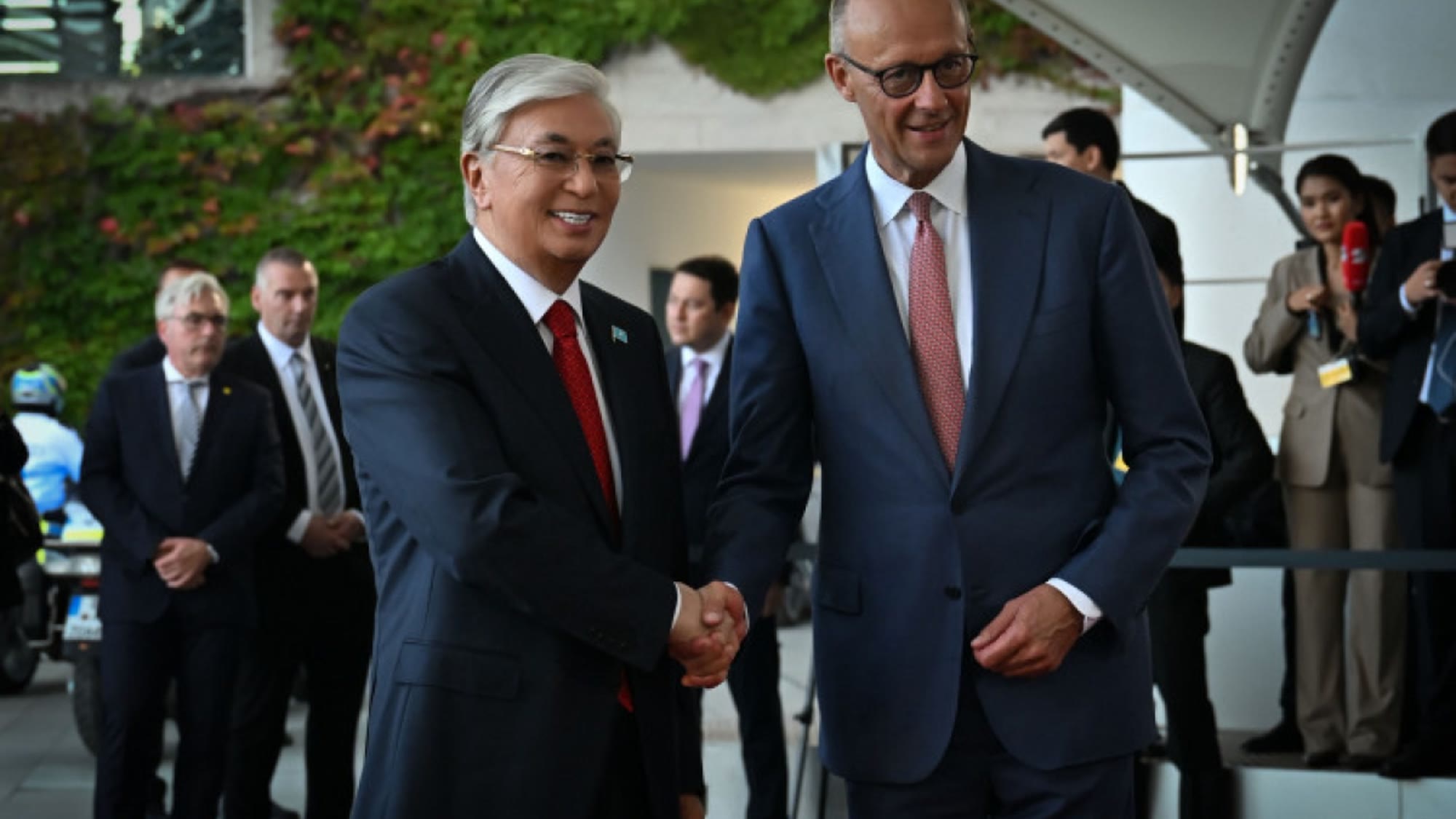
Talks in Berlin produced a portfolio of 40 industrial projects worth about $54 billion. Critical-mineral processing, localized production, energy, transport and investor protection lead the agenda; the next meaningful measure will be financed plants, deadlines and output inside Kazakhstan.
KazHackStan 2026 has brought 10,000 participants from seven countries to Astana to discuss critical infrastructure, deepfakes and AI-assisted attacks. Kazakhstan says it has identified more than 400 critical digital facilities and has proposed a national roadmap for post-quantum cryptography.


 Politics