

 IT
IT
pytest tests: verify the pipeline's promises
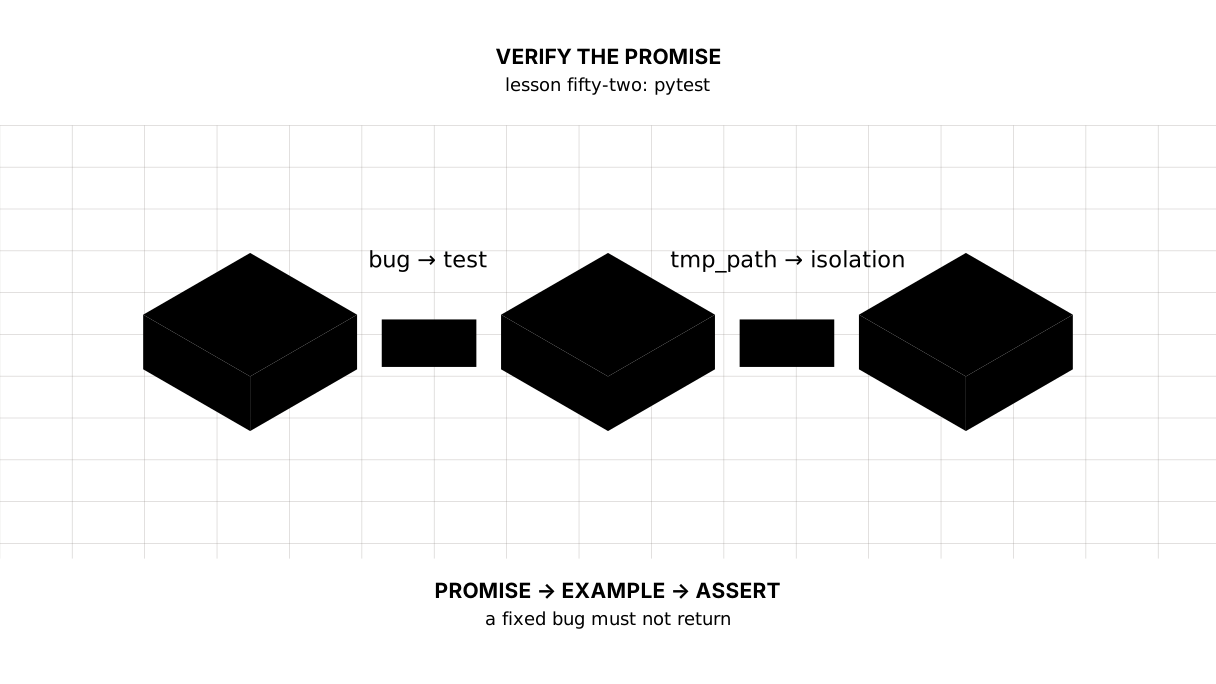
Lesson fifty-two of the Python course. Turn project rules into automated tests: check the normal case, boundaries, and expected failures, then run the whole suite with one command.
Publishing archive
Monday
| Mon | Tue | Wed | Thu | Fri | Sat | Sun |
|---|---|---|---|---|---|---|
| 1 | 2 | 3 | 4 | 5 | 6 | |
| 7 | 8 | 9 | 10 | 11 | 12 | 13 |
| 14 | 15 | 16 | 17 | 18 | 19 | 20 |
| 21 | 22 | 23 | 24 | 25 | 26 | 27 |
| 28 | 29 | 30 |
The highlighted days are the ones with something published; those are clickable.
IT
Lesson fifty-two of the Python course. Turn project rules into automated tests: check the normal case, boundaries, and expected failures, then run the whole suite with one command.
 IT
IT
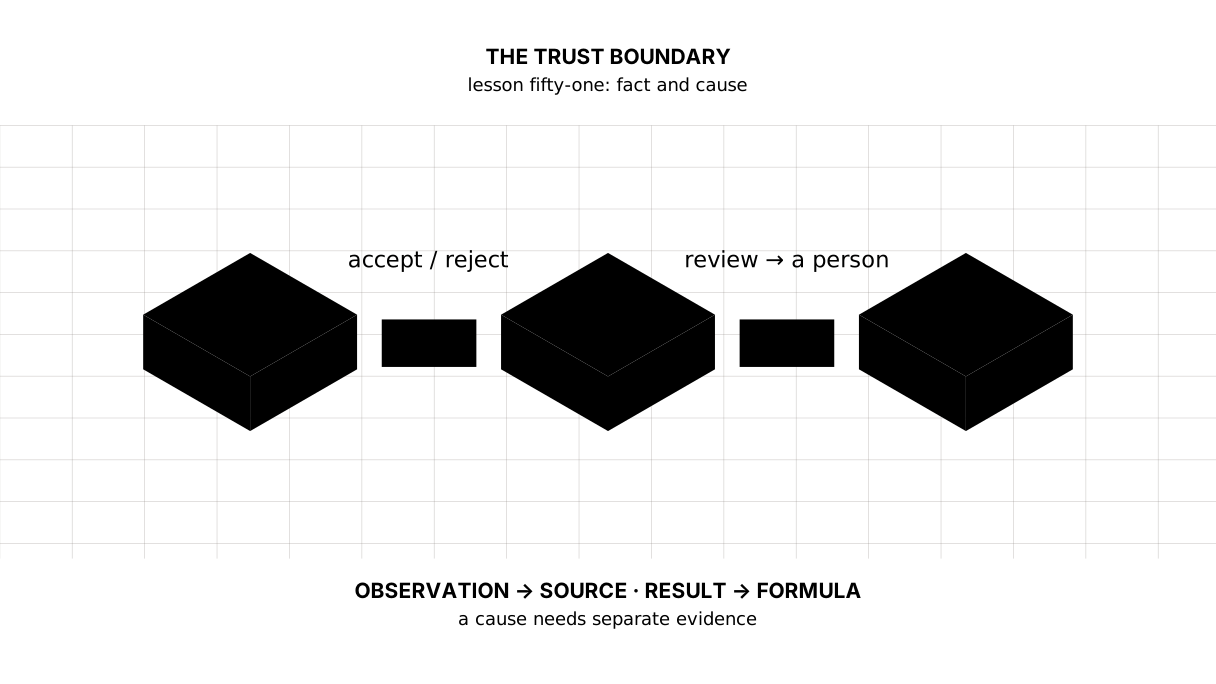
Lesson fifty-one of the Python course. Separate an observation, a computed result, and a causal explanation. Code can verify a value and reproduce a calculation, but plausible causal prose remains a hypothesis until it has independent evidence and human review.
 IT
IT
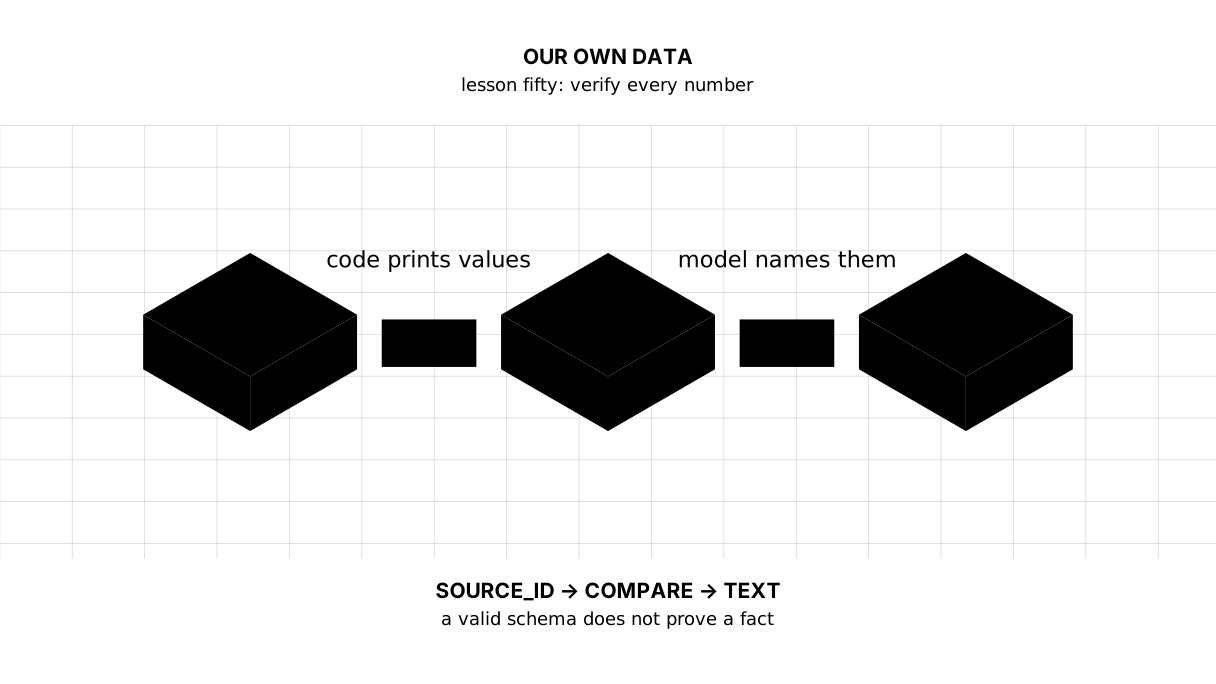
Lesson fifty of the Python course. Give the model a small table with stable source identifiers, accept structured claims, and compare every number with its source row. The model proposes wording; our code inserts the verified value, unit, and year into the final text.
 IT
IT
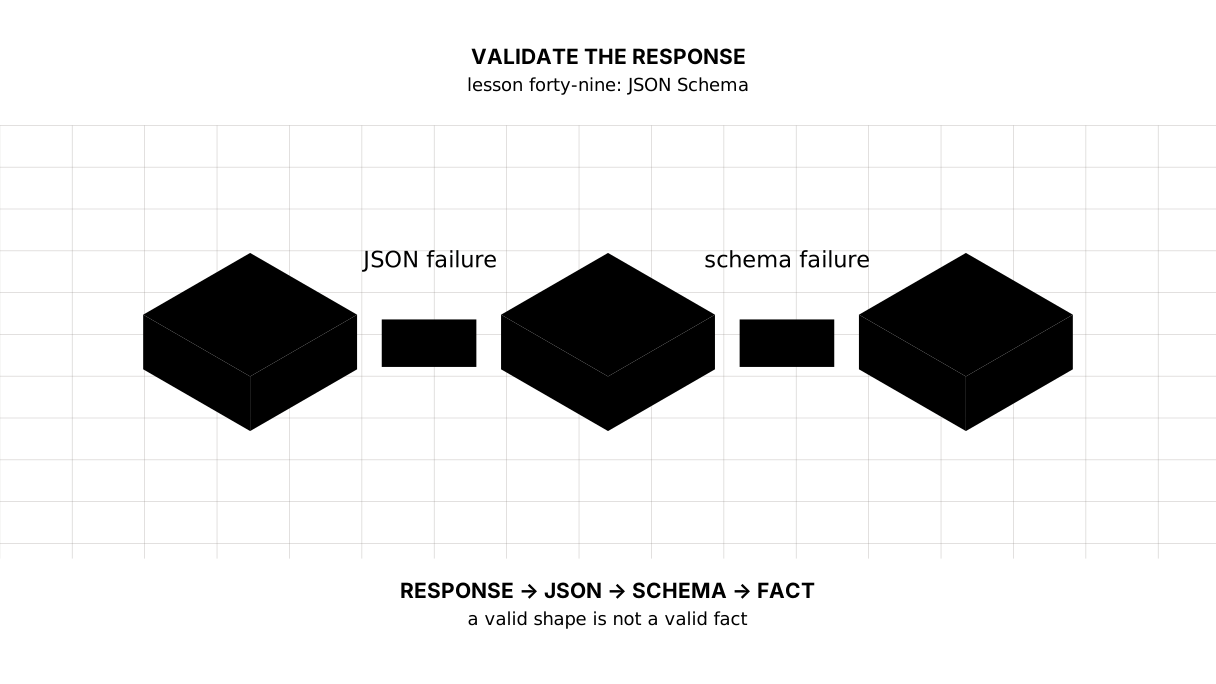
Lesson forty-nine of the Python course. Ask the model for JSON governed by a schema instead of free-form prose, parse it with the standard `json` module, and validate it with `jsonschema`. Three separate gates—syntax, structure, and facts—keep a plausible-looking error out of the report.
 IT
IT
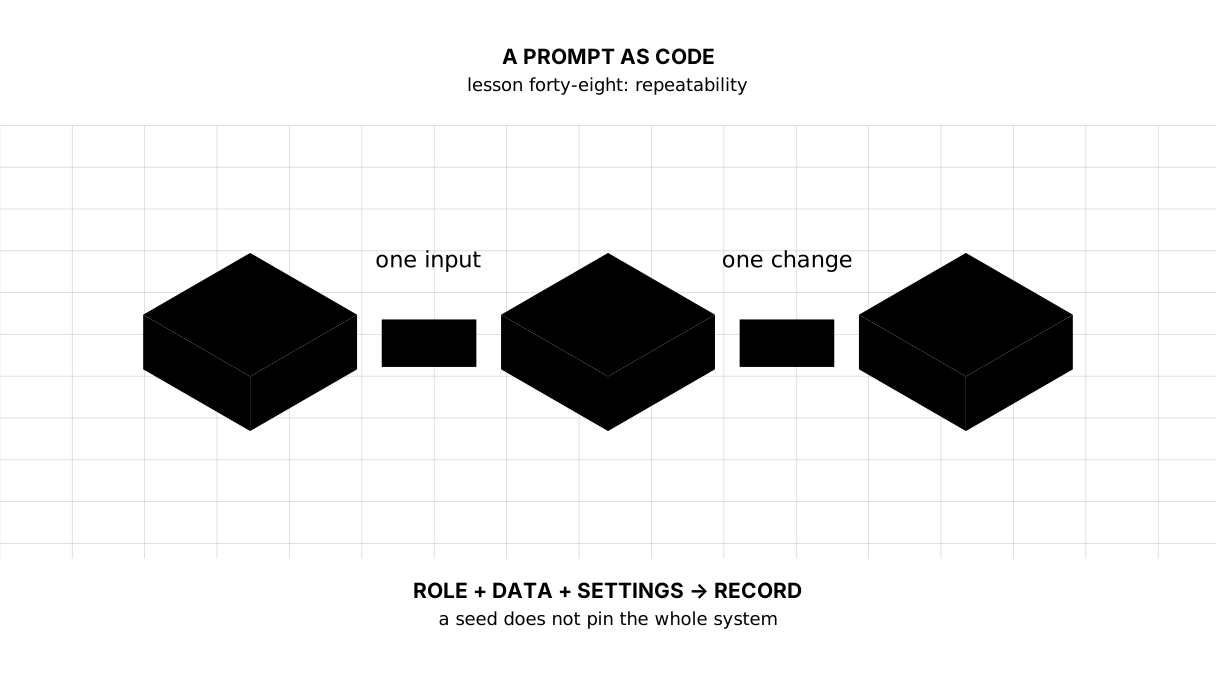
Lesson forty-eight of the Python course. Stop composing a model request as one disposable line: separate role, task, data, and constraints; pin temperature, seed, and an output limit; then store the whole request beside its result. An identical request becomes a repeatable experiment, not a promise of byte-for-byte identical prose.
 IT
IT
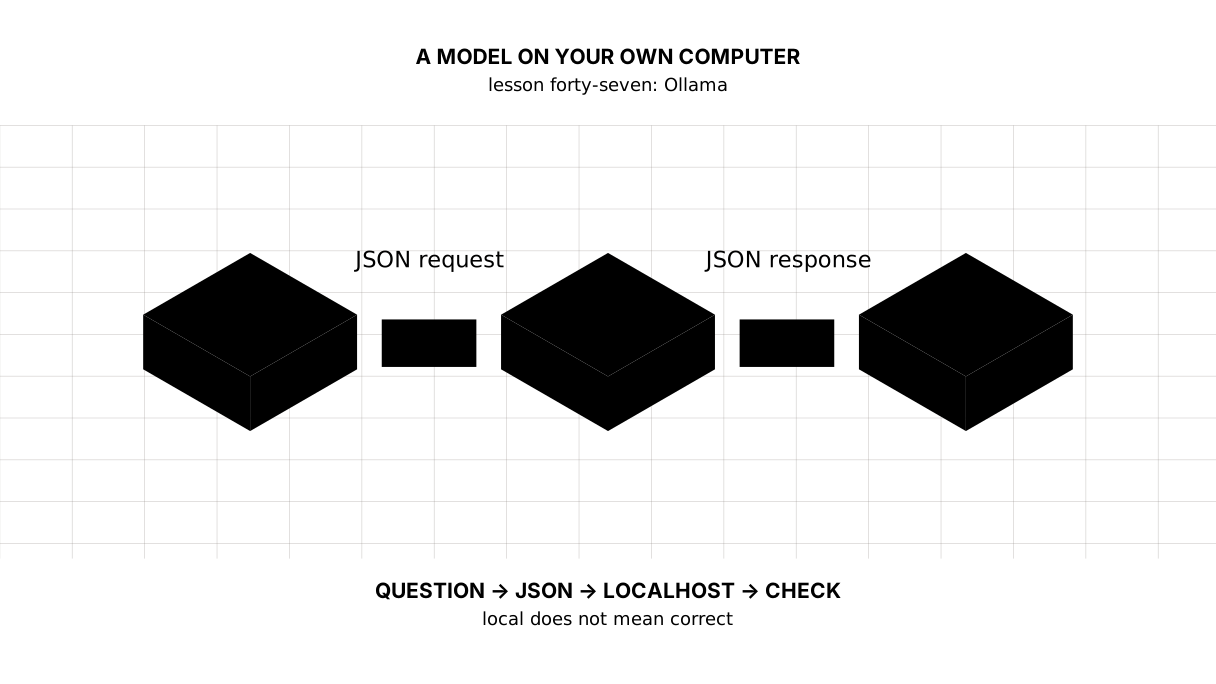
Lesson forty-seven of the Python course. Install Ollama, get a first answer without an API key, and follow the whole request: the program sends JSON to localhost, checks the HTTP response, and only then takes the model's text. The data stays on your computer unless you expose the local port yourself.