On 5 December 1994 in Budapest three near-identical papers were signed — with Ukraine, Kazakhstan and Belarus. Ukraine gave up 1,900 warheads, Kazakhstan 1,410. Both started from the same point: $1,483 per head there, $1,442 here. The difference turned out not to be money, but whether power ever retreated before the street.
From the height where borders disappear, no war looks like a clash of good and evil. The mechanism is always the same: a people is told it is chosen, the chosenness is sanctified by race, nation or God, and then they are sent to die for somebody else's wealth. Goering at Nuremberg, and where the machine breaks.
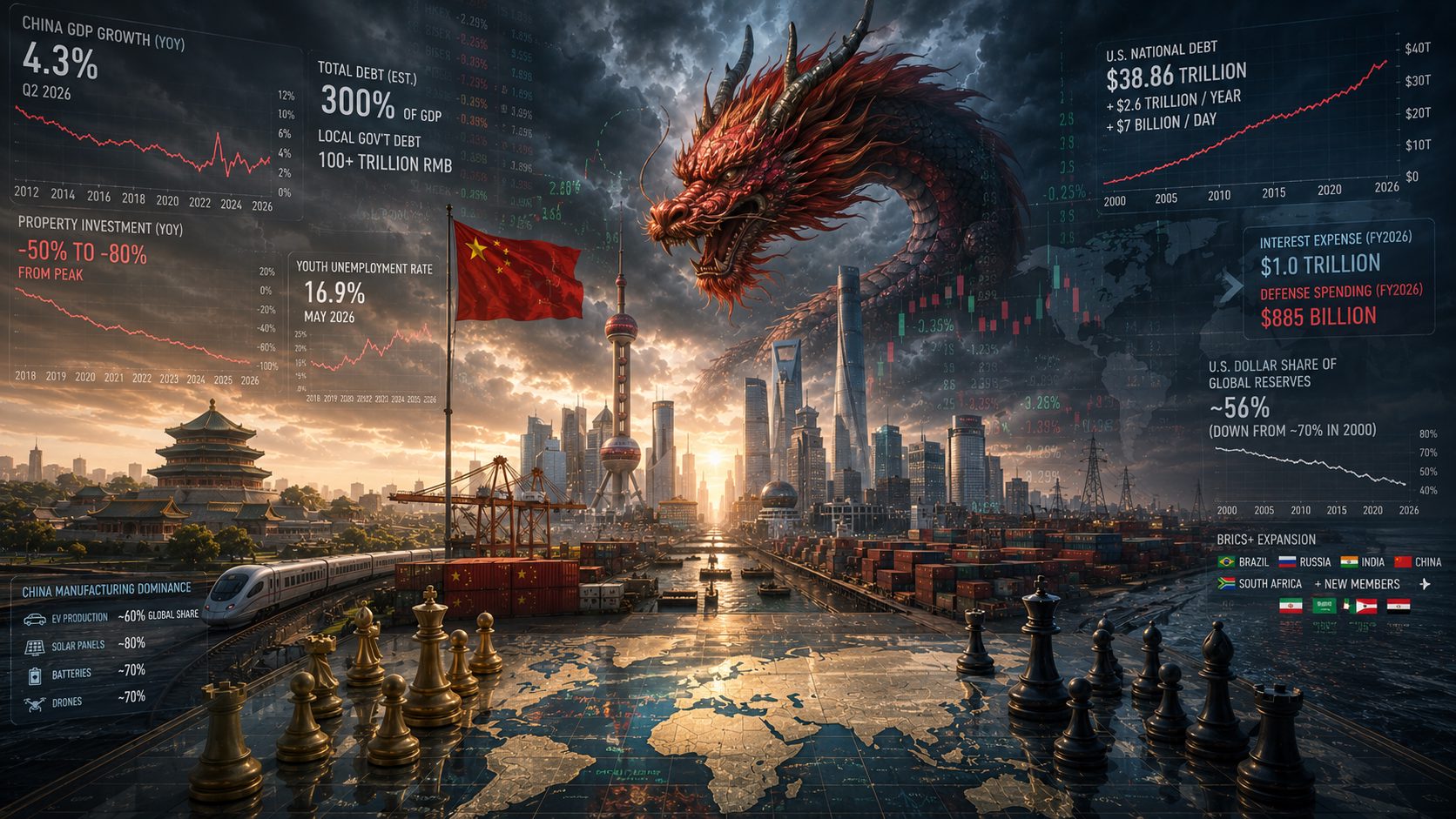
For thirty years the argument was when China would overtake America; in 2026 the question is whether it has already passed its peak. A rising power is patient; one that suspects time is against it becomes impatient. Four camps of experts and the blind spot of each, an independent diagnosis, and a forecast for 2026-2036.
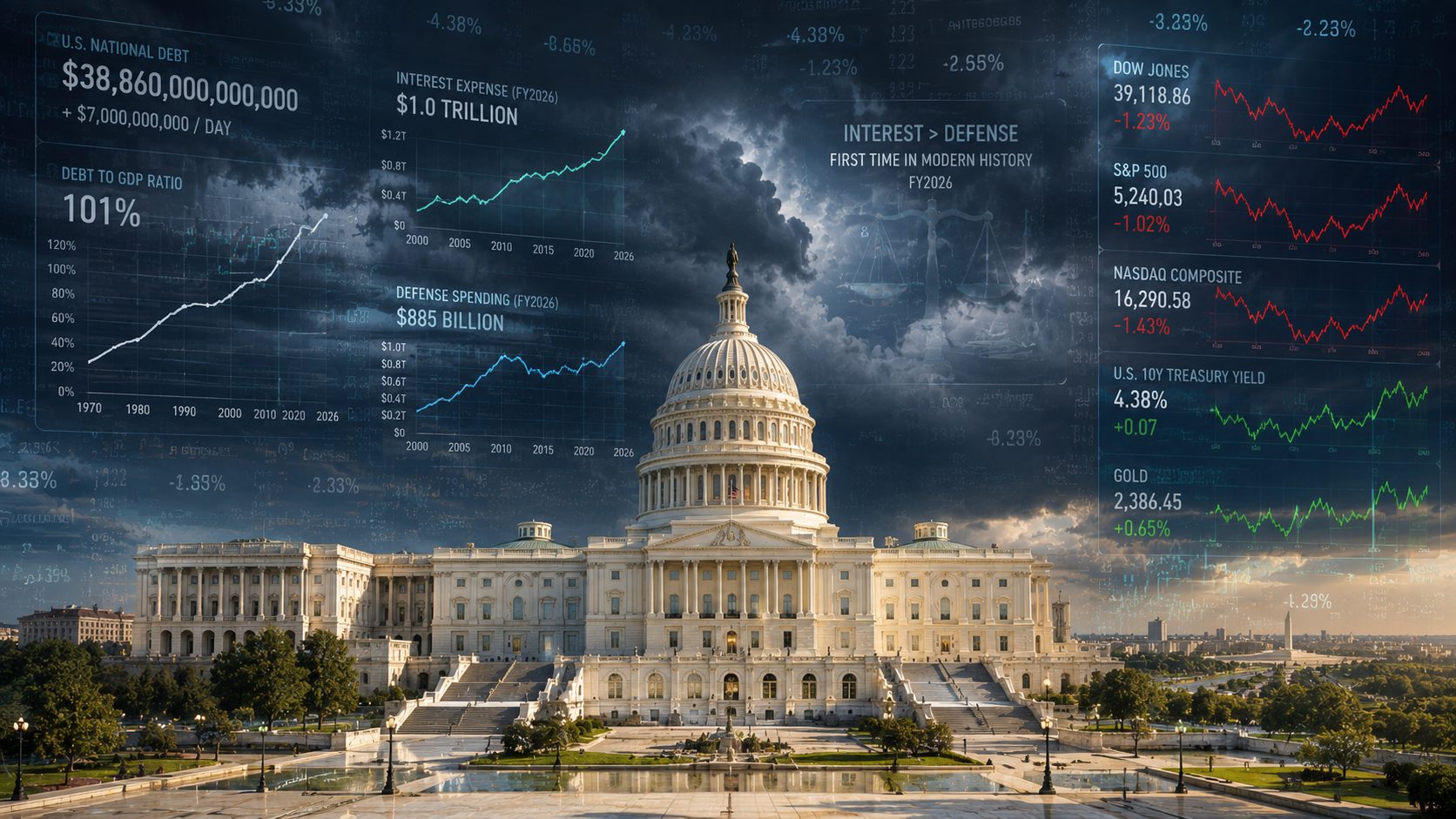
In 2026 the United States pays more on its debt than on its army: about $1.0 trillion in interest against $885 billion for defence. The federal debt stands at $38.86 trillion and grows by $7 billion a day. No great power that crossed this line stayed great for long — Spain, France, Britain. What that means for 2027–2035.
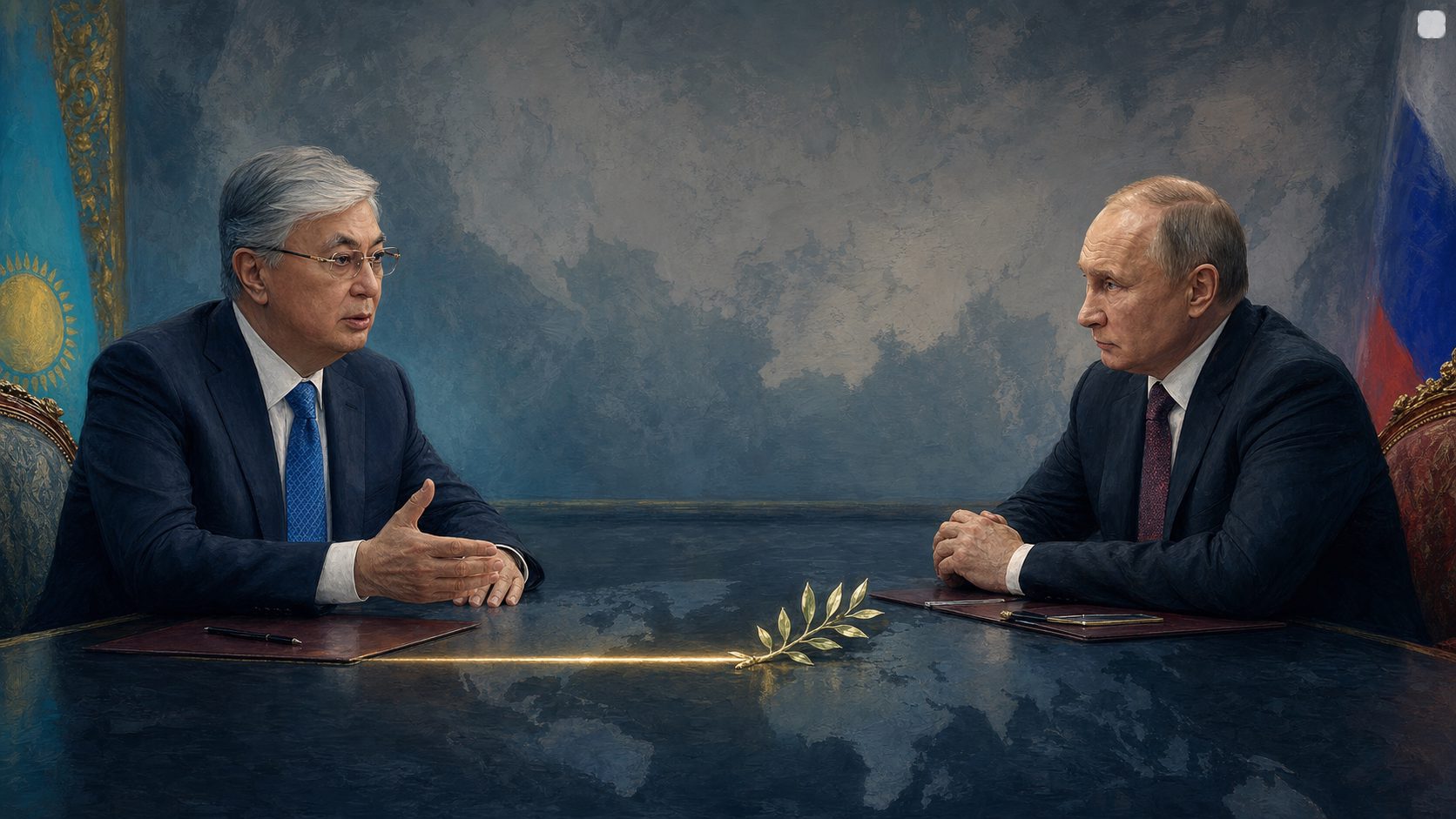
In Omsk, seated beside Putin, Tokayev proposed freezing the war in Ukraine and returning to the Istanbul Formula 2.0. Why this is not a pivot away from Moscow, and why it is not only about humanity: about 80% of Kazakhstan's oil exports run through the Caspian Pipeline Consortium to a terminal near Novorossiysk.
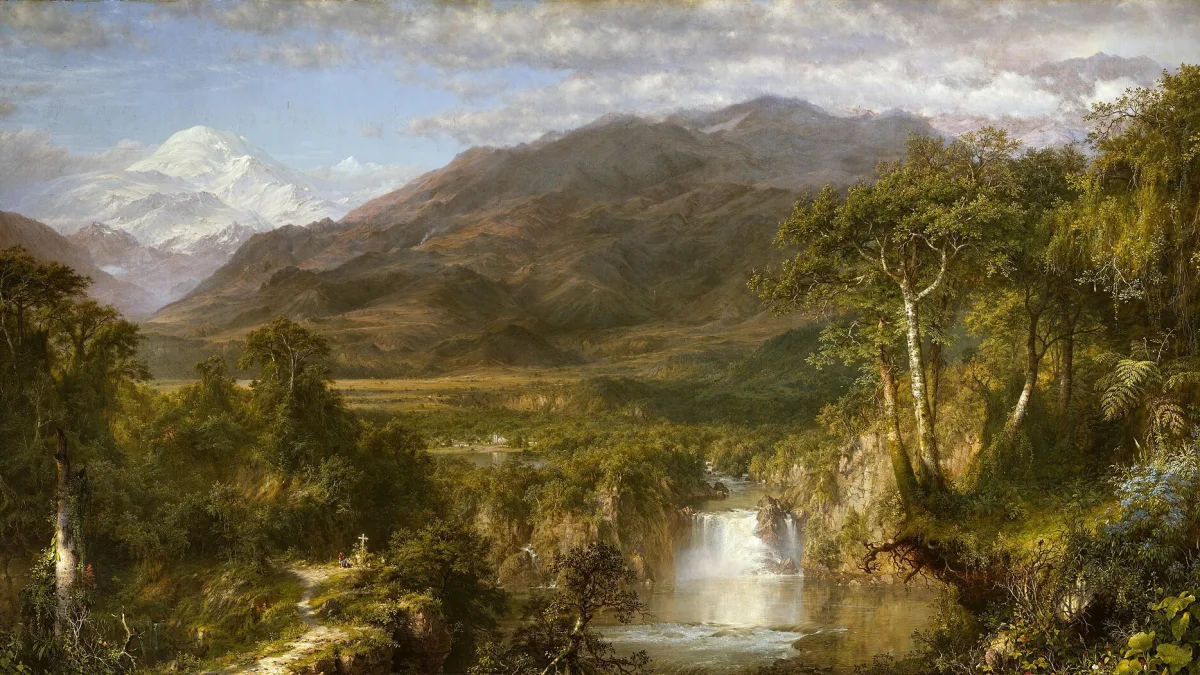
There are places — the peaks of the Andes, the depths of the Amazon — where a person feels small for the first time in a long while. That is not humiliation but medicine. A city is built so that a person feels like the centre of the world; nature was here before us and will be here after. And people protect not what is useful but what they love.
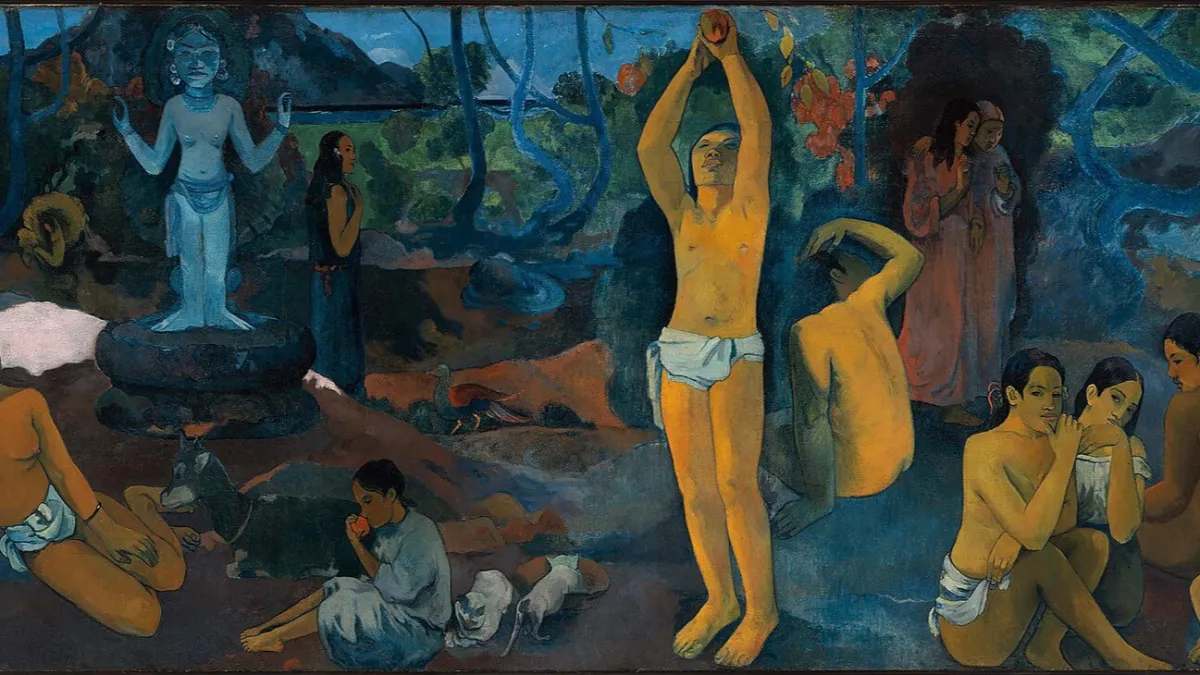
Having sailed to a distant island in Oceania, Gauguin painted a vast canvas and signed it with three questions: where do we come from, what are we, where are we going. He fled civilisation and found that these questions cannot be outrun: they live not around you but inside you. People who have an answer to why can bear almost any how.
The confrontation between the United States and Iran has run for decades and flares up periodically, yet no large direct war has happened. Deterrence works while both sides reckon the price of a collision higher than the prize. Sanctions, proxies and pinpoint strikes are ways to press without crossing the line where everyone loses.
On 16 July in Shanghai it was announced: more than 70 documents worth over $15 billion. Not one has a published breakdown, and neither a journalist nor a member of parliament can check what the figure is made of. The package mixes contracts with memorandums of intent. Different obligations entirely.
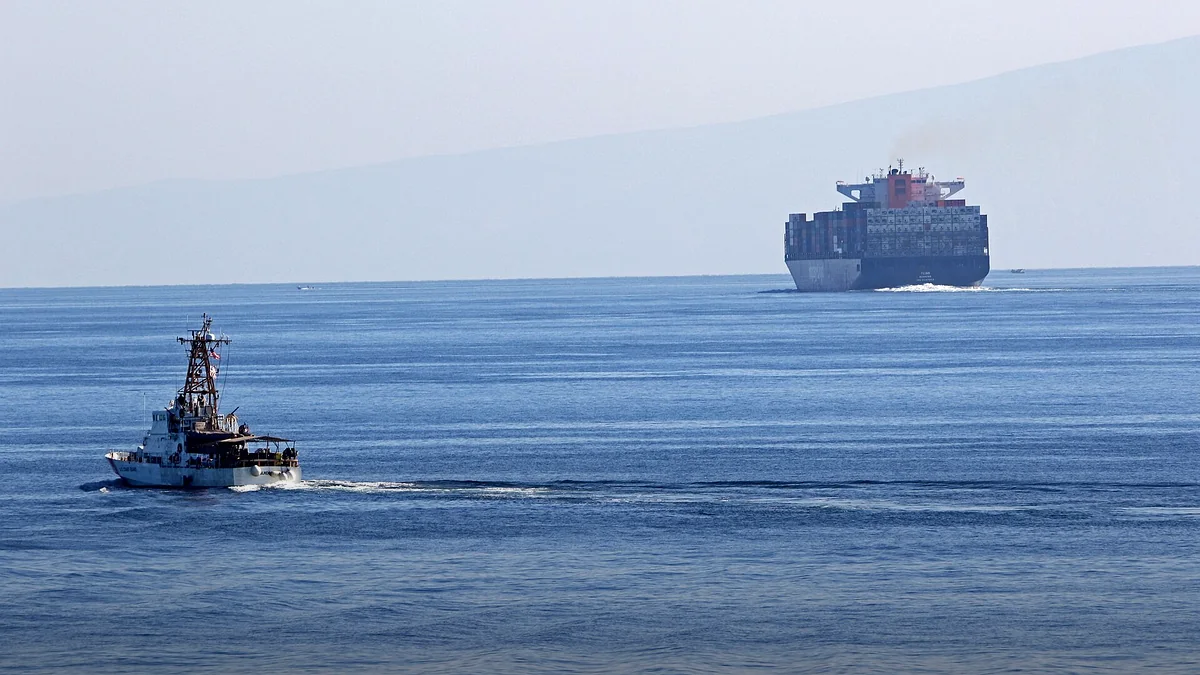
The sixth day of fighting in the war between the United States and Iran: strikes on bridges at Bandar-e Khamir, missiles at American allies including Qatar, Kuwaiti border posts hit. What is happening to the Strait of Hormuz, through which half the world's oil passes, and what it says about the fragility we built.
The European Union is buried with impressive regularity: every crisis is declared the beginning of the end. The design proved sturdier than the forecasts because it grew from a simple thought — countries that trade closely find it harder to go to war. Unions where one country decides everything fall apart sooner.
In the popular mind Africa is reduced to two pictures — poverty and wildlife. Neither is false so much as hopelessly incomplete. It is the youngest continent on the planet: half the population is under twenty. Many people without work are either an engine of growth or a source of instability. The outcome is not yet decided.
Central Asia is often spoken of as somebody's periphery. It is enough to look at the map without the centre-and-margin frame: for centuries roads, ideas and goods between East and West passed through this region. A crossroads is a position of strength. But it carries a temptation — to serve other people's routes.
A century ago textbooks condescendingly called Asia the sleeping East. Today half of what you are holding was invented or made there. Step back two thousand years and the picture reverses: paper, gunpowder and the very numerals you count with came from there. The lag was the exception, not the rule.


 World
World