Authorities isolated 197 contacts after a patient died at Shelekhov District Hospital in Russia’s Irkutsk Region. Regional reports identify pneumonic plague, while the federal response still publicly uses “suspected highly dangerous infection.” We separate confirmed facts, unverified accounts and medical risk.
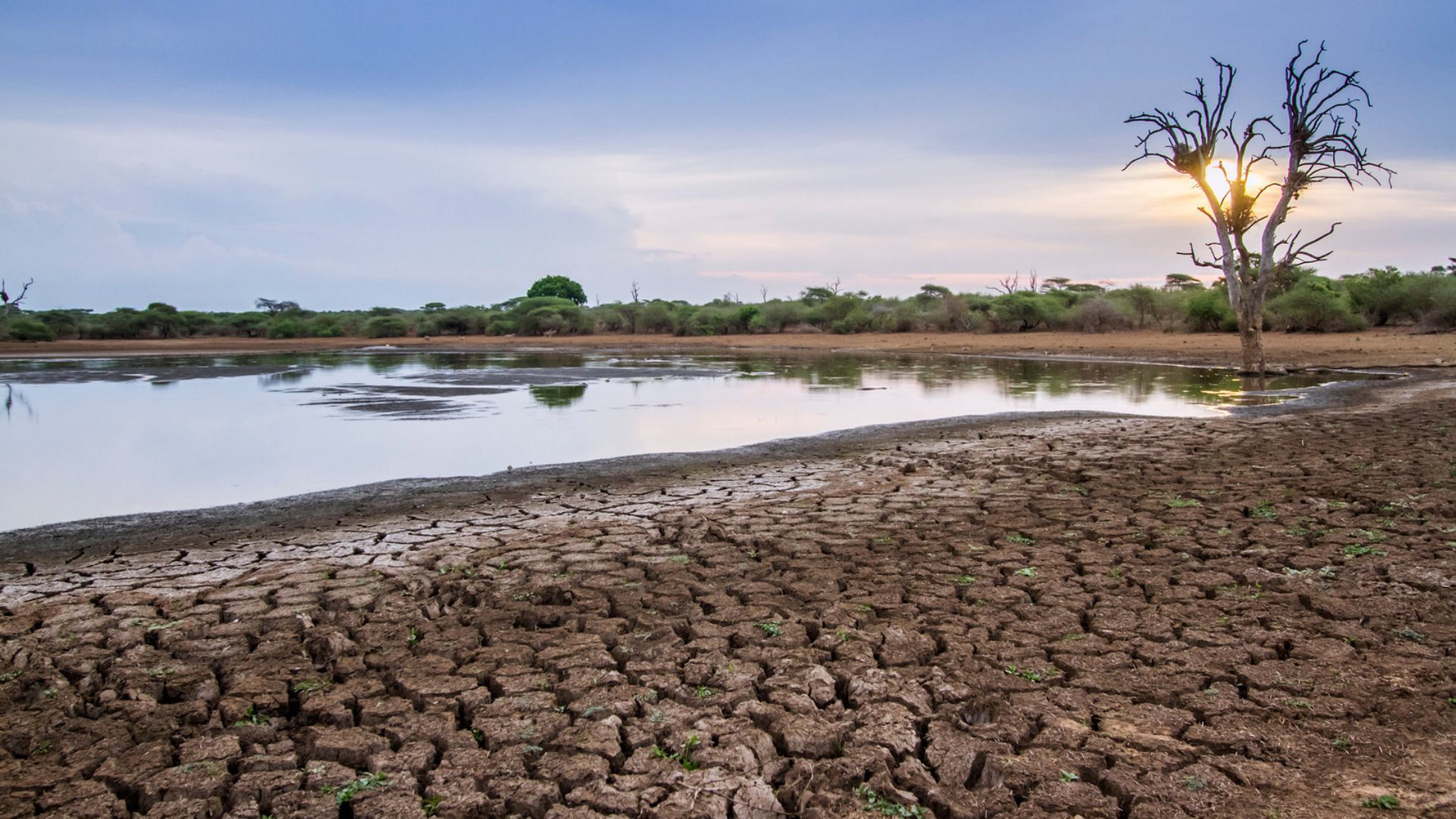
The World Meteorological Organization warns of sharply different risks across the South-West Indian Ocean: southern areas may face rainfall deficits, while the north sees higher odds of heavy rain, floods and landslides. The outlook runs to March 2027 and calls for local, multi-hazard planning.
Eurostat’s flash estimate shows inflation accelerating from 3.2% in August to 3.8% in September. Energy prices rose 18.8% year on year, putting renewed pressure on household budgets.
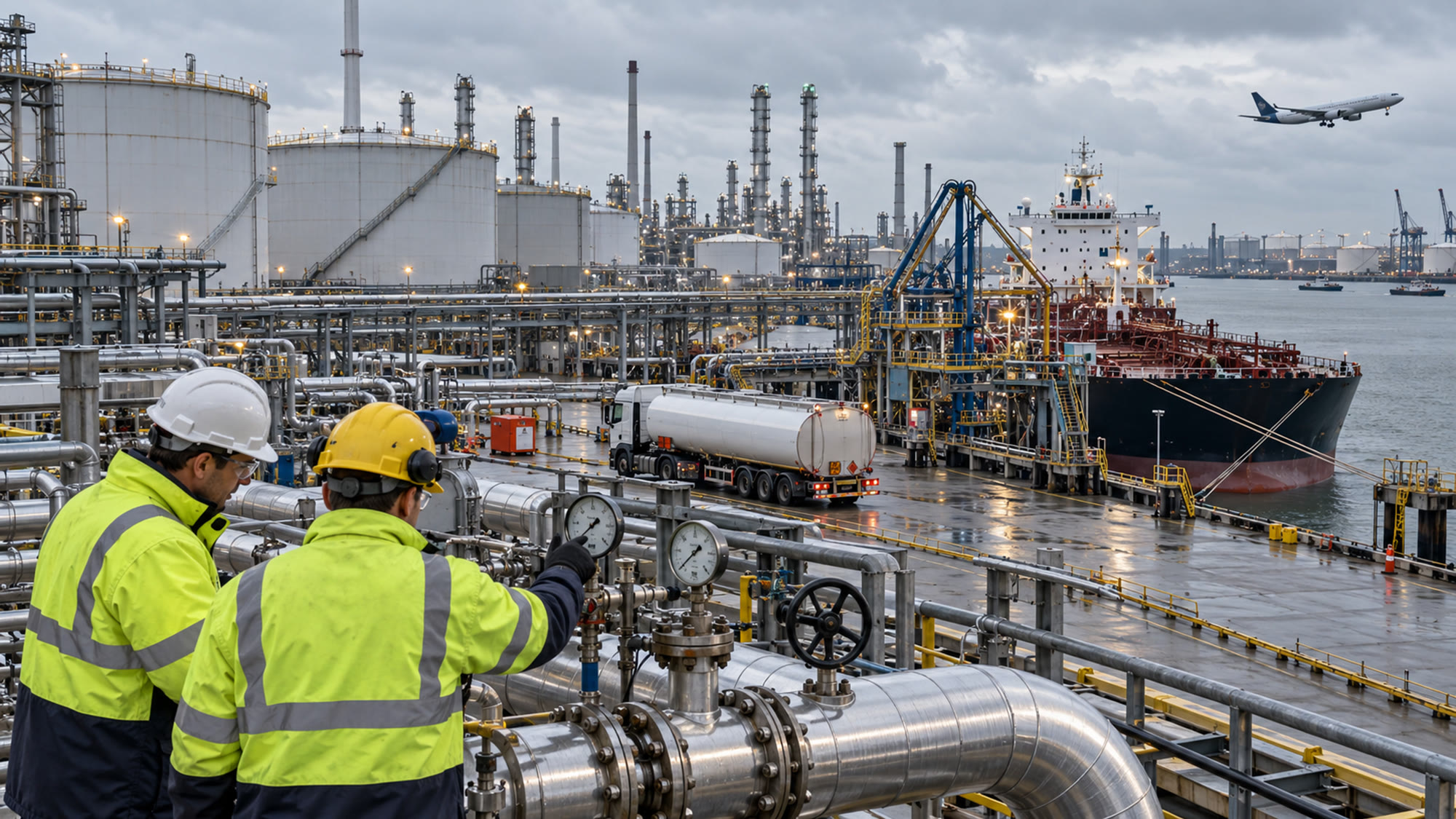
The European Commission says EU oil supply remains stable while diesel and jet fuel prices stay high. Stocks at the Amsterdam–Rotterdam–Antwerp hub are below their five-year average, refineries are running near capacity and emergency reserves remain available if disruption worsens.
A UNESCO dialogue in Hanoi examined authenticity across Asia-Pacific heritage. For a timber temple, a living historic district, or a place regularly renewed by its community, “preserve the original material” is not always sufficient. Tradition, function, craftsmanship, and memory may all carry value.
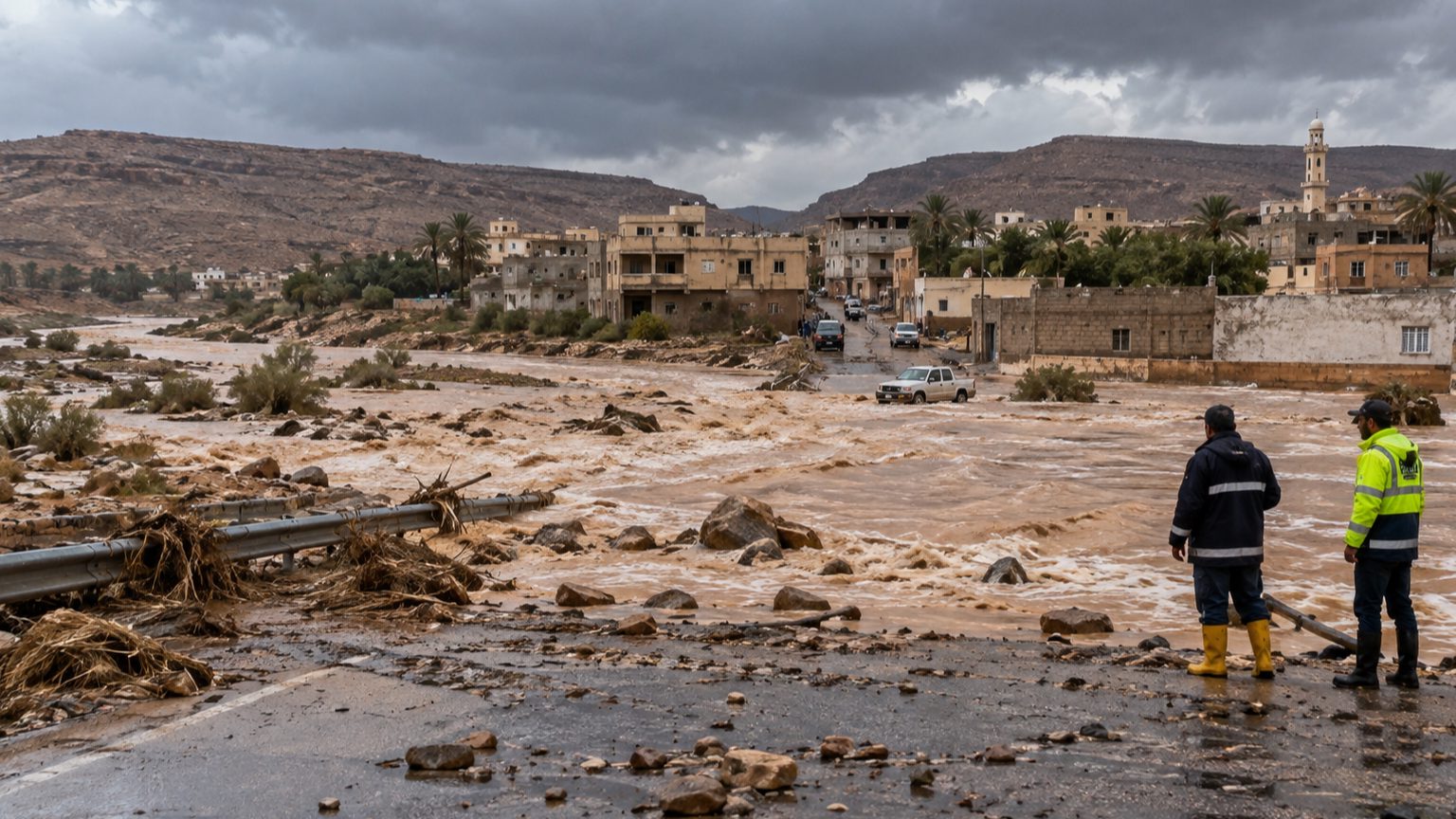
From September 18 to 26, strong storms shifted from northwestern and central Libya toward the southwest, causing runoff through dry valleys, flash floods, and standing water. In arid terrain, danger can travel down a channel from rain that fell far away, making early warnings especially important.
The European Board for Digital Services discussed child safety, election integrity and trusted flaggers under the DSA. Attention is turning to the proposed EU KIDS Act and to making platforms reduce systemic risks instead of placing the entire burden on parents.
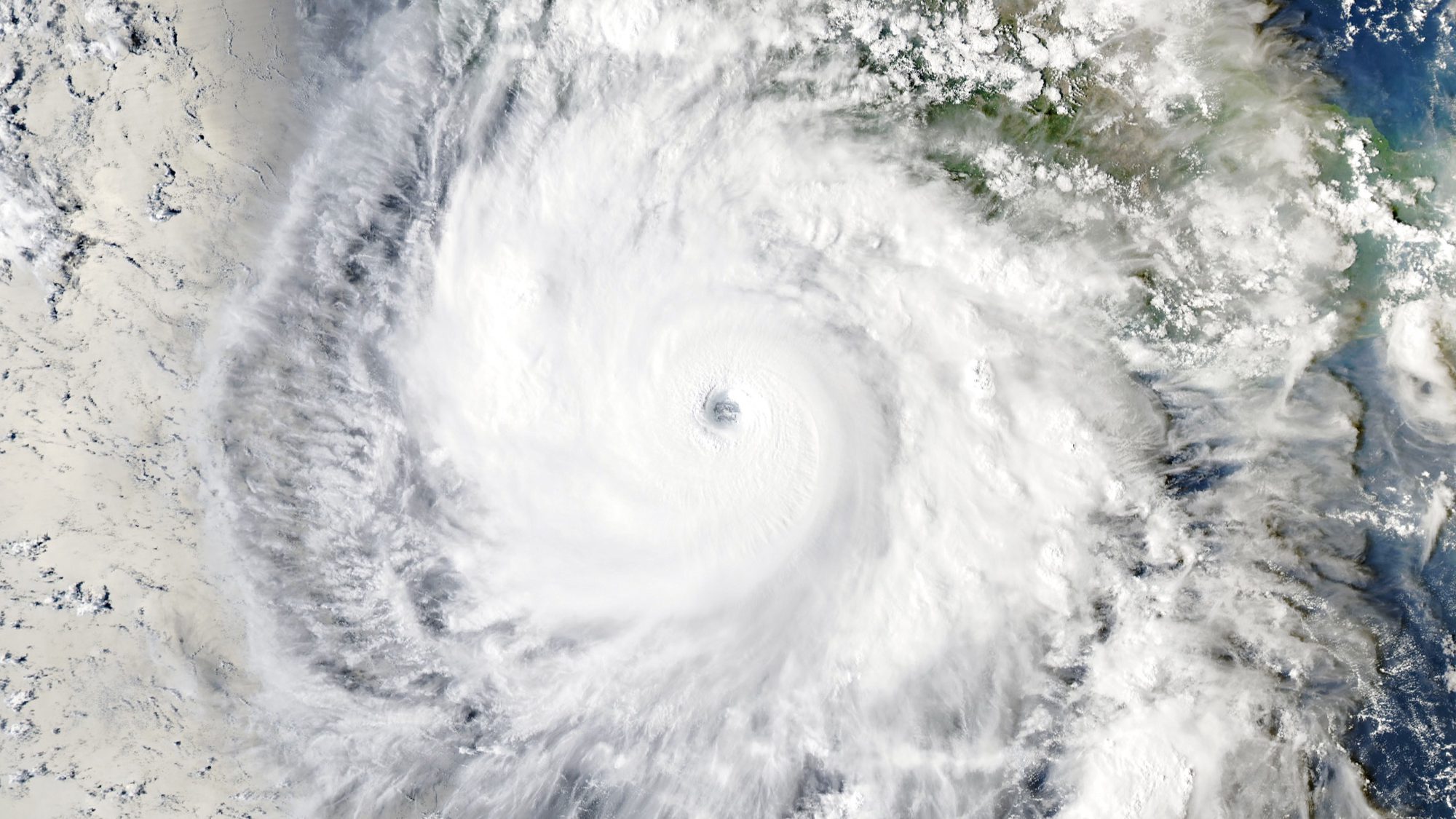
Polo gained 90 knots of wind speed in 24 hours and reached category 5 over the eastern Pacific. NASA links the explosive intensification to very warm water, high humidity, weak wind shear and a deep reservoir of ocean heat that kept fuelling the storm.
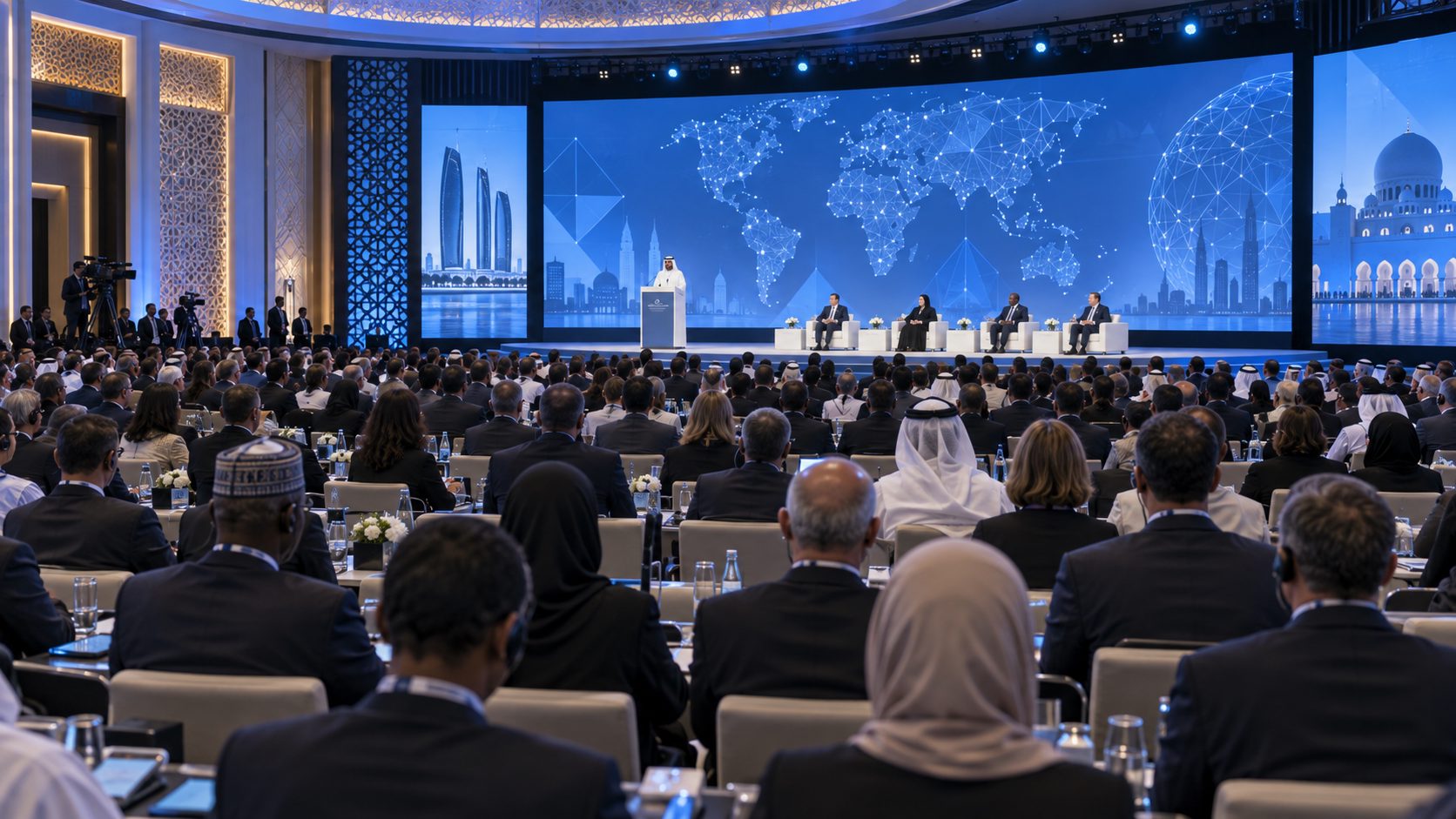
The 15th UN Congress on Crime Prevention and Criminal Justice has opened in Abu Dhabi. Through October 1, governments are discussing cybercrime, organized networks, AI in justice, victim protection and asset recovery. We explain the agenda and the practical outcome countries are expected to pursue.
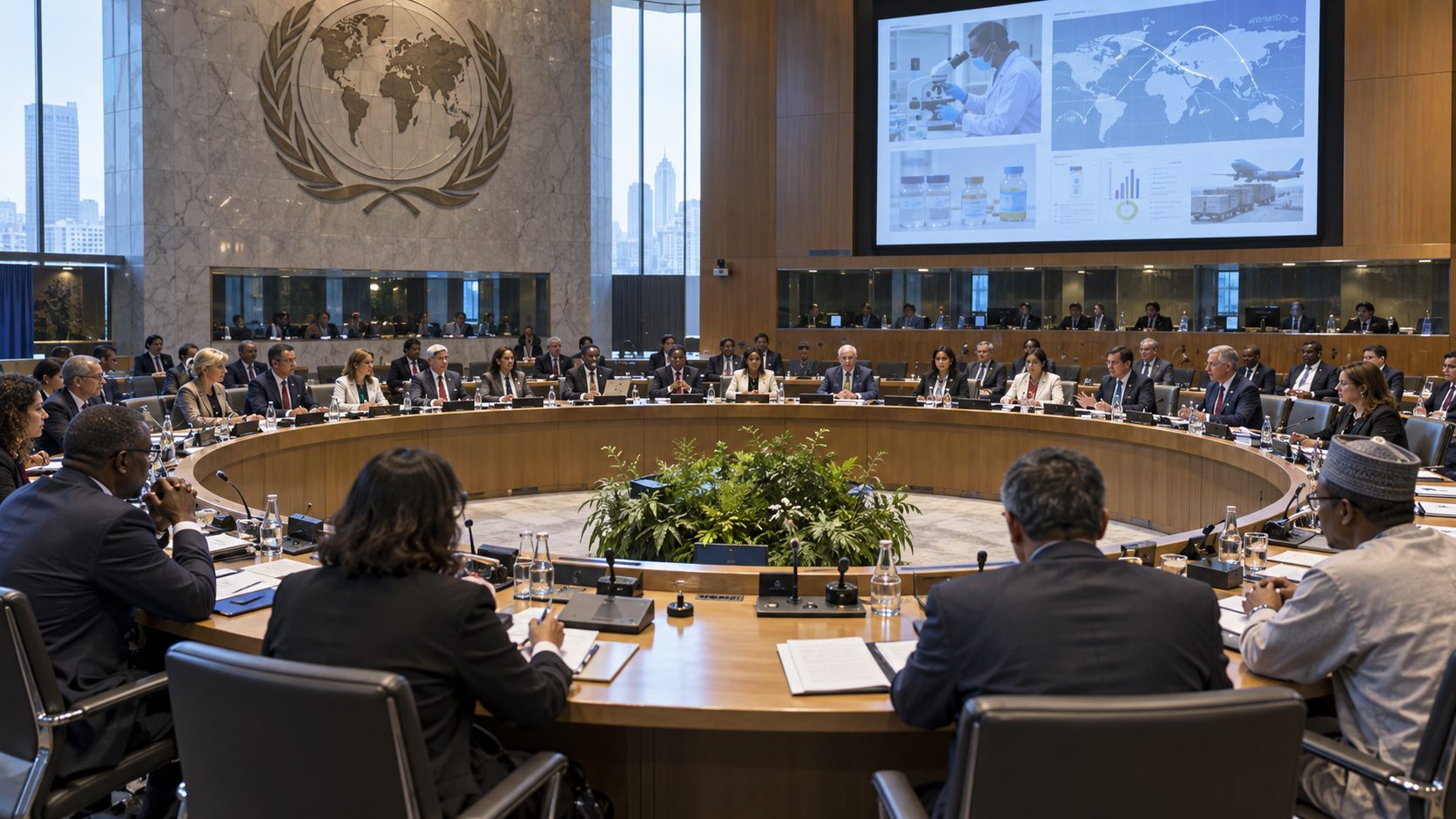
Countries renewed commitments to pandemic prevention, preparedness, and response at a UN General Assembly high-level meeting. The agenda centers on sustained financing, resilient health systems, early detection, and equitable access to vaccines, diagnostics, and treatment. We explain what has been adopted and which part of the global framework remains under negotiation.
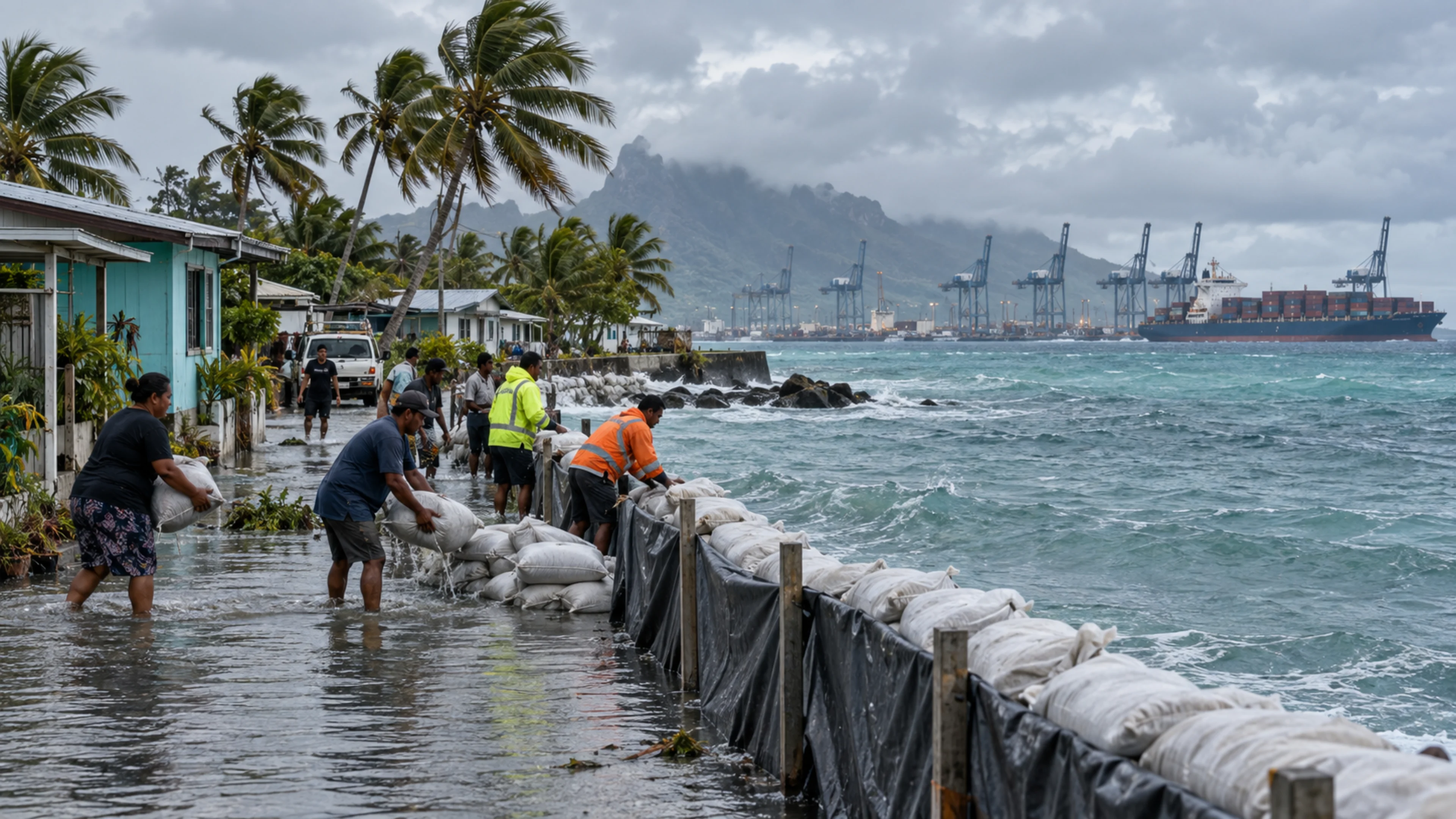
The UN General Assembly has adopted a political declaration on the threat of sea-level rise. Figures presented at the meeting show the annual rate increasing from 2.1 to 4.7 millimetres, while more than one billion people could face coastal hazards by 2050. Here is what the decision means for ports, global trade, prices and countries located far from the ocean.
On 5 December 1994 in Budapest three near-identical papers were signed — with Ukraine, Kazakhstan and Belarus. Ukraine gave up 1,900 warheads, Kazakhstan 1,410. Both started from the same point: $1,483 per head there, $1,442 here. The difference turned out not to be money, but whether power ever retreated before the street.
From the height where borders disappear, no war looks like a clash of good and evil. The mechanism is always the same: a people is told it is chosen, the chosenness is sanctified by race, nation or God, and then they are sent to die for somebody else's wealth. Goering at Nuremberg, and where the machine breaks.
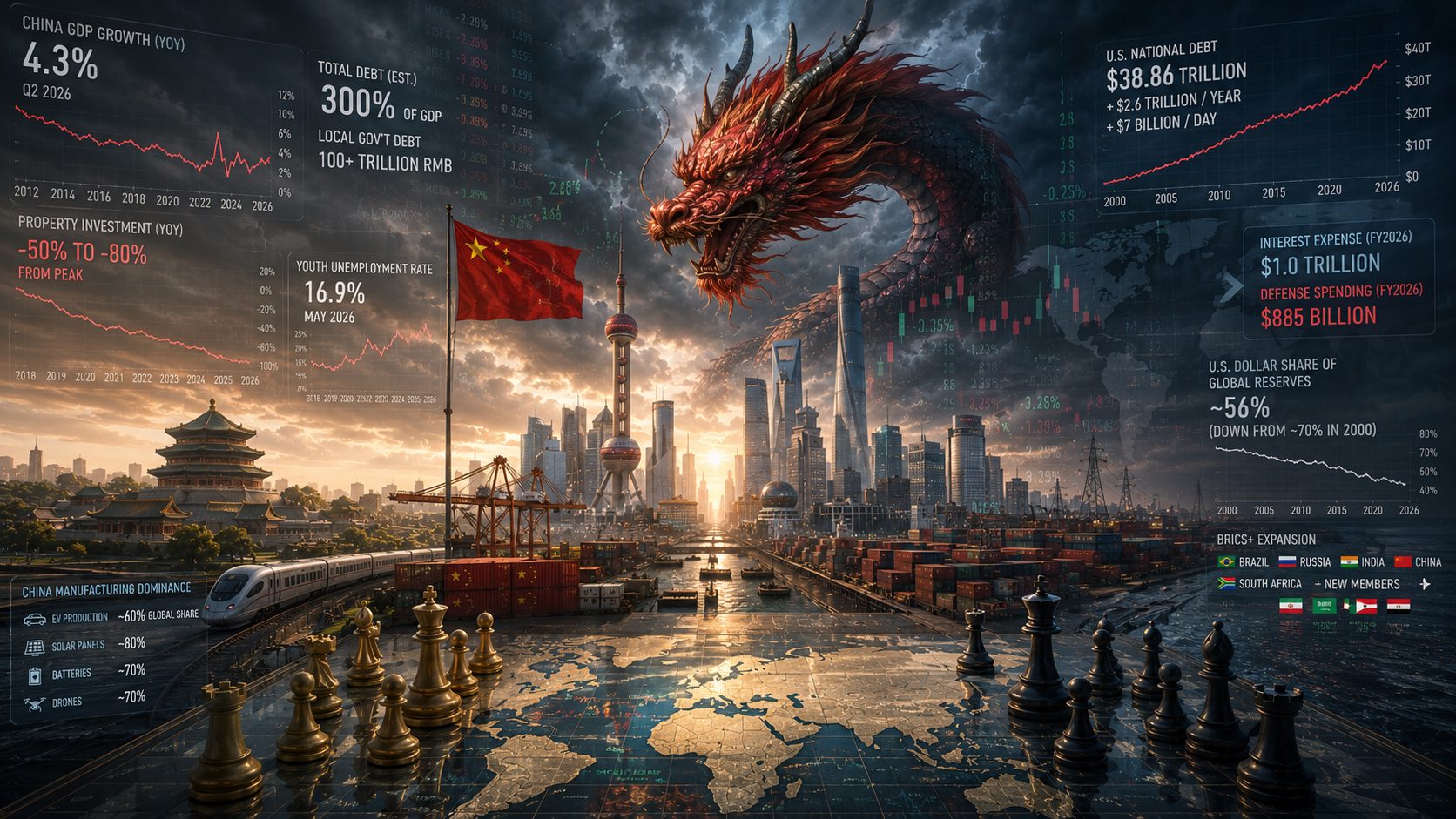
For thirty years the argument was when China would overtake America; in 2026 the question is whether it has already passed its peak. A rising power is patient; one that suspects time is against it becomes impatient. Four camps of experts and the blind spot of each, an independent diagnosis, and a forecast for 2026-2036.
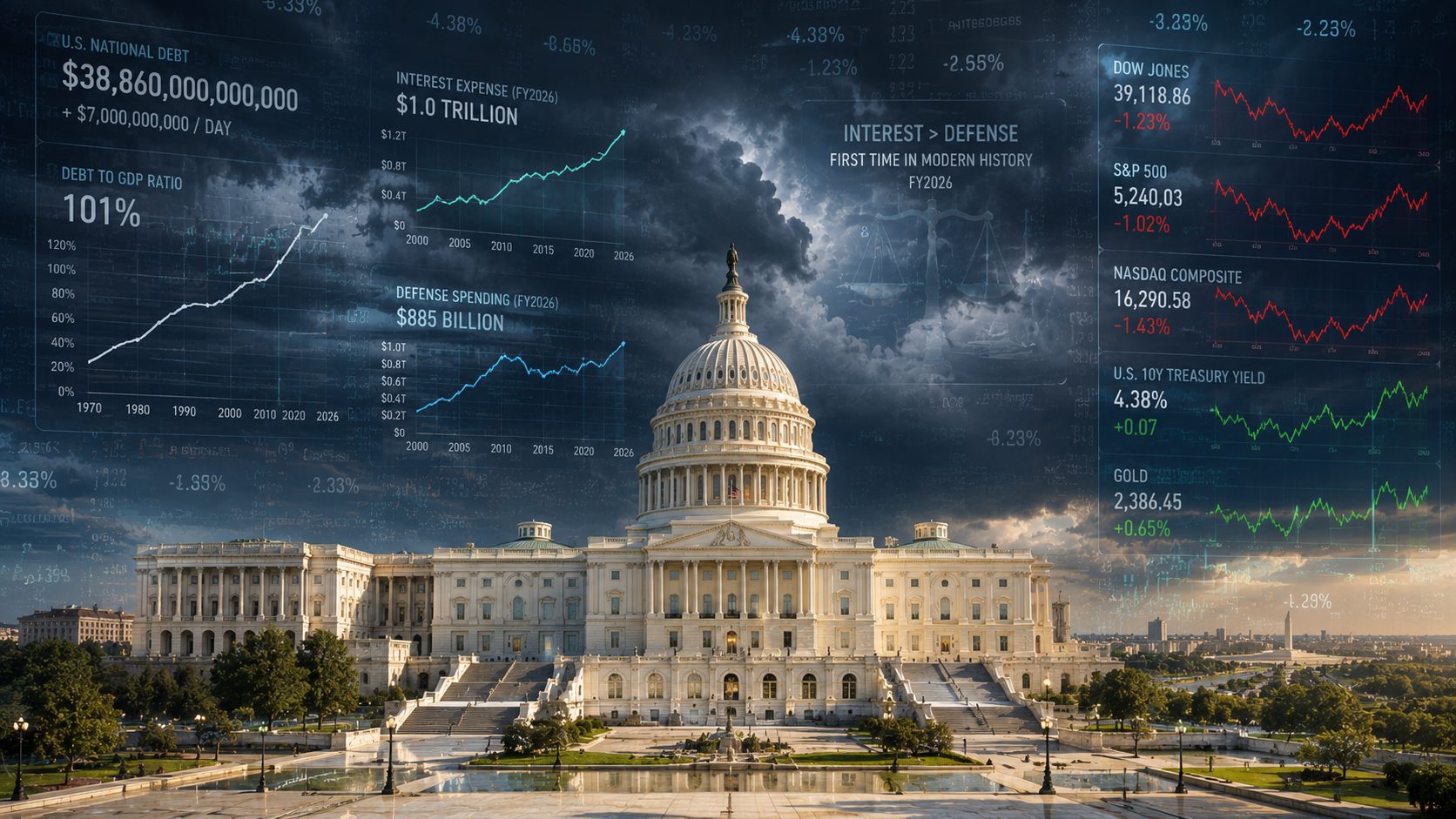
In 2026 the United States pays more on its debt than on its army: about $1.0 trillion in interest against $885 billion for defence. The federal debt stands at $38.86 trillion and grows by $7 billion a day. No great power that crossed this line stayed great for long — Spain, France, Britain. What that means for 2027–2035.
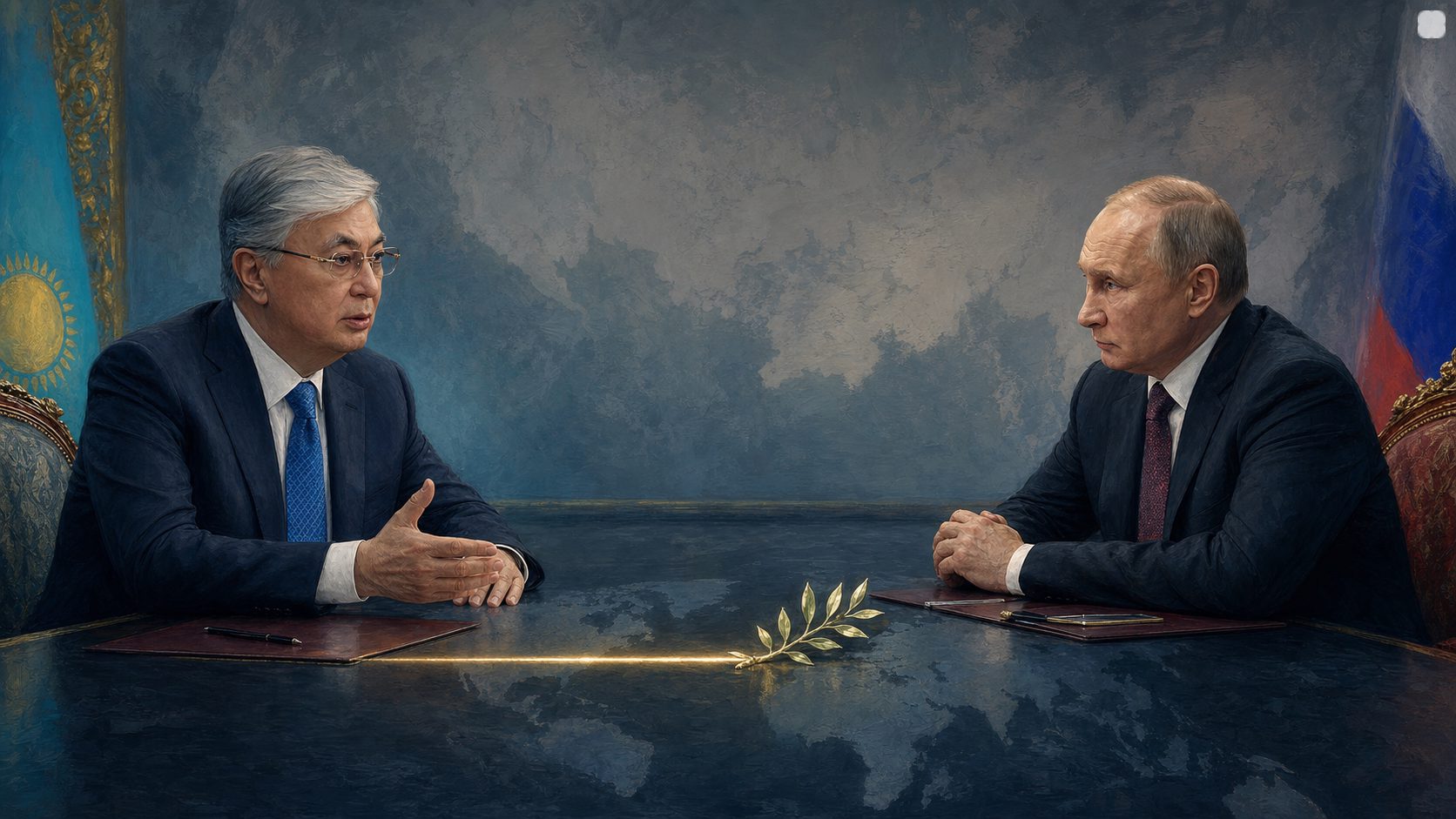
In Omsk, seated beside Putin, Tokayev proposed freezing the war in Ukraine and returning to the Istanbul Formula 2.0. Why this is not a pivot away from Moscow, and why it is not only about humanity: about 80% of Kazakhstan's oil exports run through the Caspian Pipeline Consortium to a terminal near Novorossiysk.
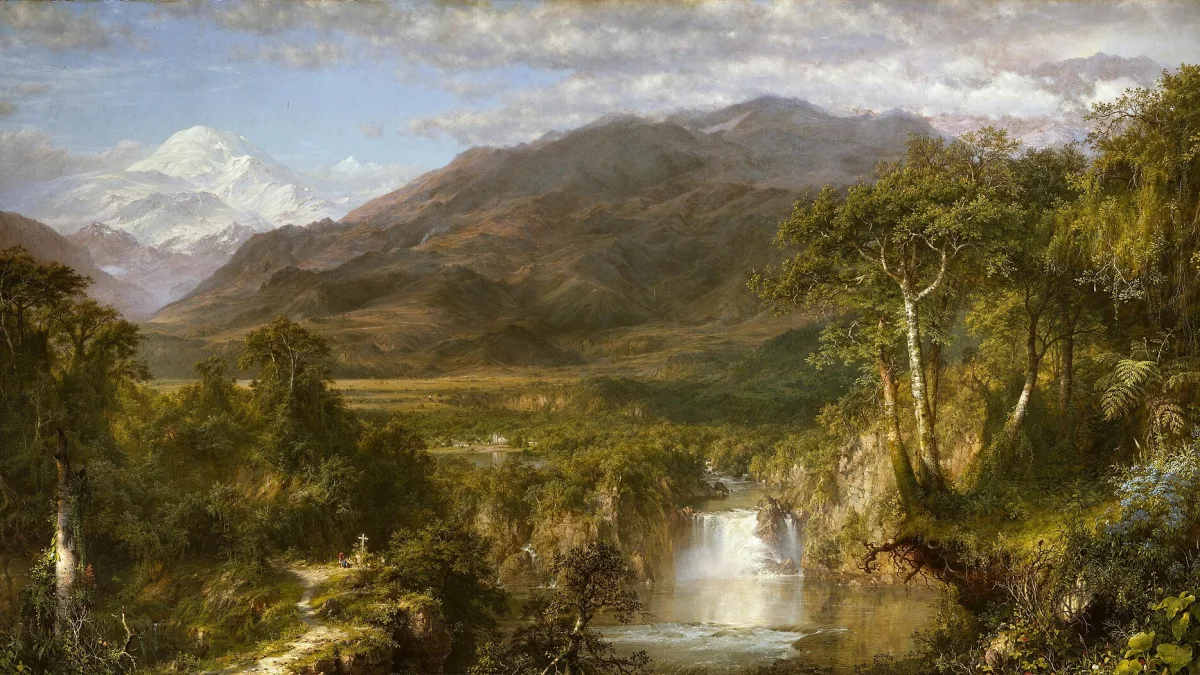
There are places — the peaks of the Andes, the depths of the Amazon — where a person feels small for the first time in a long while. That is not humiliation but medicine. A city is built so that a person feels like the centre of the world; nature was here before us and will be here after. And people protect not what is useful but what they love.
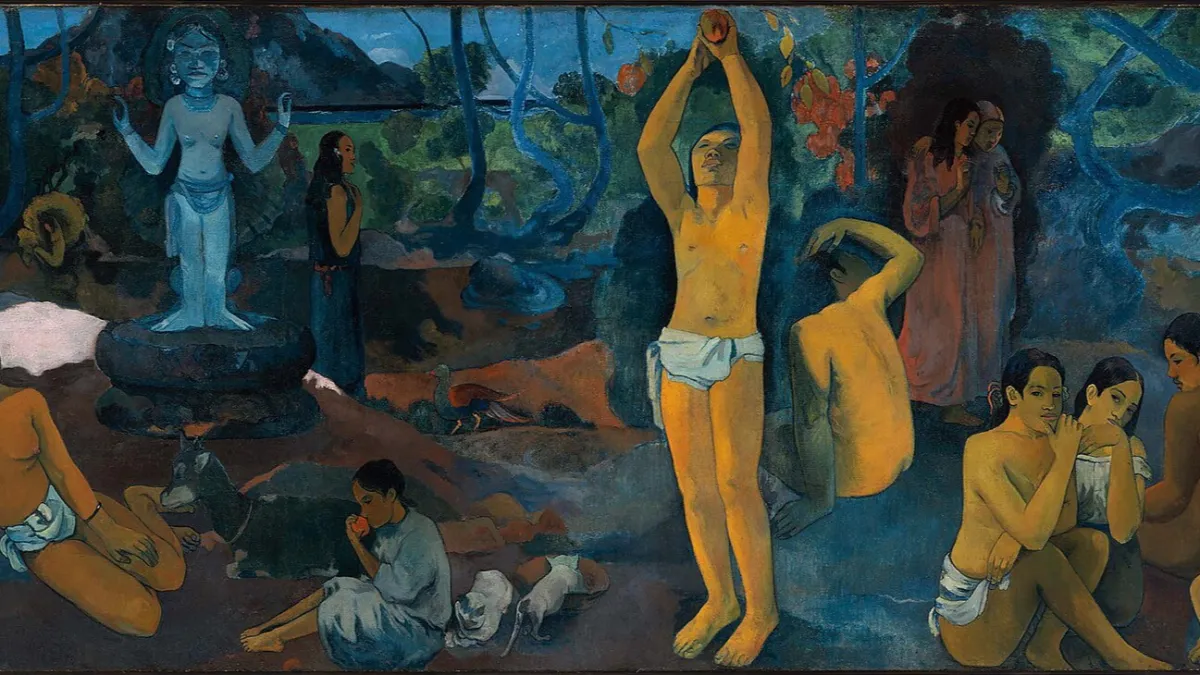
Having sailed to a distant island in Oceania, Gauguin painted a vast canvas and signed it with three questions: where do we come from, what are we, where are we going. He fled civilisation and found that these questions cannot be outrun: they live not around you but inside you. People who have an answer to why can bear almost any how.
The confrontation between the United States and Iran has run for decades and flares up periodically, yet no large direct war has happened. Deterrence works while both sides reckon the price of a collision higher than the prize. Sanctions, proxies and pinpoint strikes are ways to press without crossing the line where everyone loses.
On 16 July in Shanghai it was announced: more than 70 documents worth over $15 billion. Not one has a published breakdown, and neither a journalist nor a member of parliament can check what the figure is made of. The package mixes contracts with memorandums of intent. Different obligations entirely.
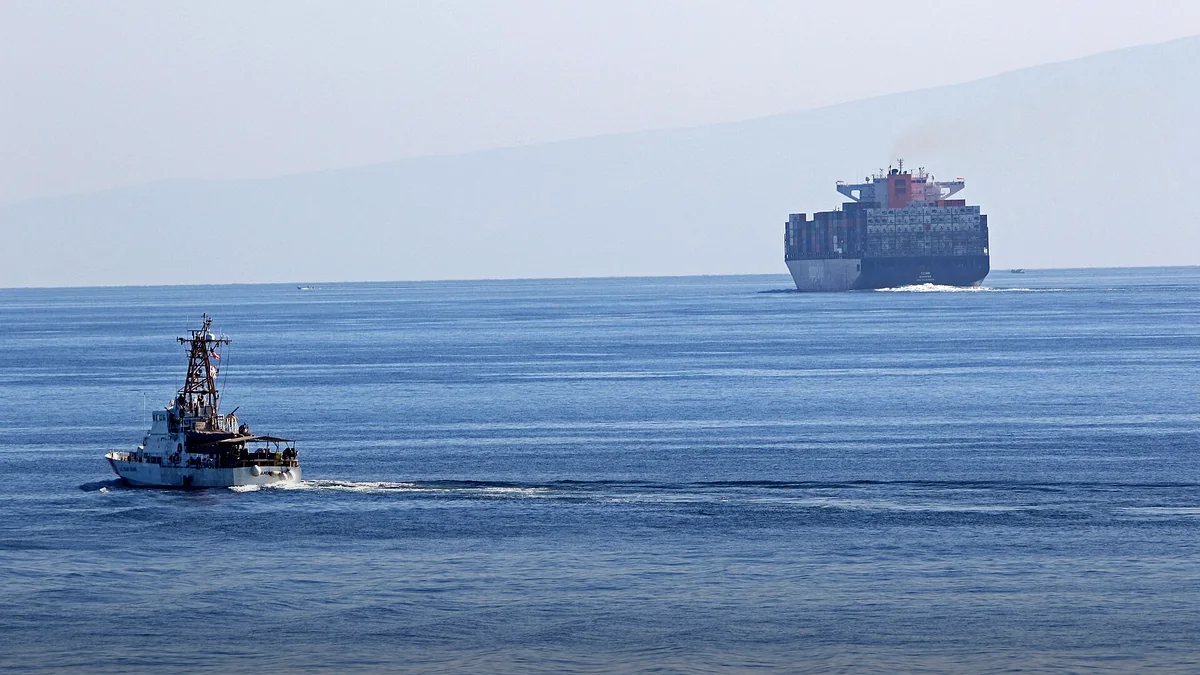
The sixth day of fighting in the war between the United States and Iran: strikes on bridges at Bandar-e Khamir, missiles at American allies including Qatar, Kuwaiti border posts hit. What is happening to the Strait of Hormuz, through which half the world's oil passes, and what it says about the fragility we built.


 World