


Keys and JOIN: connect transactions, accounts, and categories
Normalise the budget model and join tables by stable keys without multiplying rows.
Why this matters
Repeating a category name in every receipt creates spelling variants and conflicting rules. Store the meaning once and reference its key.
Image. A transaction holds a cloakroom token; JOIN retrieves the exact coat by token number, not by a similar colour.
See the whole thing first
SELECT t.happened_on, a.name AS account, c.name AS category,
       t.amount_tiyn / 100.0 AS amount_kzt
FROM transactions AS t
JOIN accounts AS a ON a.id = t.account_id
JOIN categories AS c ON c.id = t.category_id
ORDER BY t.happened_on, t.id;
Explanation
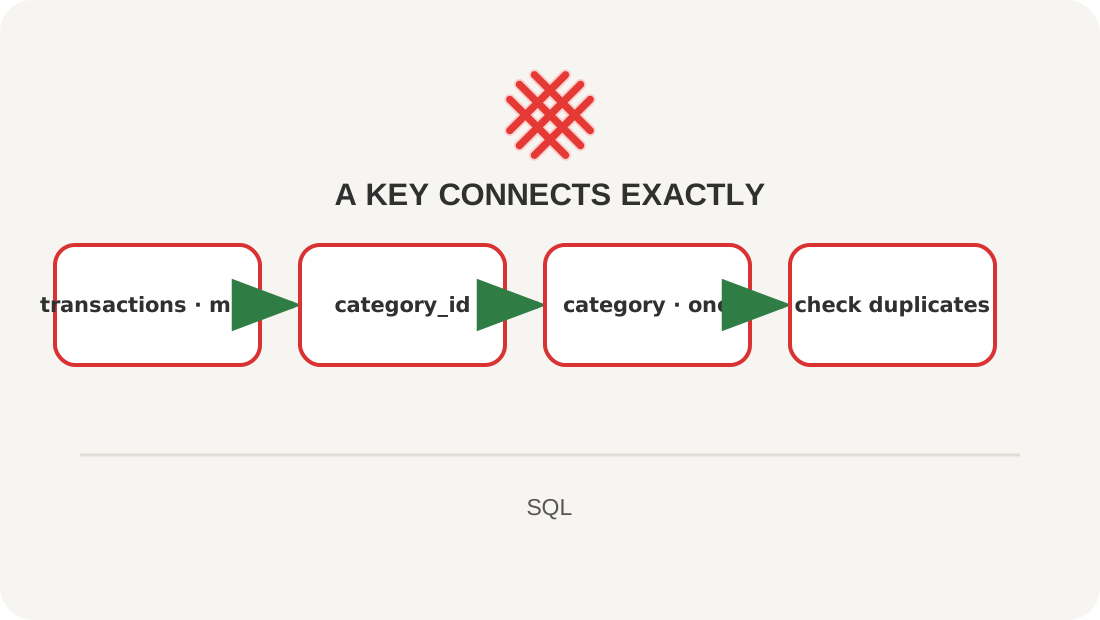
INNER JOIN keeps matches; LEFT JOIN preserves every left row and uses NULL for missing right data. Join on keys, not similar text. Before trusting totals, verify key uniqueness and compare row counts: duplicate lookup keys can multiply facts.
Lesson map
Say it in your own words
- How do INNER and LEFT JOIN differ?
- Why not join names?
- How can a join multiply money?
Exercise
List every account and its transaction count, including accounts with none.
Where this fits in the project
Joins add readable names to compact facts while foreign keys protect relationships.
Answers
Show the answers
SELECT c.name, COALESCE(SUM(t.amount_tiyn), 0) / 100.0 AS spent_kzt
FROM categories AS c
LEFT JOIN transactions AS t
  ON t.category_id = c.id
 AND t.happened_on >= '2026-09-01'
 AND t.happened_on <  '2026-10-01'
WHERE c.kind = 'expense'
GROUP BY c.id, c.name
ORDER BY c.name;
Sources
If you have found a mistake or a typo in this article, tell us about it
Comments (0)
Log in to leave a comment →
No comments yet. Be the first.