


SQL: a family budget without guesswork Lesson 2 of 4
Transactions and UPDATE: change everything or nothing
Make safe corrections and treat a transfer as one atomic database operation.
Why this matters
A transfer needs at least two related records. If debit succeeds and credit fails, the database invents or loses money.
Image. A transaction is a lock with two gates: either the boat passes completely or boat and water return to their initial state.
See the whole thing first
BEGIN IMMEDIATE;

UPDATE transactions
SET note = 'Utilities and rent'
WHERE id = 2;

SELECT changes() AS changed_rows;
COMMIT;
Explanation
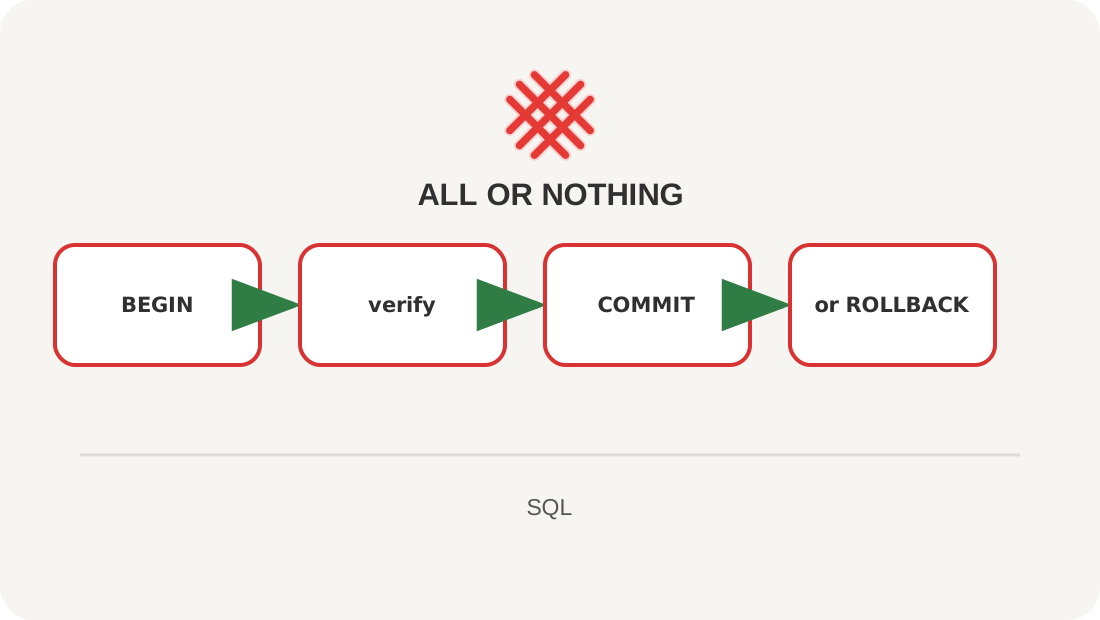
ACID summarises atomicity, consistency, isolation, and durability; exact guarantees vary by DBMS. Before UPDATE or DELETE, run SELECT with the same WHERE and then check the affected-row count. COMMIT makes changes durable; ROLLBACK cancels unfinished work; SAVEPOINT rolls back part. A transfer between your accounts is not household spending.
Lesson map
Say it in your own words
- What is atomicity?
- How do you test WHERE before changing data?
- Why is an internal transfer not spending?
Exercise
Inside a transaction set Transport’s limit to 40,000 tenge, read it, ROLLBACK, and confirm the old value returned.
Where this fits in the project
Every related budget change is atomic and can be cancelled before commit.
Answers
Show the answers
BEGIN;
UPDATE categories SET monthly_limit_tiyn=4000000 WHERE name='Transport';
SELECT monthly_limit_tiyn FROM categories WHERE name='Transport';
ROLLBACK;
SELECT monthly_limit_tiyn FROM categories WHERE name='Transport';
Sources
If you have found a mistake or a typo in this article, tell us about it
Comments (0)
Log in to leave a comment →
No comments yet. Be the first.