


SELECT: find the needed rows without changing them
Learn projection, filtering, stable sorting, and limiting a result.
Why this matters
A database is useful because it returns exactly what is needed: recent spending, purchases above a threshold, or one month’s events.
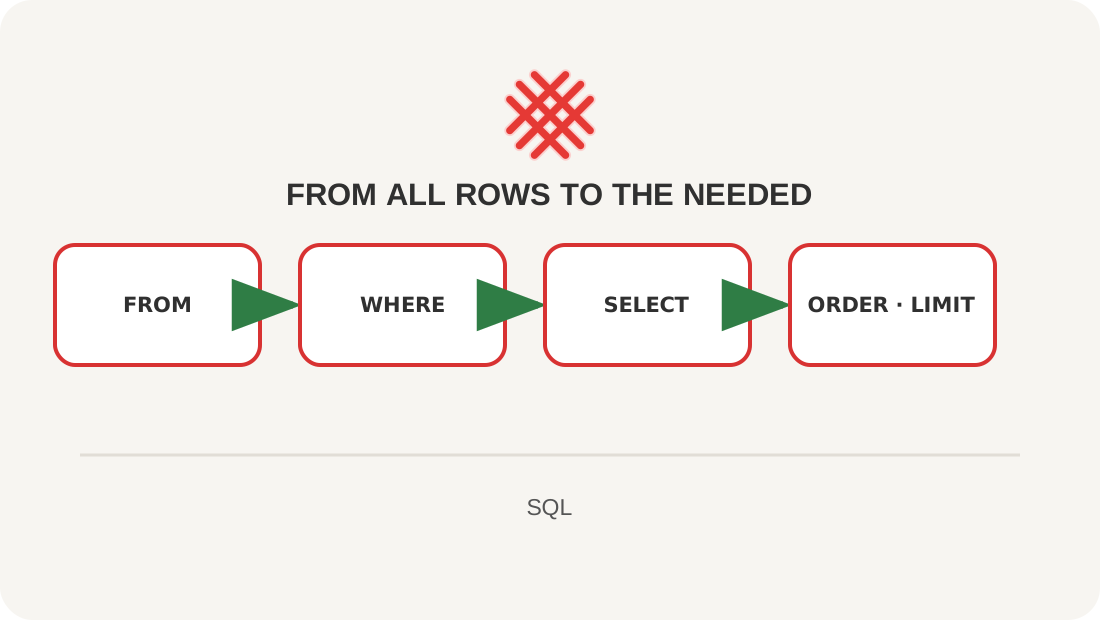
Image. FROM puts the receipt box on the table; WHERE keeps matching receipts; SELECT covers unused fields; ORDER BY arranges them; LIMIT takes the first few.
See the whole thing first
SELECT happened_on, amount_tiyn / 100.0 AS amount_kzt, note
FROM transactions
WHERE amount_tiyn >= 1000000
ORDER BY happened_on DESC, id DESC
LIMIT 5;
Explanation
The logical order begins with FROM and WHERE even though SELECT is written first. SELECT * is fine for exploration, but application contracts should name columns. Without ORDER BY row order is undefined; add id as a tie-breaker. LIKE rules, especially case handling, differ across systems.
Lesson map
Say it in your own words
- Why is SELECT written first but not evaluated first?
- What resolves equal dates?
- When is SELECT * risky?
Exercise
Return September’s three largest transactions with date, tenge amount, and note; break ties by newest row.
Where this fits in the project
This query pattern powers transaction history and previews rows before a bulk change.
Answers
Show the answers
SELECT happened_on, amount_tiyn / 100.0 AS amount_kzt, note
FROM transactions
WHERE happened_on >= '2026-09-01' AND happened_on < '2026-10-01'
ORDER BY amount_tiyn DESC, happened_on DESC, id DESC
LIMIT 3;
Sources
If you have found a mistake or a typo in this article, tell us about it
Comments (0)
Log in to leave a comment →
No comments yet. Be the first.