World Space Week 2026 runs from 4 to 10 October. This year's theme is “Rocket Revolution”: reusable stages, lower launch costs and more frequent access to orbit. The change matters beyond aerospace, opening new paths for schools, science, communications and smaller organisations.
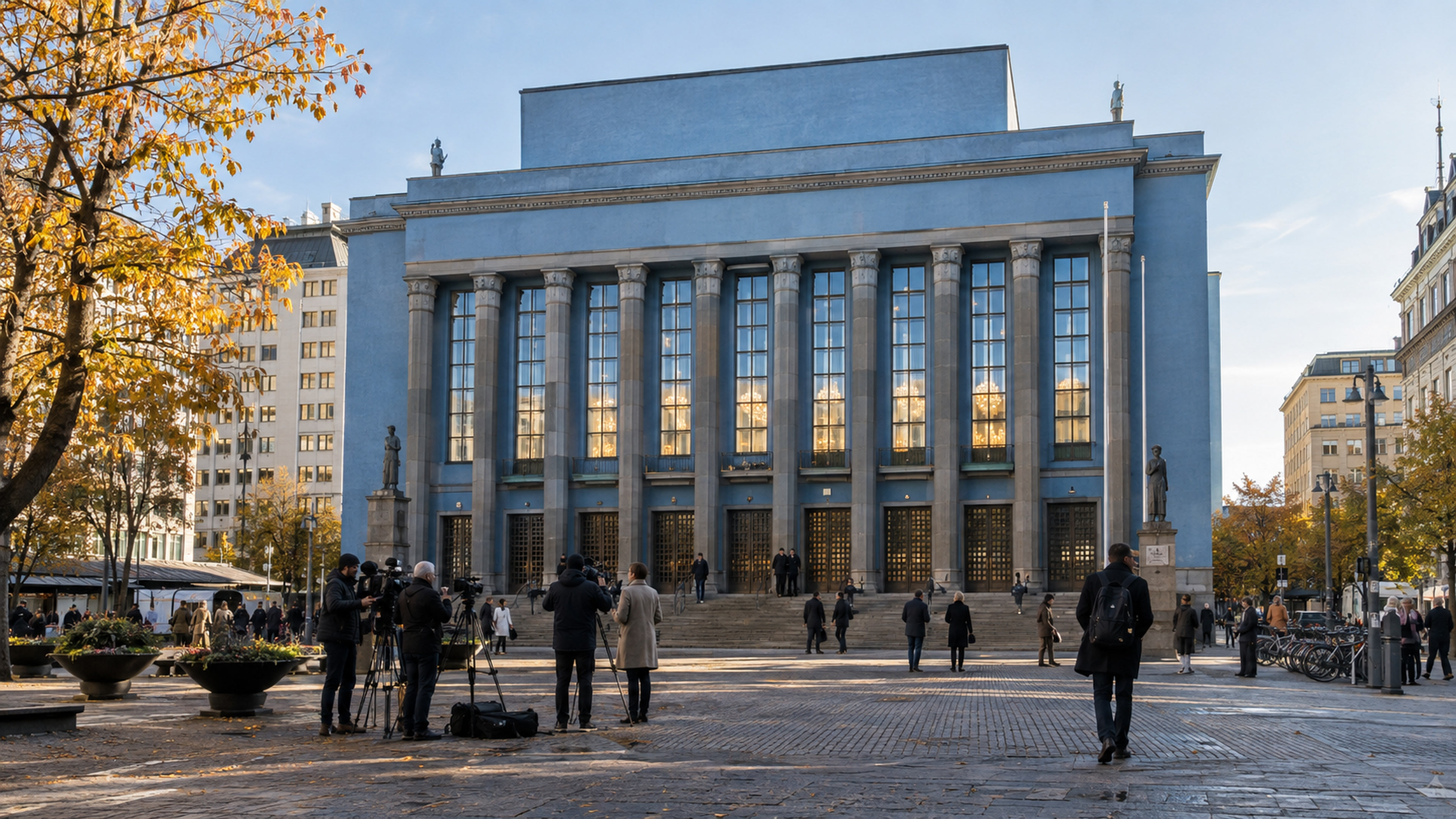
The 2026 Nobel Prize laureates will begin to be announced on 5 October. Over eight days, the prizes in medicine, physics, chemistry, literature, peace and economics will be revealed. Here is the official Stockholm timetable, where to watch and why pre-announcement candidate lists remain speculation.
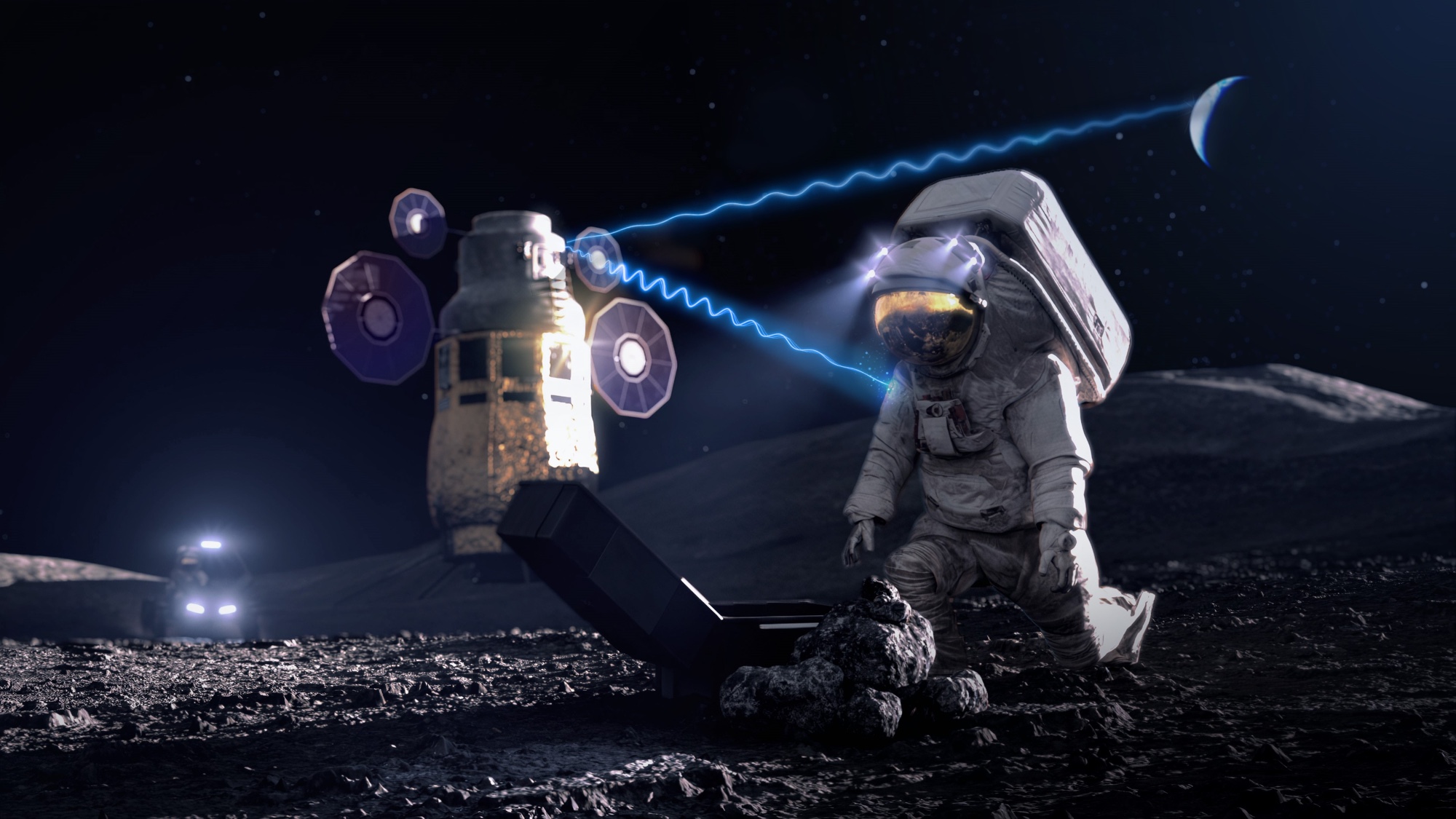
NASA has selected Modulate Space to develop major elements of a lunar 5G network with built-in Wi‑Fi 6. A laboratory system is due in 2028, followed by a surface demonstration.
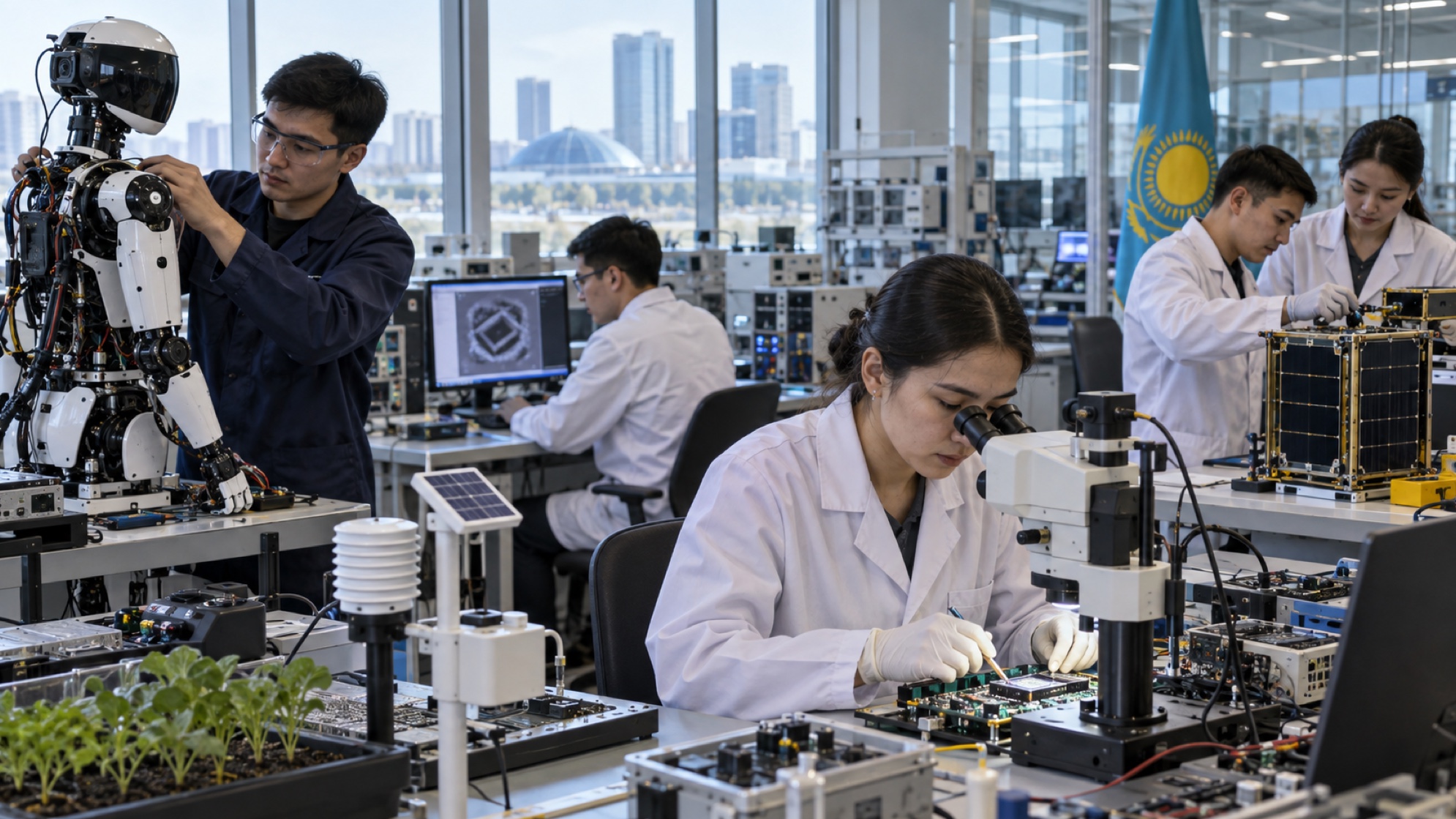
Kazakhstan ranks 73rd among 139 economies in the 2026 Global Innovation Index. Digital public services and utility models stand out, but a higher score does not automatically mean more products reach the market.
The Artemis II crew will speak in Houston on 30 September after the first crewed Orion flight around the Moon. NASA says they traveled 252,756 miles, or about 406,772 kilometers, from Earth, surpassing Apollo 13's human-distance record set in 1970.
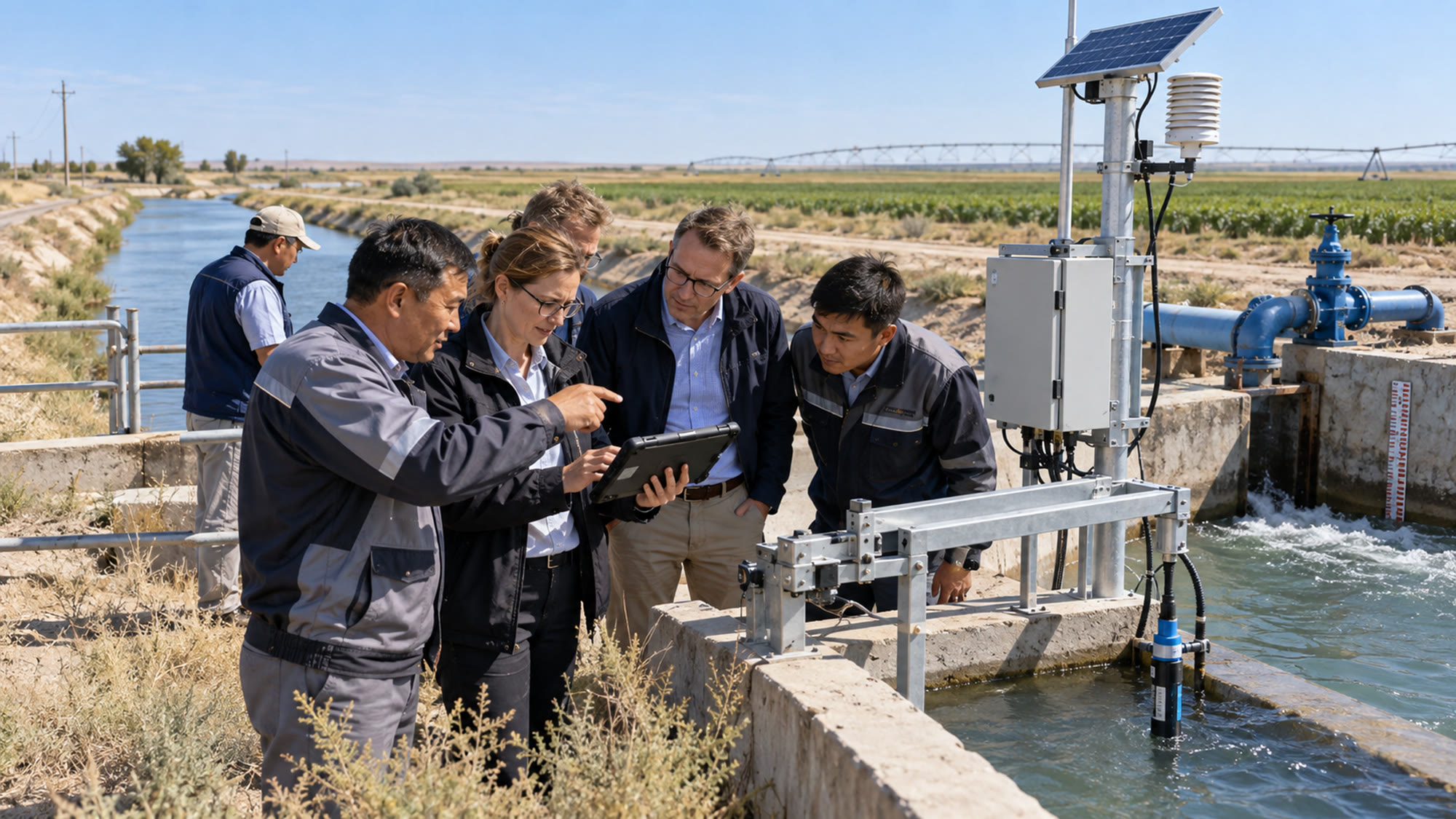
Kazakhstan and Germany are discussing a joint water hub for technology exchange, digital metering and pilot projects. It will matter if sensors, models and engineering expertise produce measurable results: lower canal losses, more precise irrigation and transparent water use.
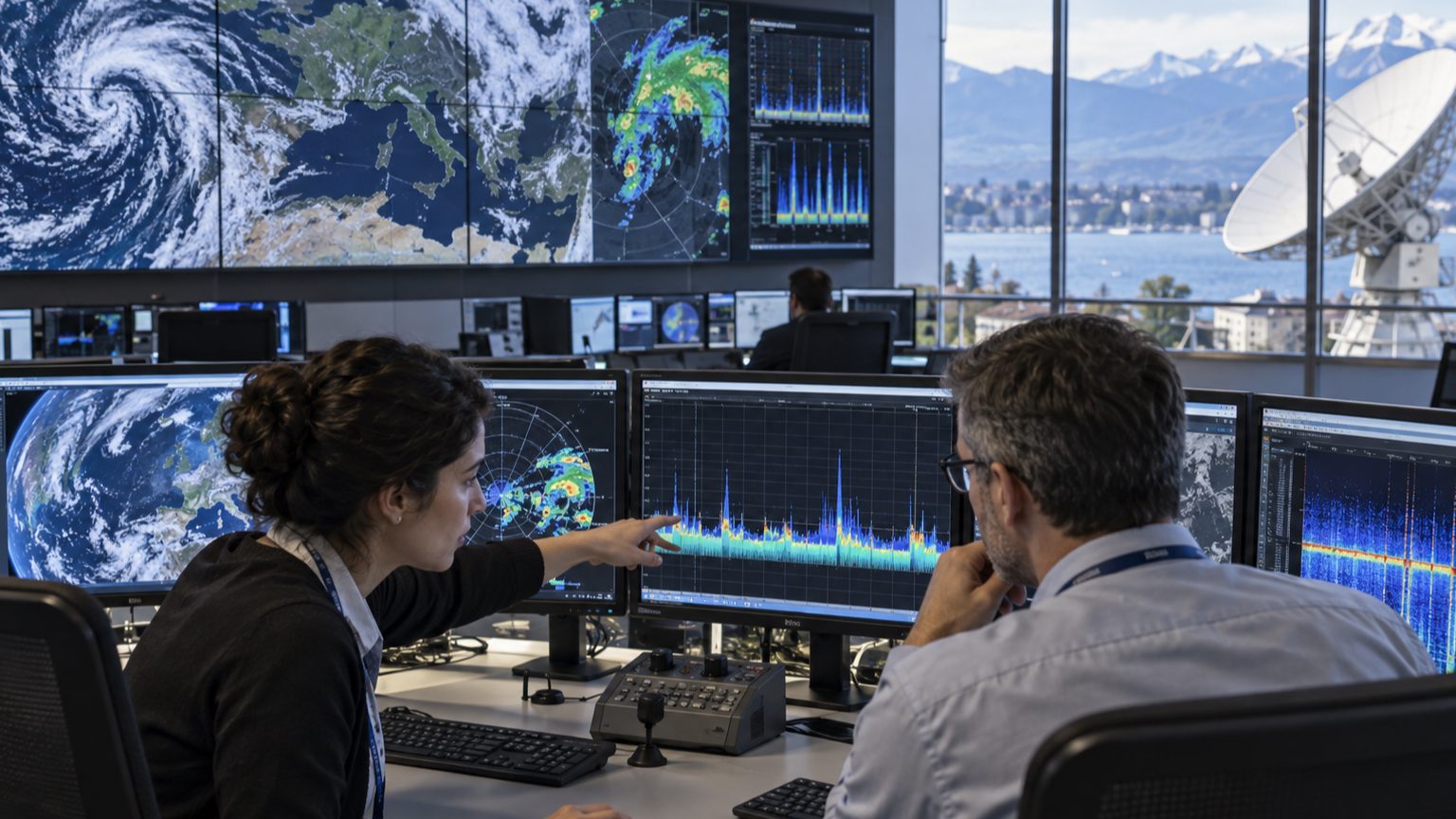
Weather satellites, radars, and early warning systems rely on frequencies also sought by expanding wireless and satellite services. At a September 28–30 seminar, ITU and WMO are launching guidance and examining how interference can weaken forecast inputs before an ordinary user notices anything is wrong.
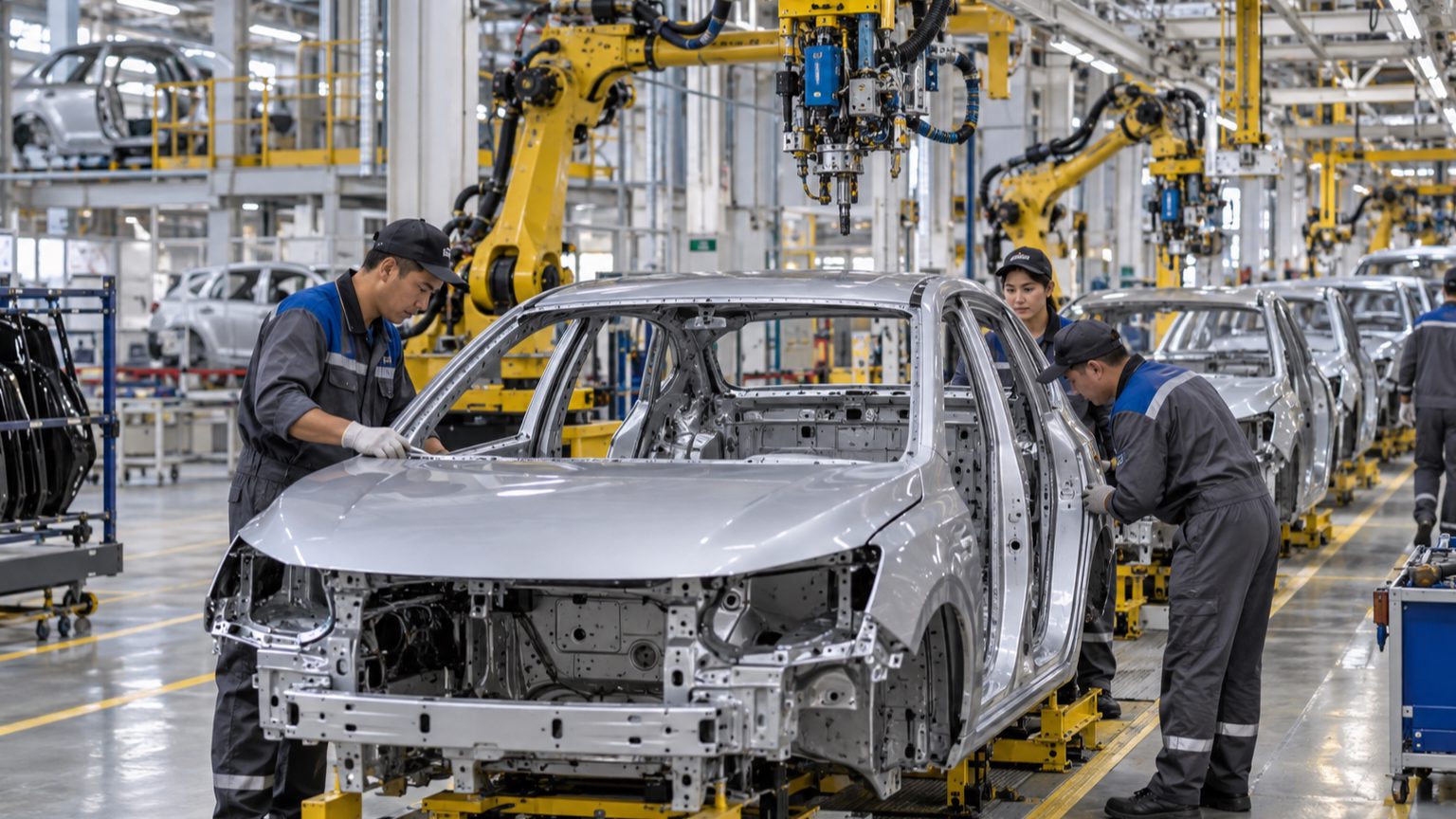
Kazakhstan’s passenger car output rose 34.2% in January–August to 117,200 vehicles. Production of trucks, special vehicles, rail platforms, and passenger coaches also increased. The larger question is whether suppliers, skills, and local components can turn a strong percentage into durable industrial growth.
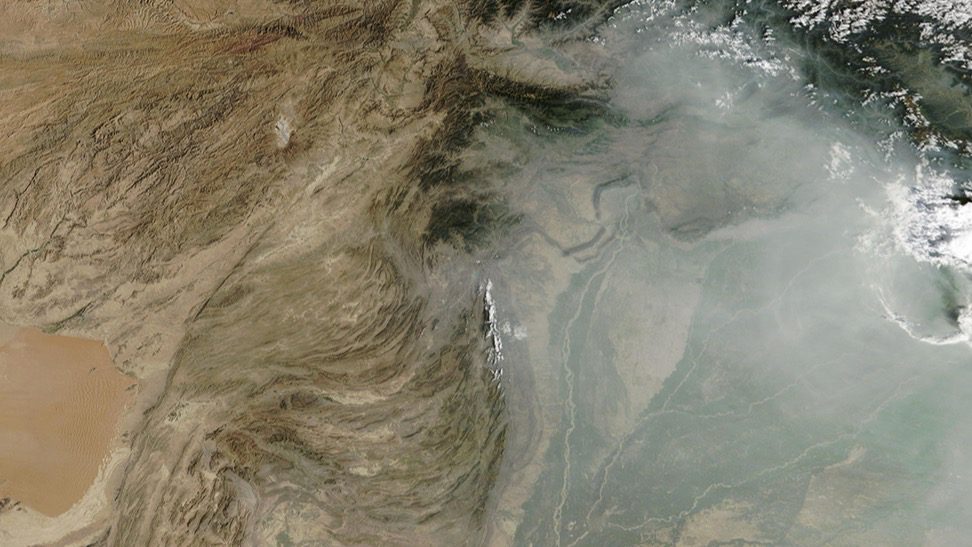
NASA’s Terra satellite captured dense grey haze over northern Pakistan on 24 September. The agency points to crop fires, dust, traffic, industry and a temperature inversion that acts like a lid, trapping polluted air close to where people live and breathe.
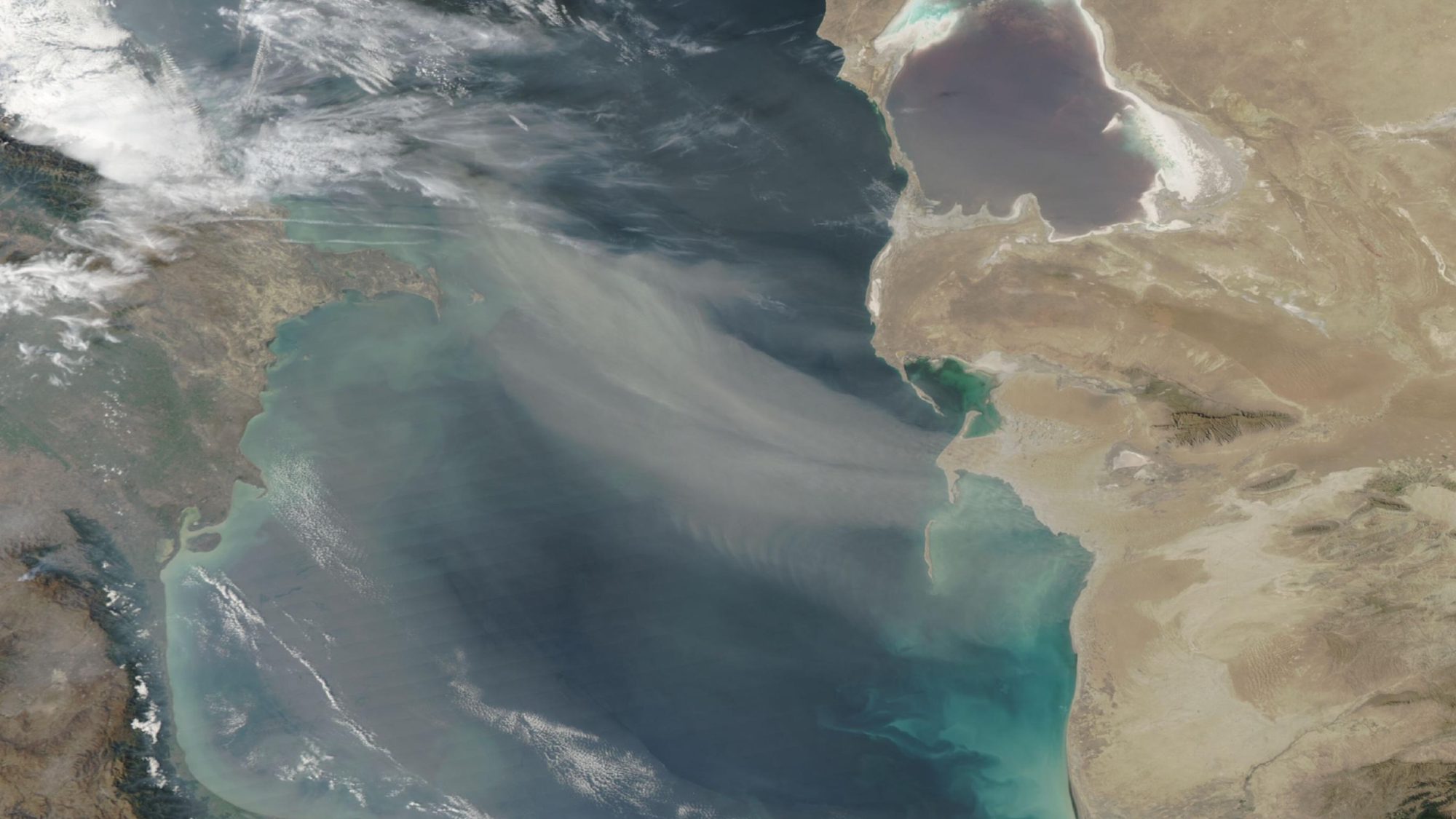
NASA’s Aqua satellite captured broad dust plumes crossing the Caspian Sea on September 24. The agency published the true-color image and placed it within a period of strong winds. We explain what the image confirms, what it cannot establish, and why satellite observations matter.
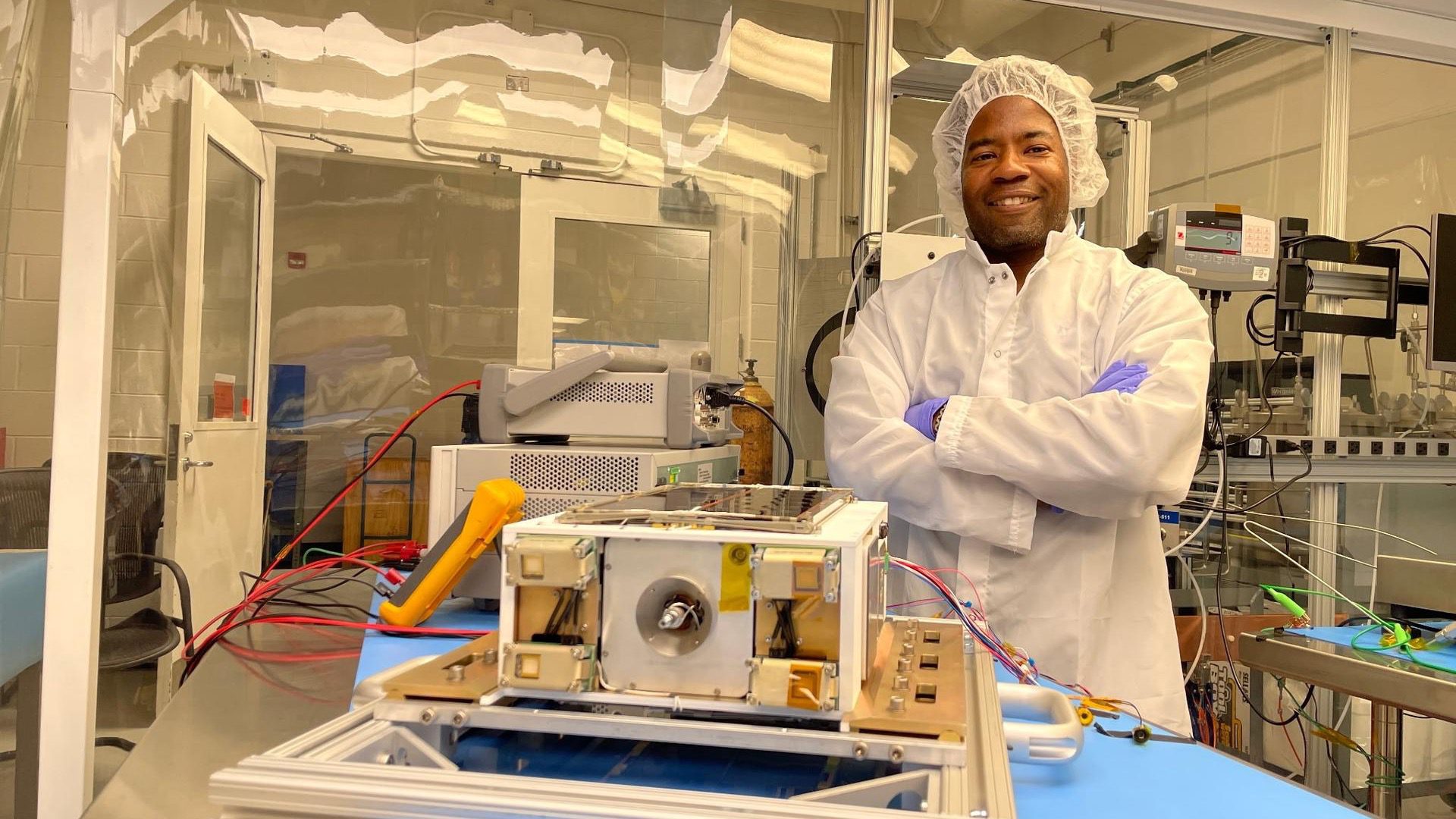
NASA has completed ground testing of the ASCENT Propulsion Dual Mode CubeSat. The large-shoebox-sized spacecraft feeds one non-toxic propellant to both a high-thrust chemical engine and efficient electric microthrusters. Here is how the system works, what testing it passed, and what the nine-month orbital demonstration must prove.
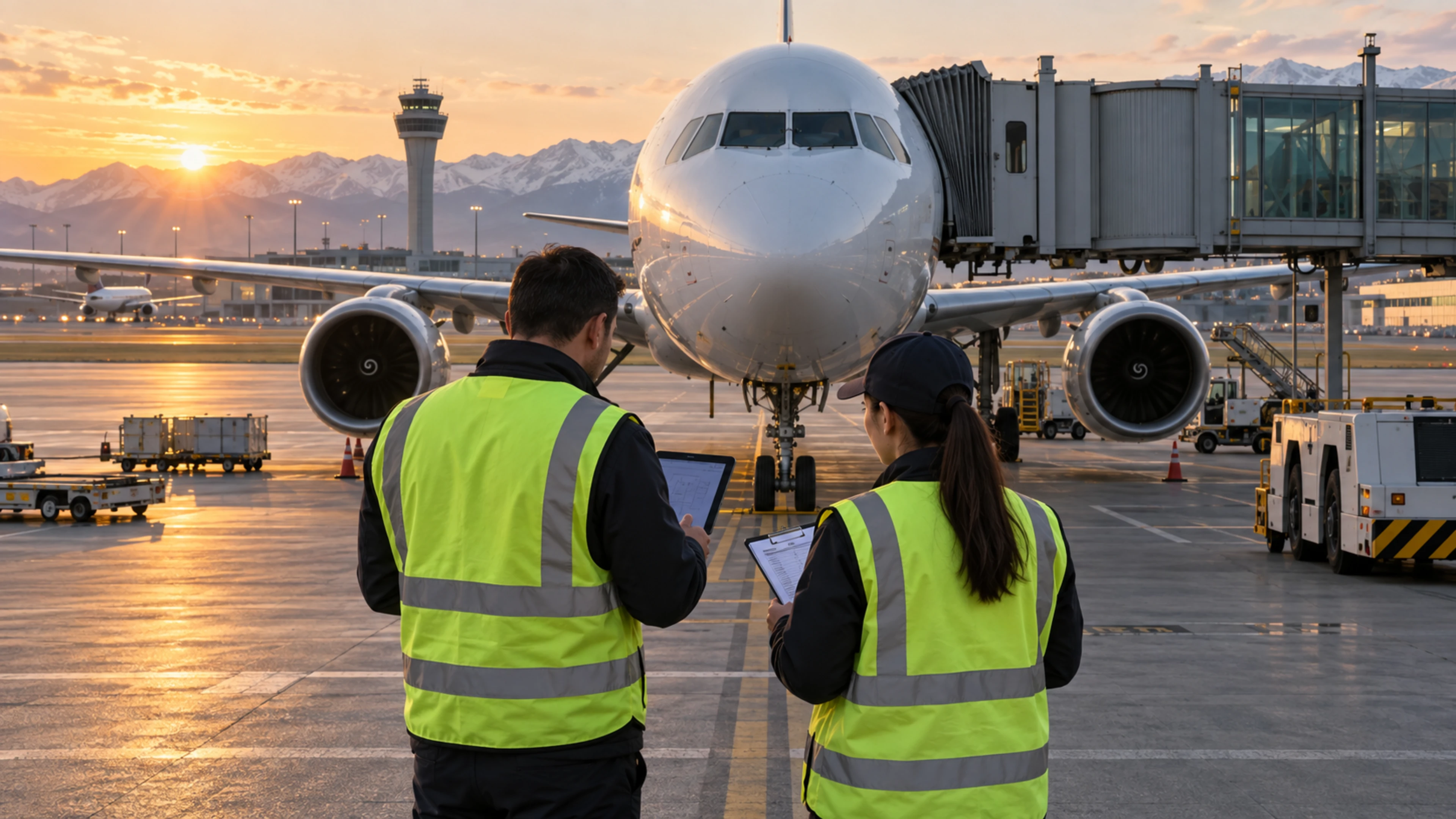
Experts from the US Federal Aviation Administration have completed an assessment of Kazakhstan’s state aviation safety oversight system. The preliminary stage is complete, but Category 1 has not yet been granted. We explain what the IASA program examines, what happens next, and why this is an important but not final condition for direct flights to the United States.
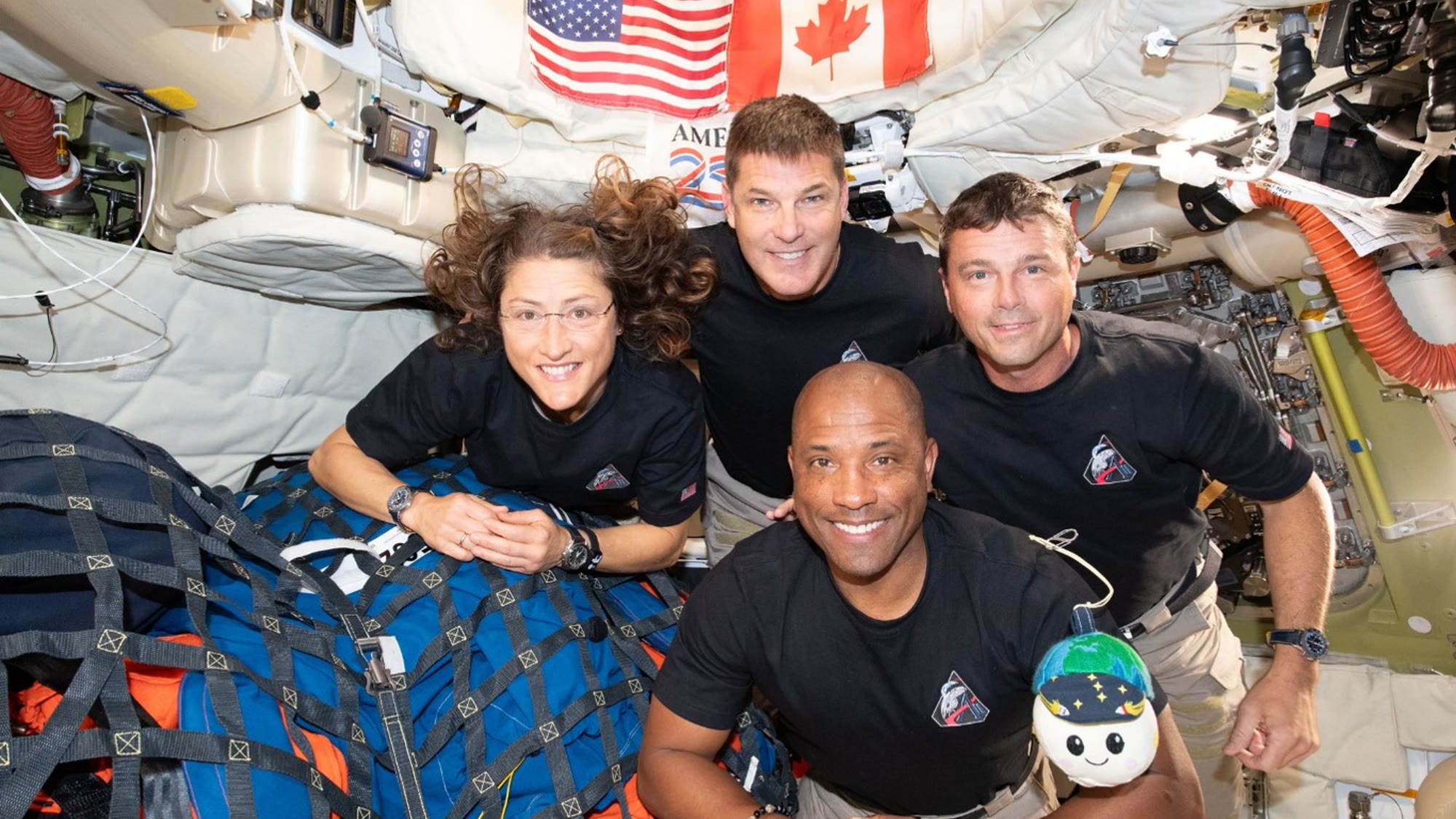
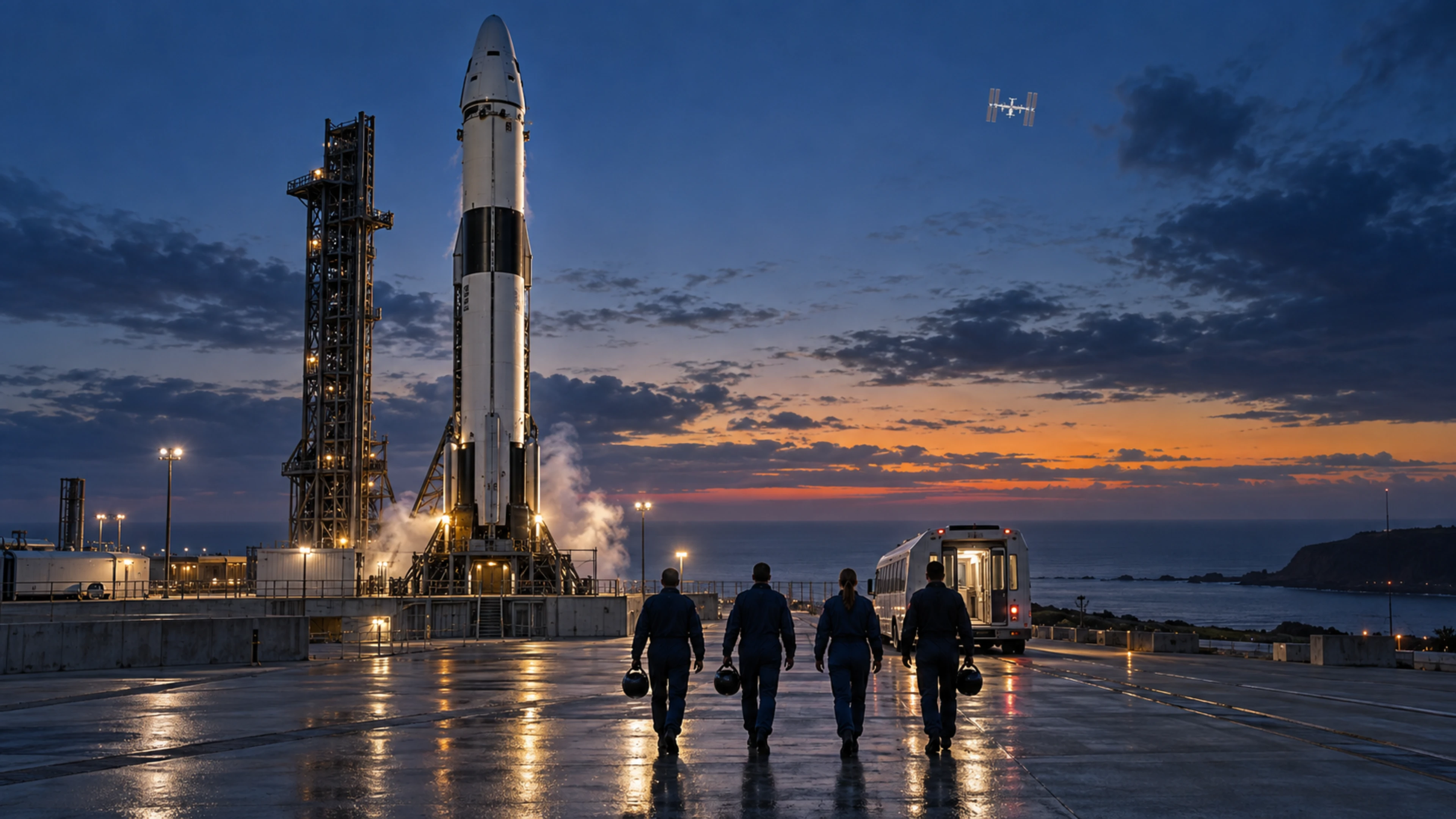
NASA, SpaceX, and international partners have cleared the Crew‑13 mission to continue preparations after a flight readiness review. Launch to the International Space Station is targeted for no earlier than October 1. We explain who is flying, what teams review before launch, and why the announced time remains a target until the final countdown decisions.
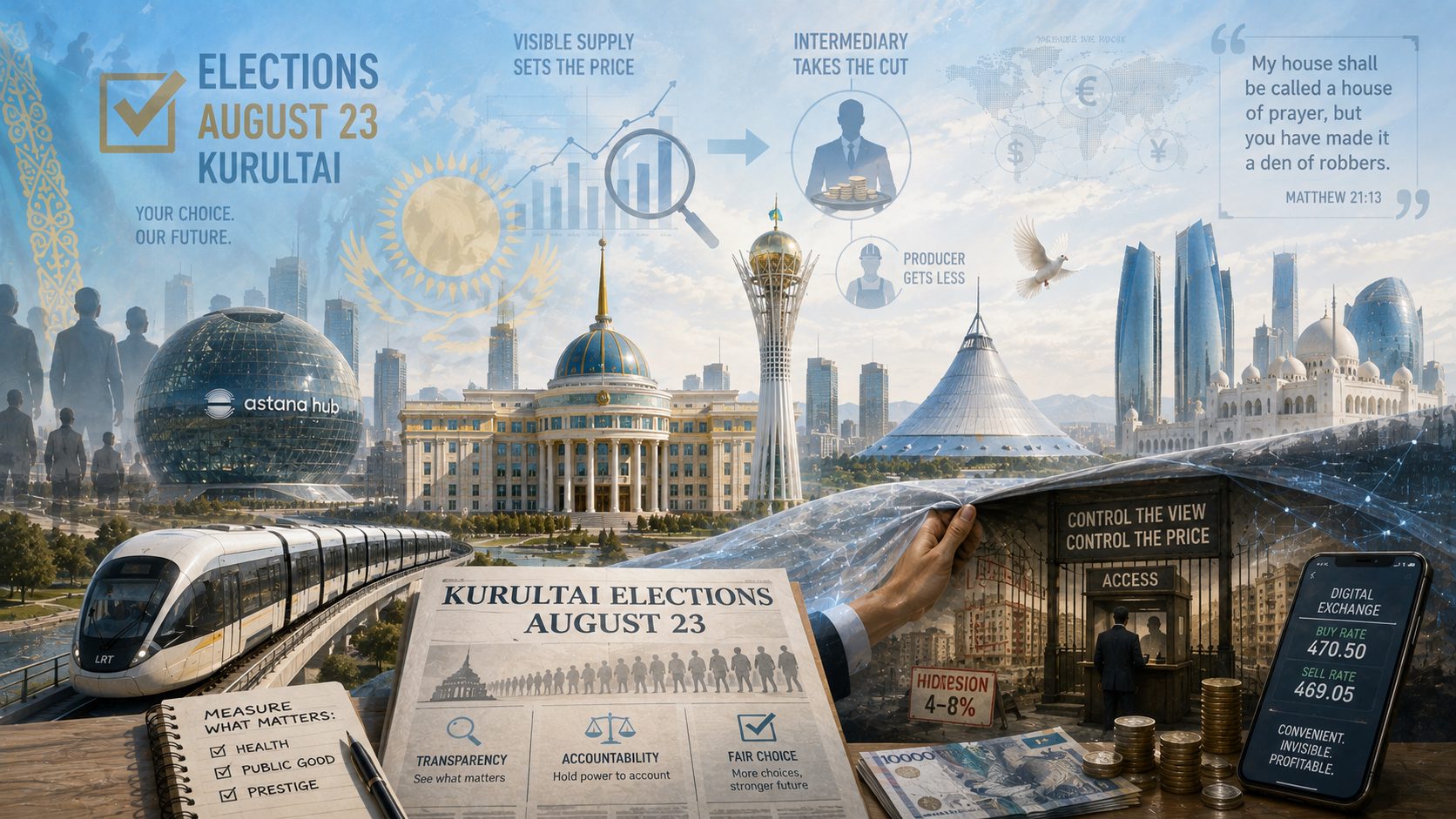
Why rents rise when no apartment has disappeared, and why power grows dearer when there is nobody to replace it. The mechanism is one and the same, uncovered on airline screens in 1981: price is set not by how much exists but by how much is visible. The earnings go not to whoever produces, but to whoever stands in the doorway.
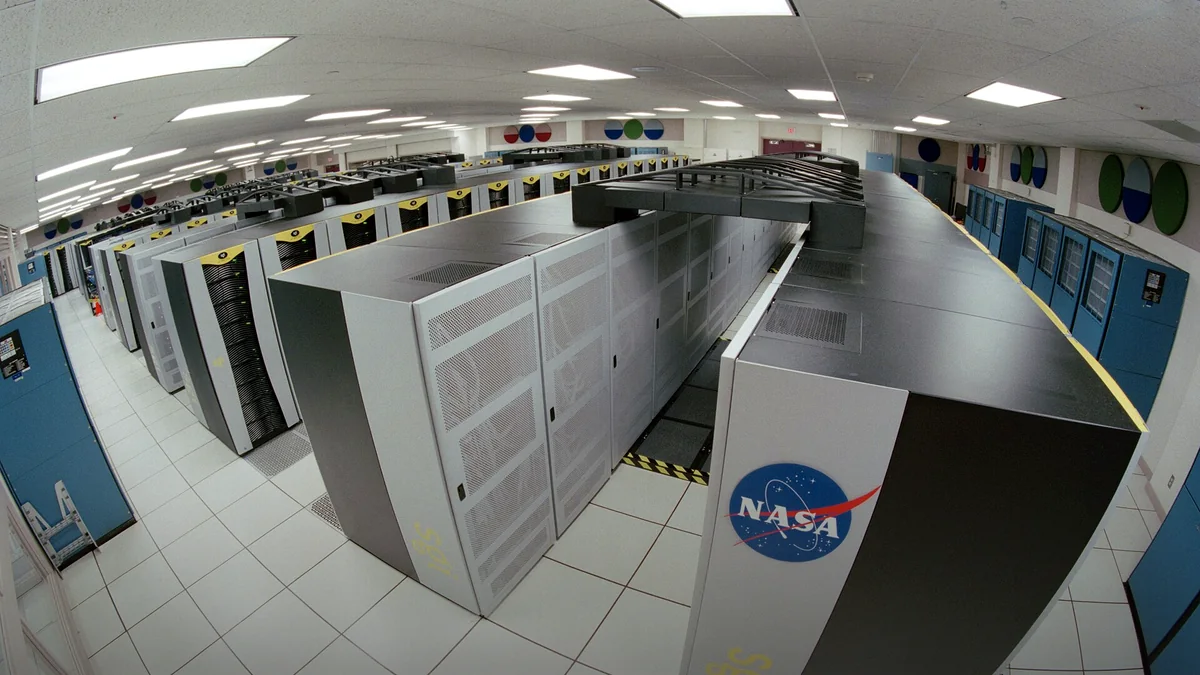
By the time you have made coffee, come down in the lift and taken cash from a machine, you have used three robots — they simply do not look the way they do in films. A robot is not a body but an automated decision, and the less visible it is the better it works. The real weakness is not a revolt but one quiet failure.
Moonshot AI has presented Kimi K3, the largest open-weight model in history: 2.8 trillion parameters, built-in vision and a one-million-token context window. The key phrase is open weights — the model can be installed on your own hardware. The author notes that he himself runs on a competitor's model.
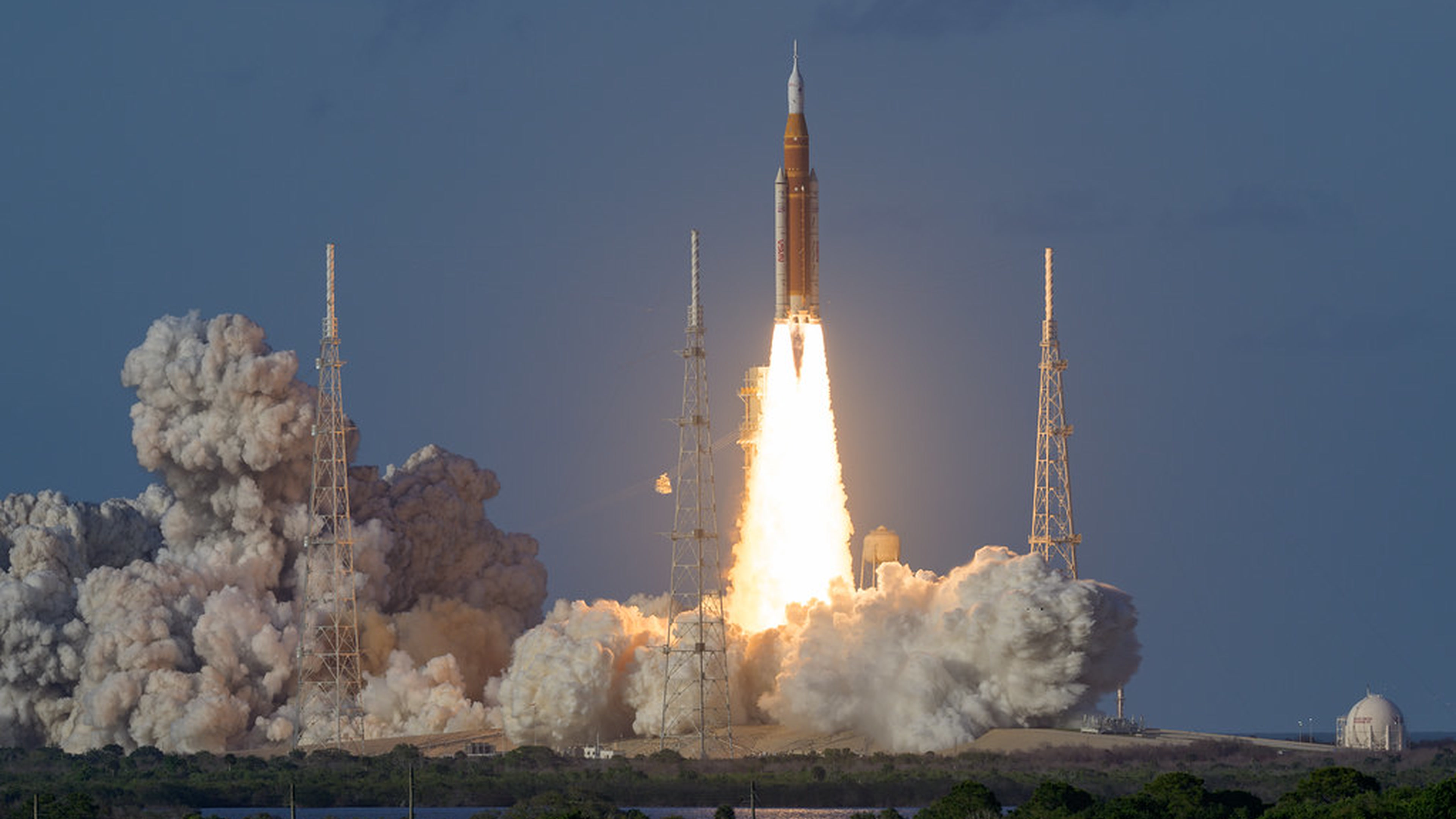
Why do we need space when there are so many problems on Earth is an honest question and deserves an honest answer. Almost everything space does comes back to Earth: satellites are weather forecasts, communications, navigation, watching over harvests and fires. And civilisations that stopped exploring began to fade.
For thousands of years people looked at the sky and envied the most ordinary bird: king of the earth, and its prisoner too. Before the first aeroplane left the ground, hundreds jumped from towers on homemade wings and died. Having achieved flight, humanity did not settle down but at once wanted to go higher.
Take a handful of stardust, give it fourteen billion years, and one day it will open its eyes and ask where it came from. The iron in your blood, the calcium in your bones and the oxygen in your breath were born inside stars that died long before the Sun. One day that matter arranged itself so as to know itself.
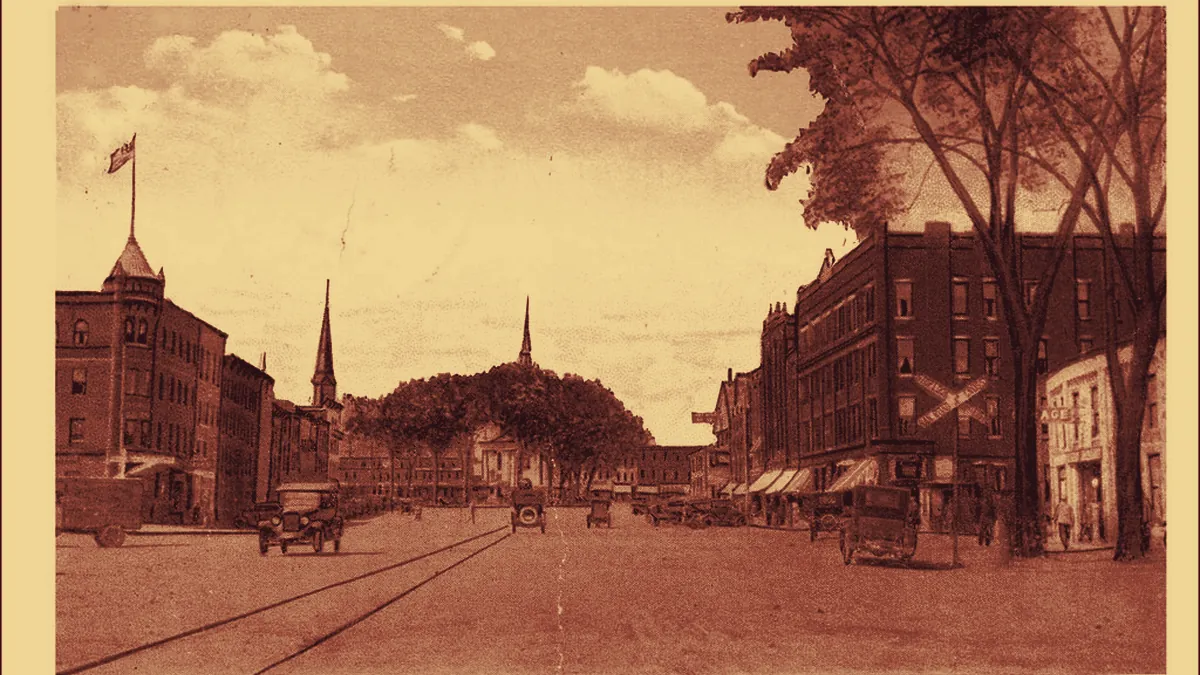
Few inventions have given people so much freedom: get in and go wherever you like, whenever you like. But the bill arrives later and is paid by everyone, including those with no car. First we fitted the city to the automobile, then discovered we live somewhere that is uncomfortable without one.
Censorship is older than the printing press, but its power always rested on one thing: control of a narrow neck — one press, one broadcaster, one censor at the entrance. The digital age smeared that neck across millions of devices. Blocking one point is easy; blocking all of them is close to impossible.


 Technology