

 Technology
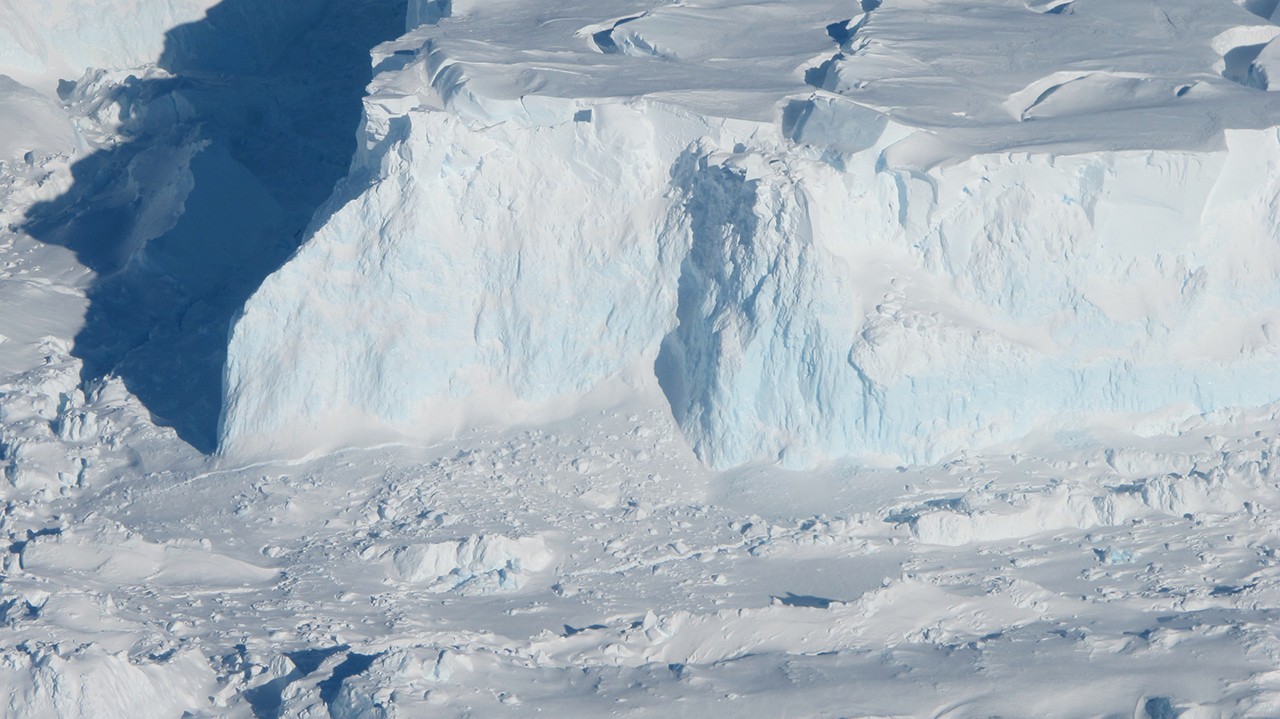
NASA model refines projections for Antarctica’s Thwaites Glacier
Some simulations put the glacier’s sea-level contribution at up to twice earlier estimates; this is a model result, not a certainty.
Technology
Some simulations put the glacier’s sea-level contribution at up to twice earlier estimates; this is a model result, not a certainty.
 Technology
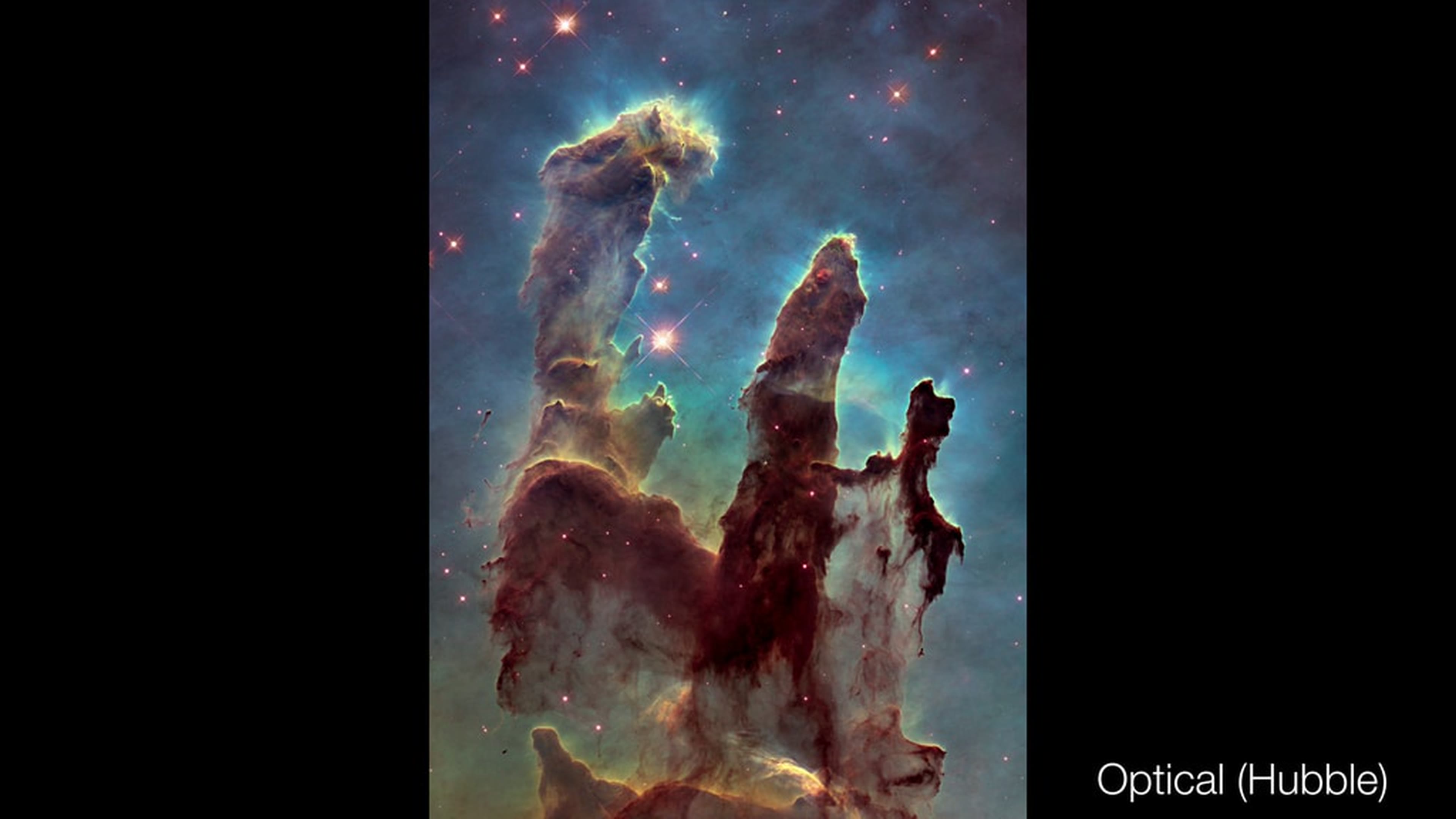
The new APOD feature sonifies M16. It maps data to audio; it is not a recording of actual noise in space.
 Technology
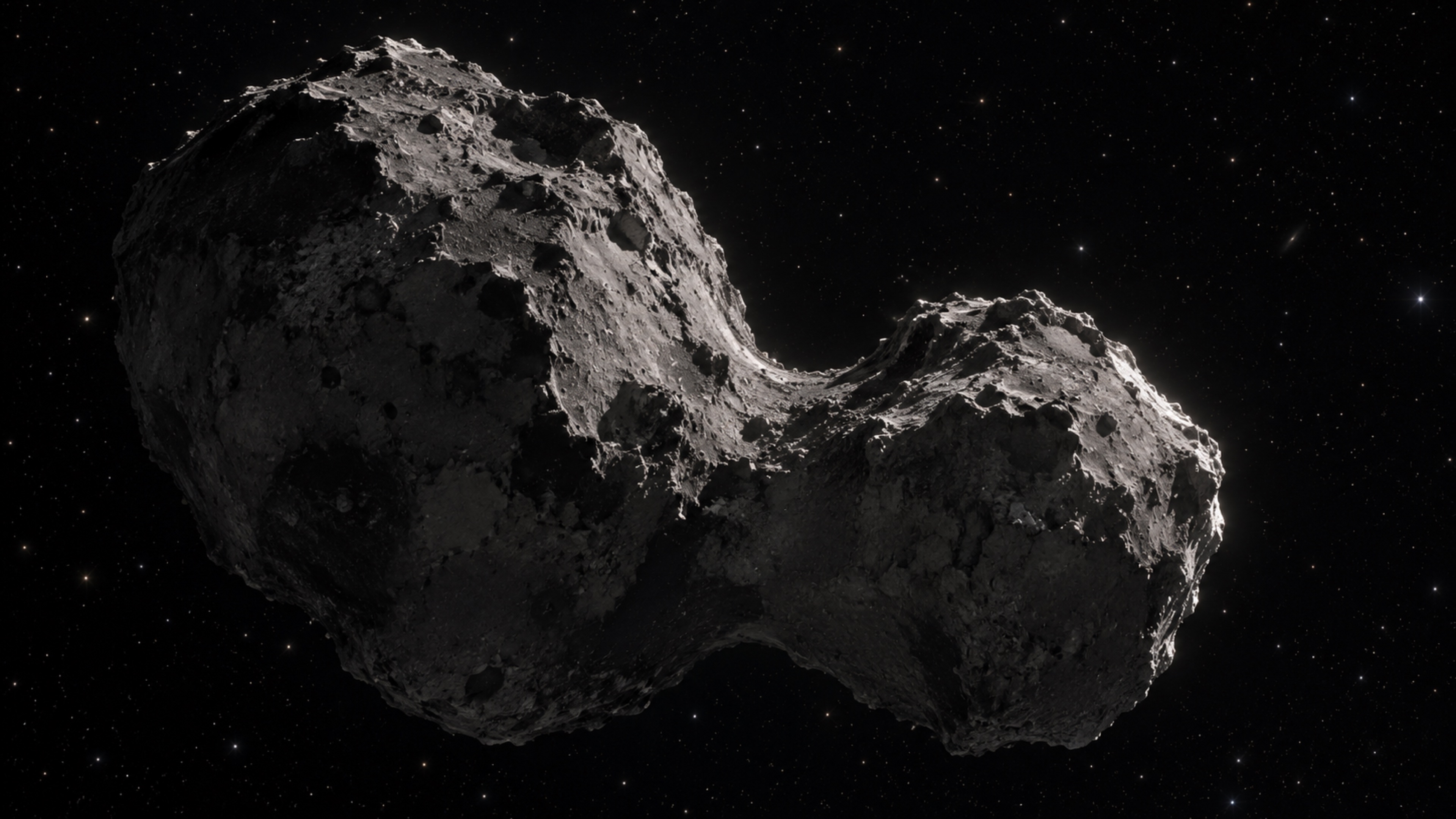
The October 17 image uses photographs taken in 2015. Here is what stereo vision adds and what is actually new.
 Technology
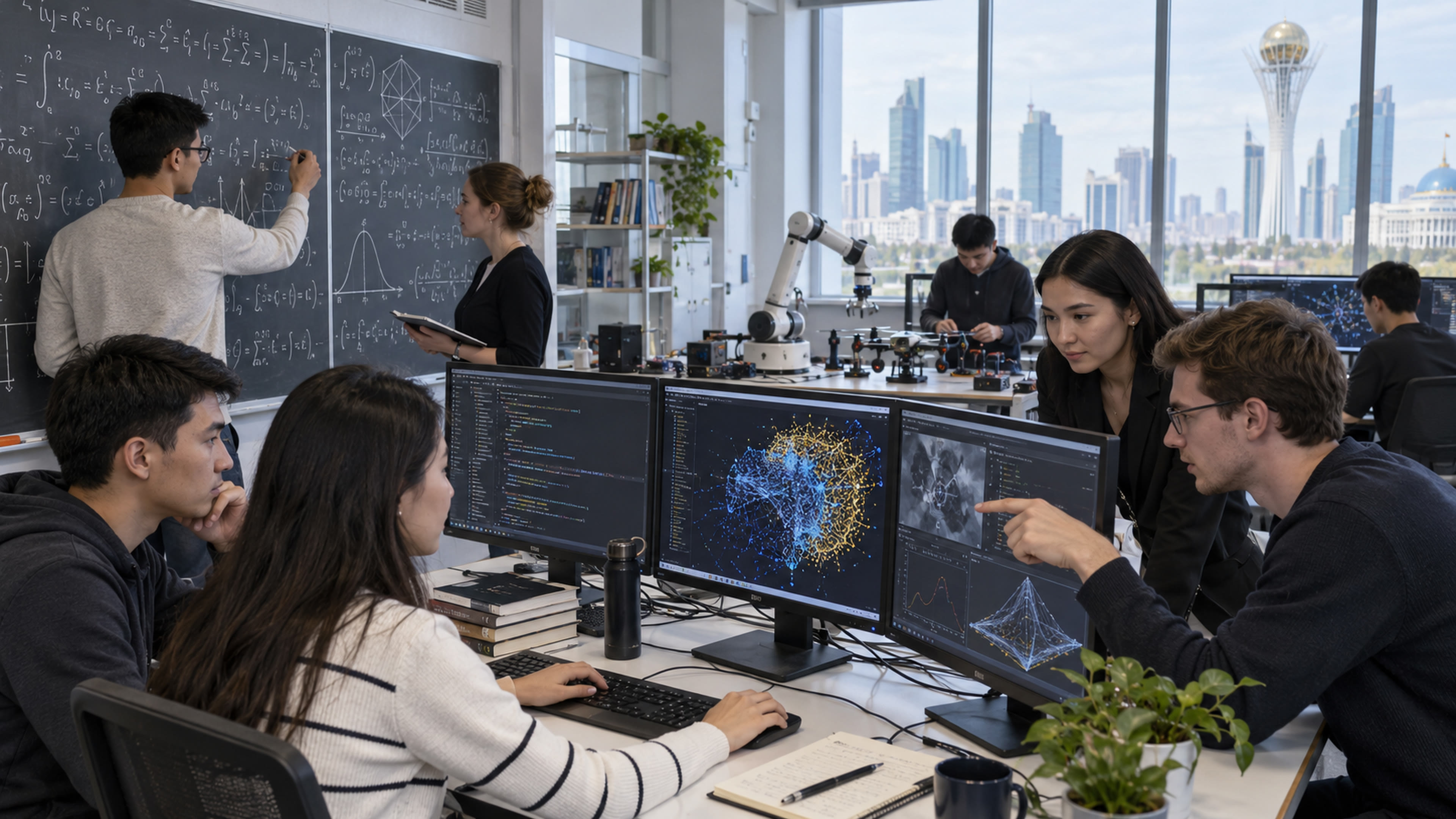
The partners describe research plans at Alem.ai, including adaptive learning and Parkinson’s screening, but the lab is yet to open.
 Technology
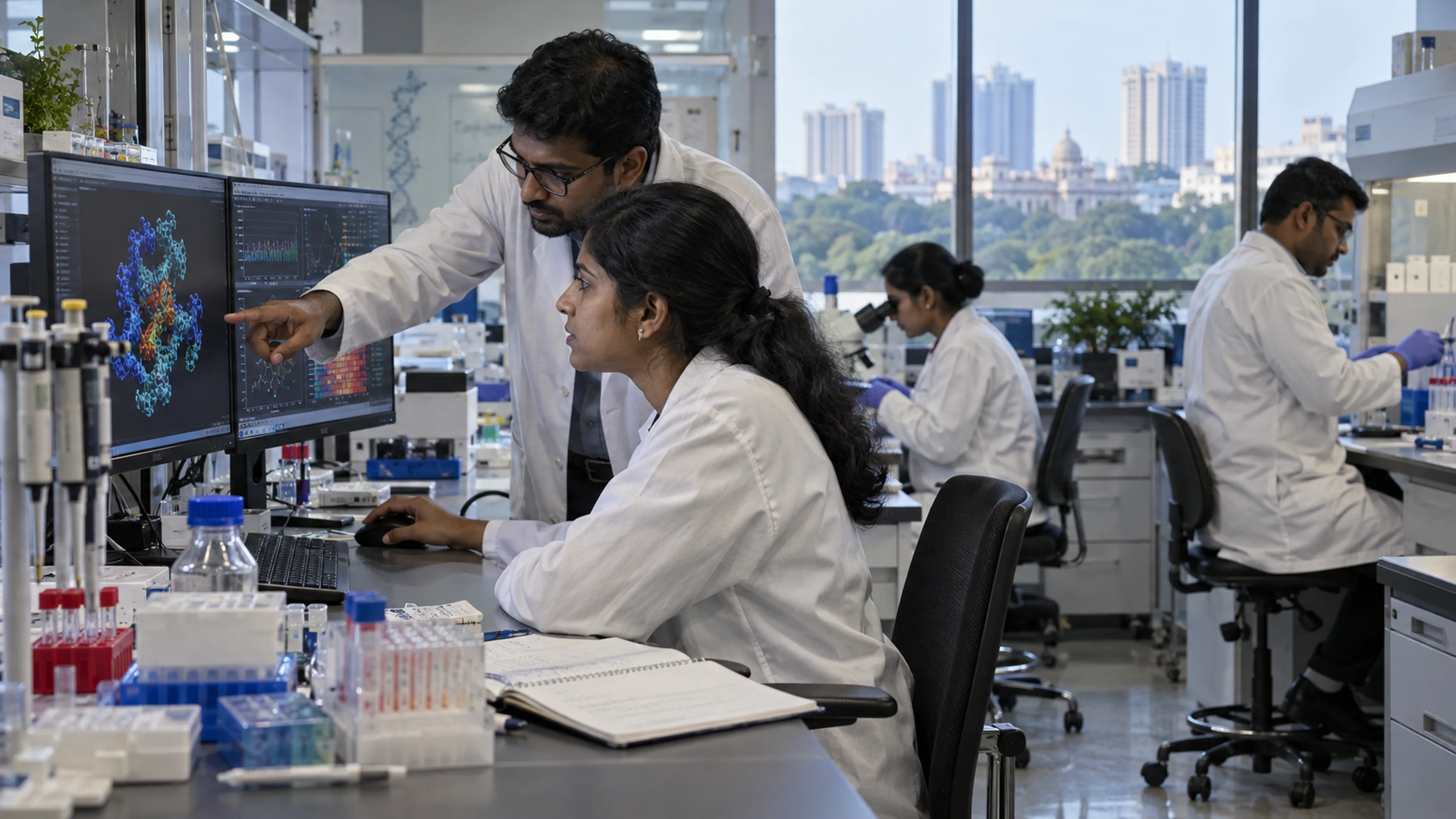
India announced an agreement on October 12 to support Peptris Technologies with ₹86 crore. Four AI-discovered drug candidates are to move through preclinical work toward possible trials. The funding supports research; it is not an announcement of approved medicines.
 Technology
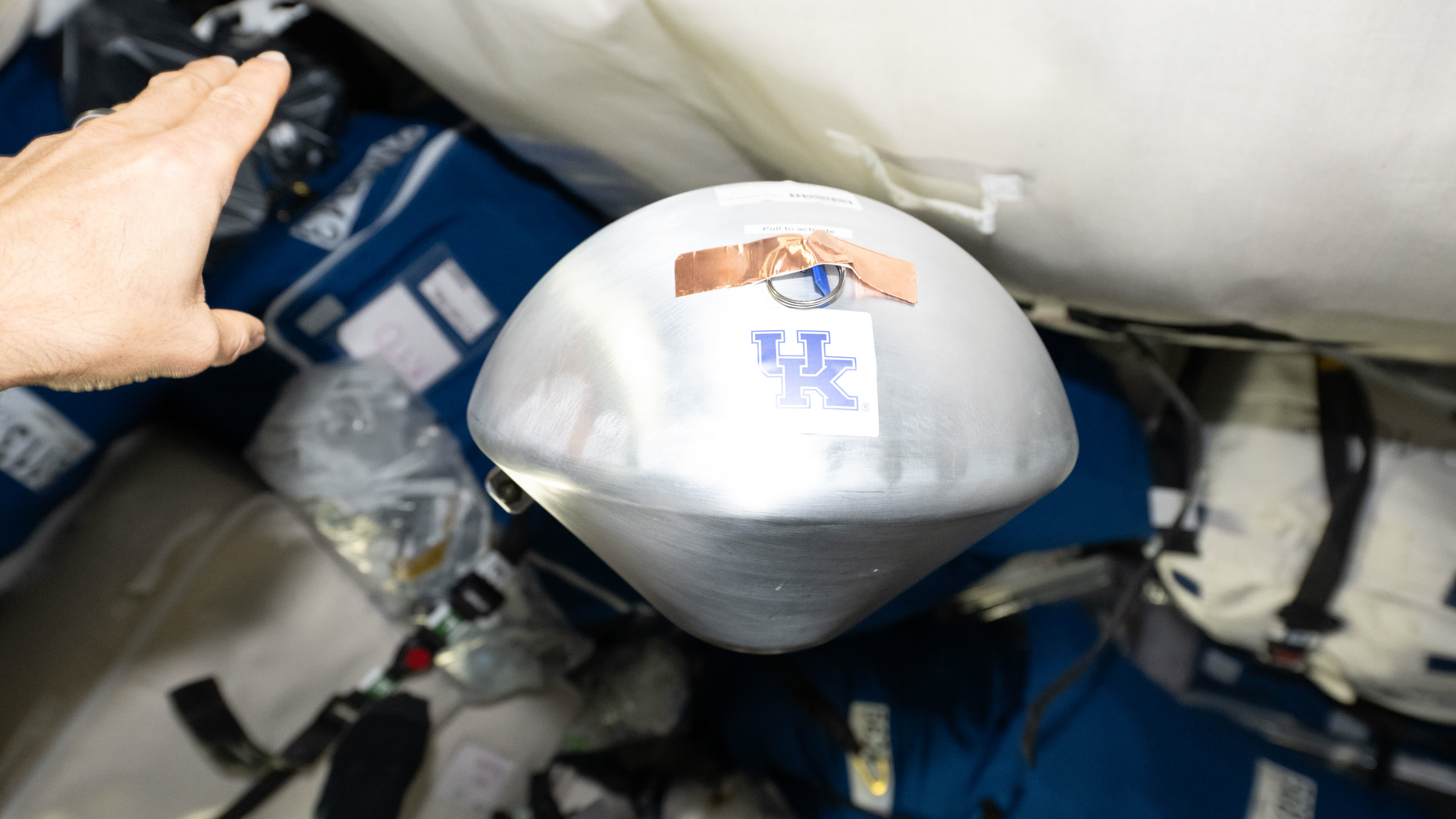
NASA’s KREPE-3 experiment sent 12 small sensor-equipped capsules with a departing Cygnus cargo craft to test different heat-protection materials during atmospheric re-entry. The data may inform future Moon and Mars vehicles, but the experiment is not a crew-ready shield.
 Technology
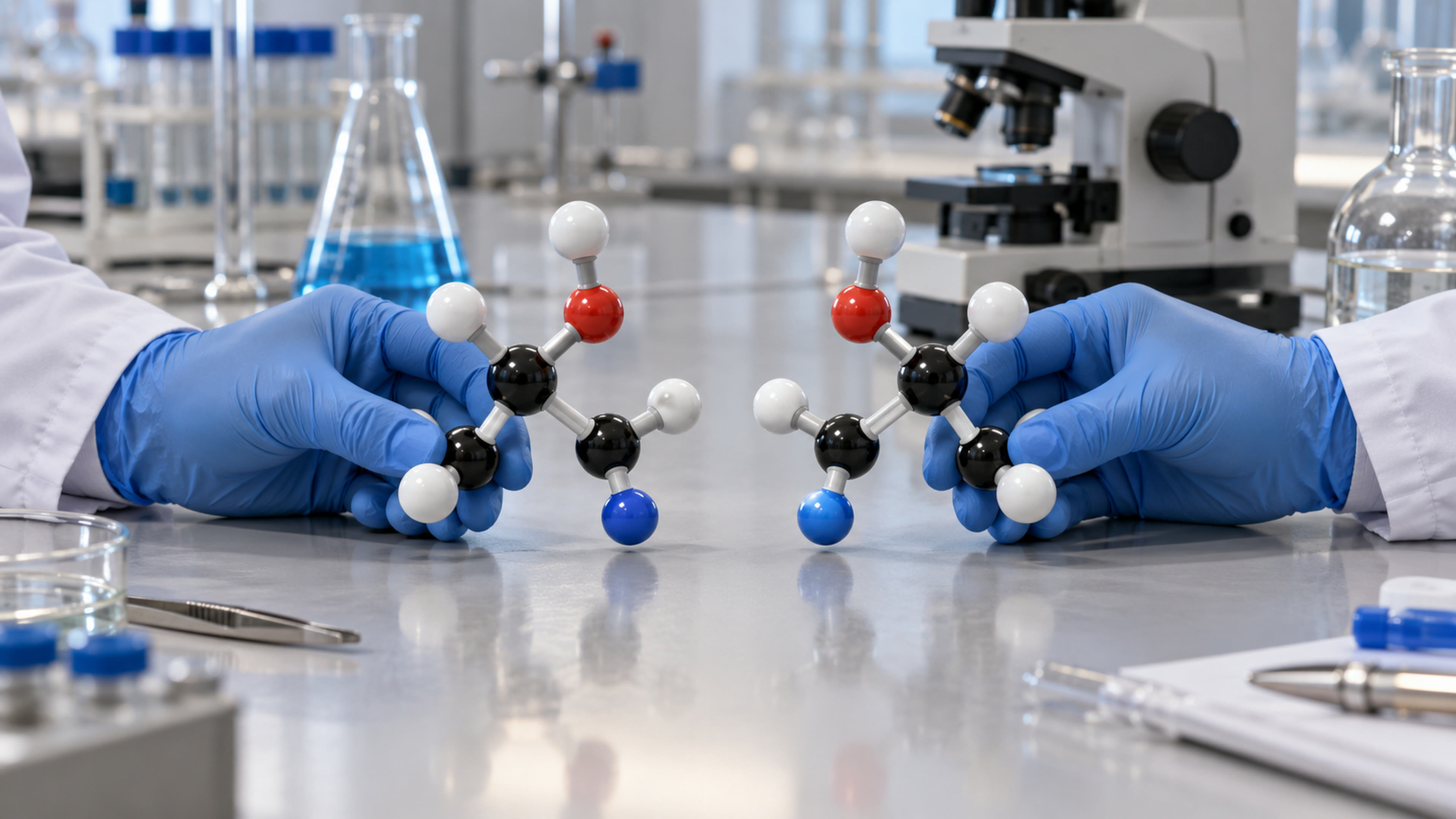
Henri B. Kagan and Kenso Soai won the 2026 Nobel Prize in Chemistry for discoveries in asymmetric synthesis. Their work helps explain how a reaction can favour one of two mirror-image forms of a molecule, a distinction that matters when making compounds for medicines.
 Technology
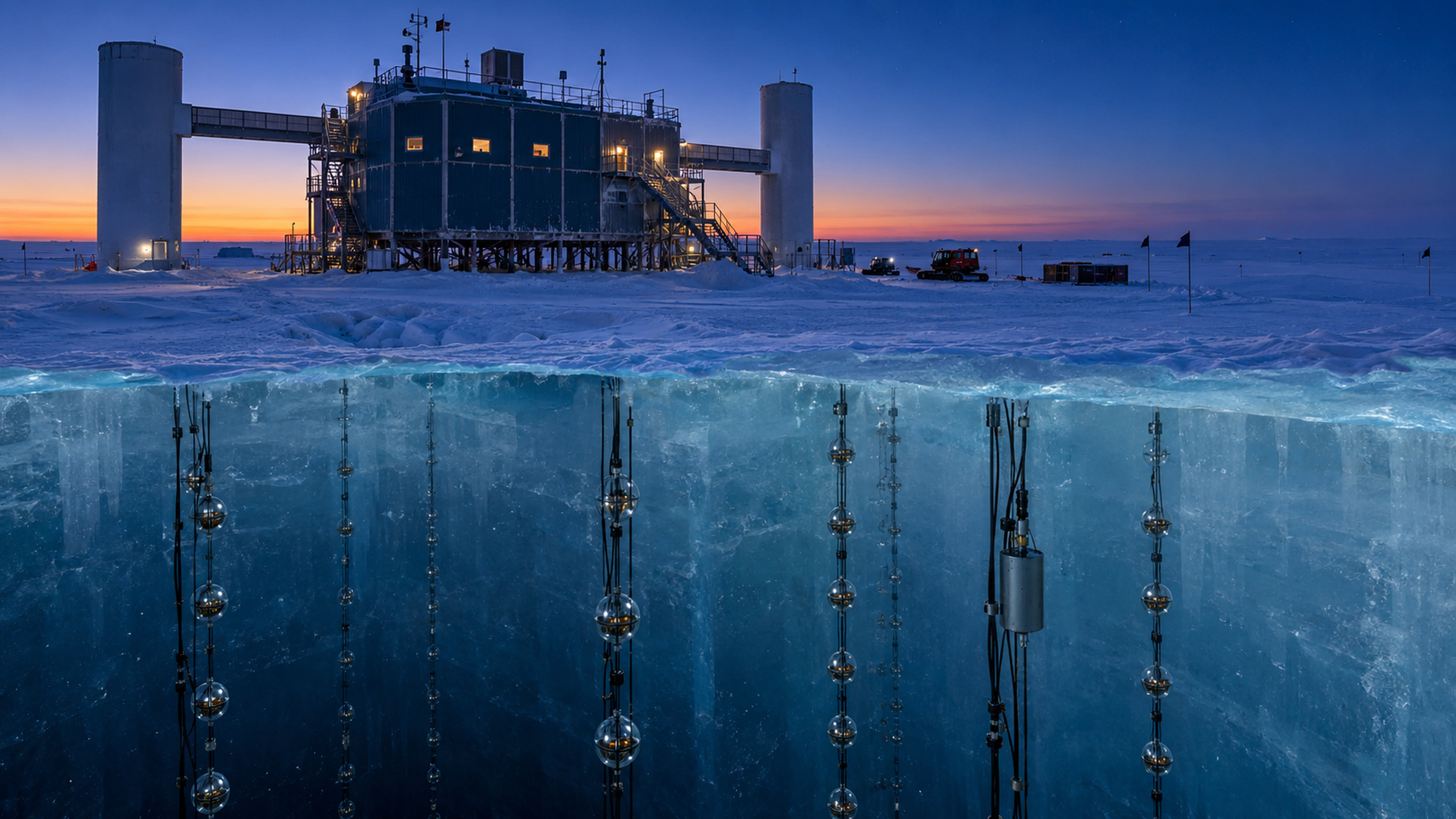
Francis Halzen won the 2026 Nobel Prize in Physics for decisive contributions to IceCube and the discovery of high-energy neutrinos from space. How did South Pole ice become a way to study the universe?
 Technology
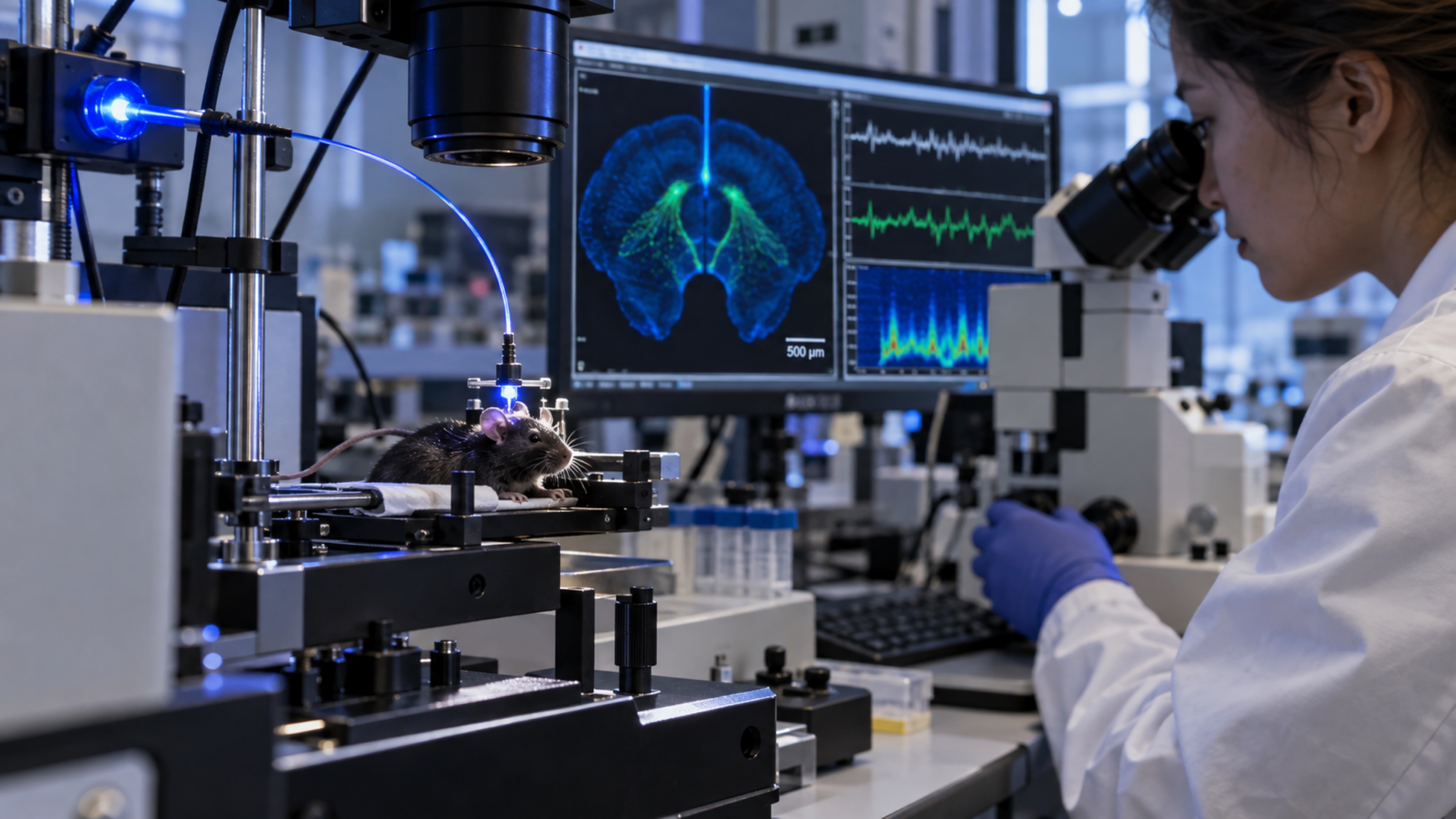
Karl Deisseroth, Peter Hegemann and Georg Nagel have been awarded the Nobel Prize for work that enabled optogenetics. Light-sensitive proteins let researchers control cell activity and test how neural circuits function.
 Technology
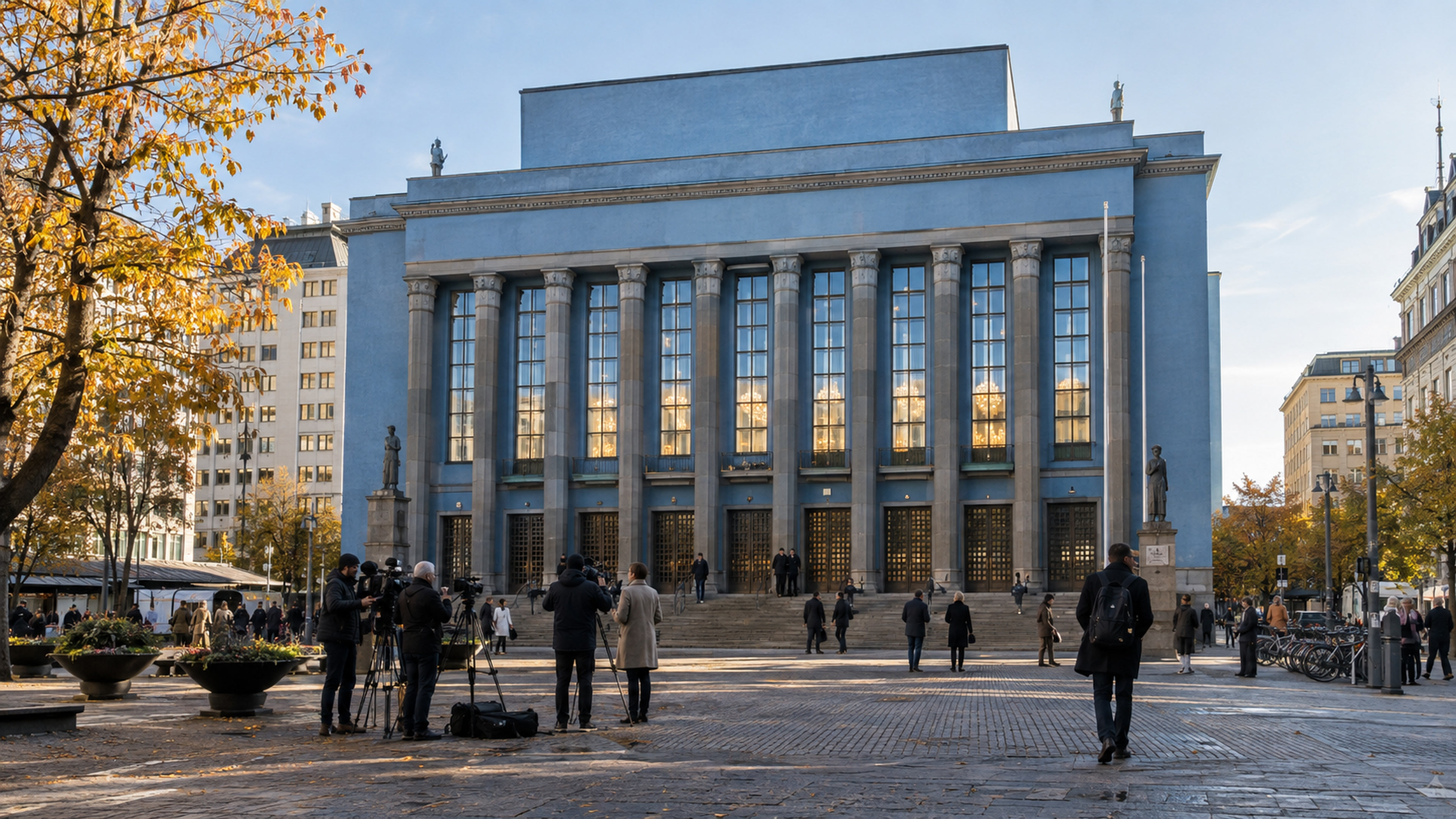
The 2026 Nobel Prize laureates will begin to be announced on 5 October. Over eight days, the prizes in medicine, physics, chemistry, literature, peace and economics will be revealed. Here is the official Stockholm timetable, where to watch and why pre-announcement candidate lists remain speculation.
 Technology
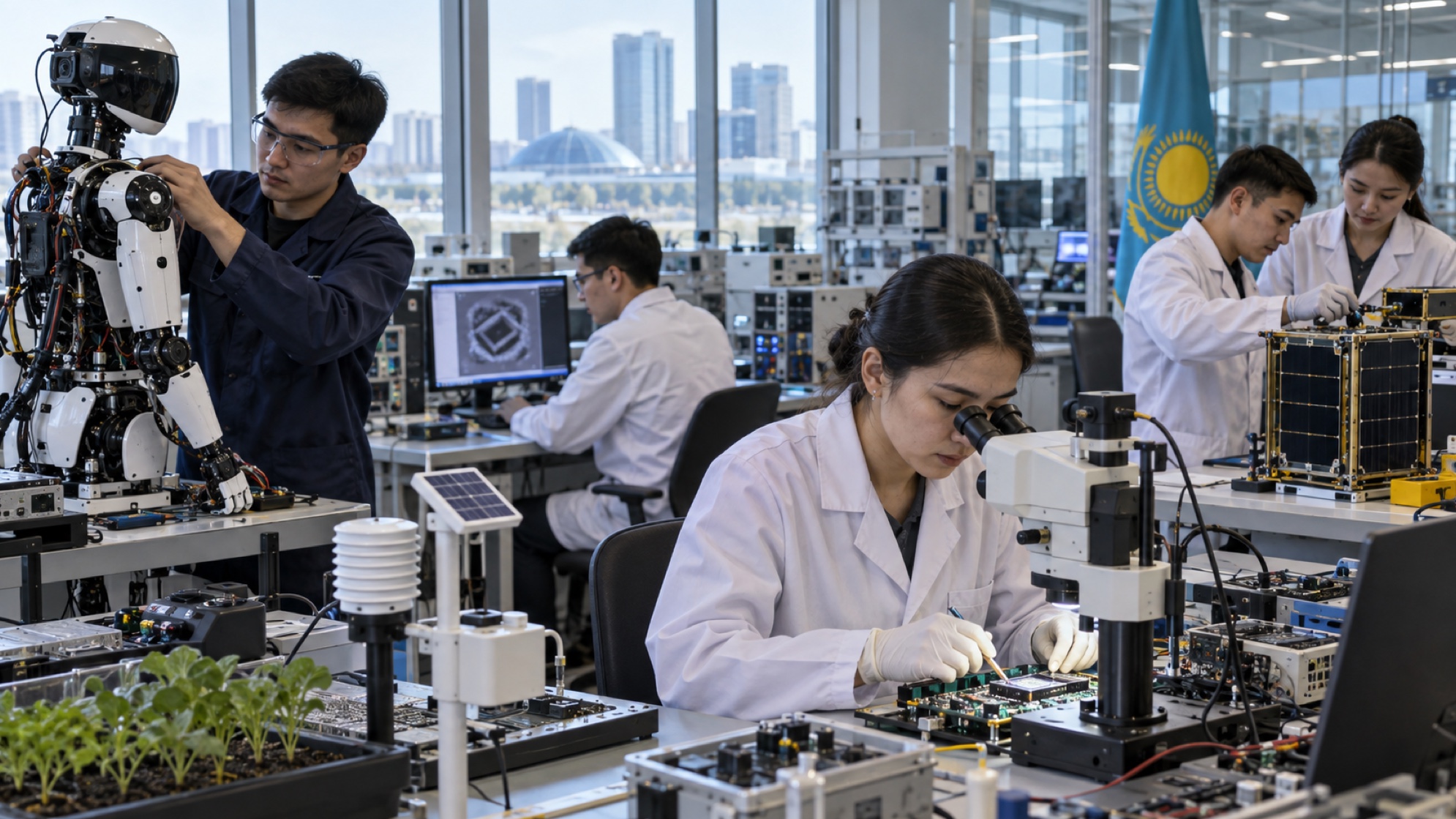
Kazakhstan ranks 73rd among 139 economies in the 2026 Global Innovation Index. Digital public services and utility models stand out, but a higher score does not automatically mean more products reach the market.
 Technology
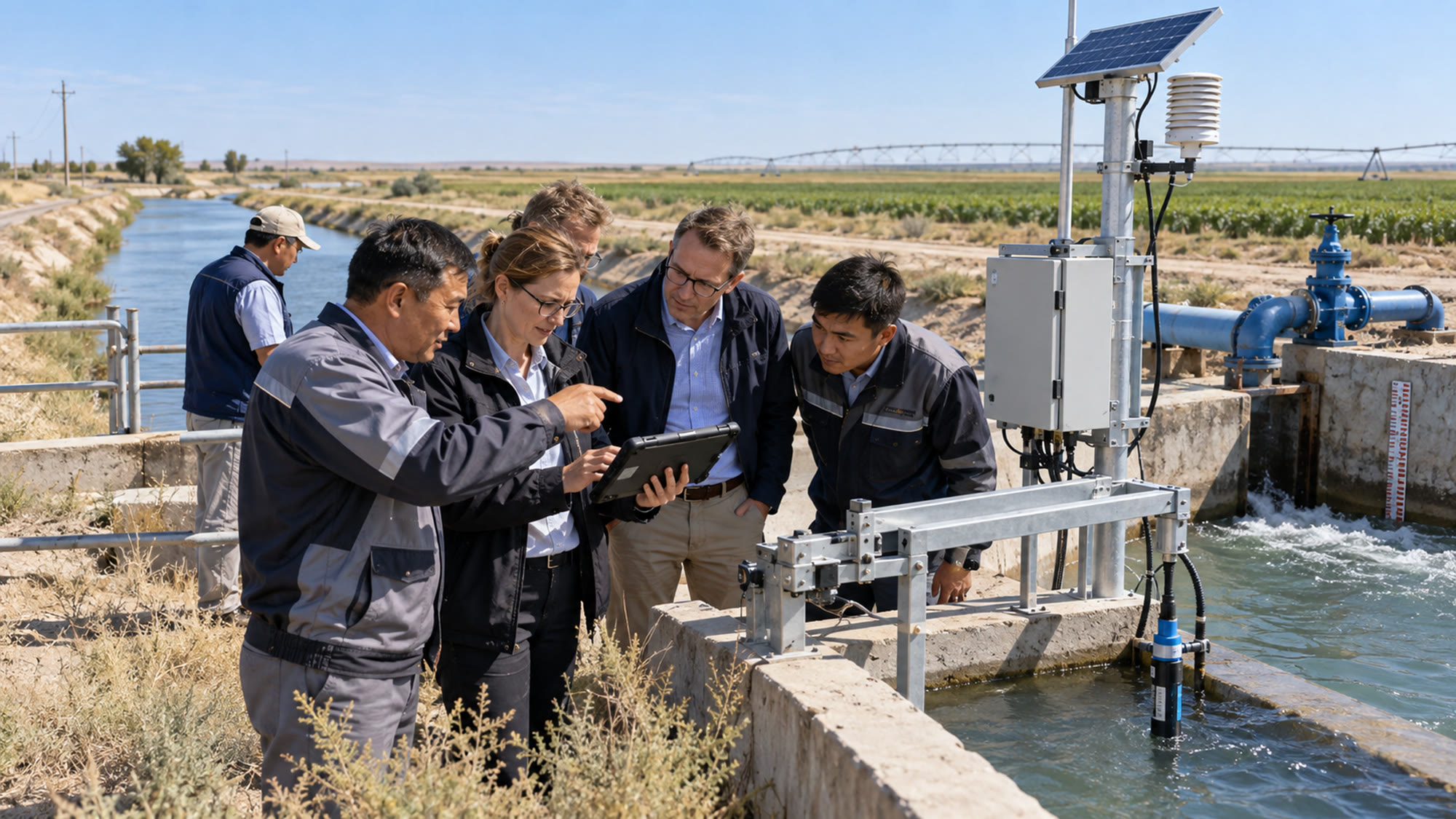
Kazakhstan and Germany are discussing a joint water hub for technology exchange, digital metering and pilot projects. It will matter if sensors, models and engineering expertise produce measurable results: lower canal losses, more precise irrigation and transparent water use.
 Technology
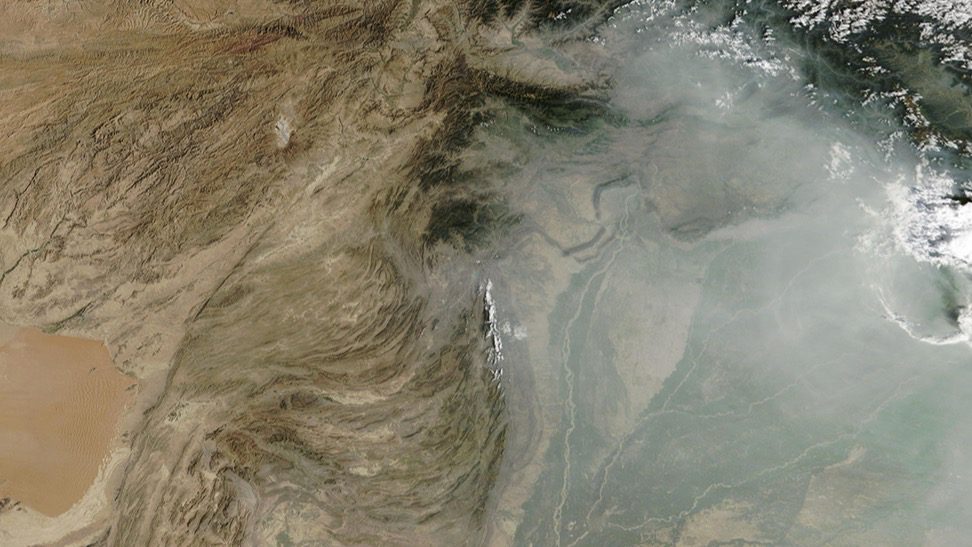
NASA’s Terra satellite captured dense grey haze over northern Pakistan on 24 September. The agency points to crop fires, dust, traffic, industry and a temperature inversion that acts like a lid, trapping polluted air close to where people live and breathe.
 Technology
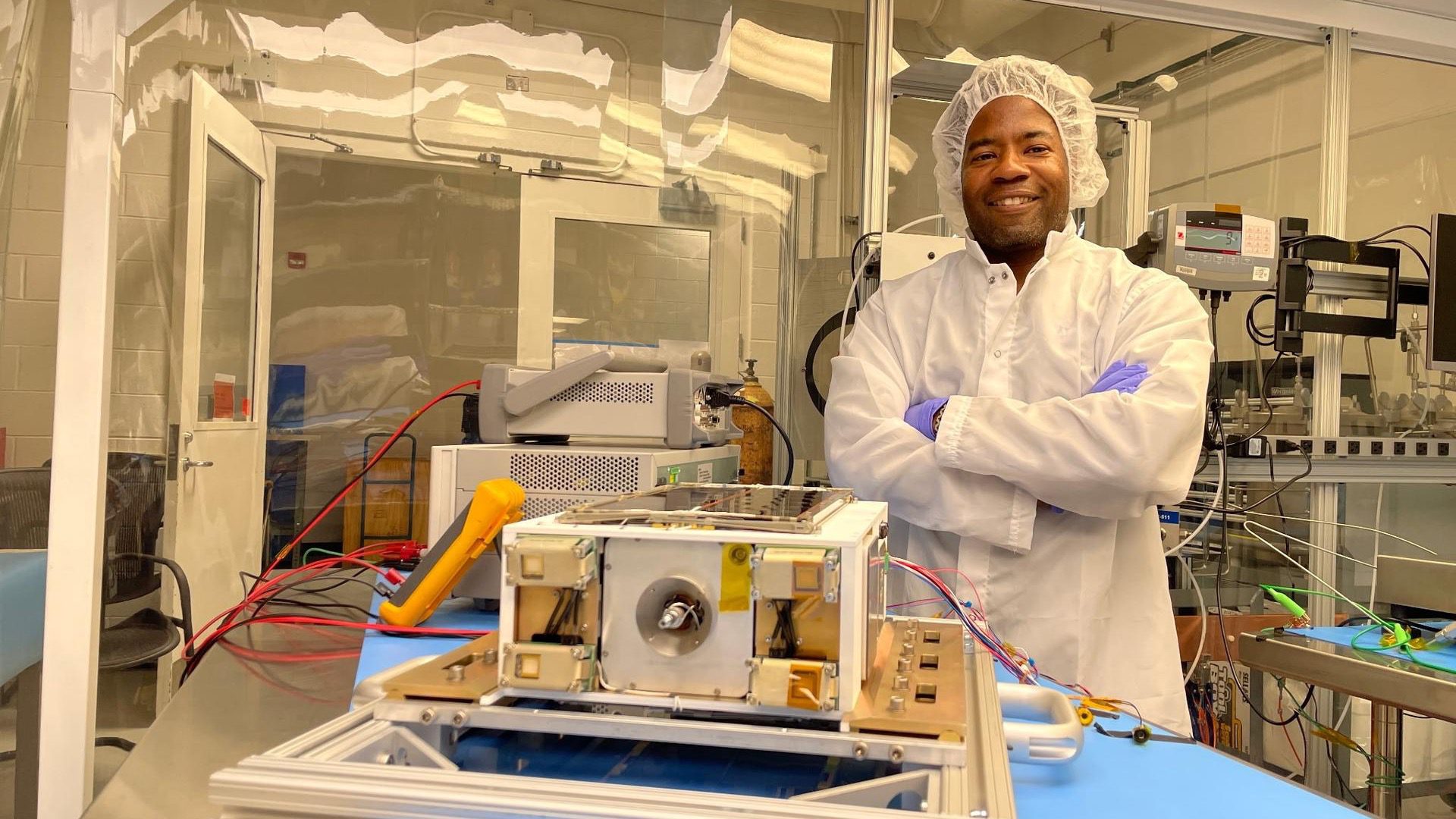
NASA has completed ground testing of the ASCENT Propulsion Dual Mode CubeSat. The large-shoebox-sized spacecraft feeds one non-toxic propellant to both a high-thrust chemical engine and efficient electric microthrusters. Here is how the system works, what testing it passed, and what the nine-month orbital demonstration must prove.
 Technology
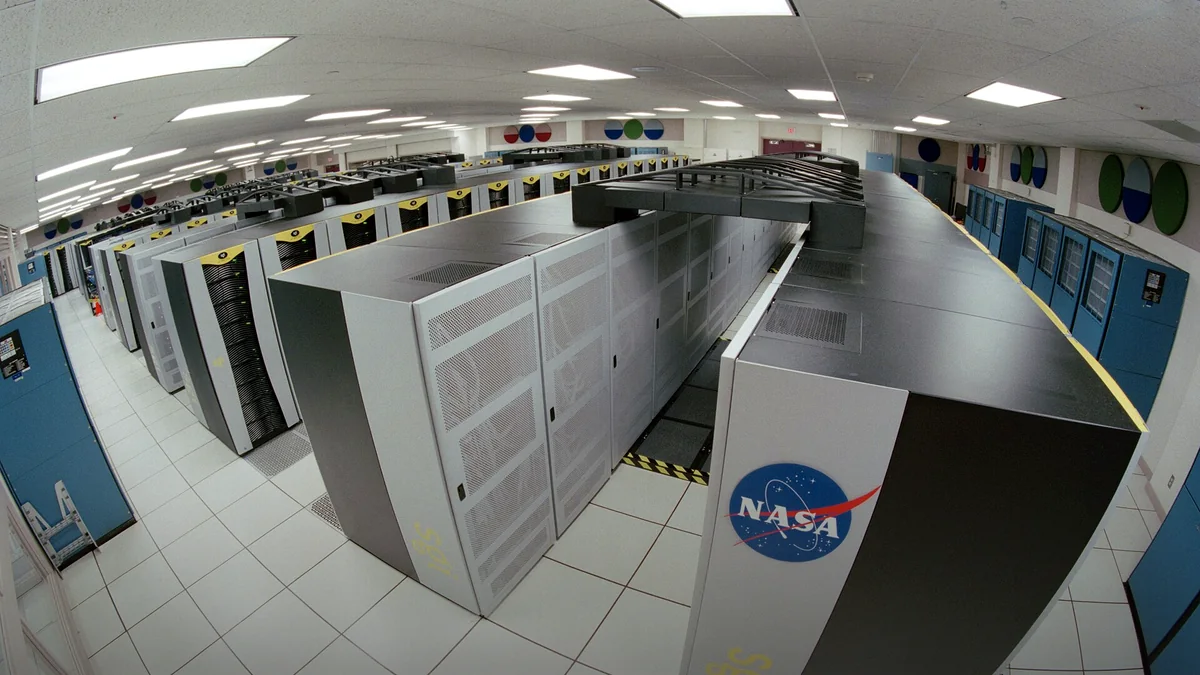
Moonshot AI has presented Kimi K3, the largest open-weight model in history: 2.8 trillion parameters, built-in vision and a one-million-token context window. The key phrase is open weights — the model can be installed on your own hardware. The author notes that he himself runs on a competitor's model.
 Technology
Take a handful of stardust, give it fourteen billion years, and one day it will open its eyes and ask where it came from. The iron in your blood, the calcium in your bones and the oxygen in your breath were born inside stars that died long before the Sun. One day that matter arranged itself so as to know itself.