

 Technology
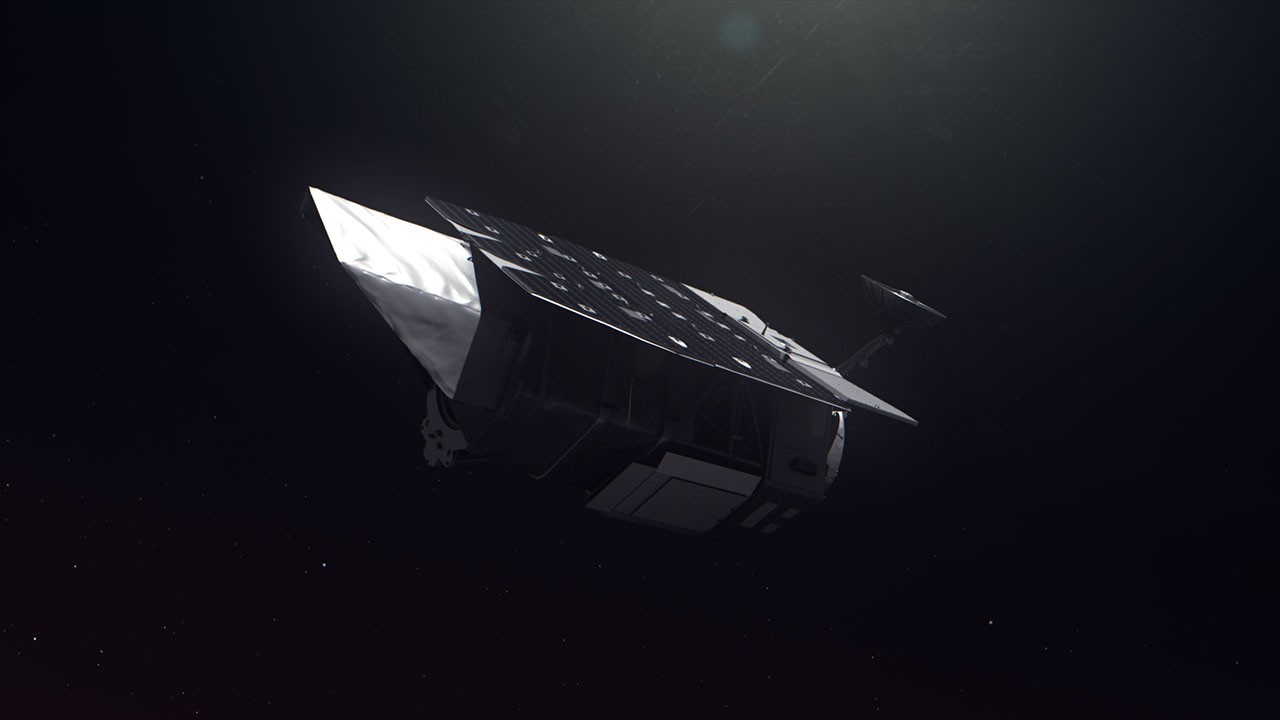
Roman telescope enters science commissioning before routine observations
NASA reports that basic observatory checks are complete, with instrument calibration and image-quality refinement now under way.
Technology
NASA reports that basic observatory checks are complete, with instrument calibration and image-quality refinement now under way.
 Technology
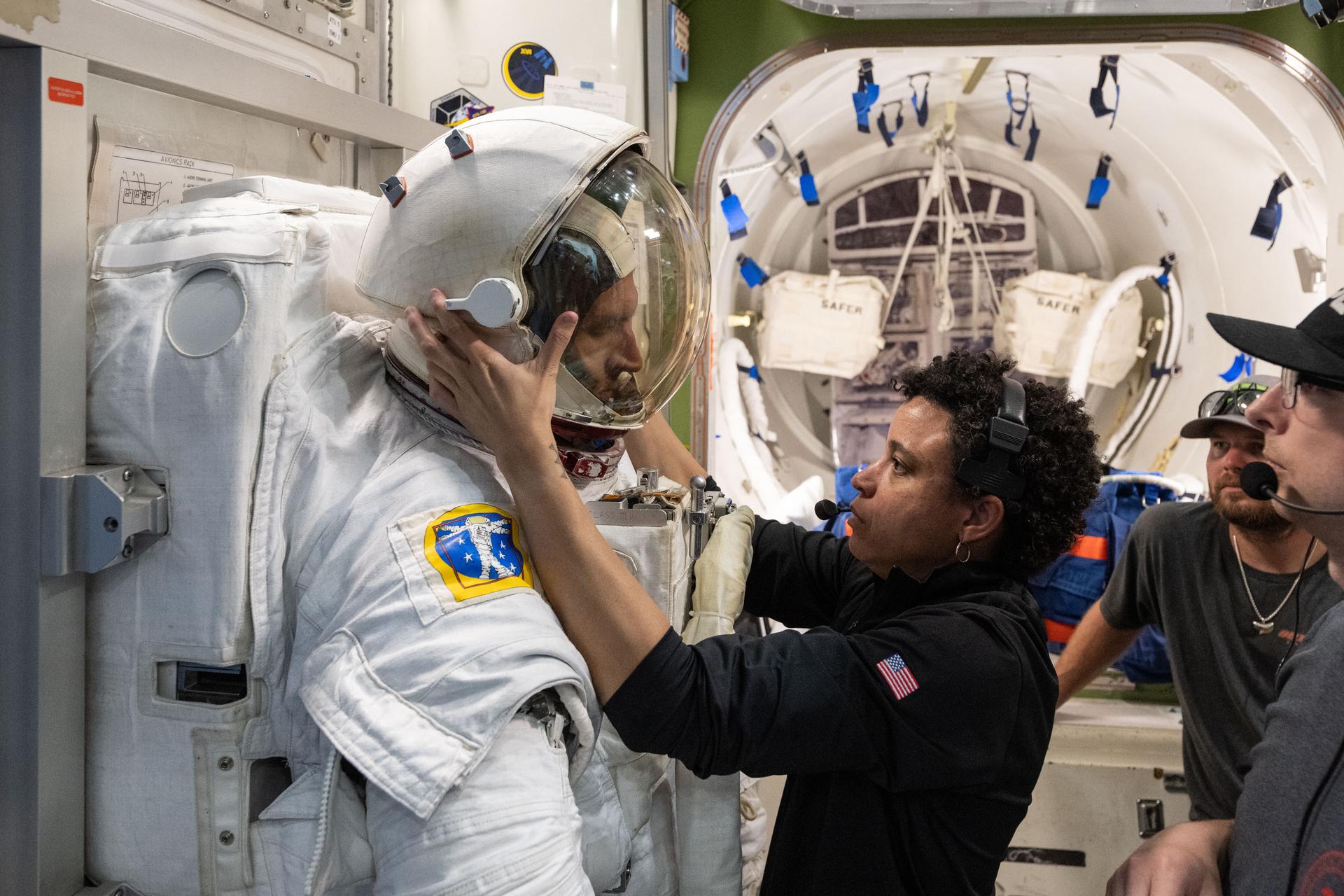
Crew members operated a bioprinter, checked a spacesuit and practised using robotic arms.
 Technology
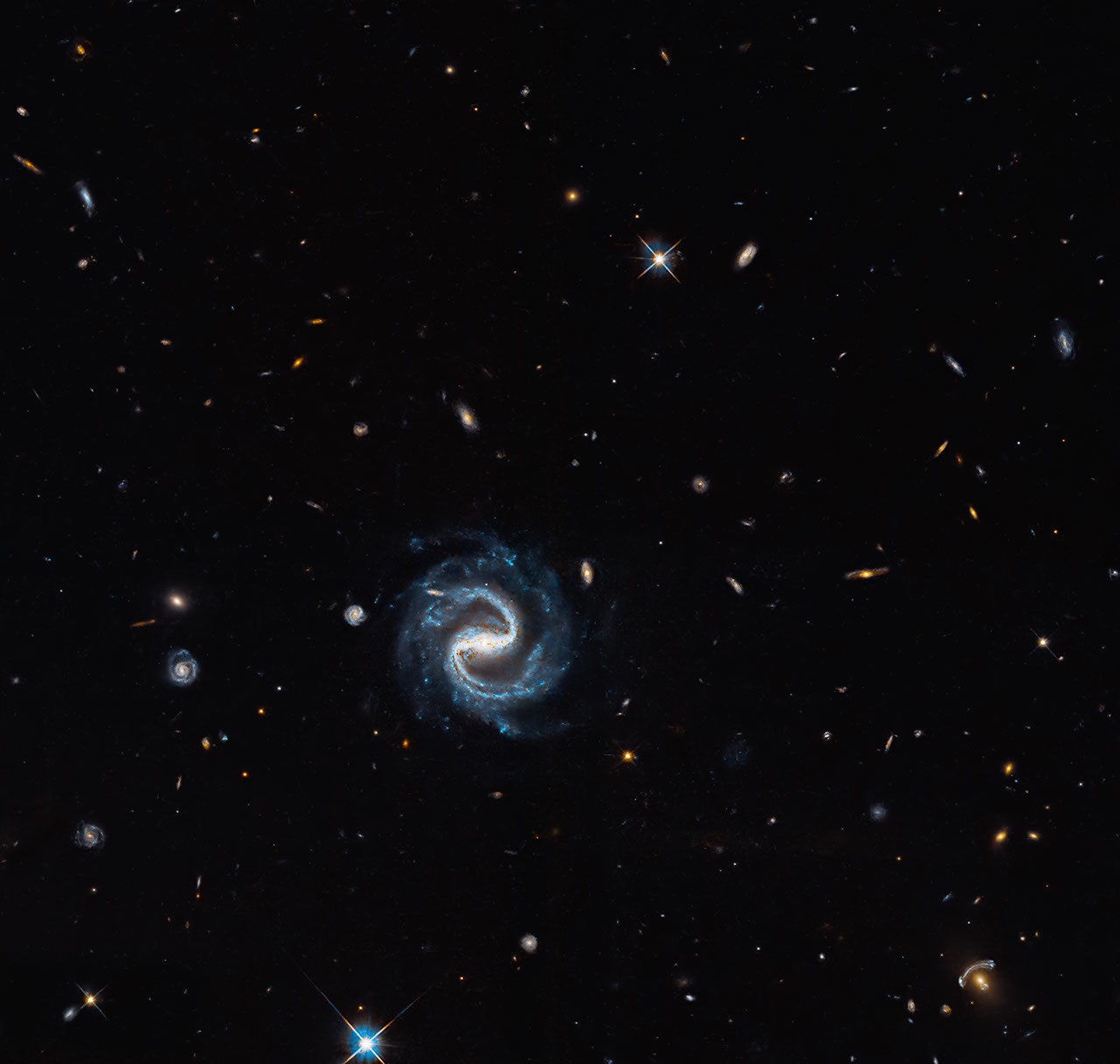
A newly published image supports methods for studying dark matter through the distortion of distant galaxies’ light.
 Technology
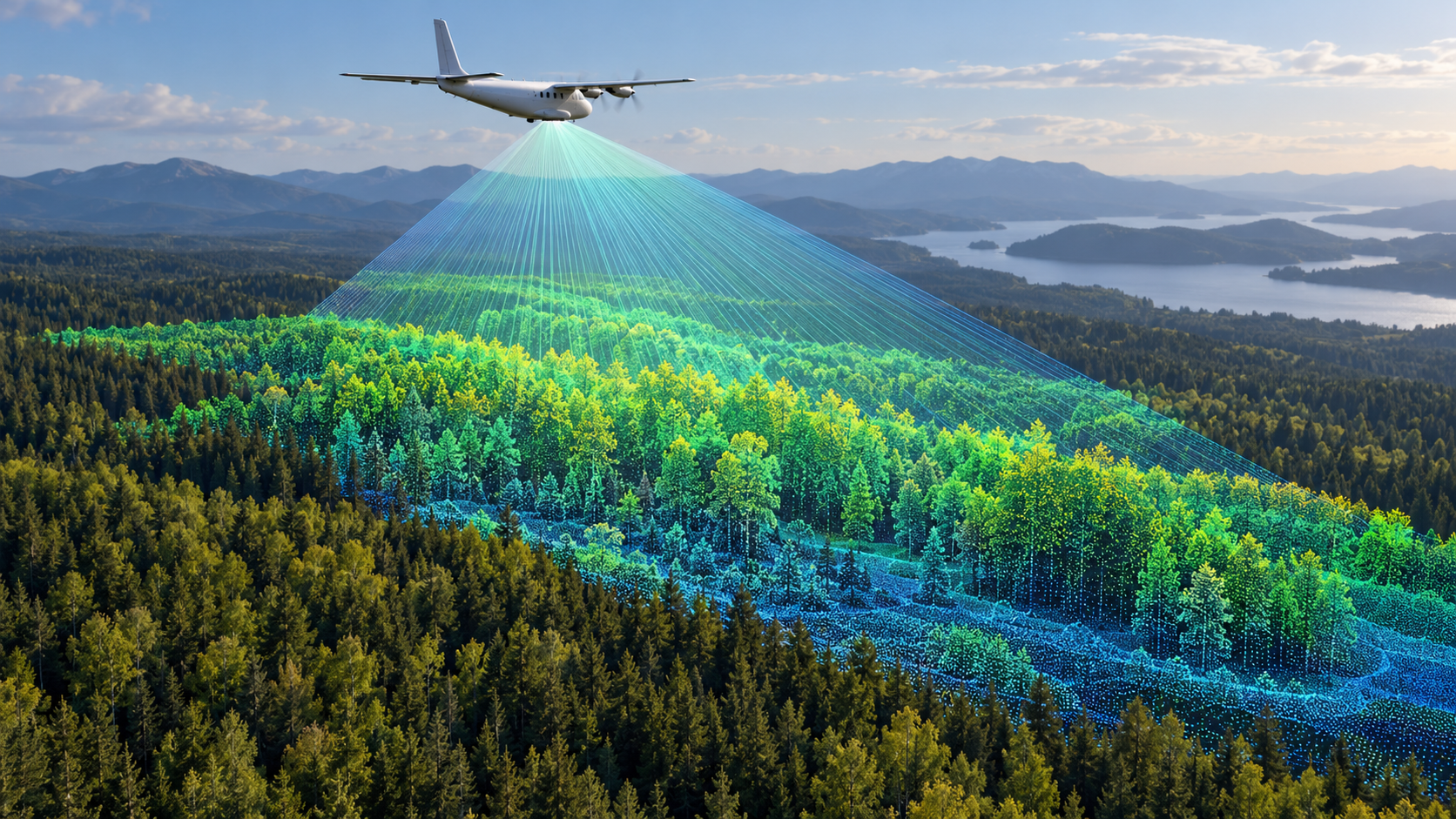
The experimental instrument has flown on an aircraft, but further development is needed before any space mission.
 Technology
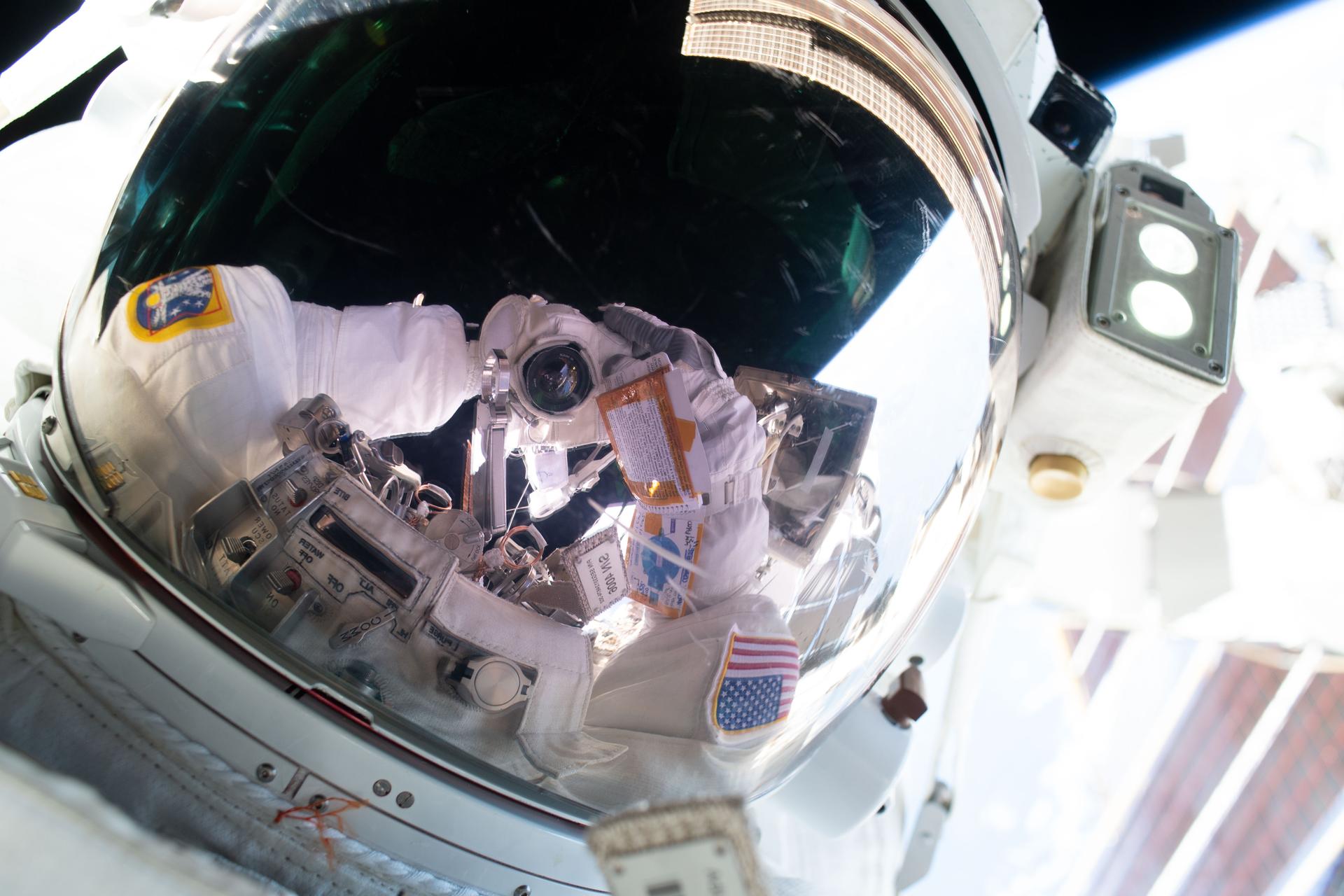
Astronauts are preparing for spacewalks on 29 October and 5 November while continuing plant-cell research.
 Technology
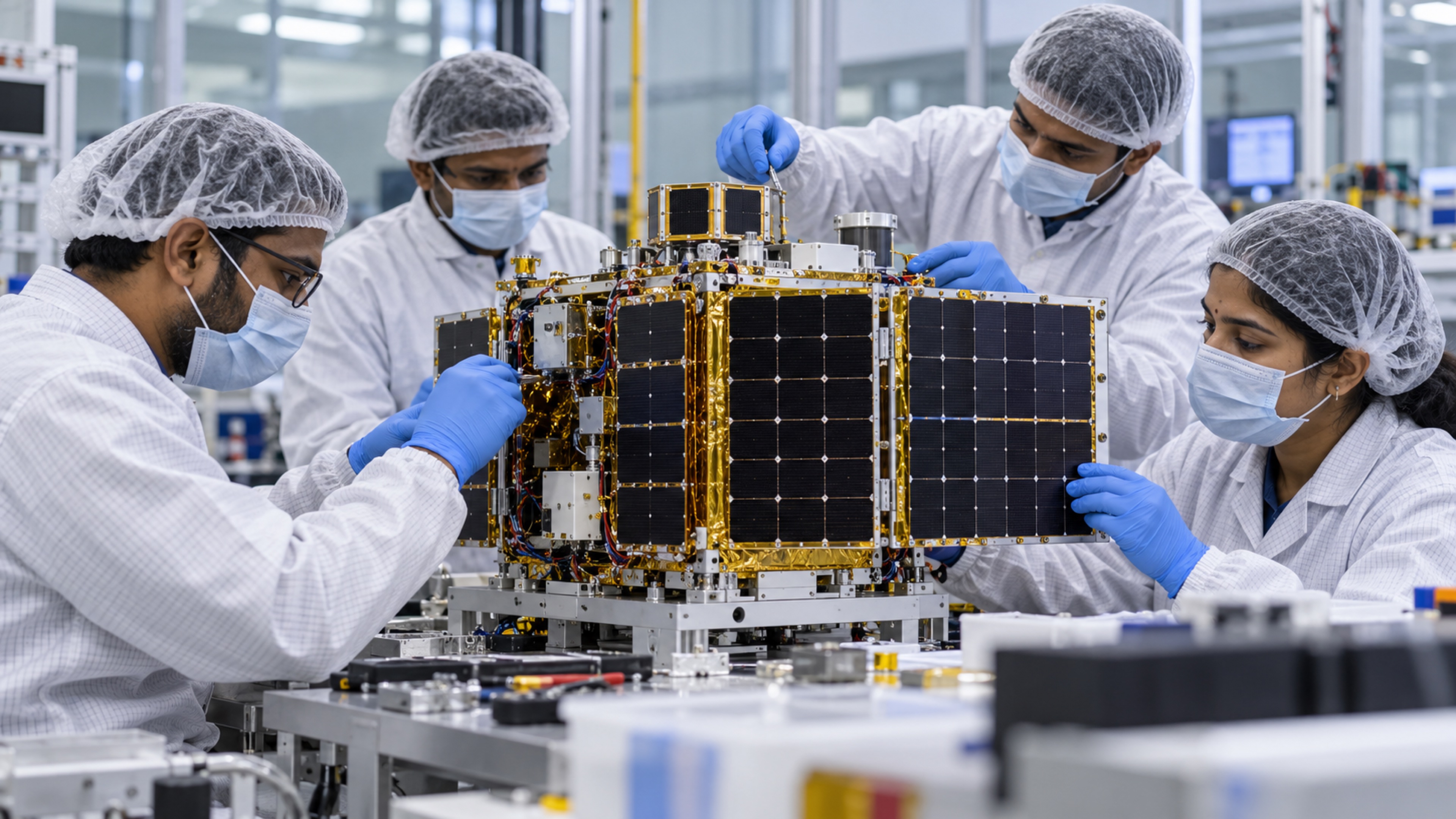
A minister outlined a seven-to-eight-year projection. It is a market ambition, not contracts already won.
 Technology
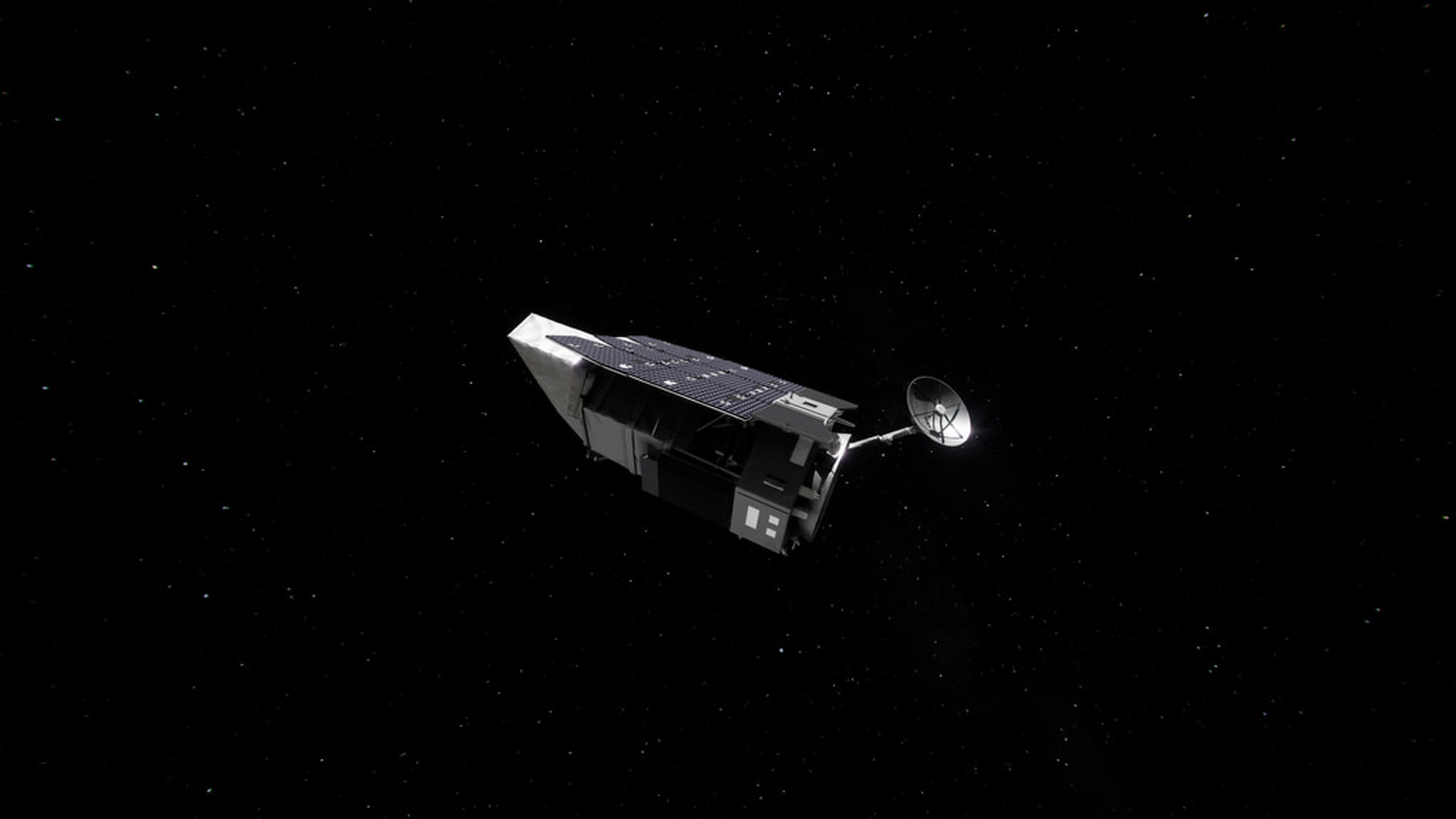
The Wide Field Instrument is performing better than its image-quality requirement after a tiny mirror adjustment.
 Technology
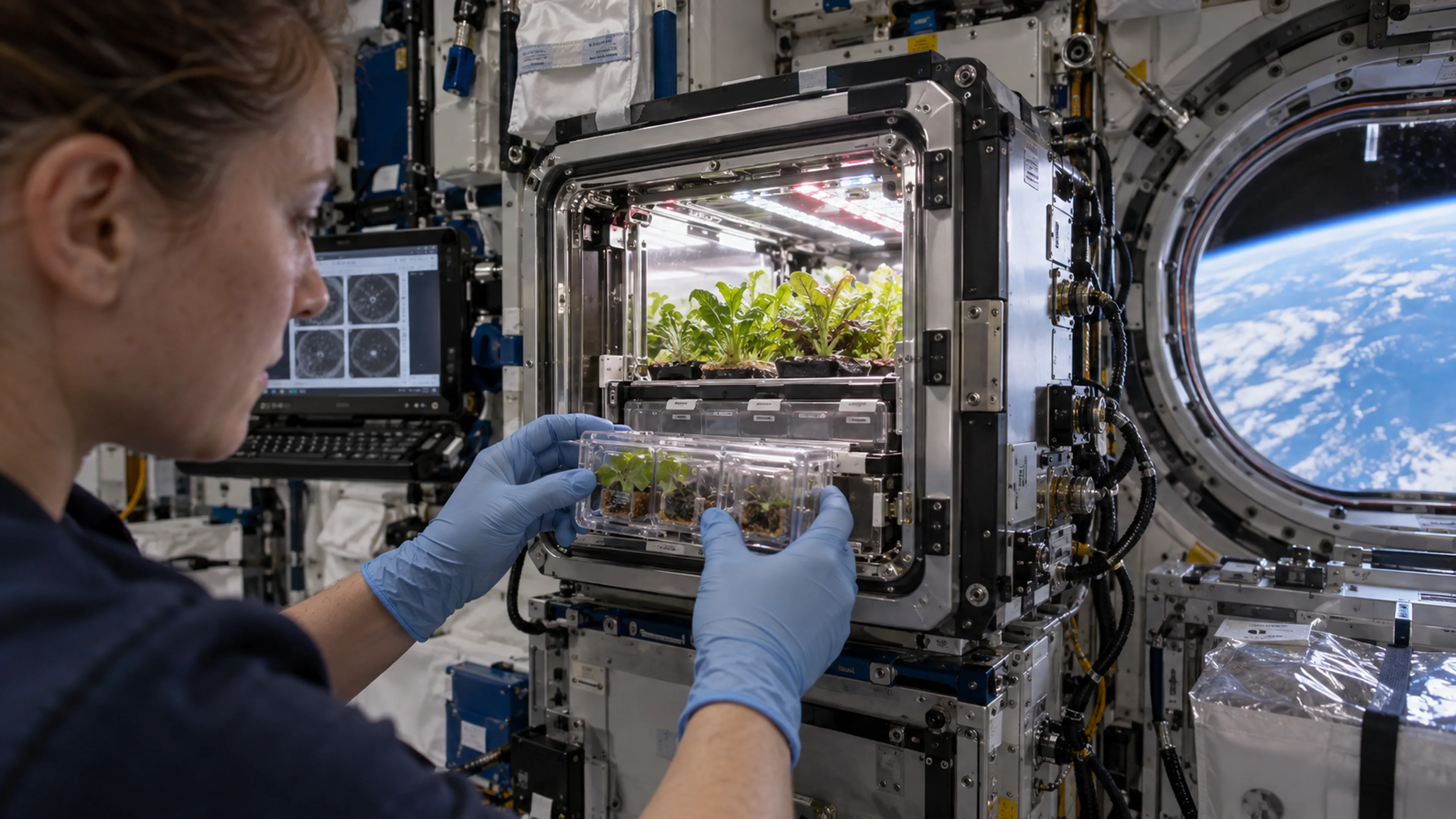
NASA outlined the science planned for SpaceX’s CRS-35 cargo mission on October 12. Lab-grown brain models, plant studies and faster crew-health tests are among the investigations. These are planned experiments, not completed medical breakthroughs.
 Technology
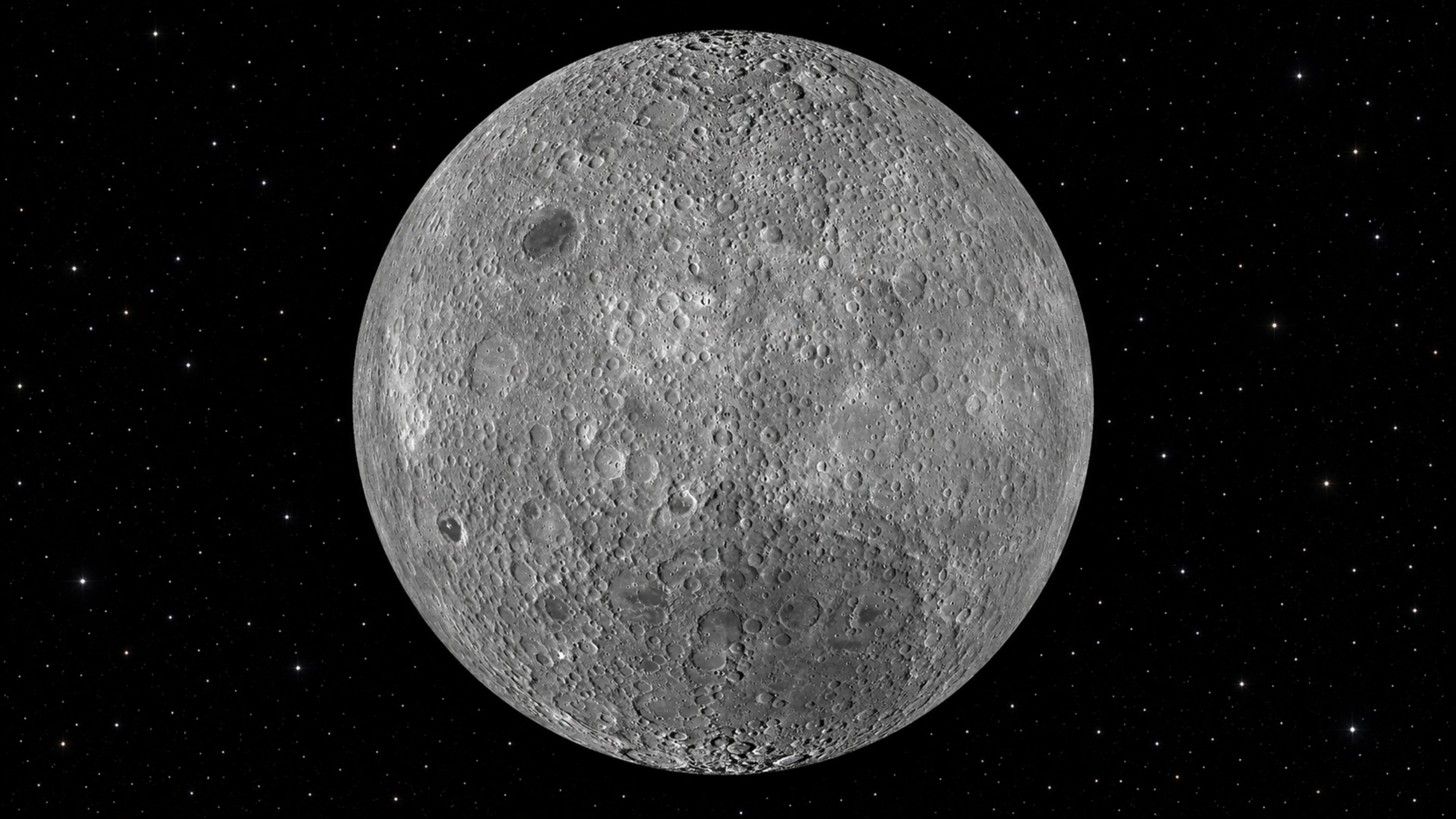
NASA published a mosaic of the Moon’s farside assembled from Lunar Reconnaissance Orbiter images. A thicker crust may help explain the scarcity of dark lava plains there.
 Technology
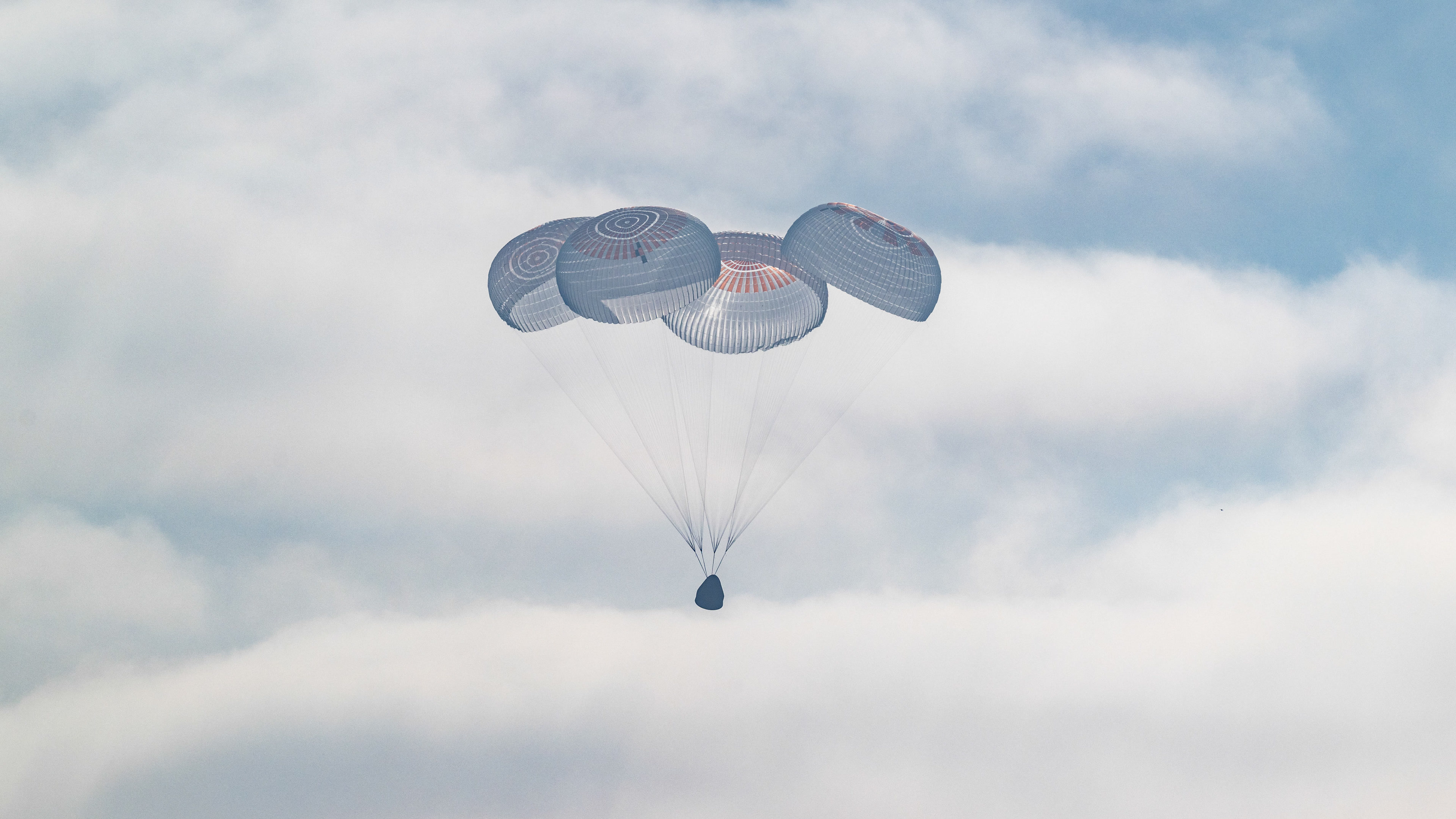
Crew Dragon Freedom splashed down off California with four crew members aboard. NASA has published a photograph of the return. NASA published a photograph on 8 October showing Crew Dragon Freedom just before splashdown in the Pacific Ocean off California. Aboard were NASA astronauts Jessica Meir and Jack Hathaway, ESA astronaut Sophie Adenot and Roscosmos cosmonaut Andrey Fedyaev.
 Technology
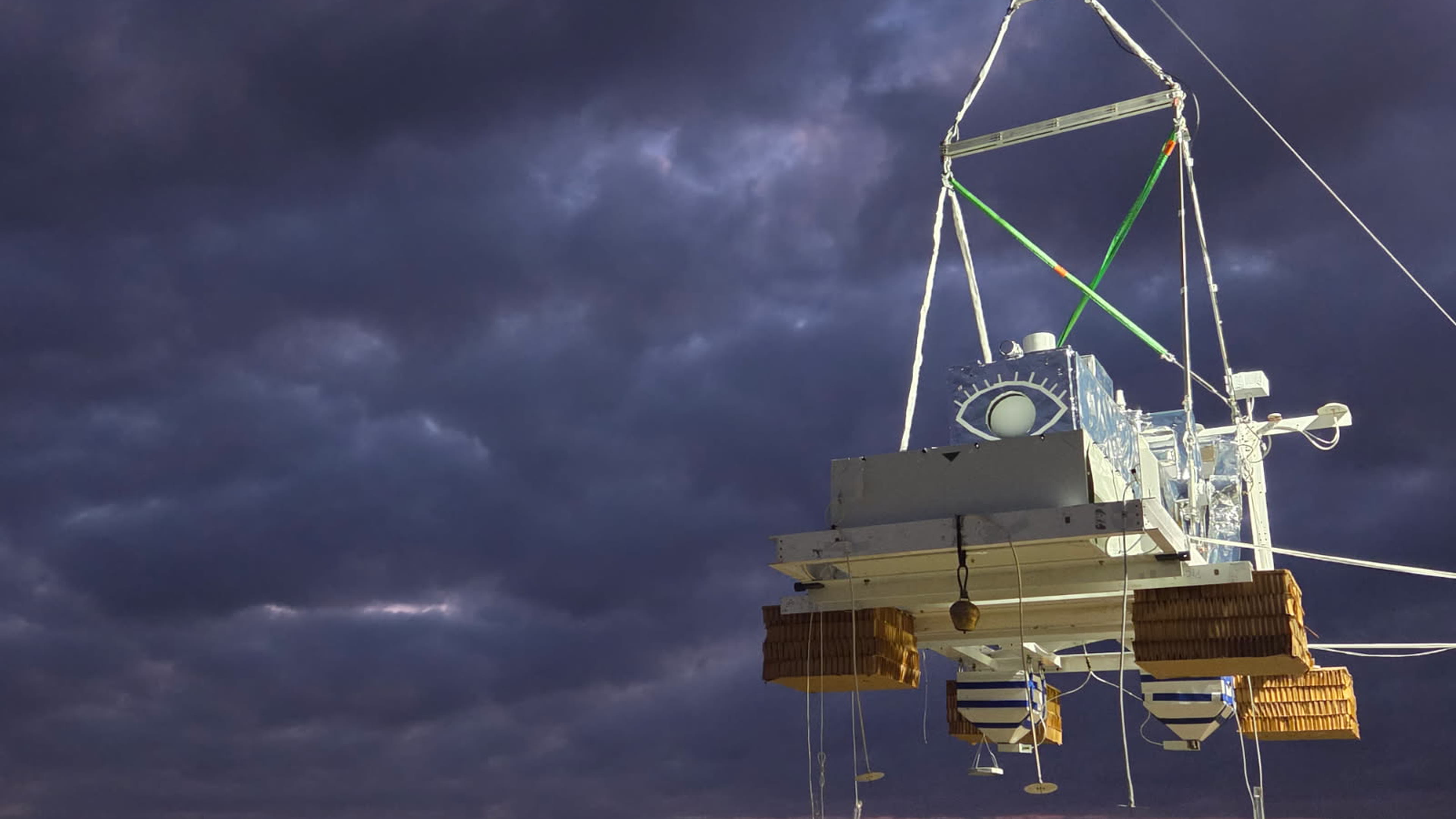
NASA reported the results of a CORSAIR/WASP science-balloon flight on 6 October. The launch took place in New Mexico on 5 October. The test supports a possible long-duration Antarctic observation of the Sun’s corona.
 Technology
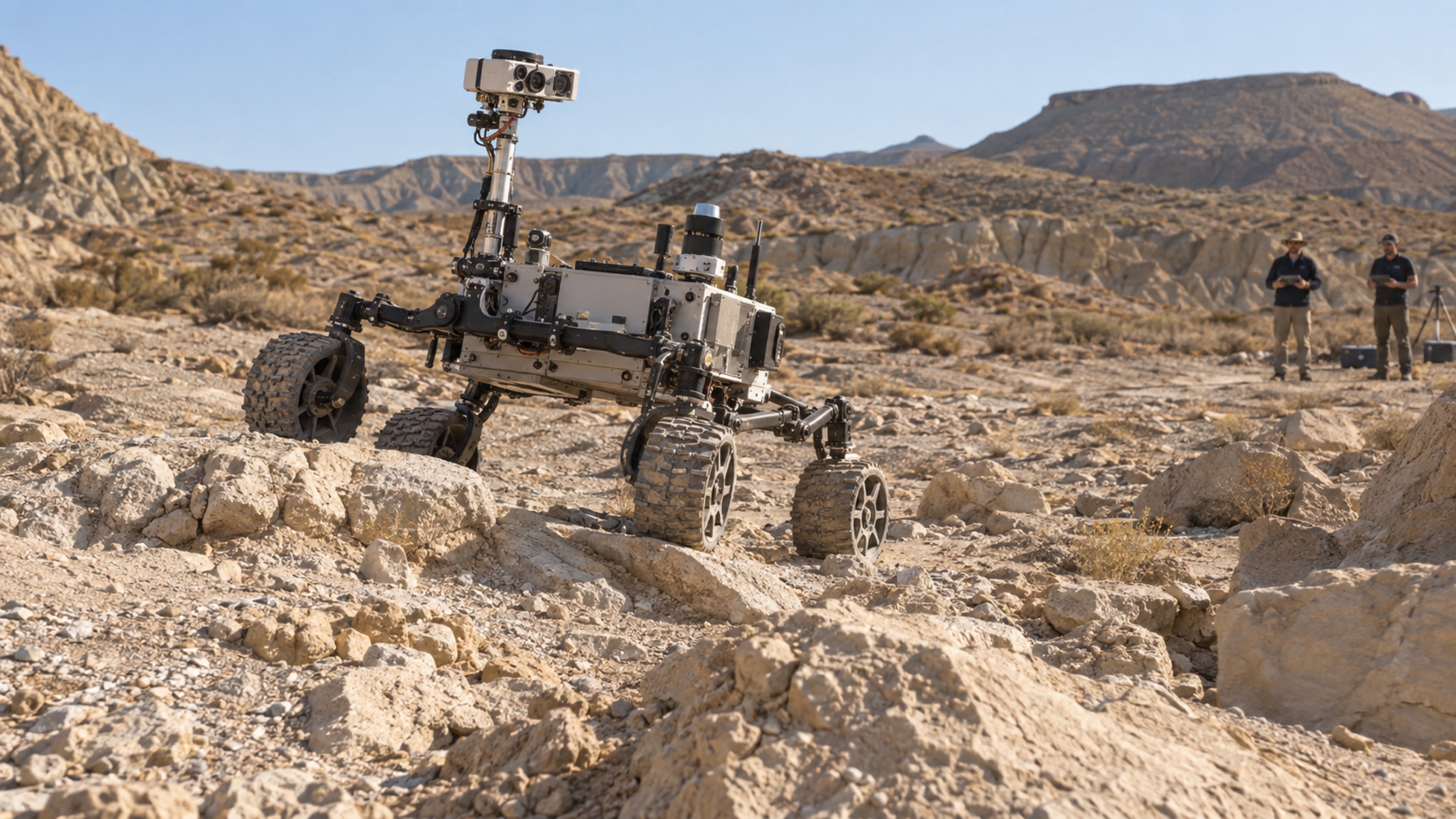
The European Space Agency has tested a rover prototype on rocky terrain in Spain’s Tabernas desert. Engineers are checking navigation and remote operating procedures for a future mission. It is preparation for ExoMars, not a Mars landing.
 Technology
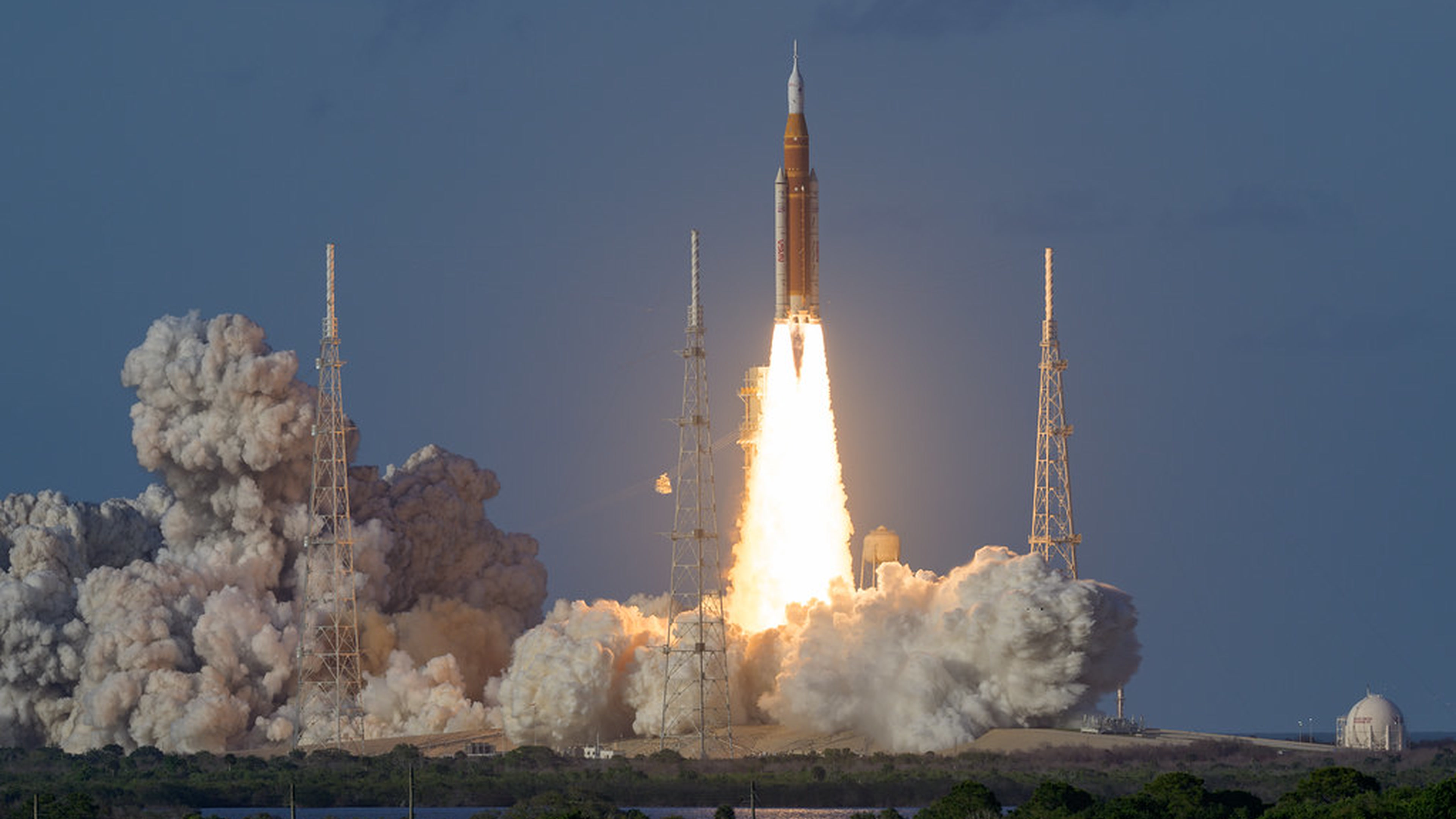
World Space Week 2026 runs from 4 to 10 October. This year's theme is “Rocket Revolution”: reusable stages, lower launch costs and more frequent access to orbit. The change matters beyond aerospace, opening new paths for schools, science, communications and smaller organisations.
 Technology
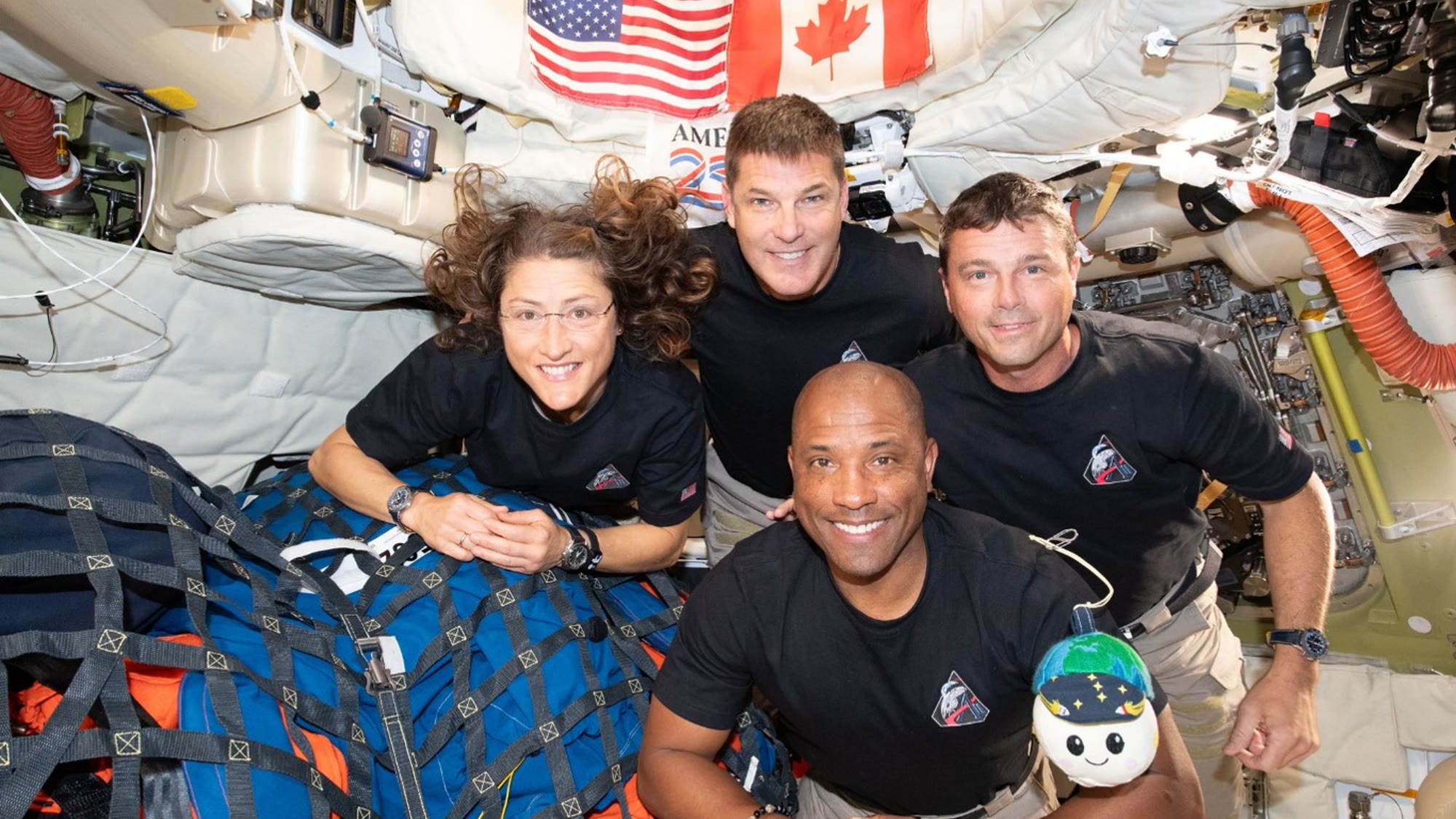
The Artemis II crew will speak in Houston on 30 September after the first crewed Orion flight around the Moon. NASA says they traveled 252,756 miles, or about 406,772 kilometers, from Earth, surpassing Apollo 13's human-distance record set in 1970.
 Technology
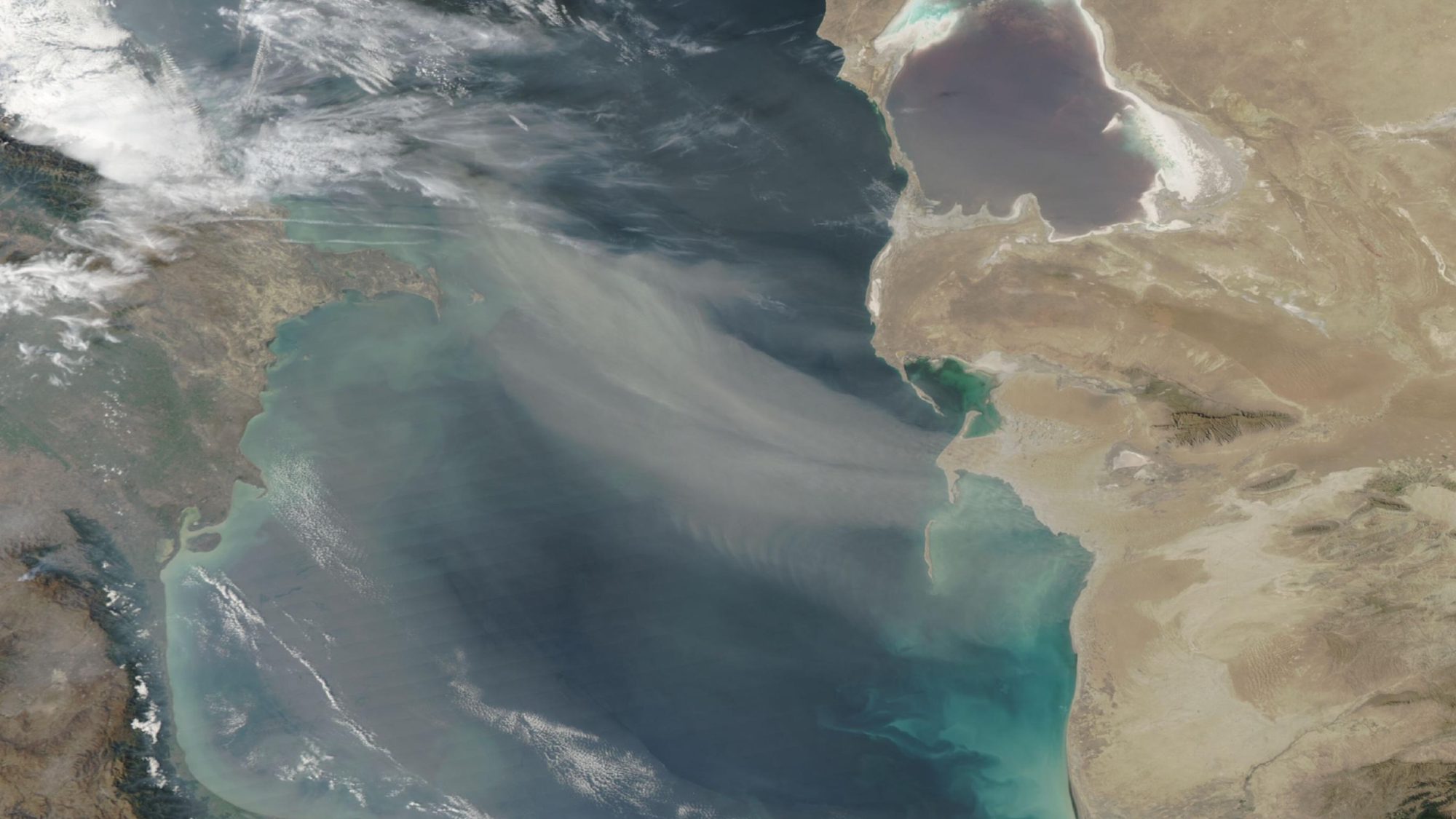
NASA’s Aqua satellite captured broad dust plumes crossing the Caspian Sea on September 24. The agency published the true-color image and placed it within a period of strong winds. We explain what the image confirms, what it cannot establish, and why satellite observations matter.
 Technology
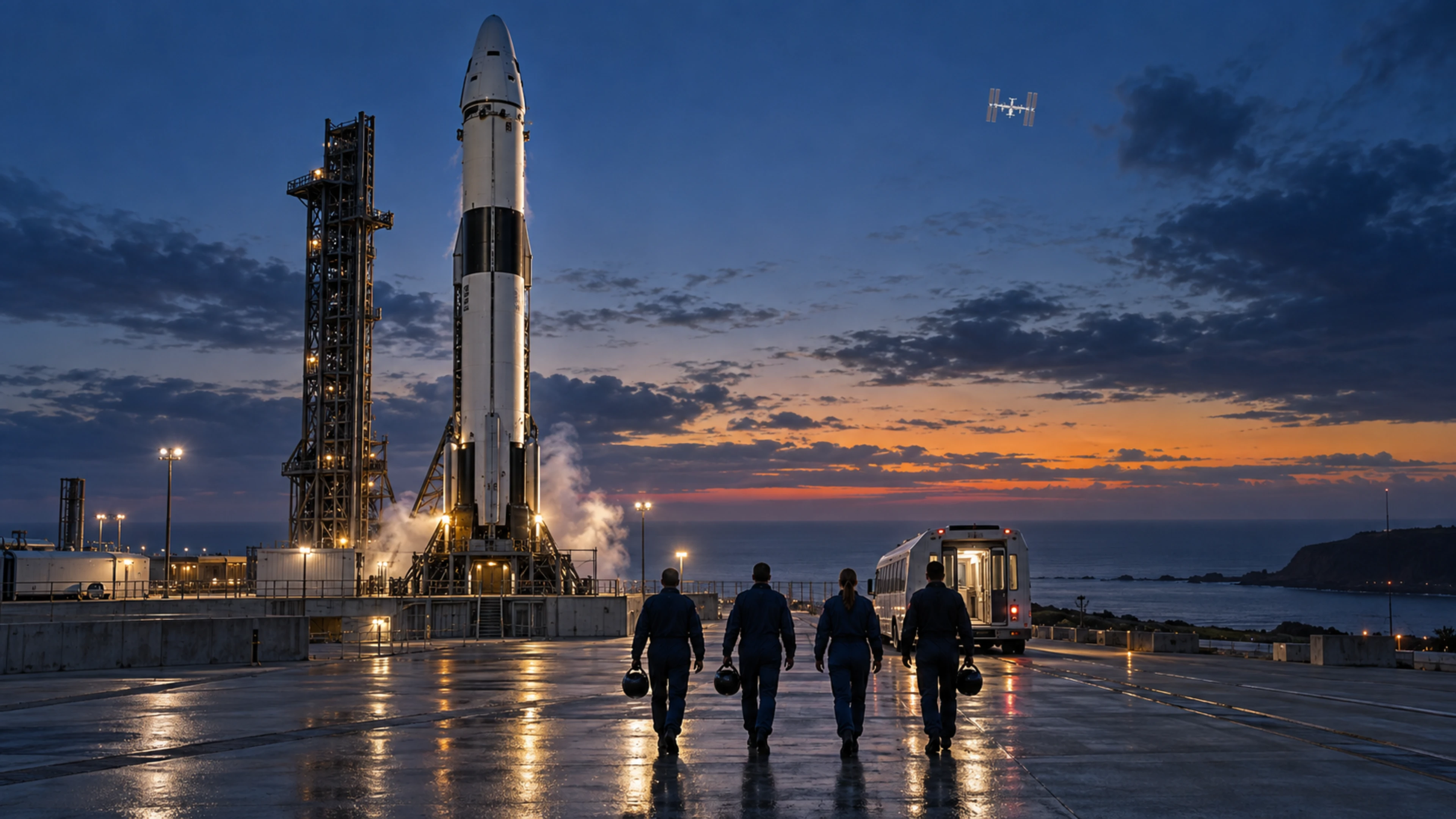
NASA, SpaceX, and international partners have cleared the Crew‑13 mission to continue preparations after a flight readiness review. Launch to the International Space Station is targeted for no earlier than October 1. We explain who is flying, what teams review before launch, and why the announced time remains a target until the final countdown decisions.
 Technology
Why do we need space when there are so many problems on Earth is an honest question and deserves an honest answer. Almost everything space does comes back to Earth: satellites are weather forecasts, communications, navigation, watching over harvests and fires. And civilisations that stopped exploring began to fade.