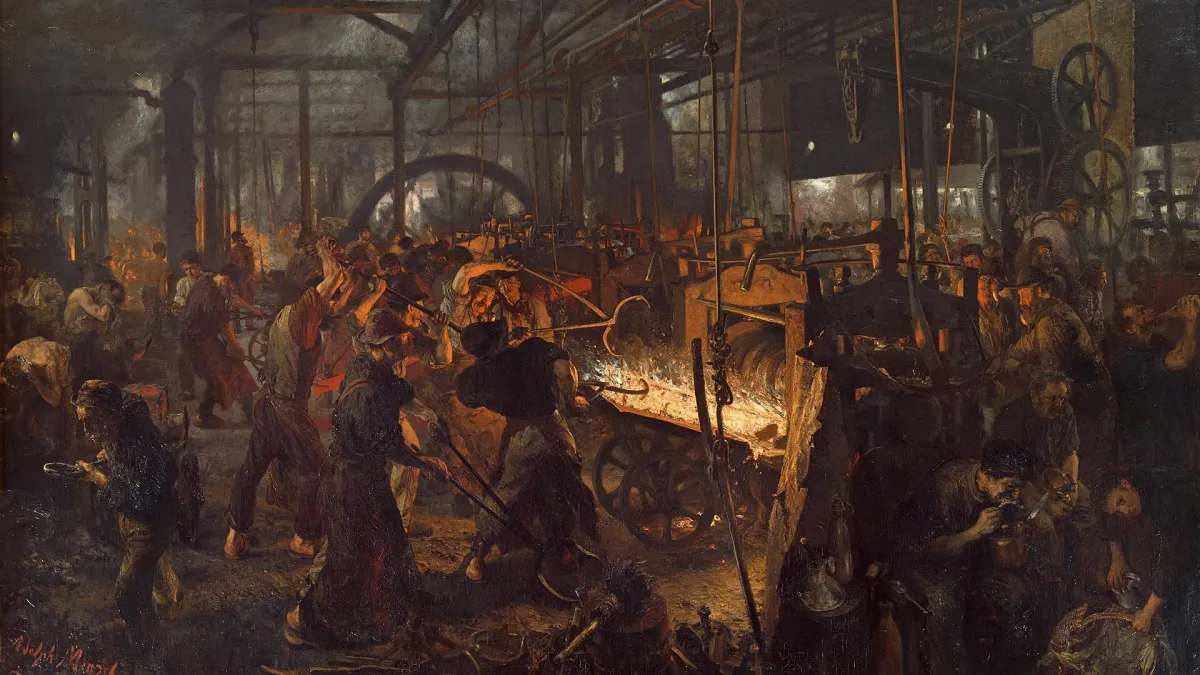
Almost everything around you was made by somebody's hands: the bread, the road, the light in the room, the screen you are reading this on. We know the names of performers and bloggers but not of whoever brought water into the house. Their work becomes visible only when it suddenly is not there. A society is like a building.
Wrestling is close to the oldest sport there is: people wrestled long before they learned to write. All that time it taught not how to throw an opponent but something far harder — how to get up after you have been thrown yourself. Kazakh kures is not about putting a man in the dust but about offering him your hand.
A society where everyone thinks alike is not peace but either a graveyard or a barracks. Where not a single person disagrees, it usually means not that everyone is content but that the dissenters are afraid to open their mouths. The wall that gags your opponent today will stand in front of you tomorrow.
The commonest argument against caring about privacy is that you have nothing to hide. It sounds reasonable, which is what makes it dangerous. Privacy is not about hiding: you close the bathroom door not because you are committing a crime in there. The danger is not one fact but a profile built from thousands.
We switch on a broadcast where strangers from countries we could not find on a map are running, and suddenly our throat tightens. A stadium is life compressed into a few minutes: you can see how years of quiet work decide a single second. Why the last across the line sometimes says more than the champion.
History is written by the victors is only half true. More often it is written by chance: what reaches us is not the most important but the most durable. We know antiquity from a few per cent of texts that survived fire and mould — brilliant books burned, mediocre ones lasted because there were many copies.
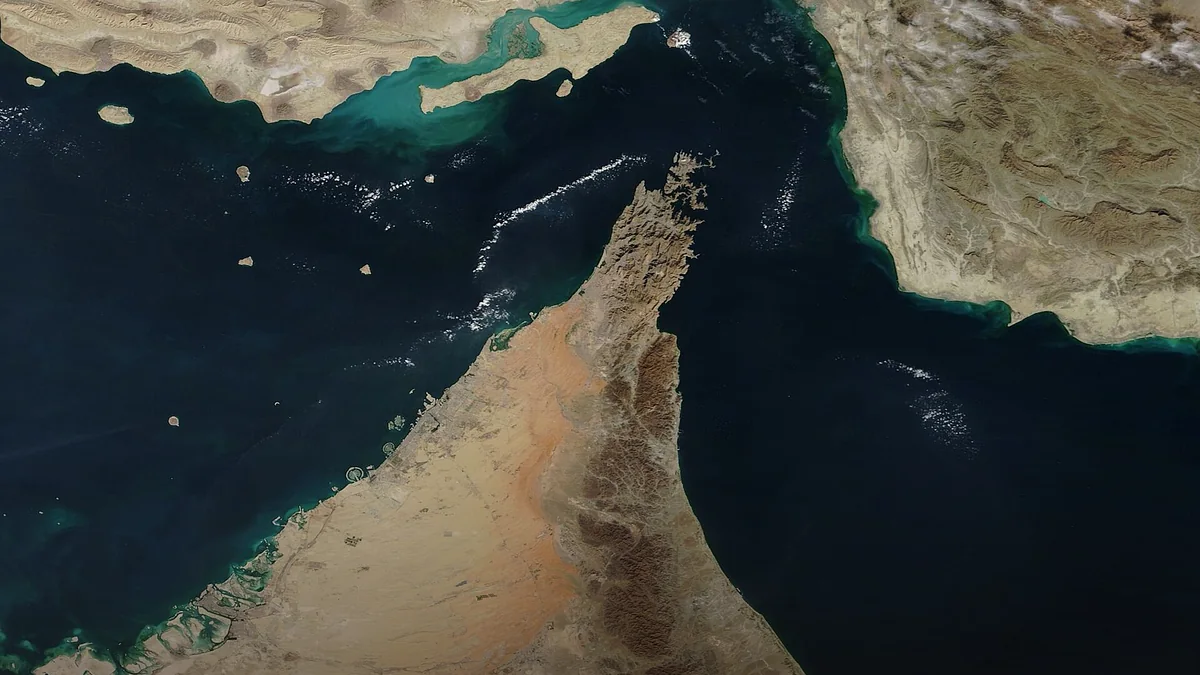
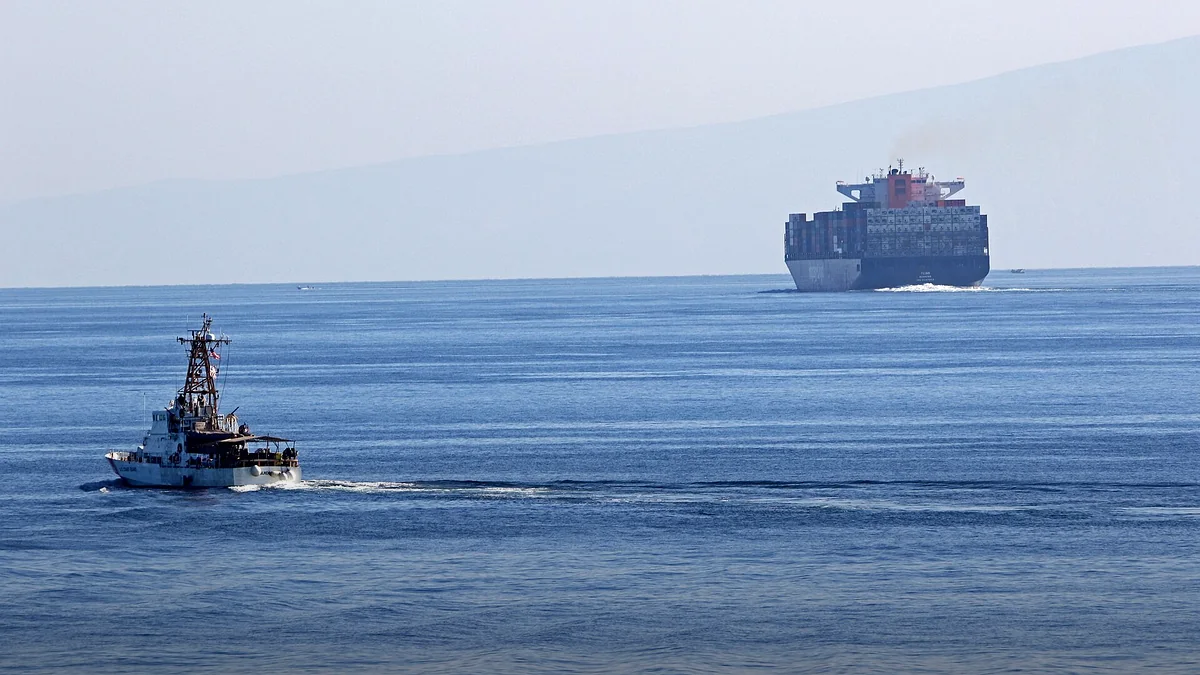
By mid-July a barrel of Brent costs about $78.82 — some 19% above the pre-war level, though early in the month the price had slipped back to seventy. The Strait of Hormuz, through which about 20% of the world's oil passes, is close to shut. Why for an exporting country this is both a gift to the budget and a trap.
If you are not paying for the product, the product is you — or more precisely your attention. Knowledge was once scarce; today information is endless while a person still has as much attention as a thousand years ago, a few waking hours a day. That scarcity is the whole substance of the new economy.
There are two quite different activities we call by the same word, argument. The first is a joint attempt to get closer to the truth, in which your opponent helps you see your blind spot. The second is a battle of egos where winning matters more than understanding. One makes both people wiser; the other makes both duller.
Most conversations are two monologues taking turns at pretending to be a dialogue: while the other person speaks, we are loading our next line. The gap between waiting for you to stop and trying to understand you is enormous. Why a good question opens a subject and a ready answer closes it.
Almost every building your life passes through outlived those who built it and will outlive you. Architecture is the only art we live inside, and unlike a book it cannot be closed. A cramped yard without trees and a square without a bench teach something silently, every day, more surely than any slogan.
Everything has a price in money, but money has a price in energy. The cost of bread, metal and the internet is ultimately the cost of the energy spent. There is a treacherous quantity too: how much energy must go in to get one unit out. When oil gushed, one unit invested returned a hundred. Today resources come harder.
When people speak of the strength of states they think of economies and armies. There is a third: a film, a book, a song or an athlete does more for a country's image than a dozen official statements. But soft power has an honest condition — it does not work to order. Propaganda repels; sincerity attracts.
We are given one life, one body, one era, one country of birth — unfairly little for a creature able to imagine infinity. A book is the single loophole out of that narrowness: another consciousness thrown open. Film shows you the hero's face; a book seats you inside their head. It is hard to hate somebody whose eyes you once borrowed.
The conversation about the environment gets stuck between panic — everything is lost — and denial — nothing is happening. Both extremes are convenient because they remove the need to think. A sober view begins by separating what you can affect from what you cannot. Why cheap now usually means very expensive later.
The sixth day of fighting in the war between the United States and Iran: strikes on bridges at Bandar-e Khamir, missiles at American allies including Qatar, Kuwaiti border posts hit. What is happening to the Strait of Hormuz, through which half the world's oil passes, and what it says about the fragility we built.
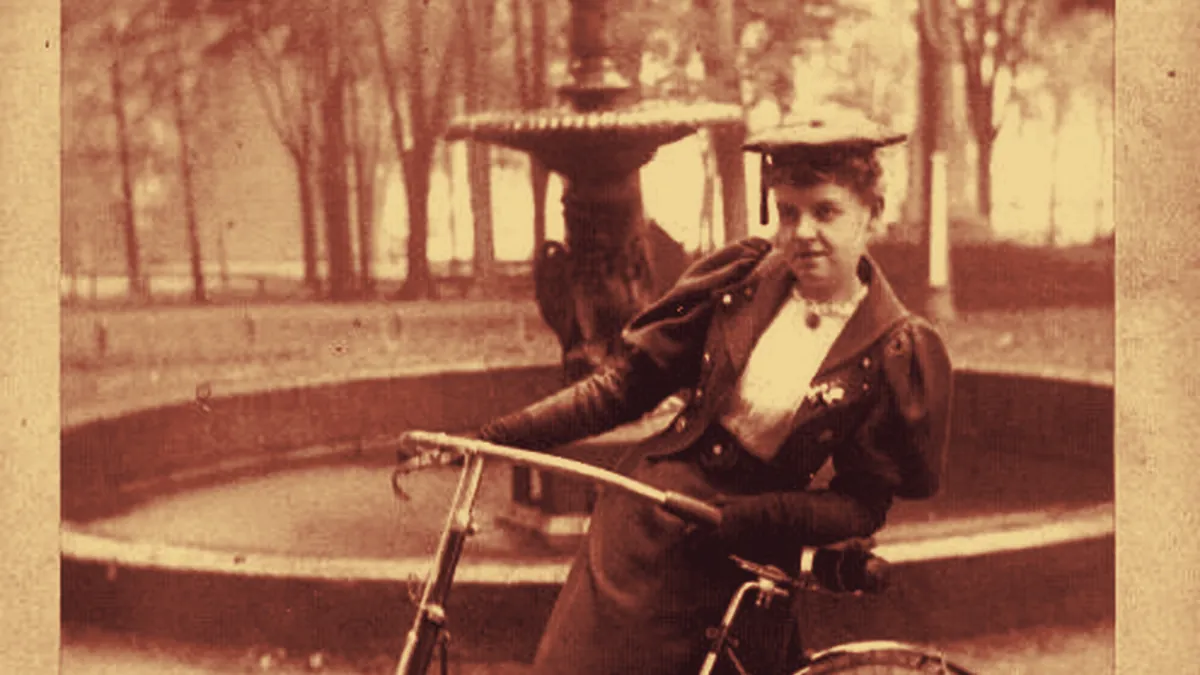
Among the machines people have invented there is one close to perfect, and we have stopped noticing it: it needs no fuel, poisons no air and heals whoever uses it. A car gives you the power of an engine; a bicycle only multiplies what you put in yourself. How two wheels changed a society.
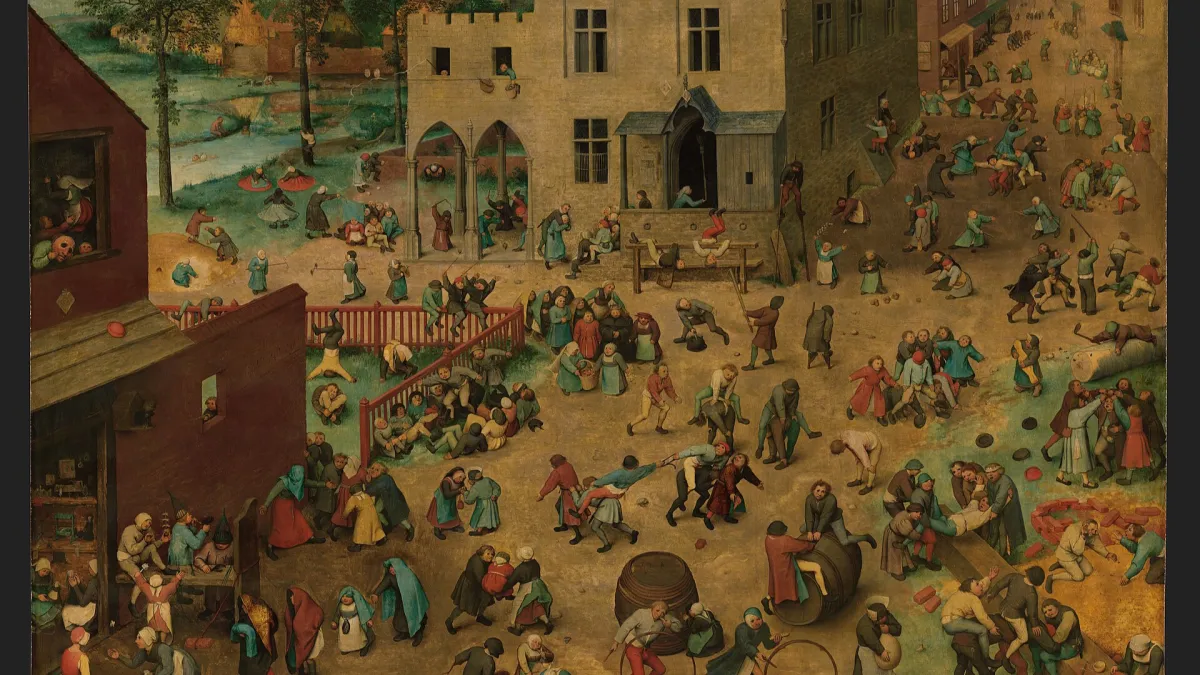
In a painting more than four hundred years old, dozens of children are absorbed in games, and not one of them looks dated. The toys change, the play does not. The young of every intelligent animal play, because play is a safe way to learn dangerous things: the one school where a mistake costs nothing.
An opinion of a person forms in the first few seconds, long before they say a word, and what we read at that moment is not character but clothing. People adorned themselves before they built solid shelter: dress has always been a message about who I am and whom I belong to. Where the line with vanity runs.
Behind a handsome success story there is almost always a warehouse of failures nobody writes about. In a society that despises those who fail, people stop trying, and that costs more than any bankruptcy: we see the companies that went under, not the thousands of ideas never born for fear of shame.
You can know not a single word of another language and still weep at a song in it. Music speaks not to reason but to something older: rhythm is a heartbeat and a footstep, melody the intonation by which we read feeling before we understand words. That is why it unites where words divide.


 Economy