

 Society
Five countries plan a shared English test: what changes for Kazakhstan’s students?
National testing centres signed a memorandum on ETOTS. It is a development plan, not a new compulsory exam.
Society
National testing centres signed a memorandum on ETOTS. It is a development plan, not a new compulsory exam.
 Society
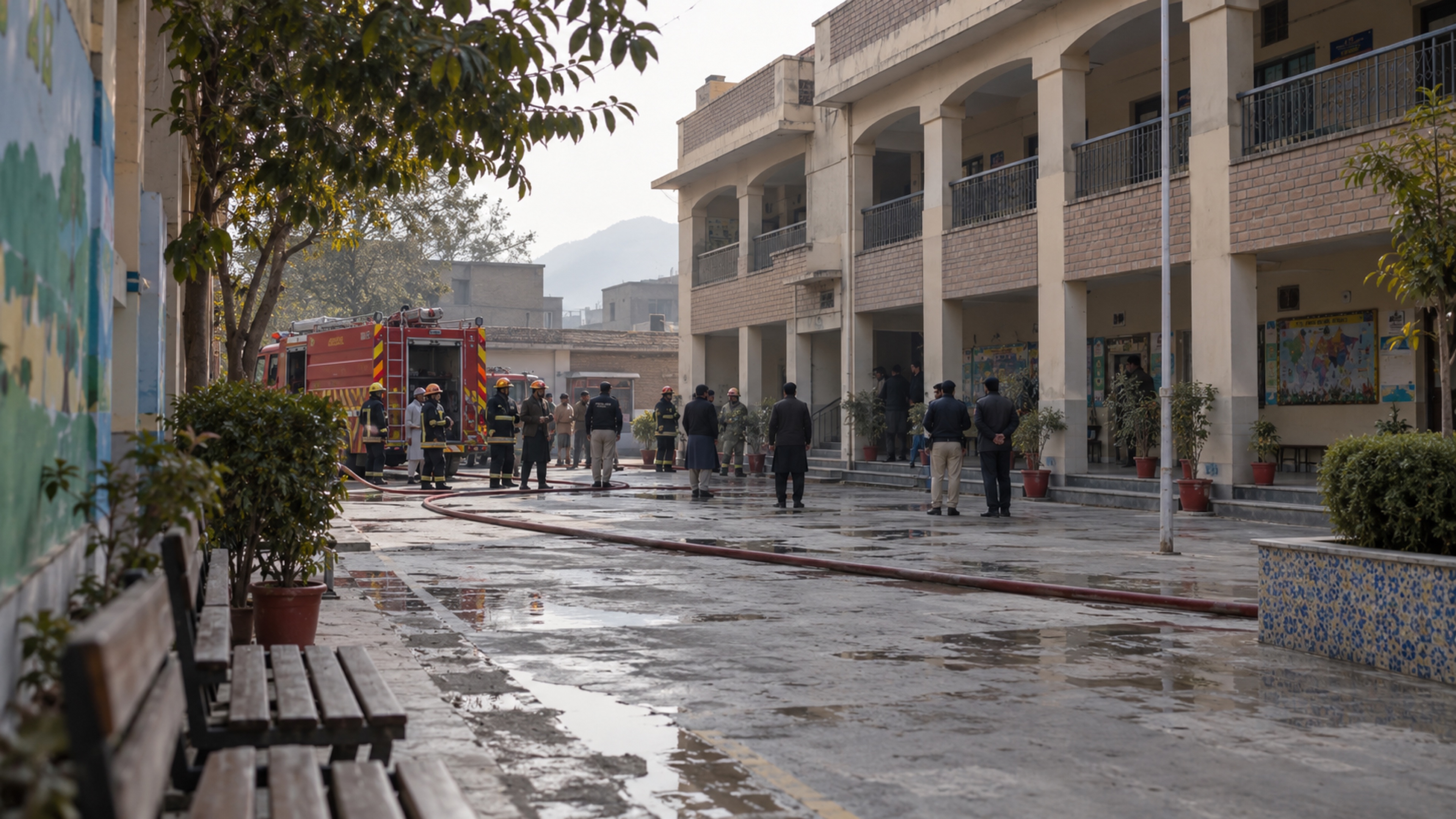
A teacher also died and more than 50 children were injured when a school roof collapsed, UNICEF said on 15 October.
 Society
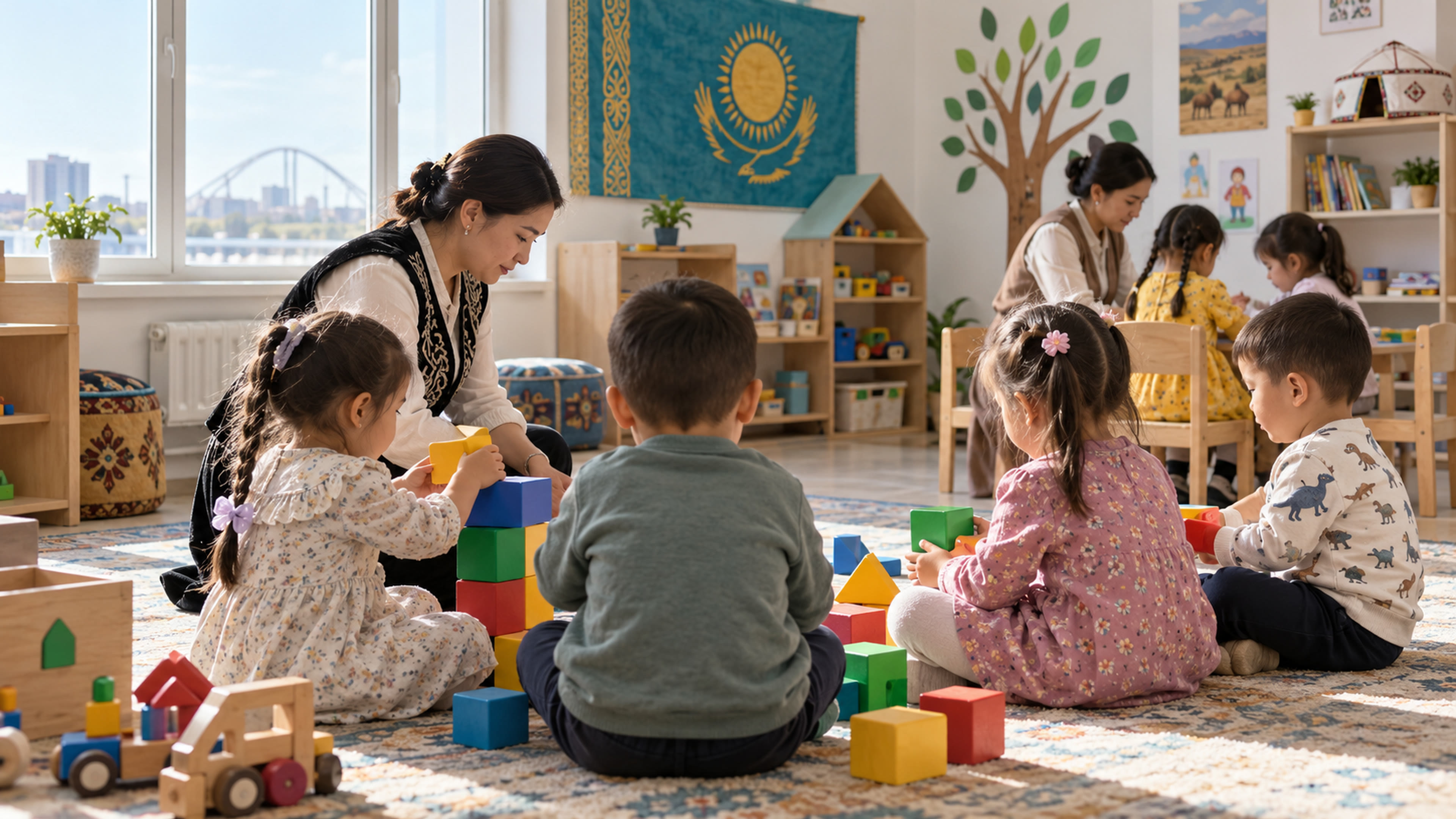
The region reports 1,318 new places against a 2026 target of 2,675, with access varying by age group.
 Society
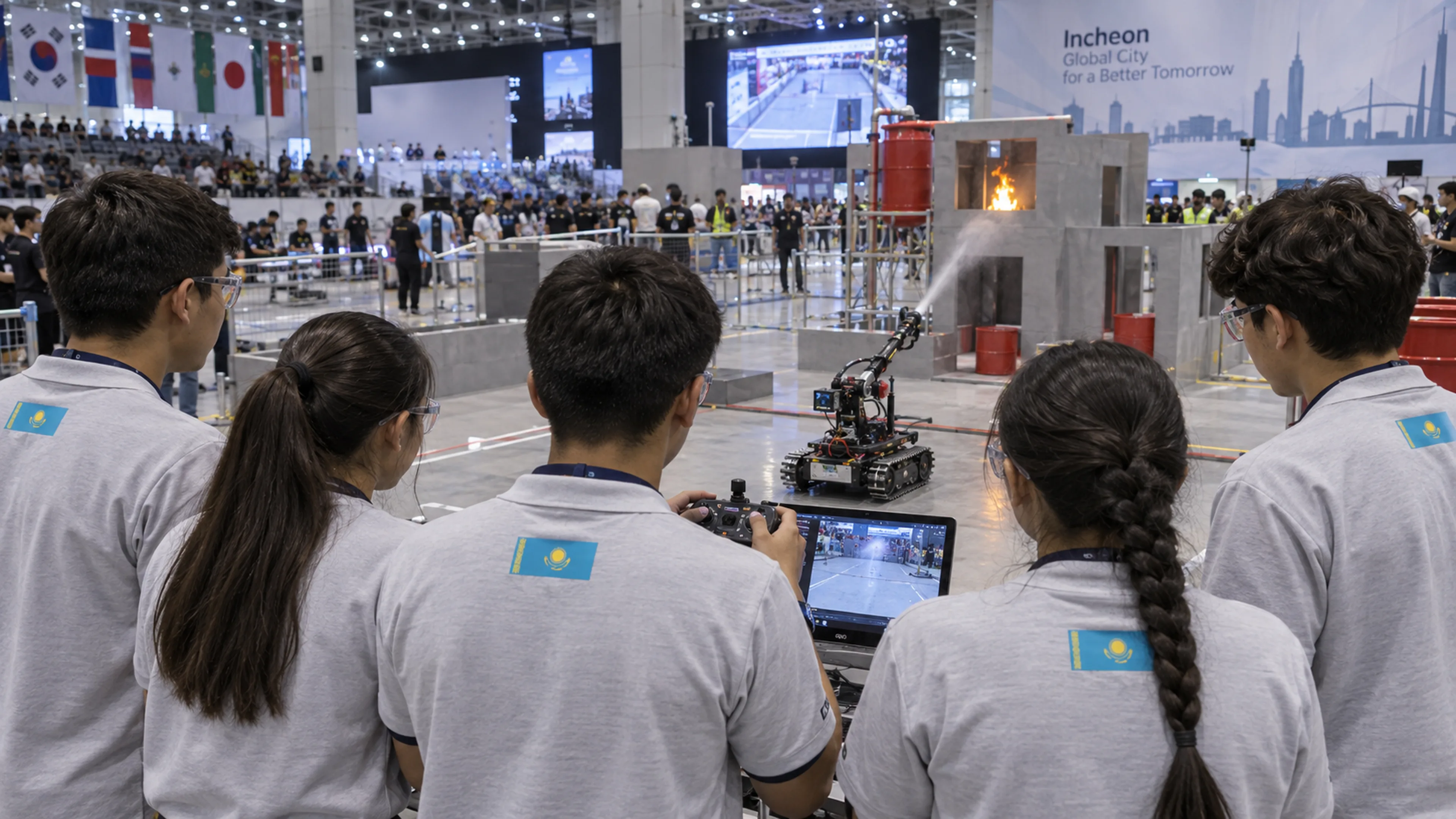
Kazakhstan finished fourth at FIRST Global Challenge 2026 in Incheon after winning all 11 qualifying matches, its education ministry says. Teams from 185 countries took part. The result offers a concrete view of what hands-on school engineering can achieve.
 Society
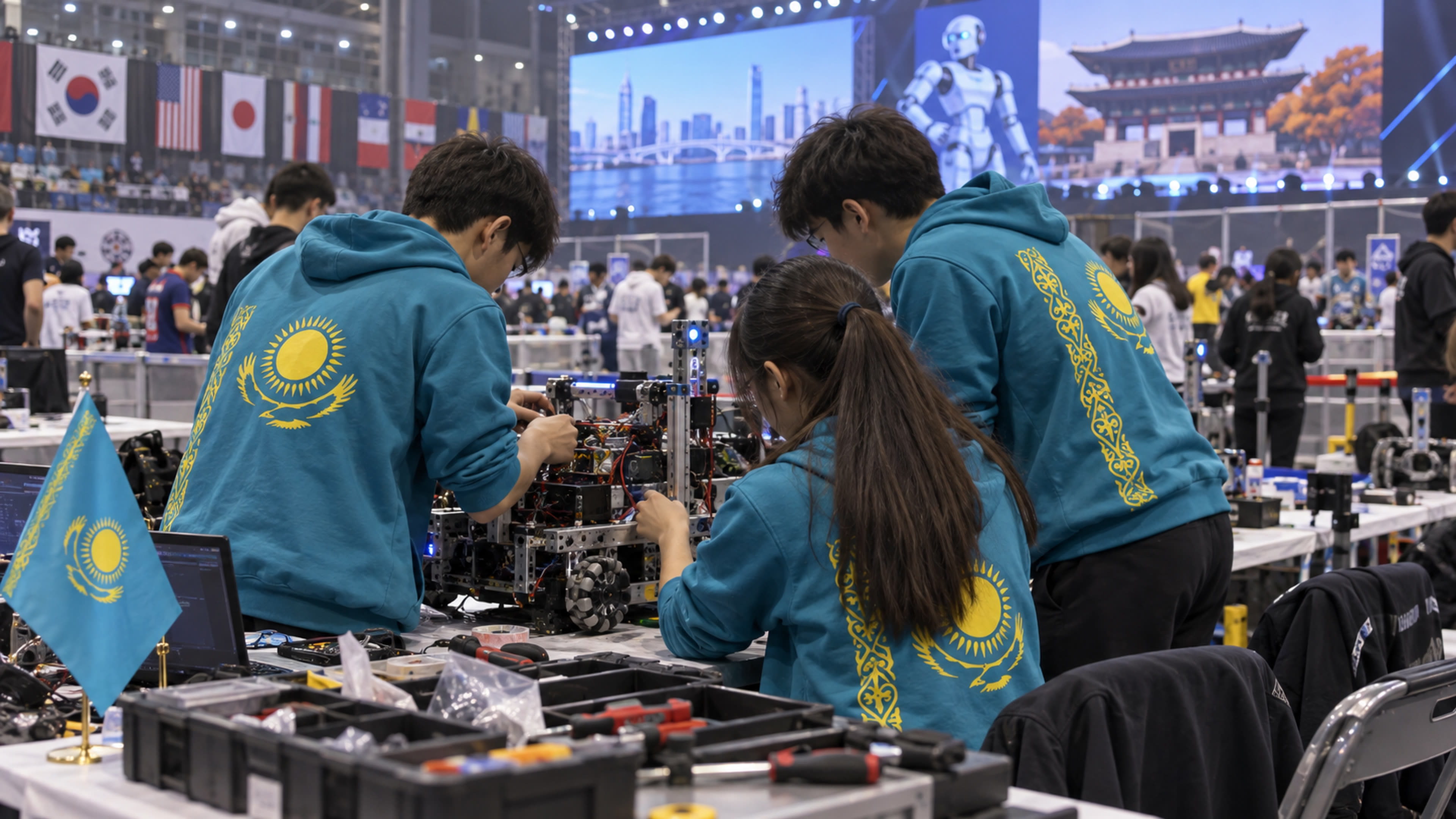
Kazakhstan’s robotics team was fourth among 185 countries at the FIRST Global Challenge in Incheon as of 9 October. The competition was still under way, so the rank was provisional. Meet the students and see why the contest tests teamwork as well as code.
 Society
Kazakhstan’s interior and education ministries are working with Bilim Group to add legal-awareness and drug-prevention materials to the BilimClass electronic diary. Separate areas are planned for pupils, parents and teachers. The claimed audience is potential reach, not proven participation.
 Society
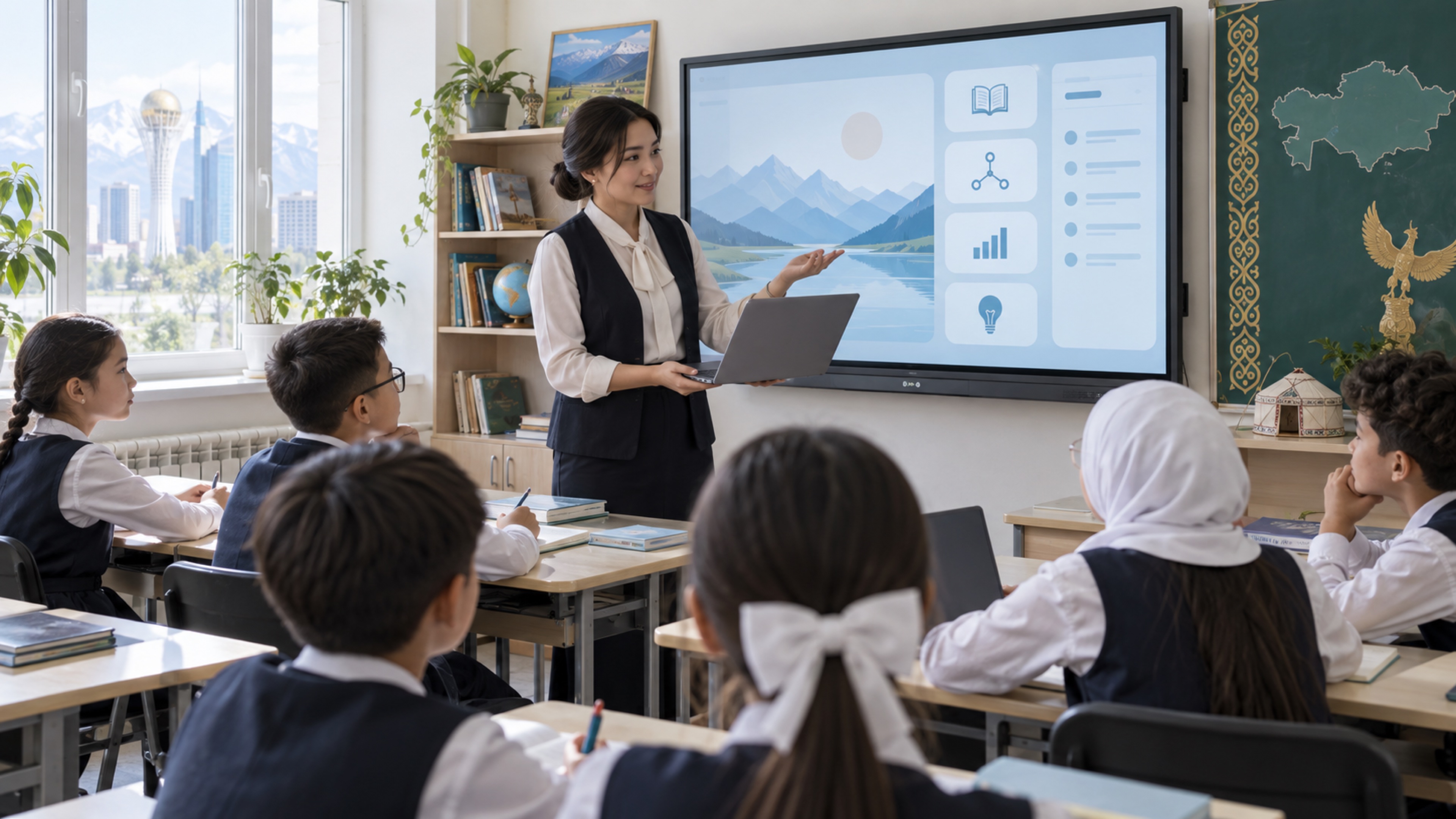
The education ministry discussed classroom AI with Kai-Fu Lee and announced a memorandum between Orleu and Q.AI Limited. Support for teachers and rural schools is the goal. A memorandum and a platform pilot do not mean nationwide deployment has already happened.
 Society
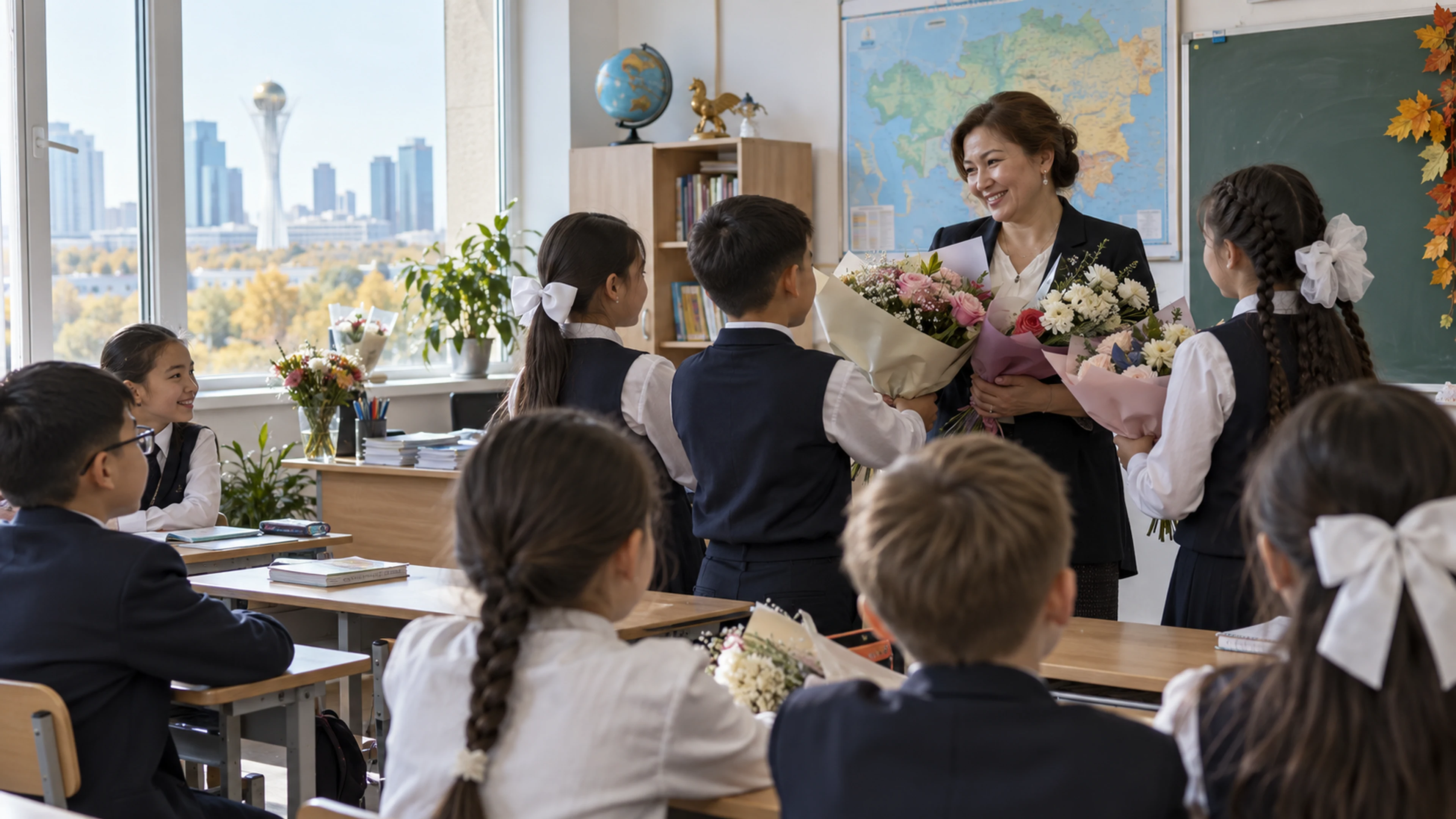
Kazakhstan marks Teachers’ Day on 5 October. The celebrations invite a practical question: what helps a teacher teach and a child understand? We look at classroom time, useful feedback, and how parents can support learning.
 Society
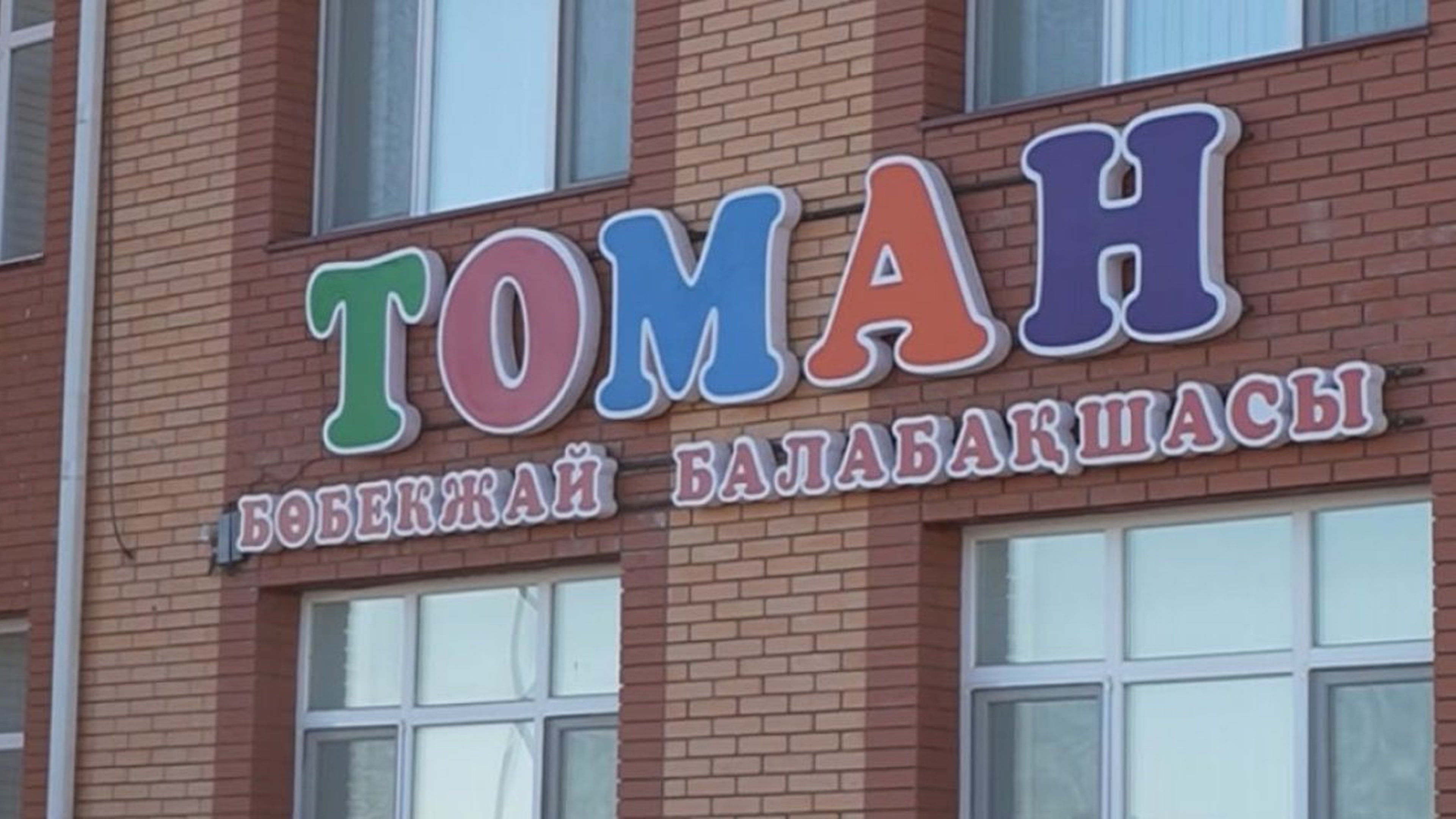
Toman village in Atyrau Region is preparing to open its first kindergarten, with 80 places. The 2,209-square-metre building cost KZT 797 million and is expected to open in November. The project could change daily life for families, provided staffing and admissions match the new facility.
 Society
Shanraq is launching School, a free learning space for children and parents. We begin with mathematics: find the missing foundation, explain each idea through a clear image and a map of connections, allow another attempt, and test whether a learner can use knowledge rather than merely repeat a rule.
 Society
Shanraq has opened a free Cloud & DevOps course for people with no infrastructure background. Across 24 lessons, learners work with the terminal, Linux, networks, Docker, CI/CD, a cloud server, HTTPS, Kubernetes, and recovery after failure through one running service.
 Society
Build a local AI model for Kazakh text in Shanraq’s free 30-lesson Python course. Learn to parse questions, find verified facts, check their dates, and show the source behind each answer. When the evidence is missing or outdated, the model explains why it cannot answer. Every example runs on an ordinary computer without a paid API.
 Society
A fourth free programming course has appeared on Shanraq.org — **Rust from Scratch**. We'll break down the language from the ground up: from the first program and Cargo to ownership, borrowing, structs, enums, error handling, and concurrency. No payment or mandatory registration, at your own pace.
 Society
Shanraq’s new course explains SQL through a familiar everyday problem: keeping track of household income and spending. Across 13 practical lessons, learners progress from a first table to an auditable report, an index, and a verified backup. Queries can be run directly in a browser on a computer, tablet, or phone.
 Society
Shanraq’s open course teaches Python through one continuous project. Learners collect data from official sources, validate and analyse it, then turn their work into a reproducible report. Here is who the 57 lessons are for, how the learning path works, and why money is a subject to investigate rather than a conclusion supplied in advance.
 Society
There is a convenient fairy tale: one man at the top is to blame for everything. It is convenient because it relieves everyone else of responsibility. Power that cannot be changed grows not out of one office but out of thousands of small decisions to say nothing. Silence looks neutral; in fact it is a vote.
 Society
Two hundred years ago a literate person was one who could read letters. That is no longer enough: a new literacy has appeared — the ability to read not the text but the source. Three questions to put to any message: who said this, how do they know, and what do they want me to do after reading it.