The European Board for Digital Services discussed child safety, election integrity and trusted flaggers under the DSA. Attention is turning to the proposed EU KIDS Act and to making platforms reduce systemic risks instead of placing the entire burden on parents.
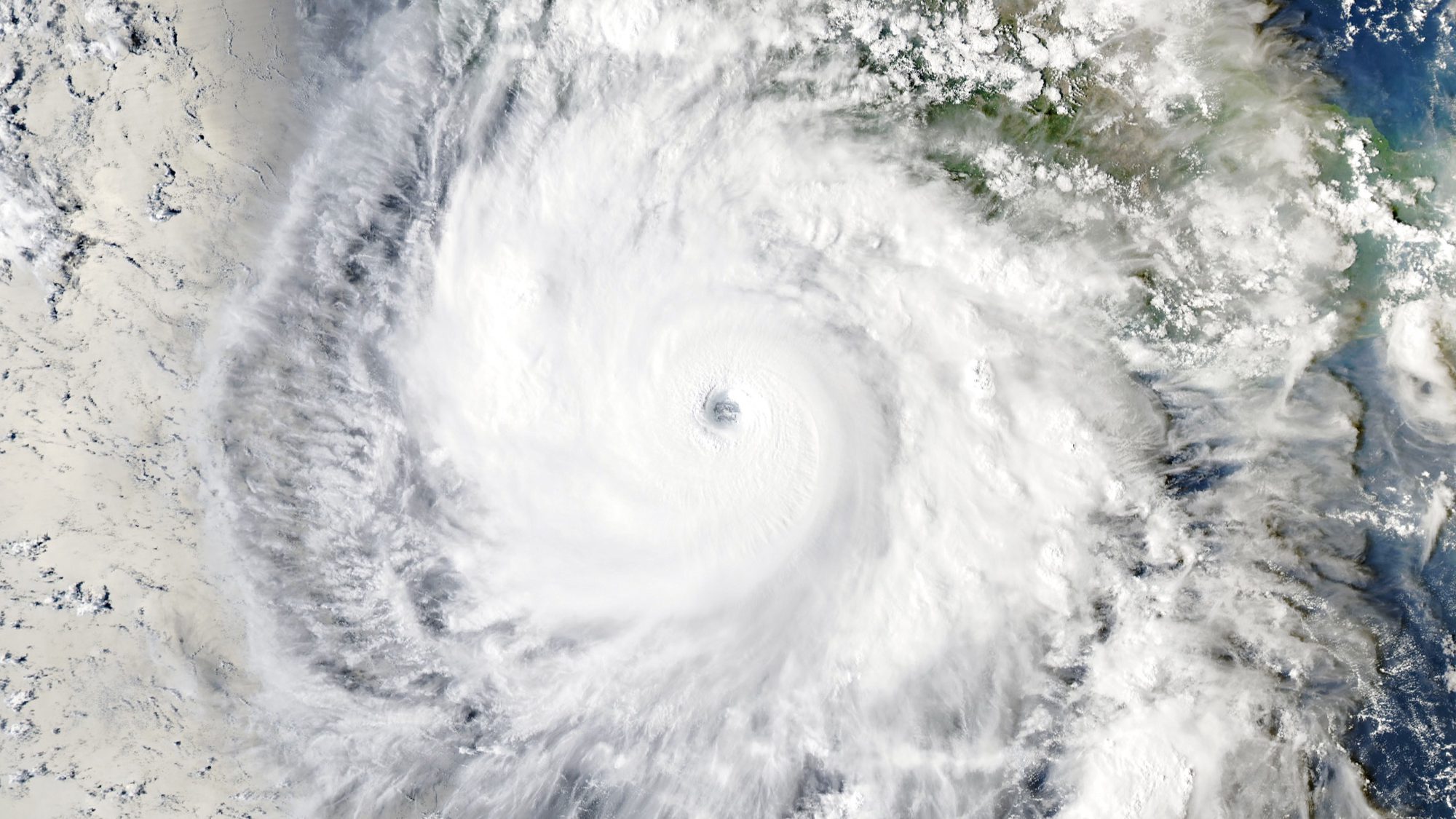
Polo gained 90 knots of wind speed in 24 hours and reached category 5 over the eastern Pacific. NASA links the explosive intensification to very warm water, high humidity, weak wind shear and a deep reservoir of ocean heat that kept fuelling the storm.
The 2026 International Day for Universal Access to Information focuses attention on information disorder. Openness alone does not guarantee truth: public data must be complete, machine-readable, understandable and structured so that others can independently verify it.
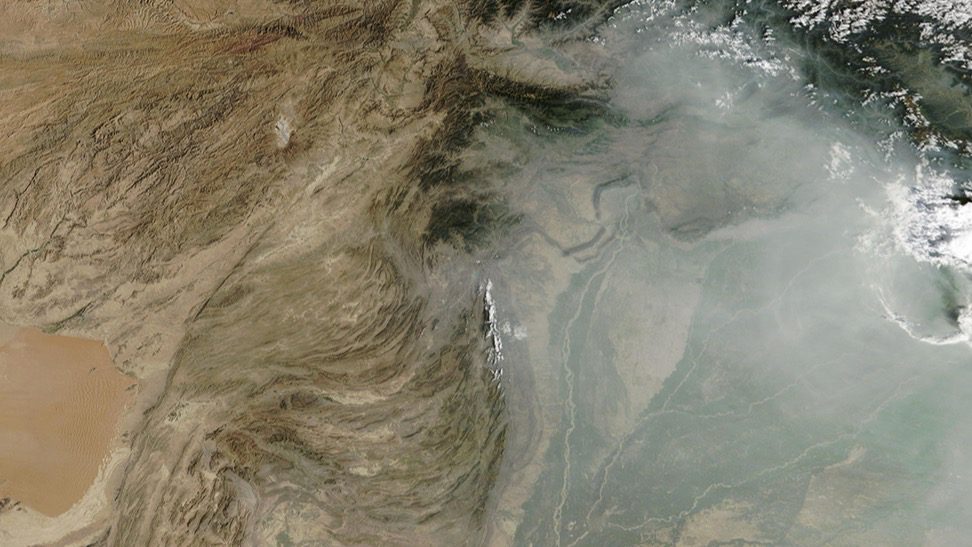
NASA’s Terra satellite captured dense grey haze over northern Pakistan on 24 September. The agency points to crop fires, dust, traffic, industry and a temperature inversion that acts like a lid, trapping polluted air close to where people live and breathe.
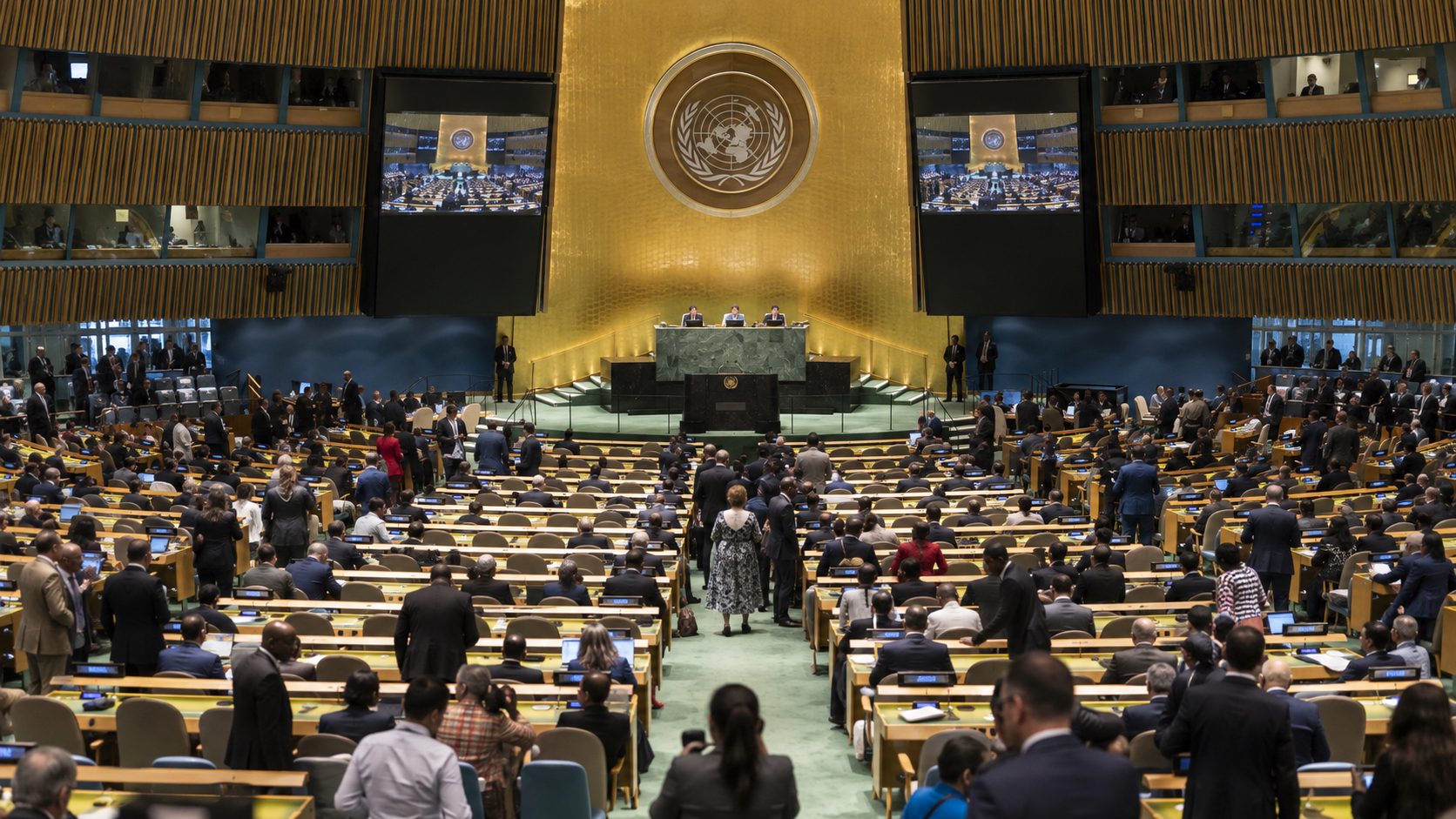
The UN General Assembly is holding a high-level meeting in New York for the 25th anniversary of the Durban Declaration. The central question is how to turn promises of racial equality into working measures against discrimination, xenophobia and hate speech.
The world marks World Rabies Day on 28 September. WHO says any bite or scratch should be washed with soap and water for at least 15 minutes, followed by immediate medical care. Waiting for symptoms is dangerous because prevention works before they appear.
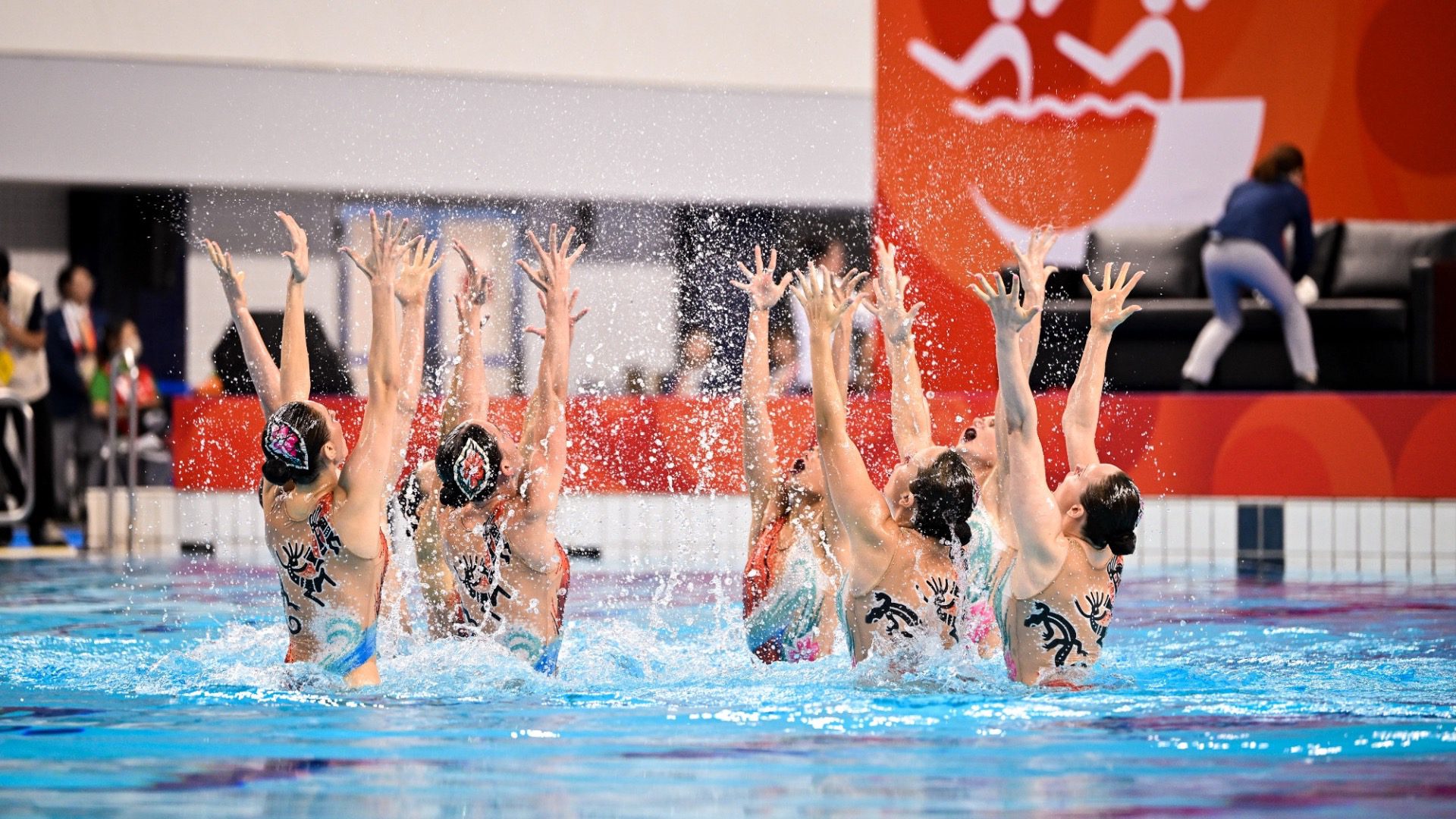
Kazakhstan’s mixed team scored 216.7961 points to finish third at the Asian Games in Aichi and Nagoya. China took gold and Japan silver. Here is the result and the names of the ten athletes who delivered the medal for Kazakhstan.
Experts from Kazakhstan, the US, Finland, Latvia, Georgia and Uzbekistan met in Almaty to discuss the future of technical archives. The challenge is to digitise drawings, use AI for discovery and preserve the authenticity and evidential value of every source.
In 2 months, Kazakhstan’s pilot digital employment service sent 59,000 personalised offers and helped about 3,000 people find jobs. We examine who receives matches, what data the system uses and why real employment outcomes matter more than notification counts.
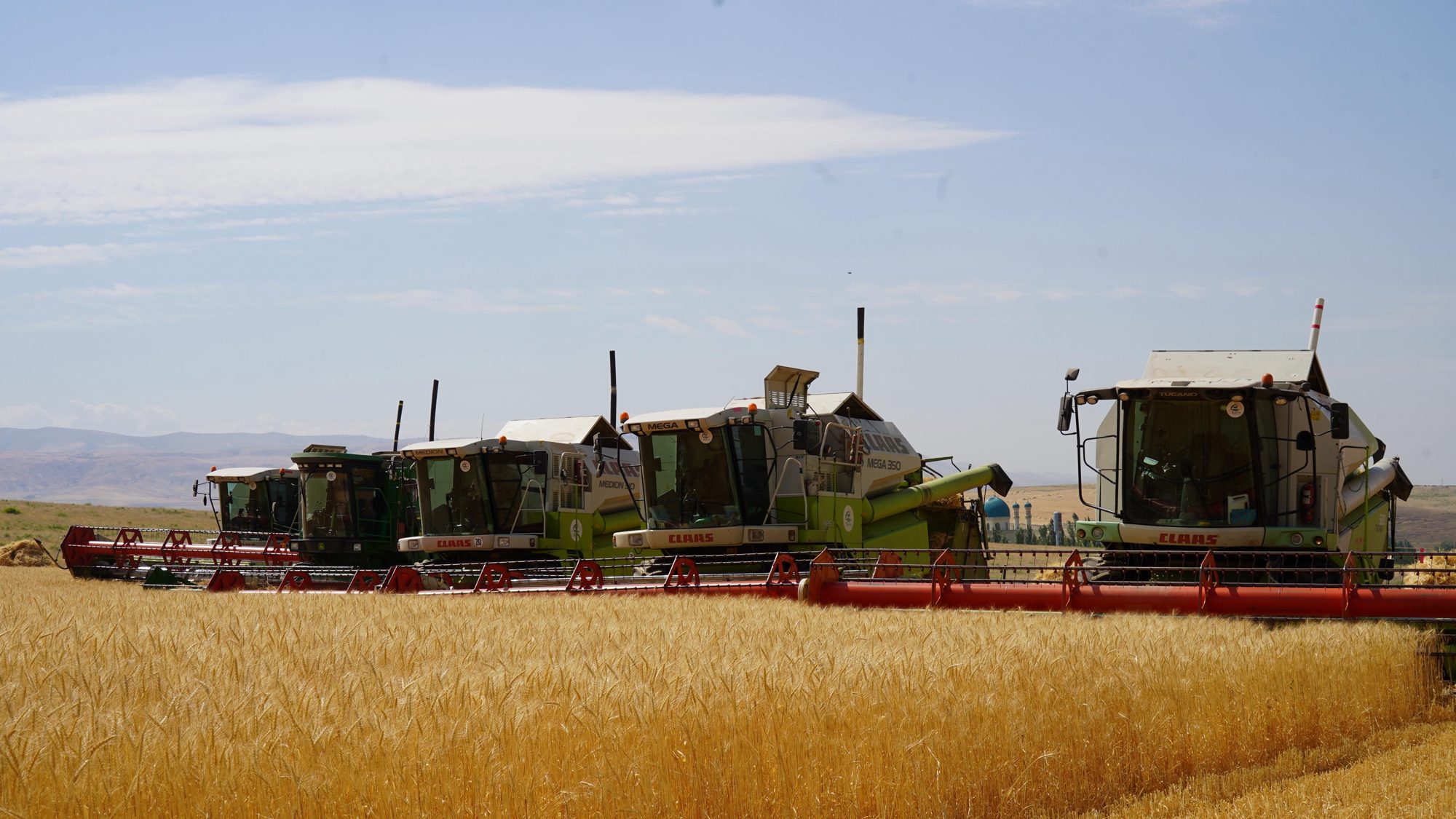
Kazakh farmers have harvested 12.7 million hectares and collected 18.6 million tonnes of grain. We explain what yields, oilseed output and machinery deployment reveal, and why this strong interim figure is still not the final result of the season.
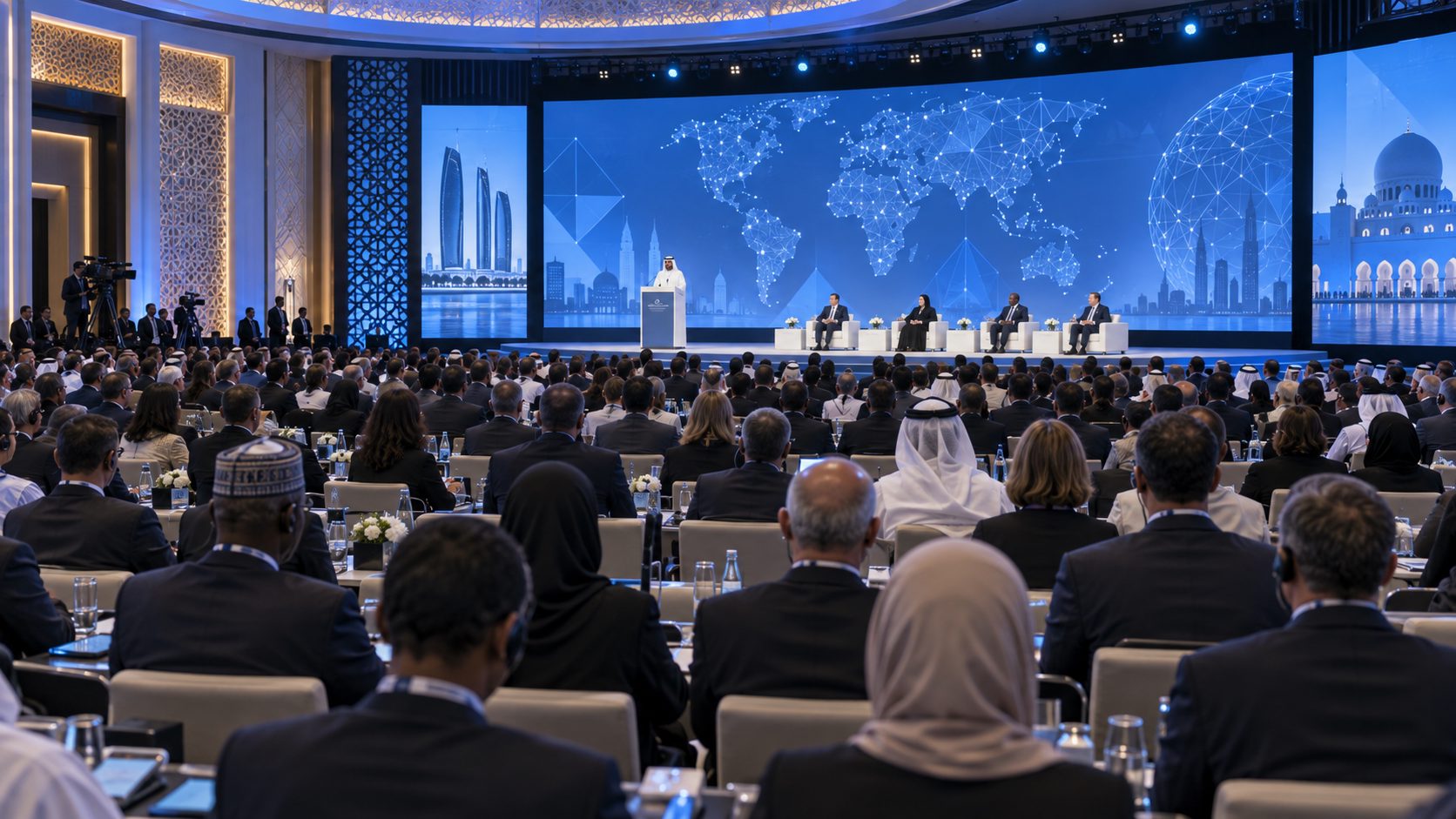
The 15th UN Congress on Crime Prevention and Criminal Justice has opened in Abu Dhabi. Through October 1, governments are discussing cybercrime, organized networks, AI in justice, victim protection and asset recovery. We explain the agenda and the practical outcome countries are expected to pursue.
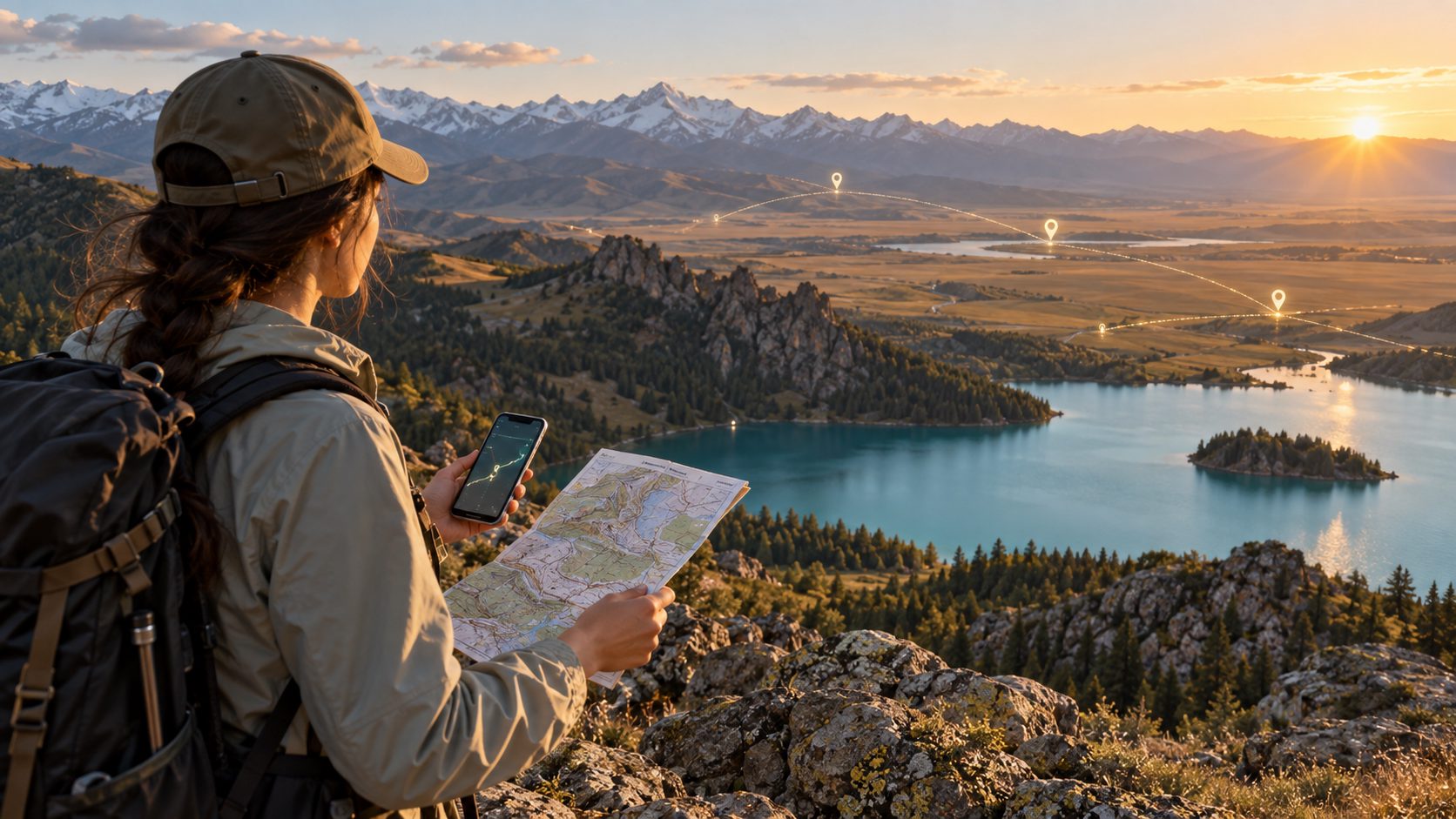
The UN has dedicated World Tourism Day to artificial intelligence and digital transformation. Kazakhstan’s accommodation sector served 4.77 million visitors in January–June. We examine how algorithms can help regions and why poor data can push even more travelers toward the same crowded destinations.
MikroTik has released fixes for three RouterOS vulnerabilities, while Kazakhstan’s KZ-CERT issued a separate warning. Here are the exact patched versions, how to check the Flagged status, how to restrict SSH, and what to inspect after updating a home or business router.
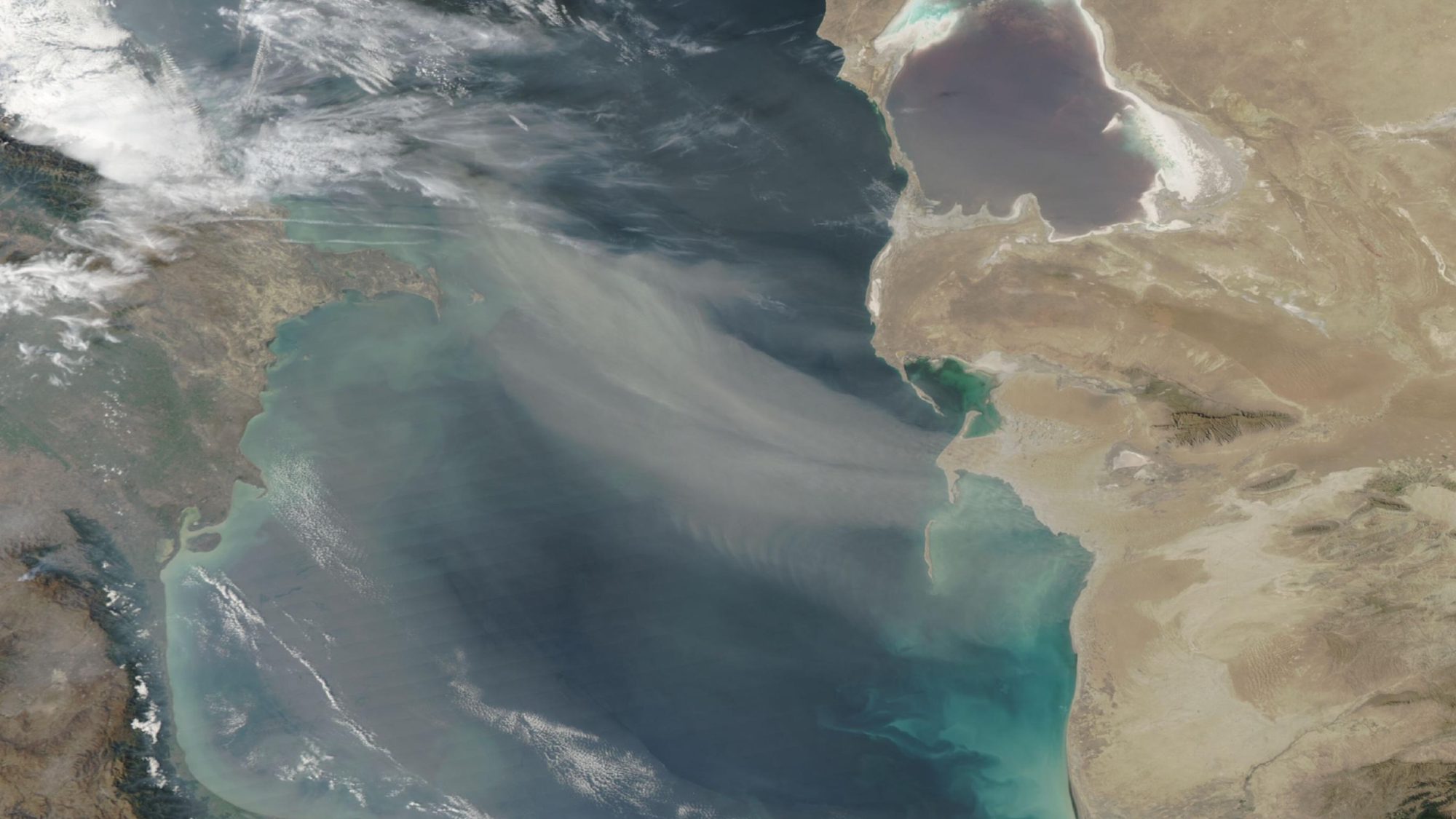
NASA’s Aqua satellite captured broad dust plumes crossing the Caspian Sea on September 24. The agency published the true-color image and placed it within a period of strong winds. We explain what the image confirms, what it cannot establish, and why satellite observations matter.
Kazakh heavyweight Aibek Oralbay won his Asian Games quarterfinal 5–0, guaranteeing the national team at least a bronze medal. We explain the confirmed result, why his first bout of the tournament already secured a podium place, and what now stands between him and the final.
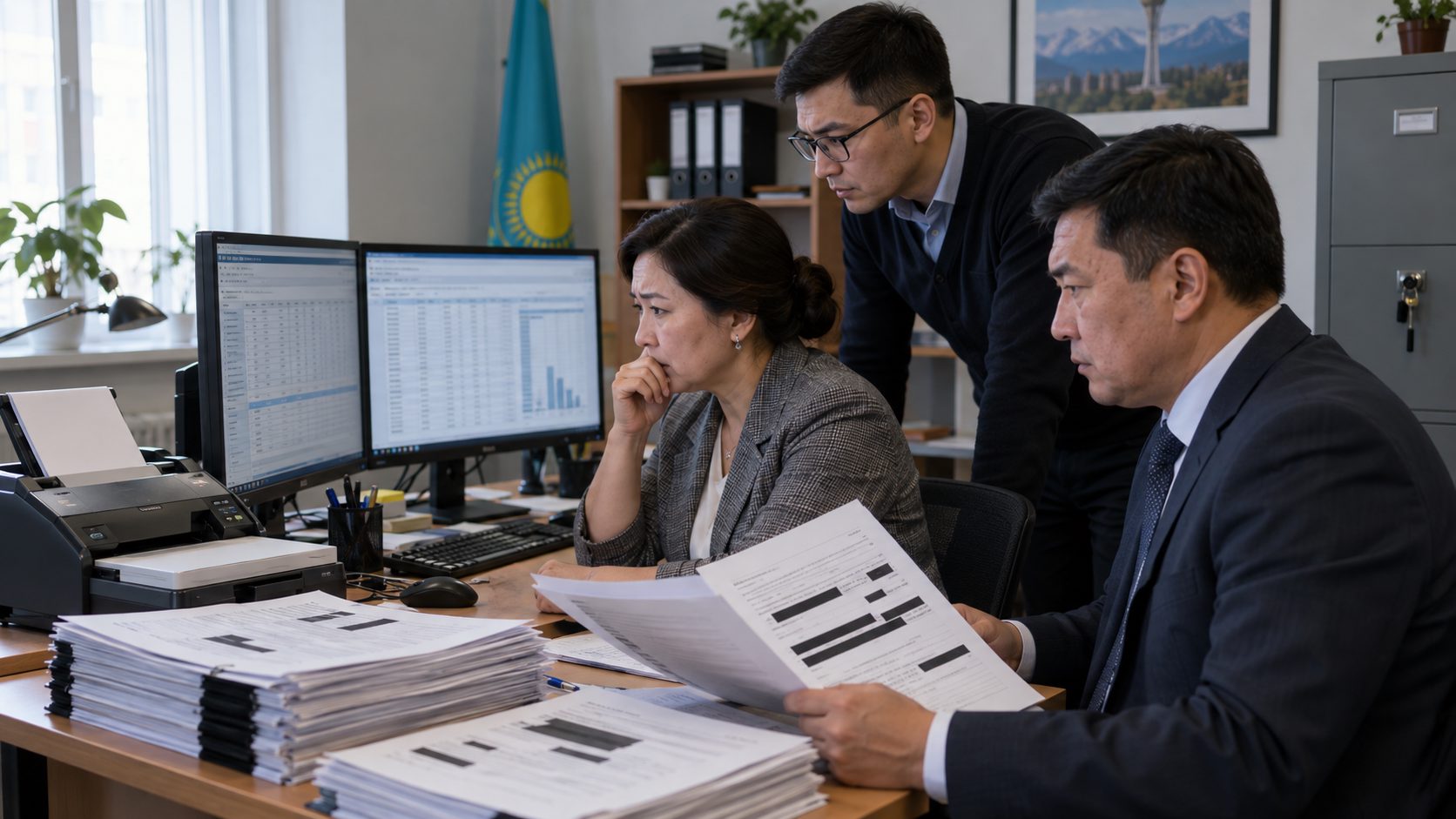
Prosecutors in Semey found documents on 31 school websites containing data about 3,752 employees and 344 minors. Names, national identification numbers, birth dates, addresses, and phone numbers were exposed. This column explains why removal only closes the public link, what system owners should investigate, and how to prevent a repeat.
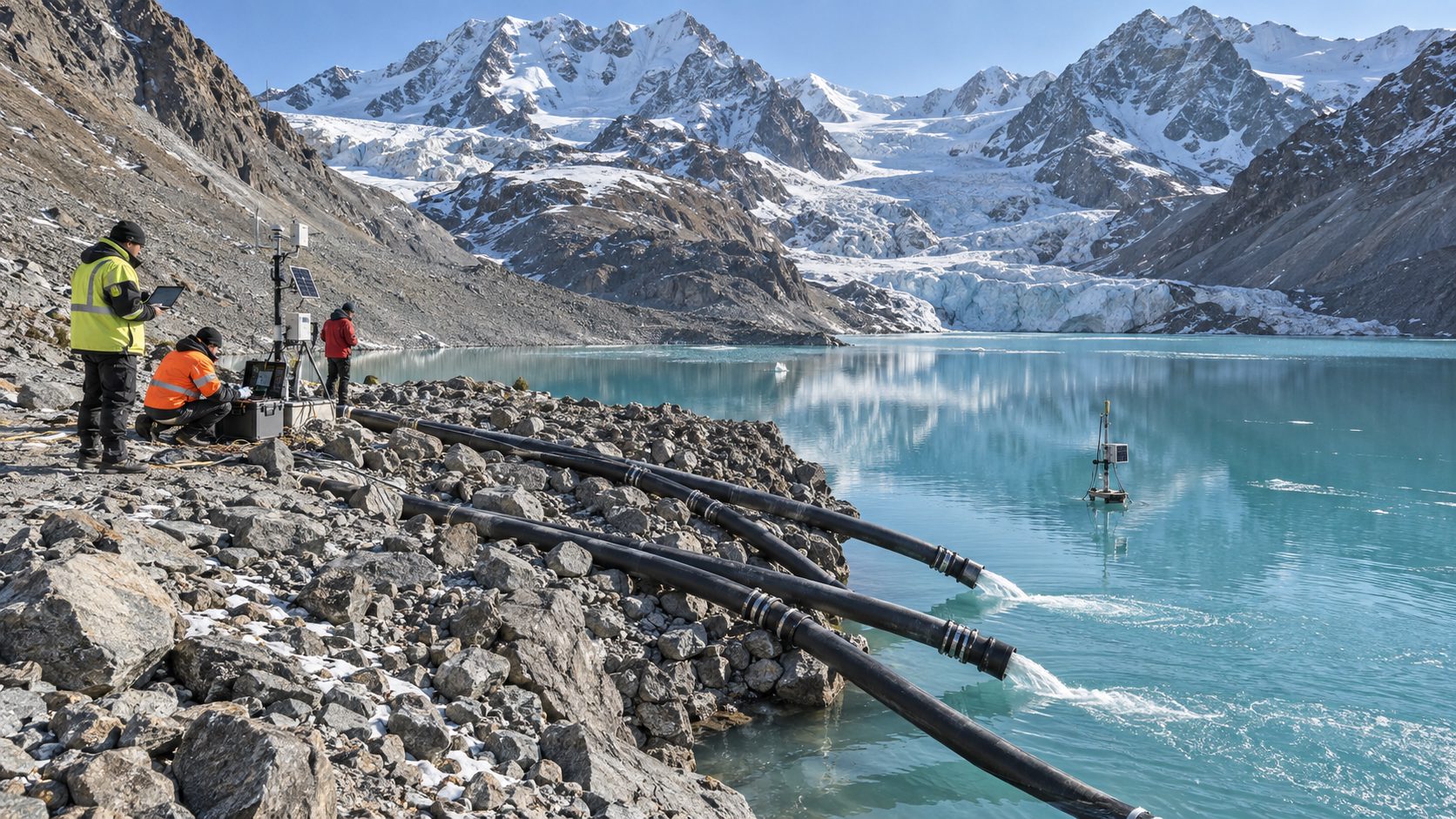
As the mudflow season winds down, Kazselezashchita specialists report removing 3.5 million cubic meters of water from potentially dangerous moraine lakes. Forty-four observation posts, 11 emergency crews, and more than 100 specialists were involved, with about 50 siphon pipes installed. We explain how these measures reduce risk and why monitoring continues.
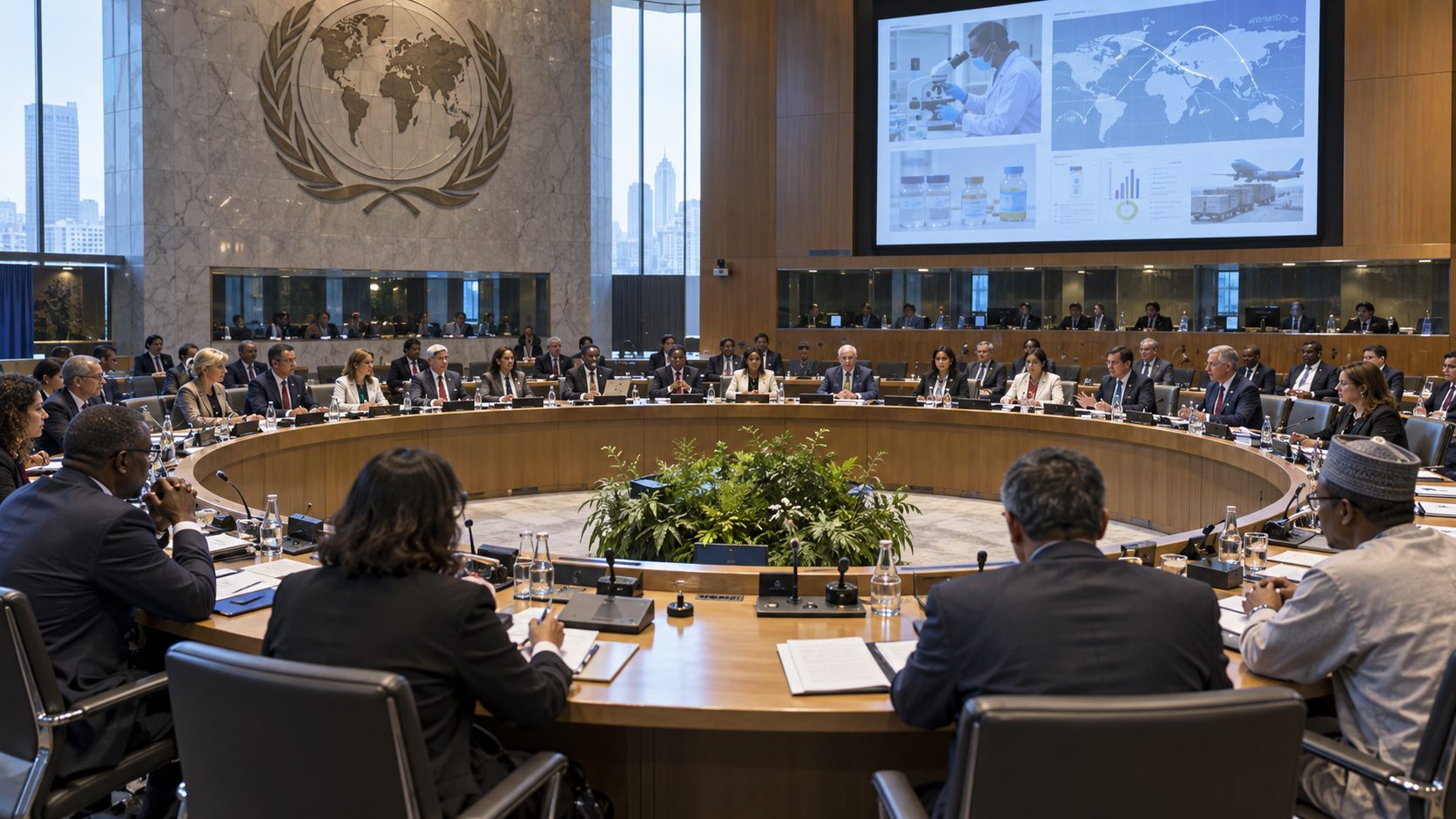
Countries renewed commitments to pandemic prevention, preparedness, and response at a UN General Assembly high-level meeting. The agenda centers on sustained financing, resilient health systems, early detection, and equitable access to vaccines, diagnostics, and treatment. We explain what has been adopted and which part of the global framework remains under negotiation.
Kazakhstan lost to Spain in the Billie Jean King Cup Finals quarterfinals in Shenzhen. After the two singles matches, the tie stood at 1–1 and the semifinal place was decided in doubles. Captain Yuri Schukin has reviewed the campaign. We reconstruct the match and separate the confirmed result from longer-term judgments about the team.
Turkistan is hosting an international fair for craftspeople and eco-products from September 26 to 28, with nearly 200 makers expected from Kazakhstan and abroad. The format combines direct sales, tourism, and business meetings. We examine how organizers hope to turn traditional craft into durable brands and export-ready products.
Kazakhstan sent 33 young specialists to compete in 31 skills at WorldSkills Shanghai 2026, from mechatronics and welding to mobile robotics and app development. Competition ended on September 26, with the awards scheduled for September 27. Here is what is confirmed before the official results are published.


 World