In your pocket sits a device that can reach any of billions of people in a second — and yet loneliness has become close to an epidemic. The network gave us endless contact and all but abolished closeness. A like is not an embrace, and a hundred friends in a feed will not replace one person who comes at three in the morning.
Health is often thought of as luck: good genes mean a healthy person. There is some truth in that, but not much. Medicine treats illness, while health is mostly made outside hospitals — by sleep, movement, food, water, air and stress. A doctor matters when something breaks, but the break is laid down years before the visit.
Kazakh culture holds a rare combination: a deep nomadic tradition and a young, searching modernity. The question is not which to choose but how to join them. Heritage without development turns into a museum; modernity without roots turns into imitation. Living traditions are not the preserved ones but the rethought ones.
Long before banks, courts and passports, humanity already had a working mechanism that made thousands of strangers trust one another. People know how to trust those they know personally. A shared faith answered a different question: how to trade and keep your word with somebody you are seeing for the first time.
Beginners think good code is clever code: dense, ingenious, impressive. The experienced know the opposite — the best code is boring and easy to follow. A program is written once and read dozens of times: by colleagues, by your future self, by whoever fixes it at three in the morning. Complexity is a debt.
Nobody packs up and leaves their home, their language and the graves of their ancestors because life is good. Migration is a symptom, not the disease, and while the symptom is treated the disease remains. A wall raises the price of the journey and fills smugglers' pockets, but rarely changes the decision to go.
The rule of law sounds like dry legal language, but a simple idea stands behind it: rules must sit above people, including the most powerful. Where a person rules, the law shifts with the mood of power and nobody knows what tomorrow holds. Where law rules, the ruler obeys the same rules and people can plan.
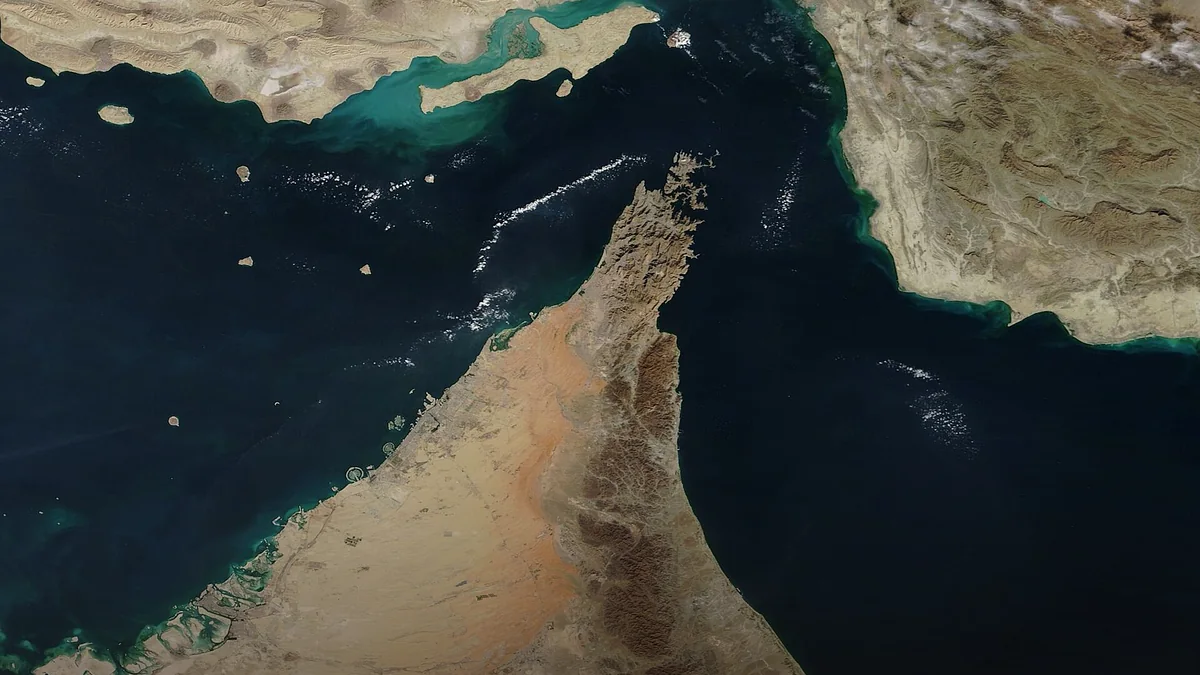
In one week, strikes hit a desalination plant in Kuwait, a grain ship off Odesa and tankers at Novorossiysk, through which about 80% of Kazakhstan's oil exports pass. Transit through the Strait of Hormuz fell by 62%. Four warring sides, one method: strike the infrastructure rather than the army.
Every wave of automation arrives under the same headline: the professions will disappear. More often something else happens — the profession changes its content. The cashier did not vanish when terminals arrived; they became an adviser. The accountant stopped adding columns and took up the meaning of the numbers.
Censorship is older than the printing press, but its power always rested on one thing: control of a narrow neck — one press, one broadcaster, one censor at the entrance. The digital age smeared that neck across millions of devices. Blocking one point is easy; blocking all of them is close to impossible.
The European Union is buried with impressive regularity: every crisis is declared the beginning of the end. The design proved sturdier than the forecasts because it grew from a simple thought — countries that trade closely find it harder to go to war. Unions where one country decides everything fall apart sooner.
Inflation is when the same money buys less tomorrow than it does today. There are usually two causes: more money in the economy than goods, or costs themselves rising. It is unfair by nature: property rises along with prices while wages and savings lose value. What actually helps, and what only sounds like it does.
A country can buy oil, weapons and technology, but a country that cannot feed itself is never truly independent. Oil can be replaced or postponed; food cannot — people eat every day. Hunger has toppled rulers more often than armies have. Why farming countries hold a card that money cannot buy.
Money looks like a thing — coins, notes, figures in an account. In substance it is an agreement: a banknote has value not in itself but because everyone around has agreed to take it in exchange for work. First people trusted gold, then states, now increasingly code. Why inflation destroys not notes but trust.
For centuries humanity read the book of life without being able to write in it, breeding blindly and hoping. To decipher a genome is to learn to read; to edit one is to learn to write. Where the line runs: correcting a gene in a sick person is one thing, rewriting the heredity of people who never consented is another.
The news talks about corporations and mega-projects, and a cafe, a workshop or a one-person firm look like small change. They are what creates most of the jobs. There is a less obvious role too: a person with a business of their own depends less on a single employer. Many independent people are what makes a society steady.
Trade is often taken for a zero-sum game: if someone won, someone else lost. Economics showed the opposite two hundred years ago — exchange is addition, not confiscation. But an honest conversation does not end there: the gain is spread thinly across everyone, while the loss falls on a few, at once and hard.
On 16 July Bloomberg reported that Google's flagship model was delayed by months: Alphabet shares fell 4.4%, some $200 billion in a day. The same day China's Moonshot released Kimi K3 and promised its weights to everyone. Why open weights matter more here than data centres. One company could not ship on time.
A language does not merely convey a thought — in part it forms it. Every language has turns of phrase another lacks, and with them shades of meaning visible in one and lost in another. Multilingualism is sold as a competitive advantage, but that is the dull half of the truth: the point is protection from a single version of events.
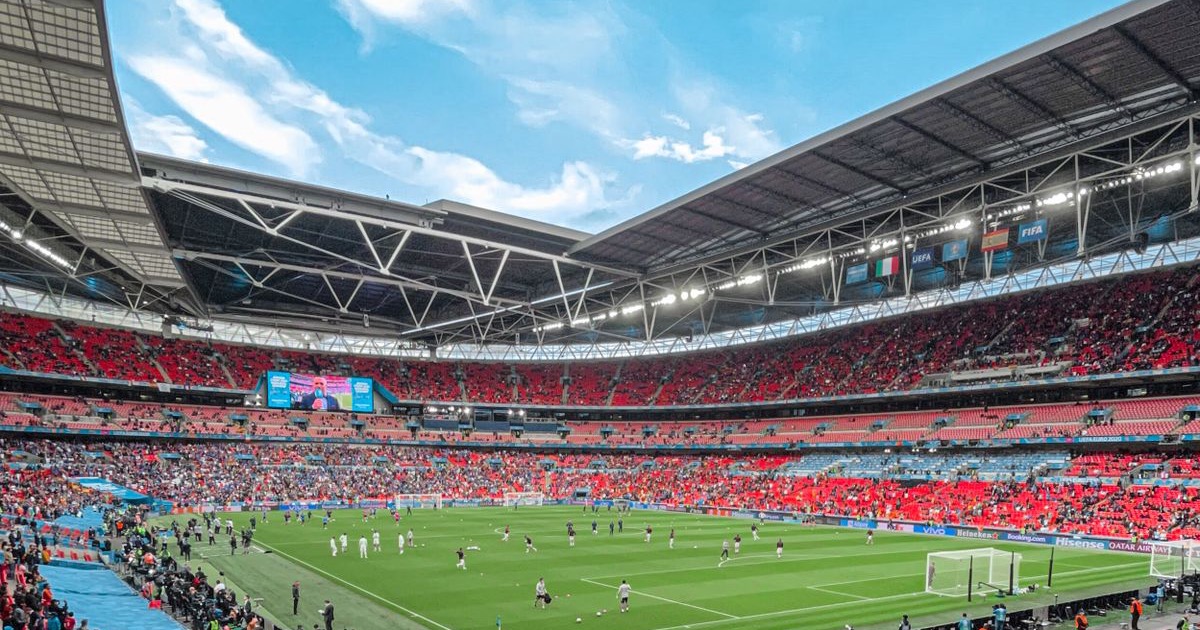
The final of a big tournament is one of the rare evenings when billions of strangers hold their breath at the same moment over a ball. Sport draws people not by its beauty but by its fairness: the rules are the same for everyone, the score cannot be rewritten by decree, and the result is visible at once. Nobody handed it down.
People have told stories for longer than they have written laws or built cities. Statistics report facts; a story gives understanding. You can read that a million people left their homes and feel nothing, then see a single life and understand everything. Why cinema and books are how a society thinks about itself.


 IT
IT