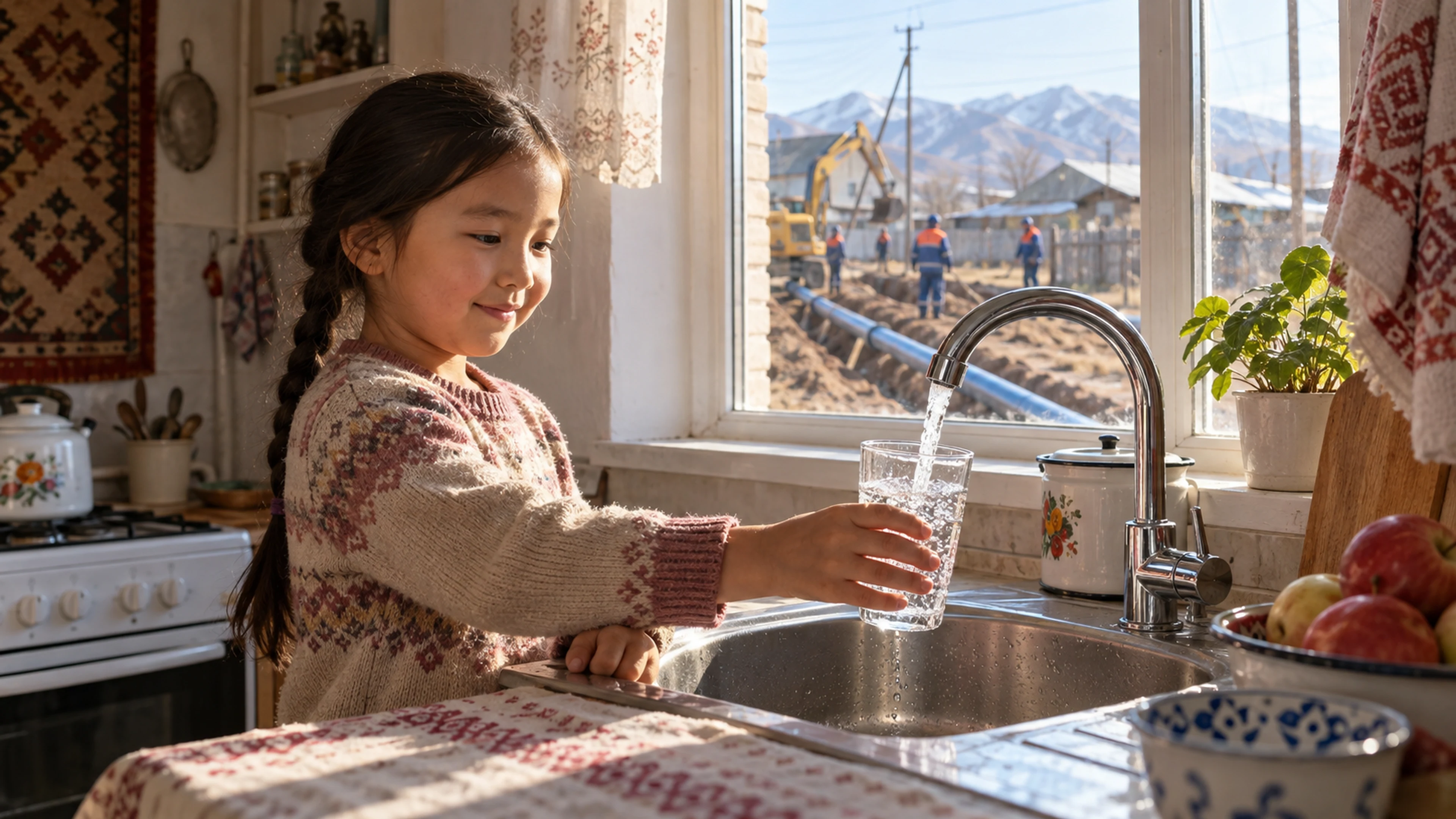
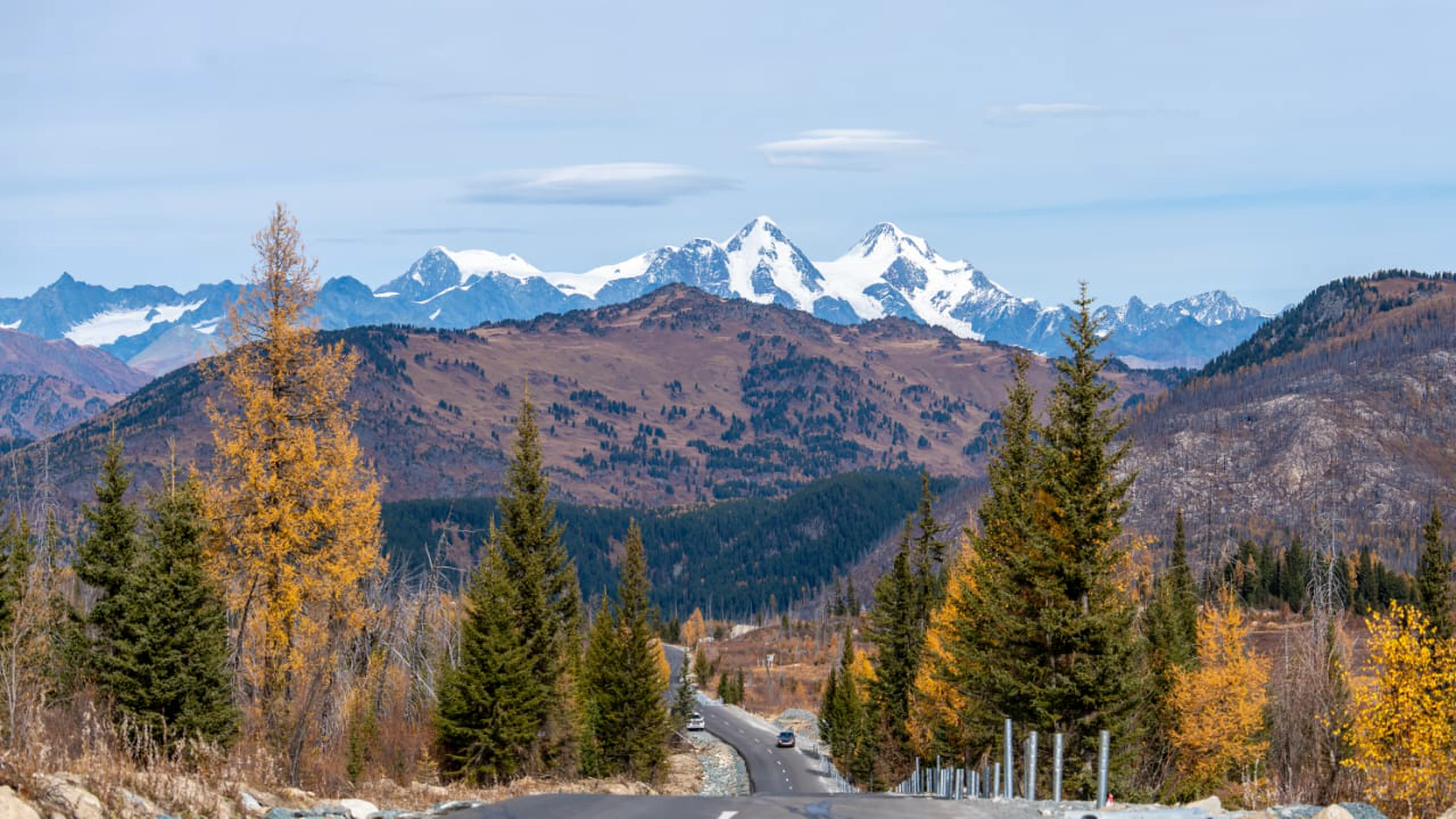
East Kazakhstan has opened a repaired stretch of the route to Katon-Karagay and Rakhman Springs. Officials report 13 km of new asphalt and drainage work. We identify the section and explain why it should not be mistaken for reconstruction of the entire mountain road.
A prosecutor has described 6.5 trillion tenge in asset-recovery results. Roughly 5.2 trillion of that is commitments to future projects, not cash received by the state. We compare the new interview with the official annual report and separate the figures.
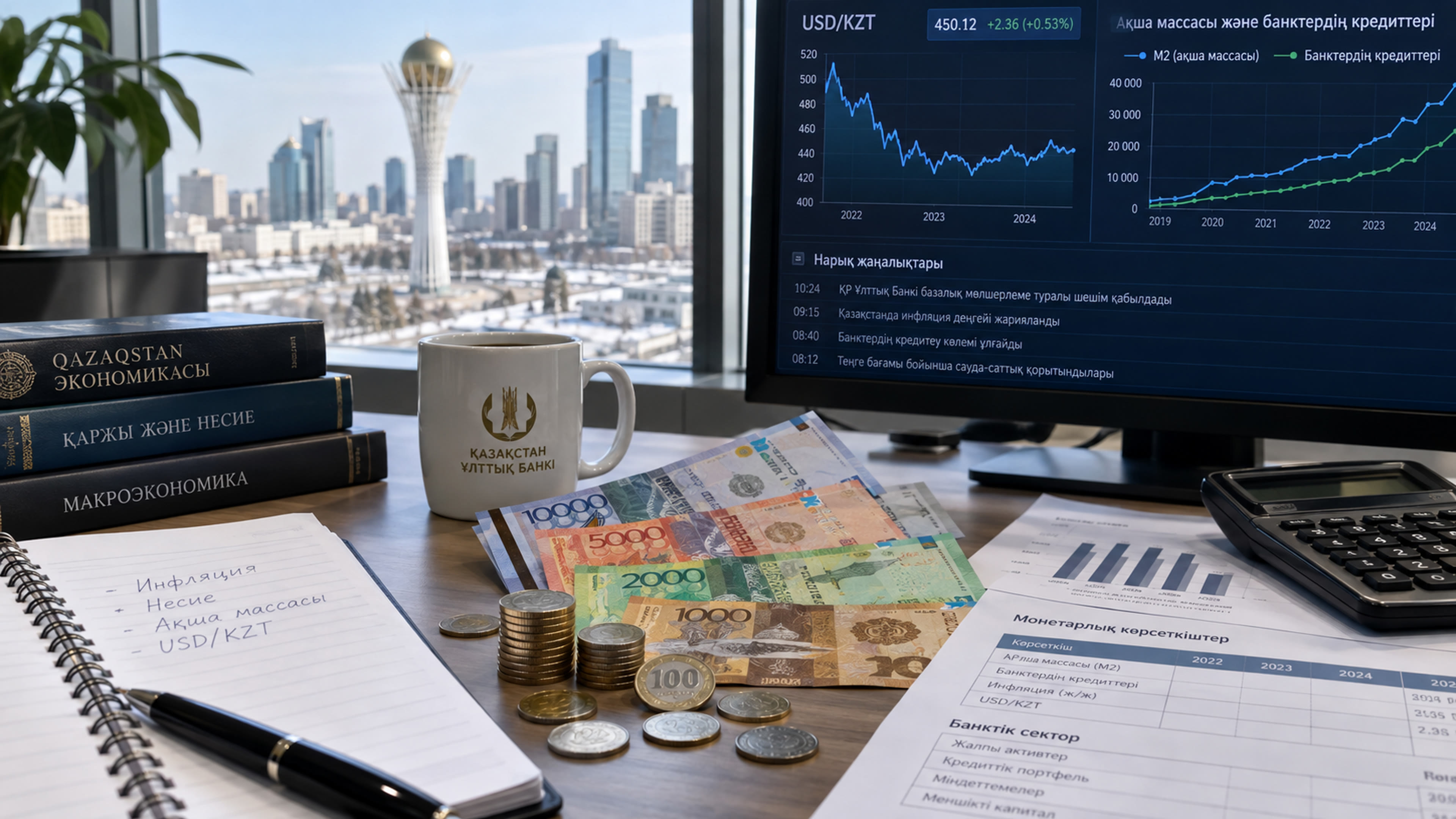
Using official NBK data, we show how bank money works: why a loan simultaneously creates a deposit, how a KZT 15.79 trillion monetary base coexists with KZT 54.99 trillion of broad money, and why credit growth remains part of Kazakhstan’s inflation problem.
The FAO Food Price Index reached 136 points in September, up 1.5% from August and 5.8% year on year. Grain and sugar drove the increase, while meat and dairy edged lower. We explain the pressures behind the move and why a global commodity index is not a local supermarket bill.
Travellers spent 258.8 million nights in EU accommodation booked through Airbnb, Booking and Expedia in the second quarter. That was 5.3% more than in 2025 and nearly 24% more than in 2024.
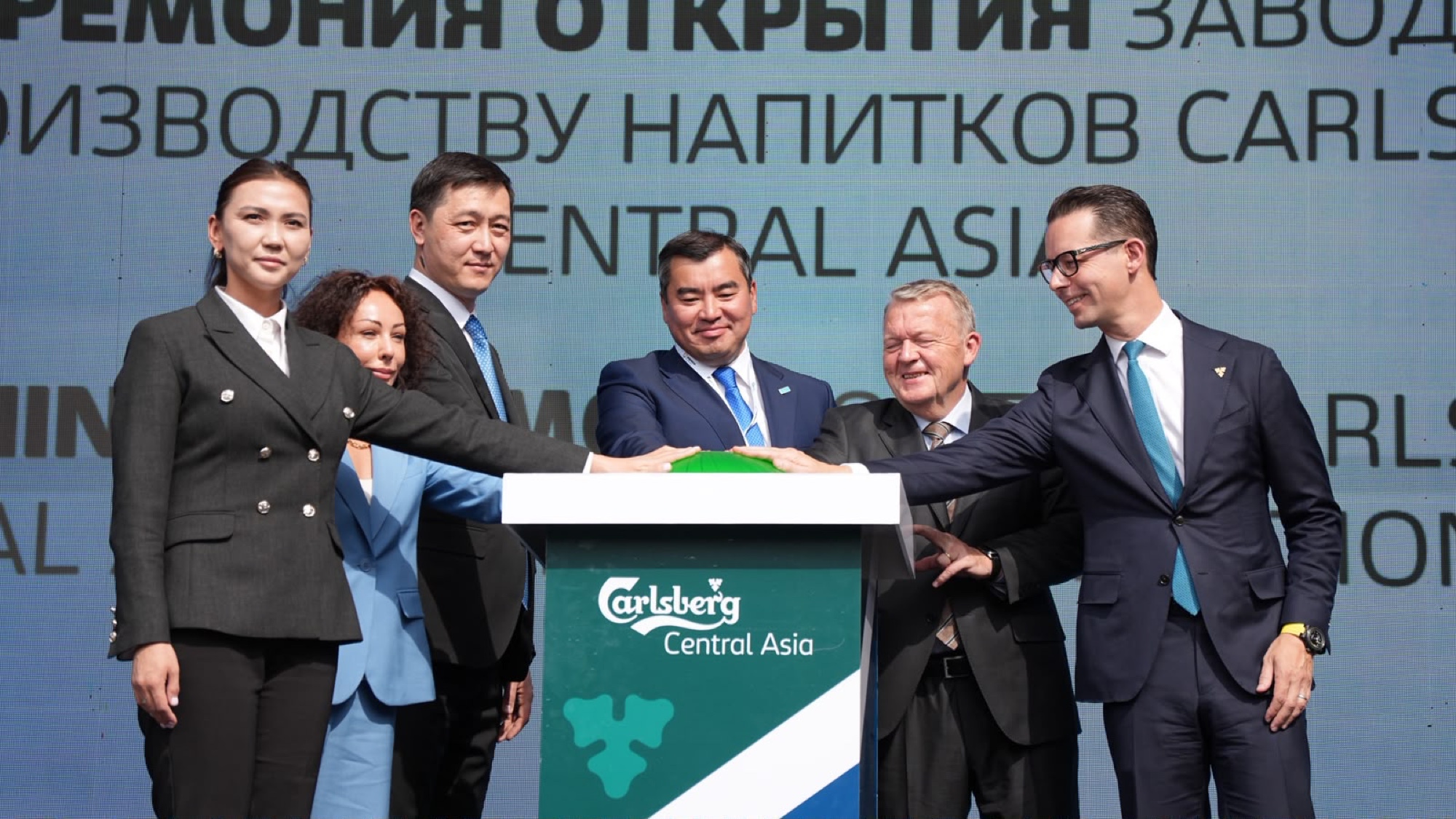
A new non-alcoholic drinks plant has opened in Boraldai with planned capacity of up to one billion litres a year. It promises more than 230 jobs and exports, although full output depends on commissioning.
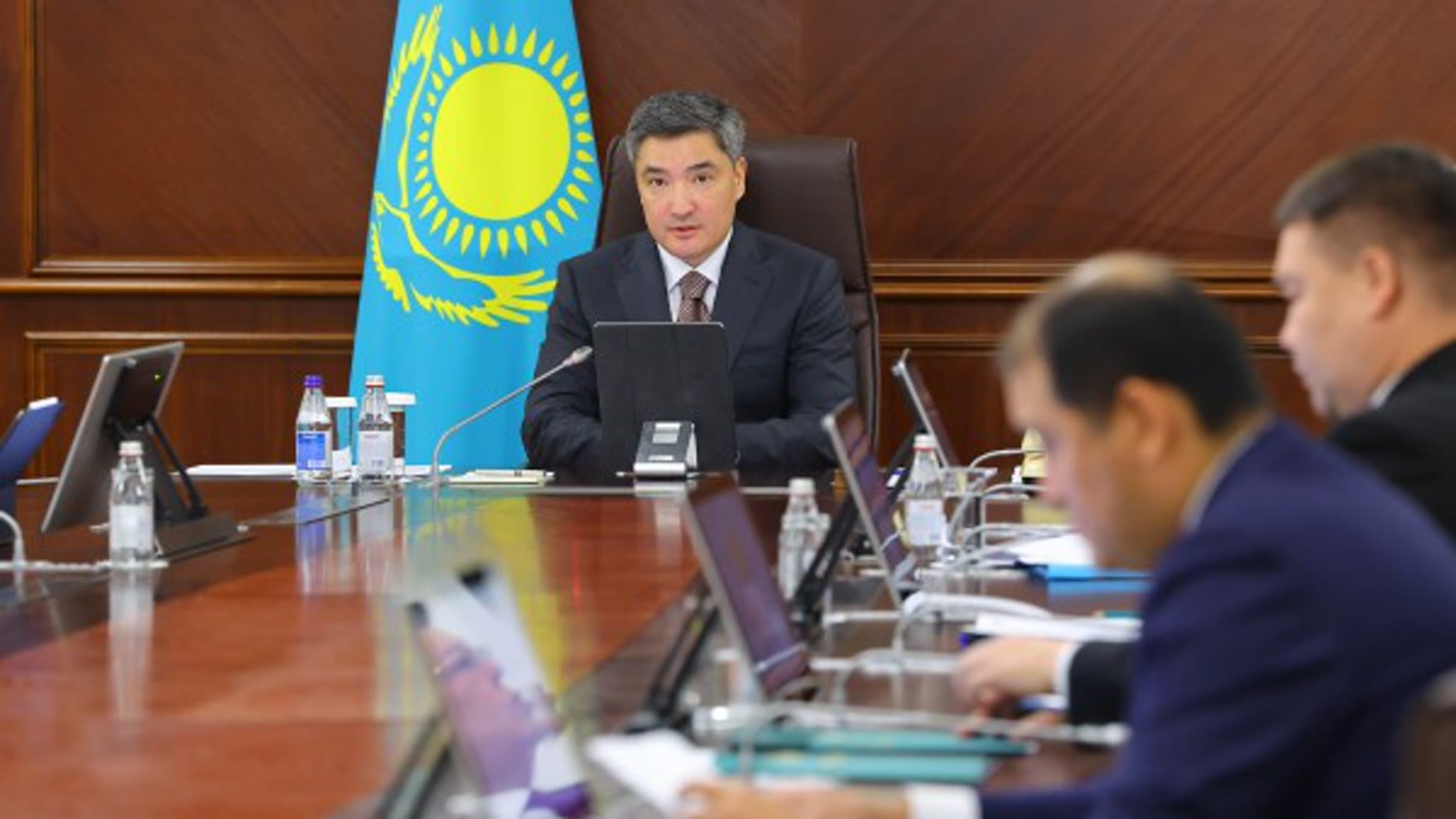
The government reports 99% readiness of heating networks and says heat is already flowing in five regions. Plants hold 4.9 million tonnes of coal and 127,000 tonnes of fuel oil, but Semey has completed only 82% of its plan, showing why local gaps matter more than a national average.
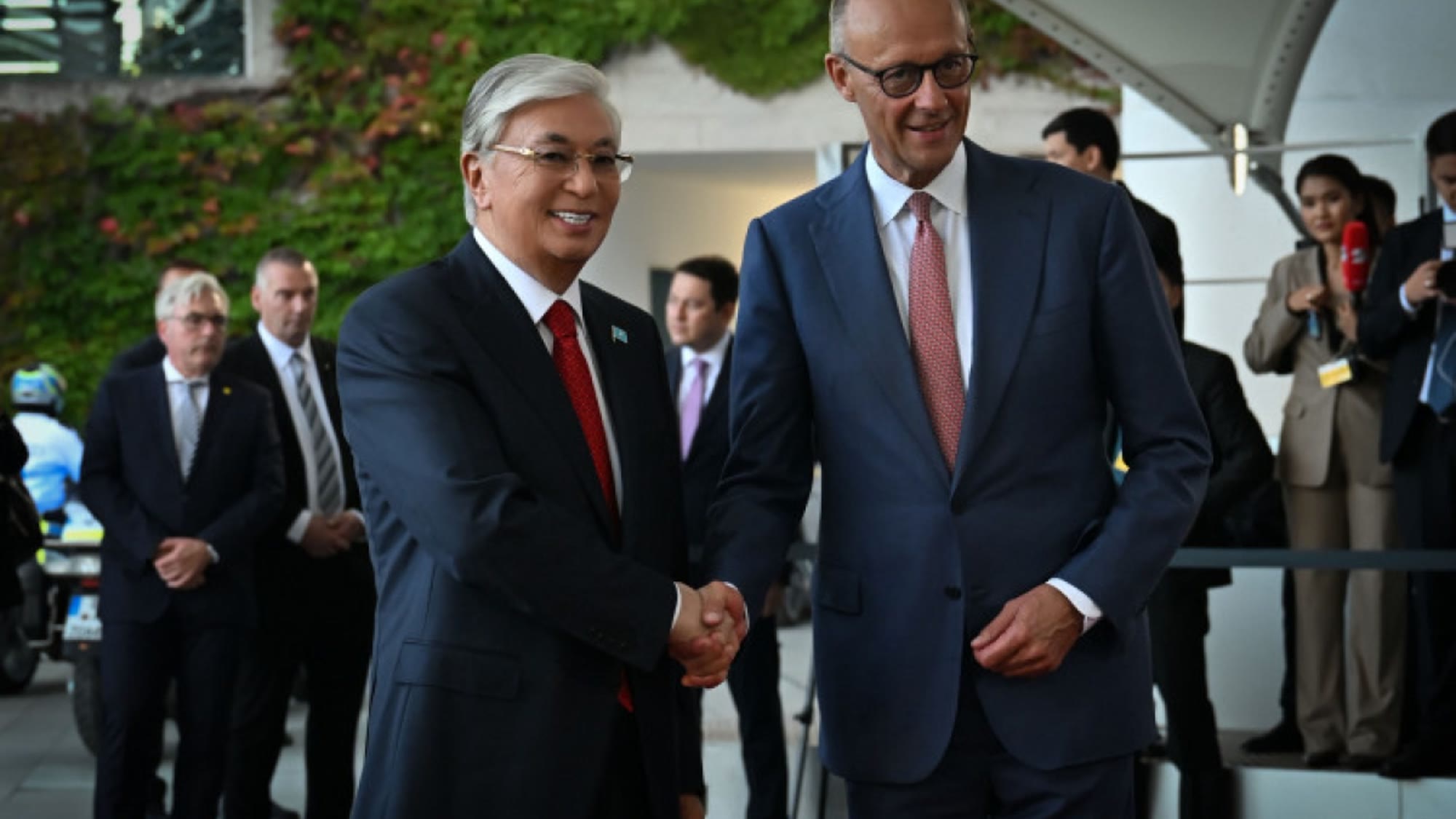
Talks in Berlin produced a portfolio of 40 industrial projects worth about $54 billion. Critical-mineral processing, localized production, energy, transport and investor protection lead the agenda; the next meaningful measure will be financed plants, deadlines and output inside Kazakhstan.
The Kazakhstan Stock Exchange index closed September 28 at 7,721.69 points, down 0.83%, while turnover in index shares increased to KZT 792.4 million. Kazatomprom, Kaspi.kz, and KazTransOil were among the largest decliners. Here is why one session should not be confused with a lasting trend.
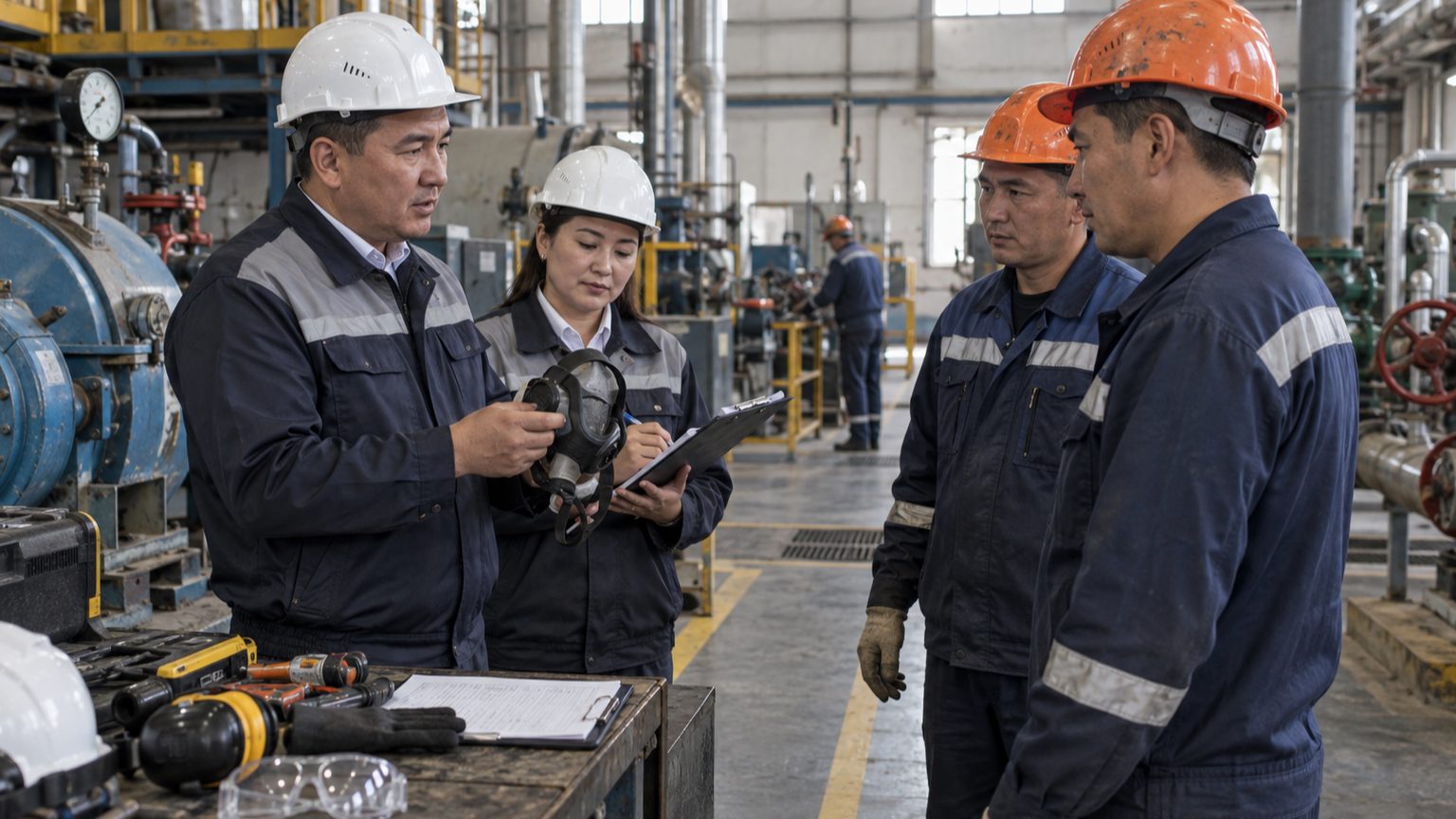
Labor inspectors in Kyzylorda Region conducted 264 inspections, identified 391 violations, and issued 210 orders in January–August 2026. The figures are more than a compliance tally: they point to the need for working procedures on pay, contracts, and safety, plus a clear route for employees to defend their rights.
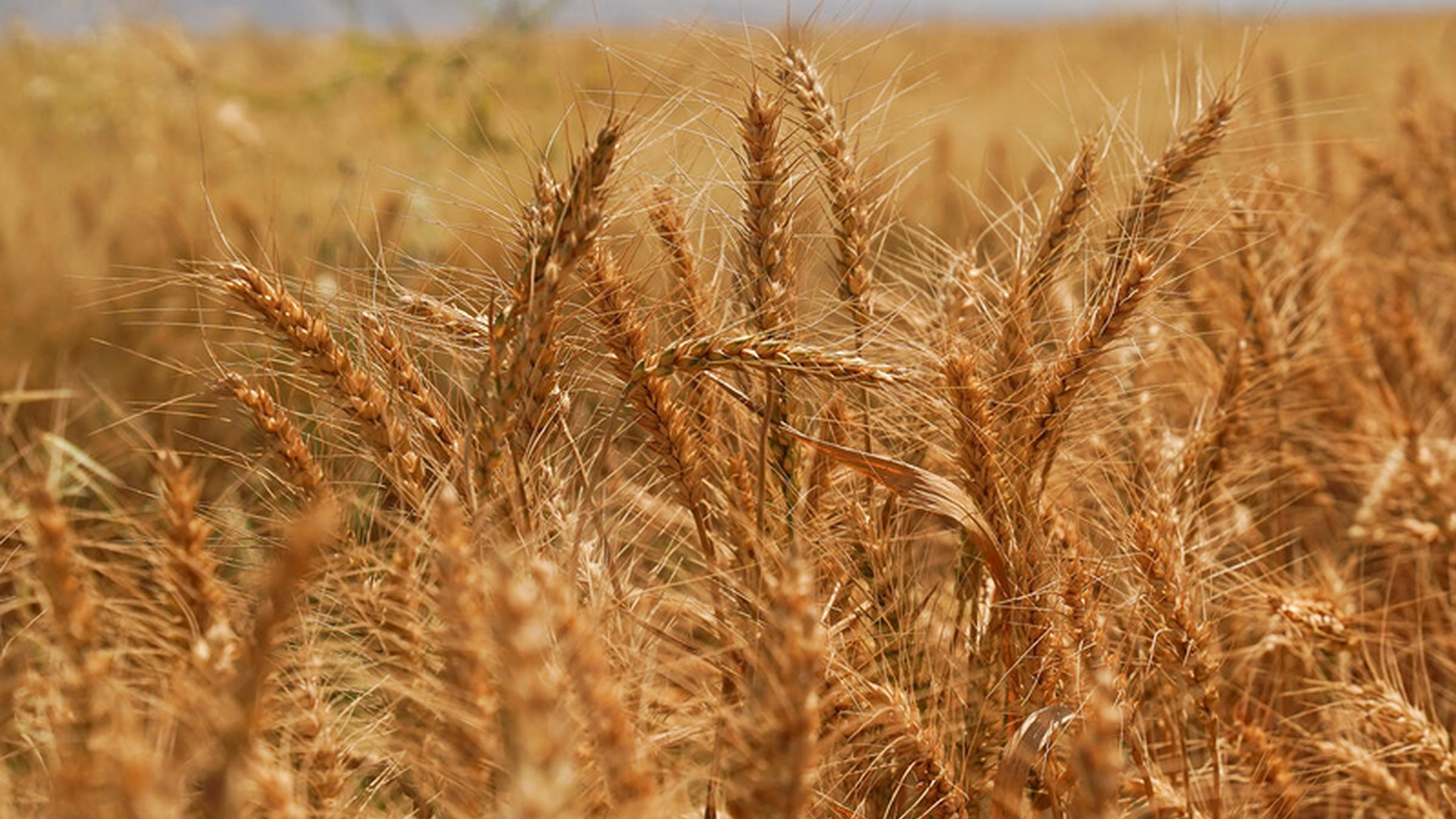
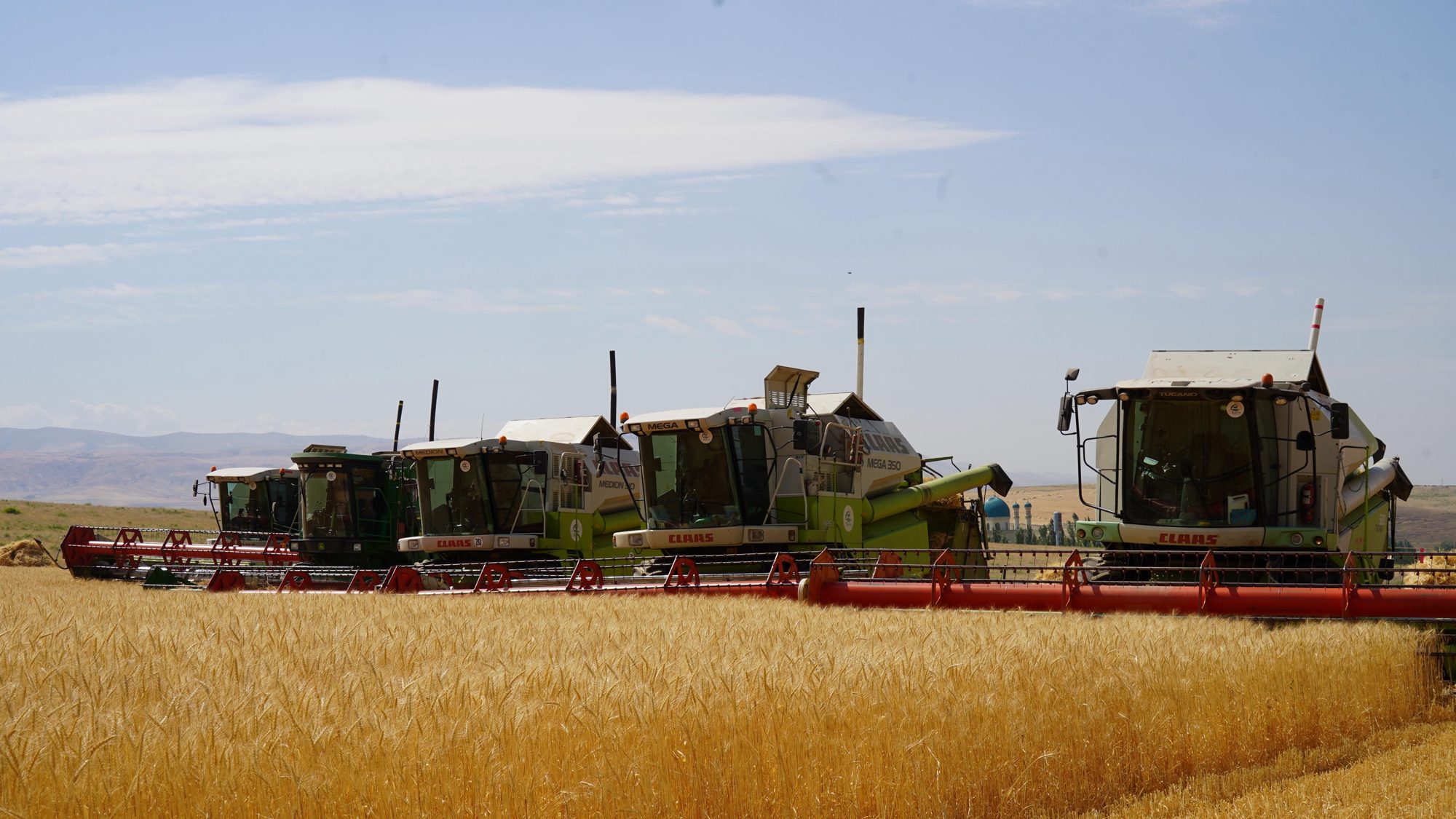
Kazakh farmers have harvested 12.7 million hectares and collected 18.6 million tonnes of grain. We explain what yields, oilseed output and machinery deployment reveal, and why this strong interim figure is still not the final result of the season.
The UN has dedicated World Tourism Day to artificial intelligence and digital transformation. Kazakhstan’s accommodation sector served 4.77 million visitors in January–June. We examine how algorithms can help regions and why poor data can push even more travelers toward the same crowded destinations.
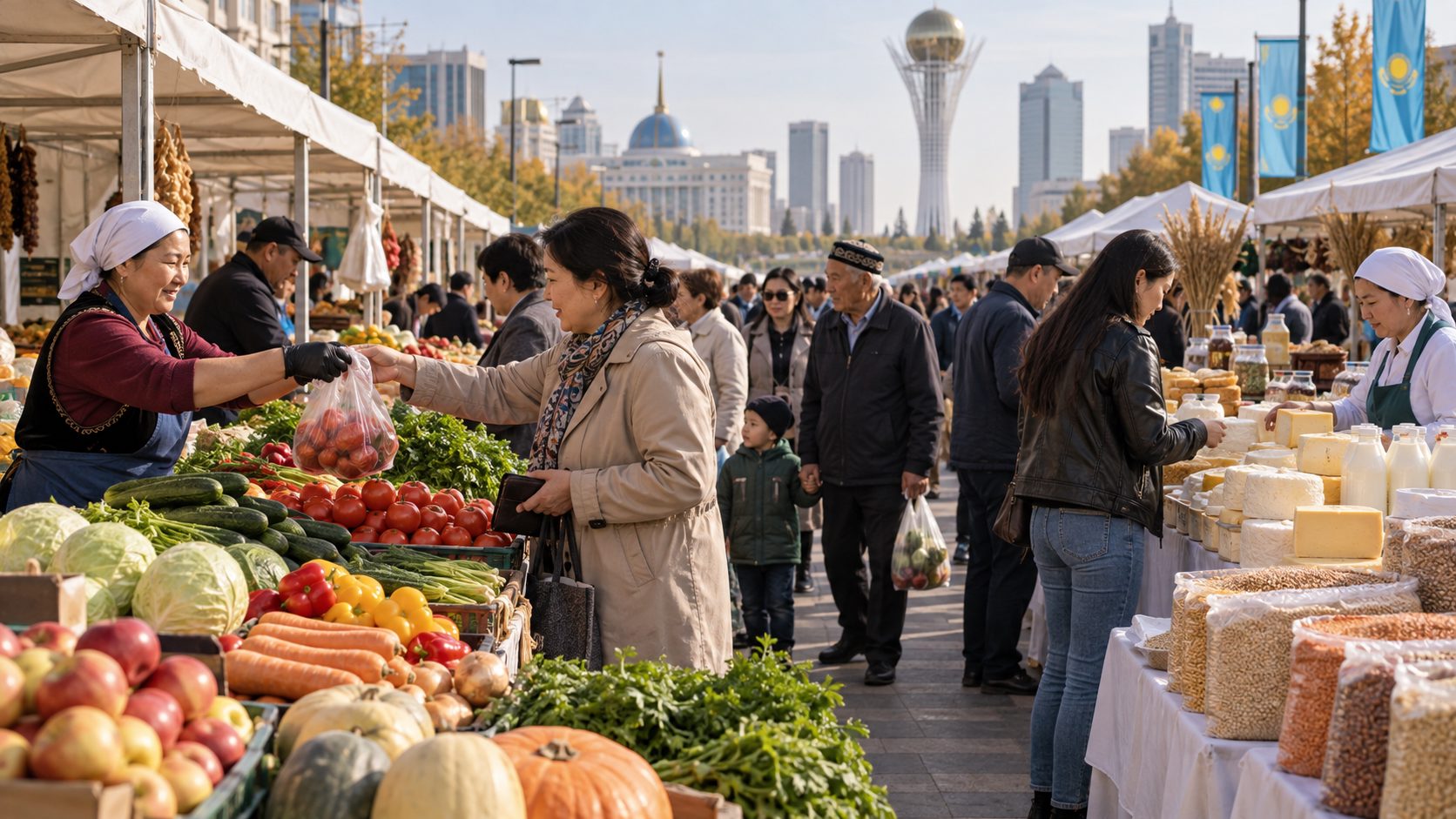
Around 3,500 tonnes of domestic farm produce were offered at Dala Dämi fairs across Kazakhstan this weekend, nearly twice the previous week’s volume. We explain how direct sales and free stalls are intended to help farmers, why delivered volume is not the same as sales, and which figures are needed to measure any effect on household food costs.
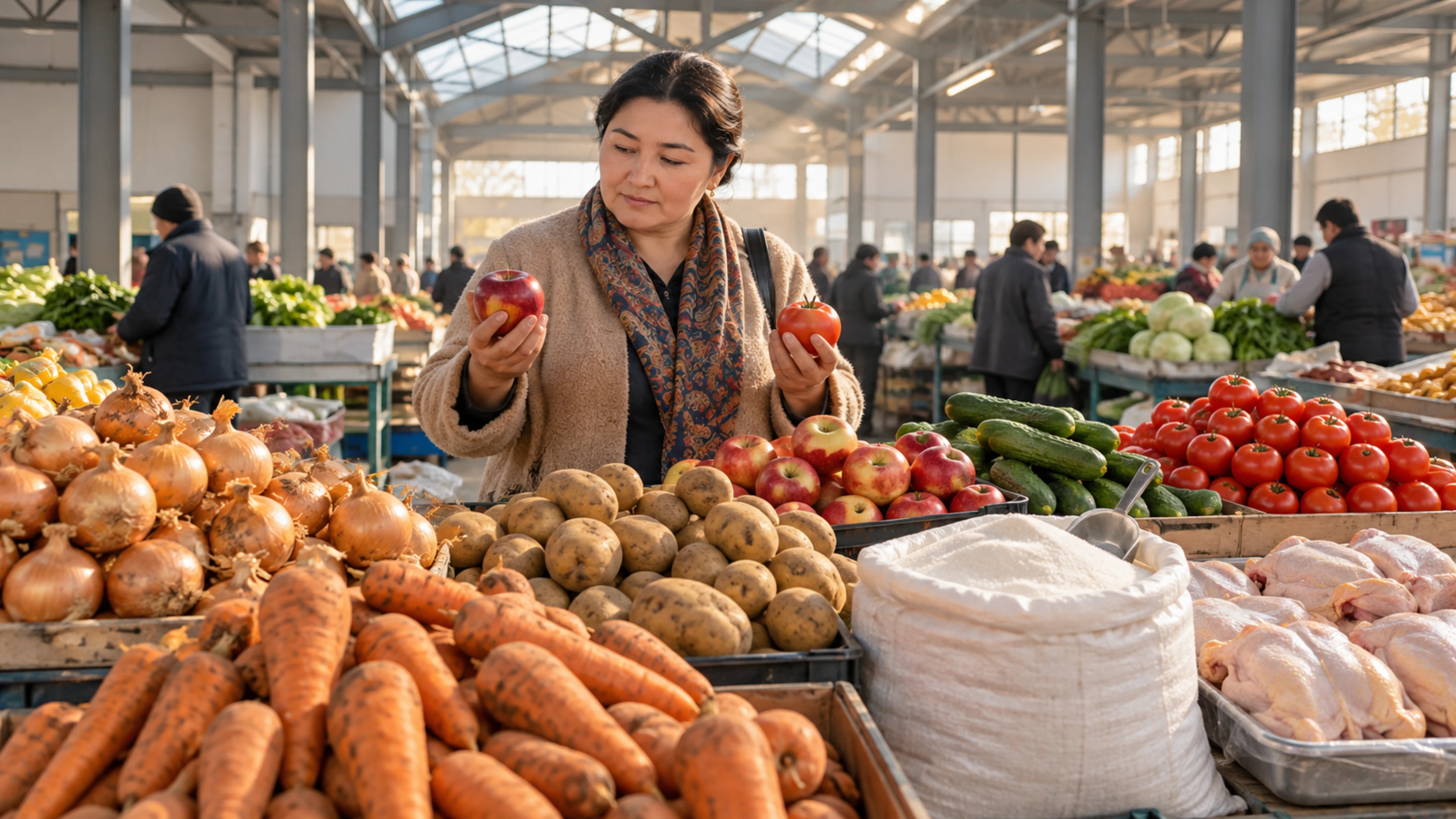
Kazakhstan’s Bureau of National Statistics recorded weekly price declines for onions, carrots, apples, cucumbers, potatoes, sugar, chicken meat, and bone-in beef. We examine the percentages, differences between cities, and the limits of the figures: lower prices for selected foods over one week do not mean that the overall cost of living has fallen.
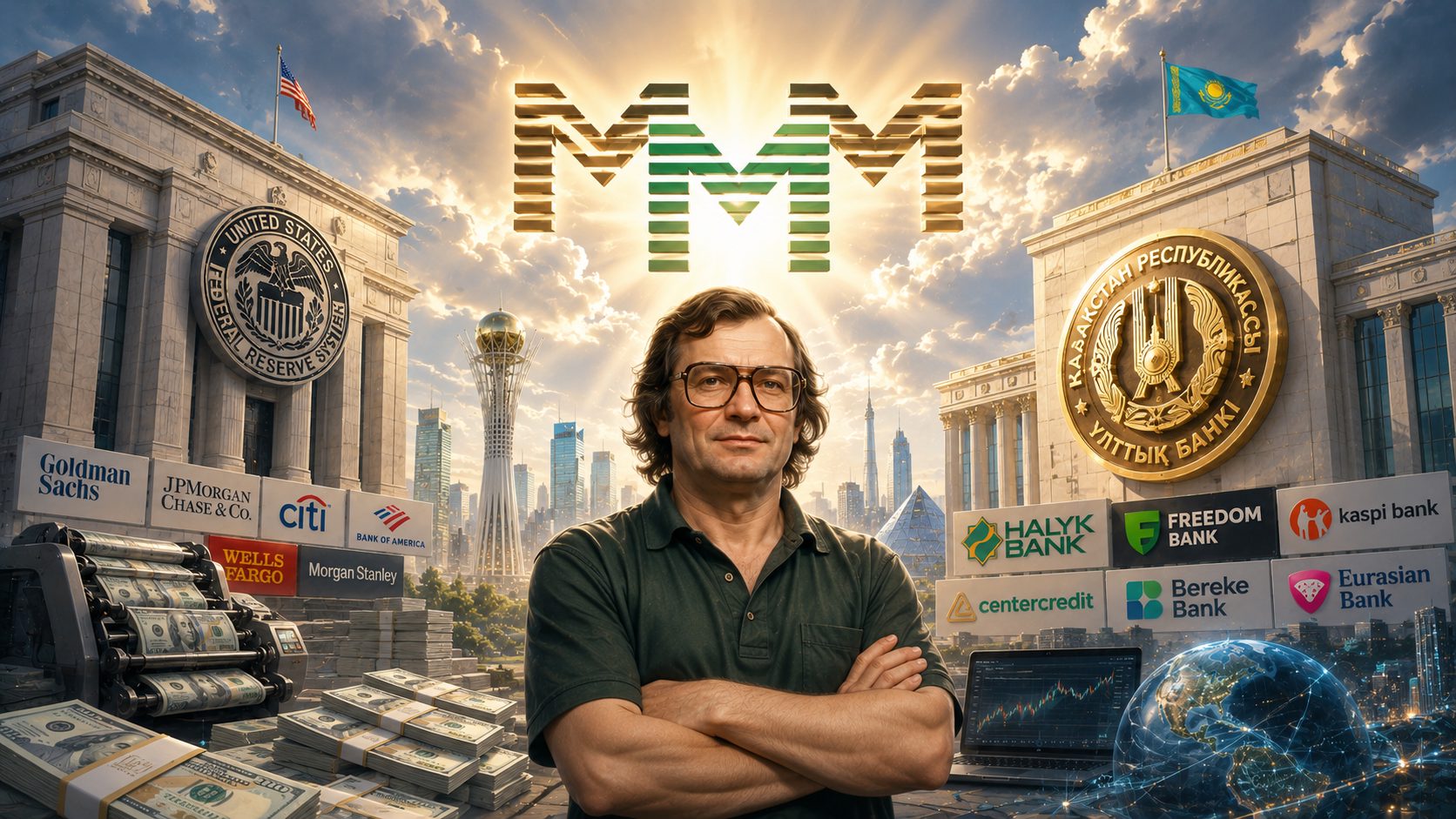
Mavrodi set the price of his own tickets twice a week, and his pyramid did not collapse — it was stopped from outside. He was seventy-six years late: the initials MMM already belonged to a Federal Reserve workbook describing how banks make money out of thin air. The US national debt stands at 40 trillion.
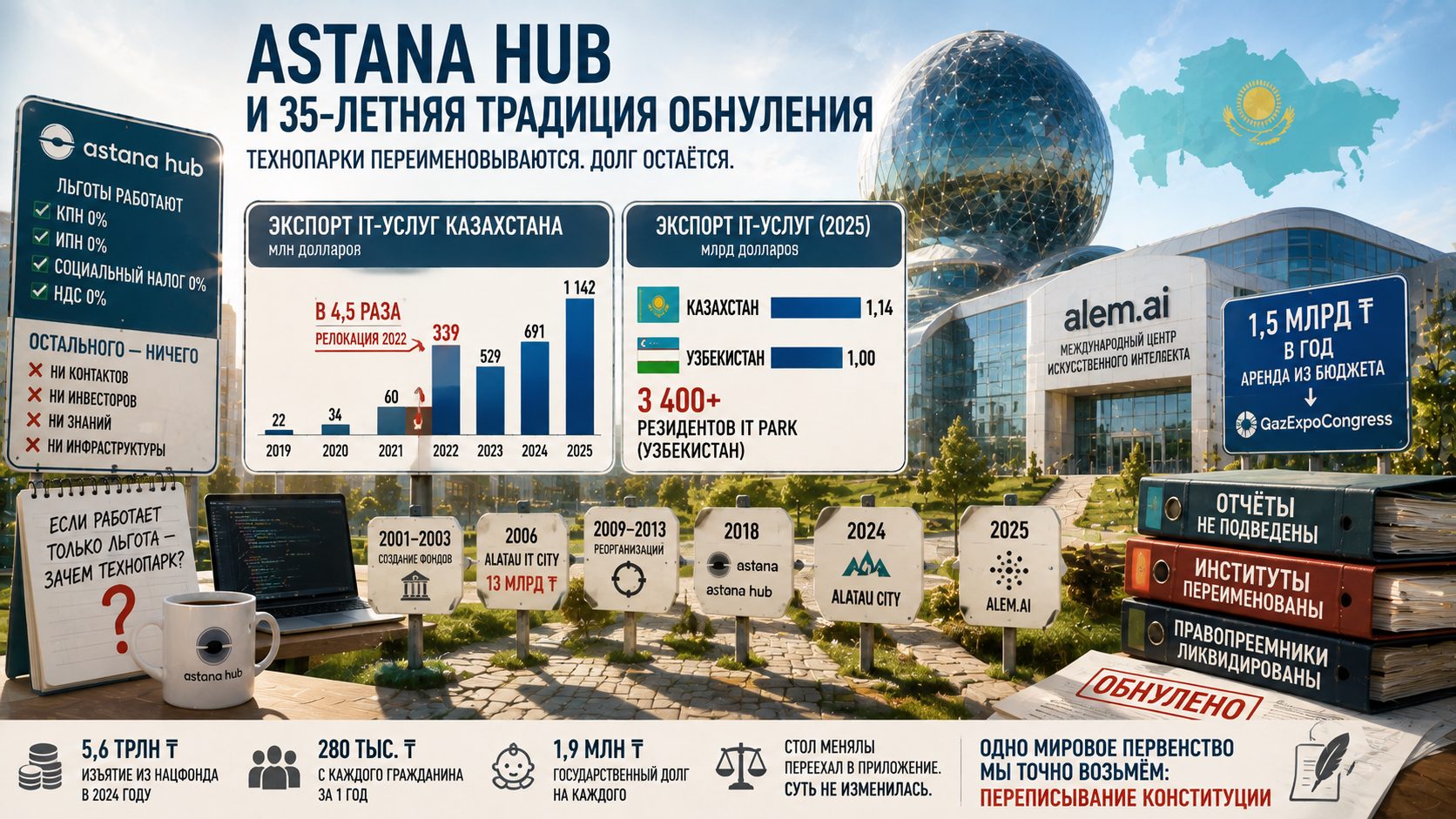
I am a member of Astana Hub, and I will say it plainly: the tax exemption works and a startup needs it — the rest gave me nothing. Hence the question: if only the exemption works, why does it need a technology park, a building and 1.5 billion tenge of rent a year? And why has no such project been audited in thirty-five years.
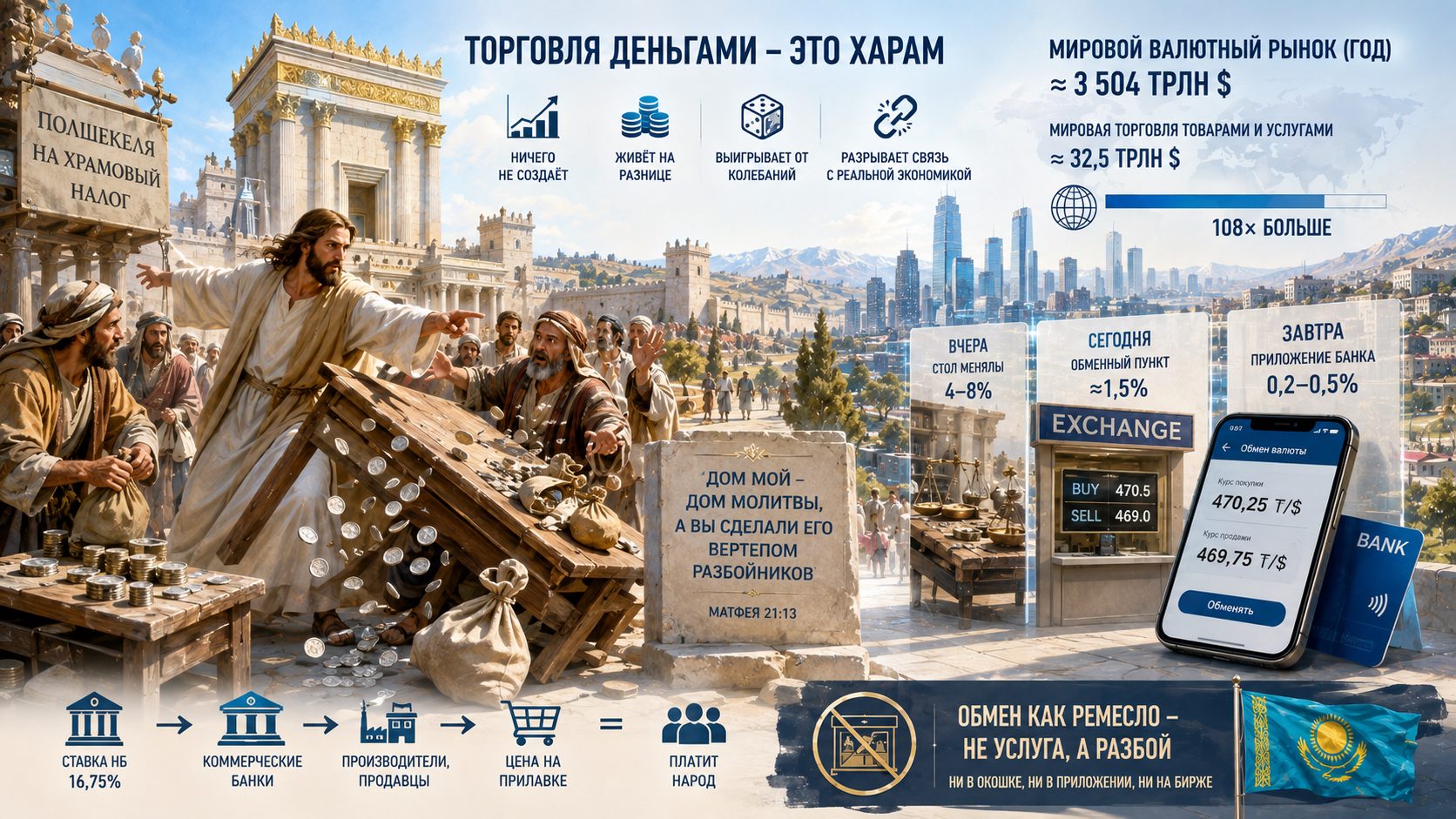
The shulhani was the money changer at his table in the Temple of Jerusalem, swapping foreign coin for the Tyrian shekel — the only currency the temple tax could be paid in. He took four to eight per cent and produced nothing: his income came from the fact that somebody else's payment was compulsory. Jesus overturned his tables.
People have argued about Palantir for twenty years, but about the wrong thing. It started in 2003 on money from the CIA's venture fund and hides nothing about what it does — its chief executive says so publicly. What matters is not the founders' rhetoric but the charter: one class of shares gives them 49.999999% of the vote.
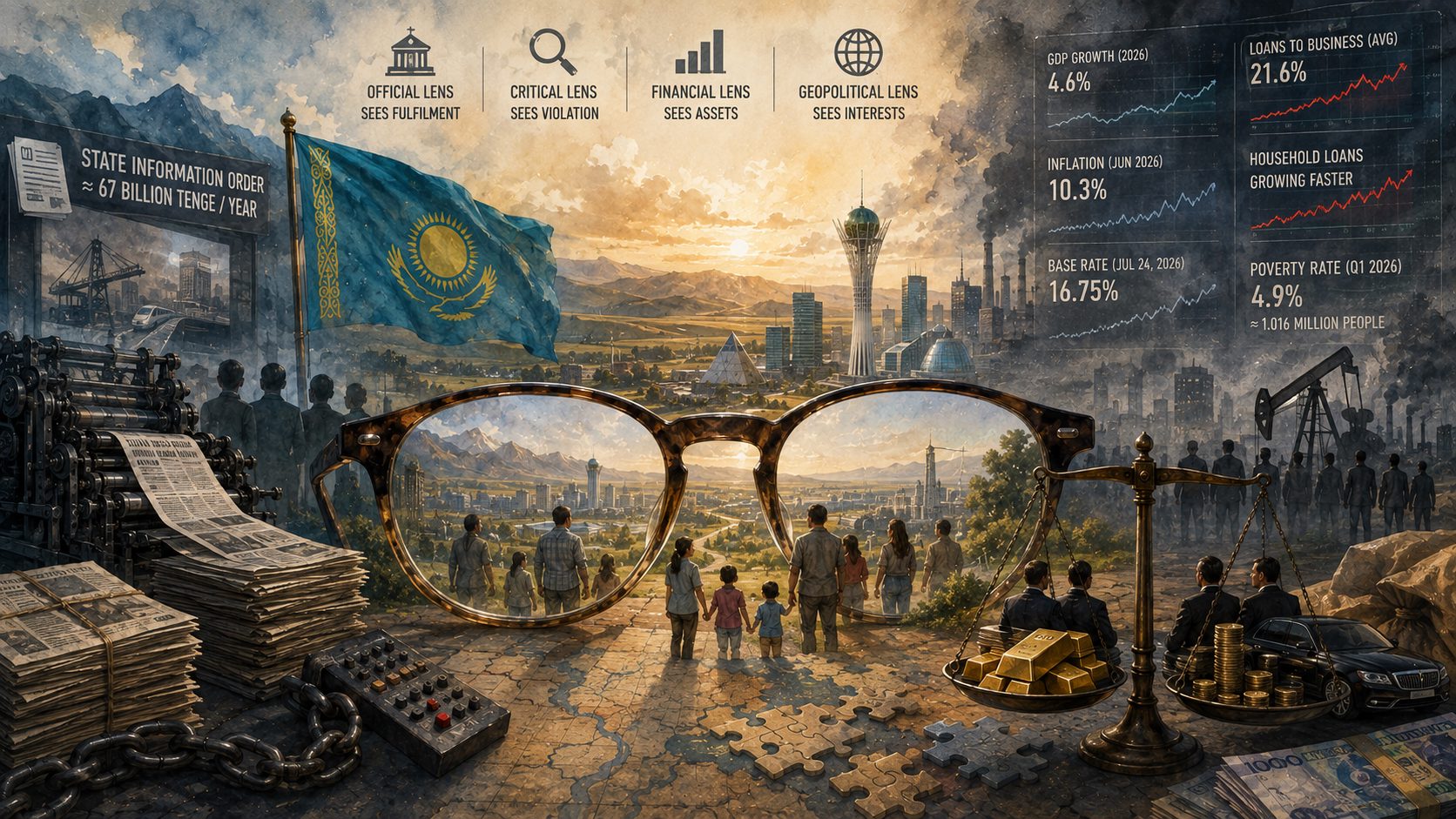
Four lenses write about Kazakhstan — the official, the critical, the business and the geopolitical — and each is built not to notice something. We gather the figures without a lens and examine what none of them sees: the country measures its summit, while the strength of an economy is decided at its floor, not its peak.
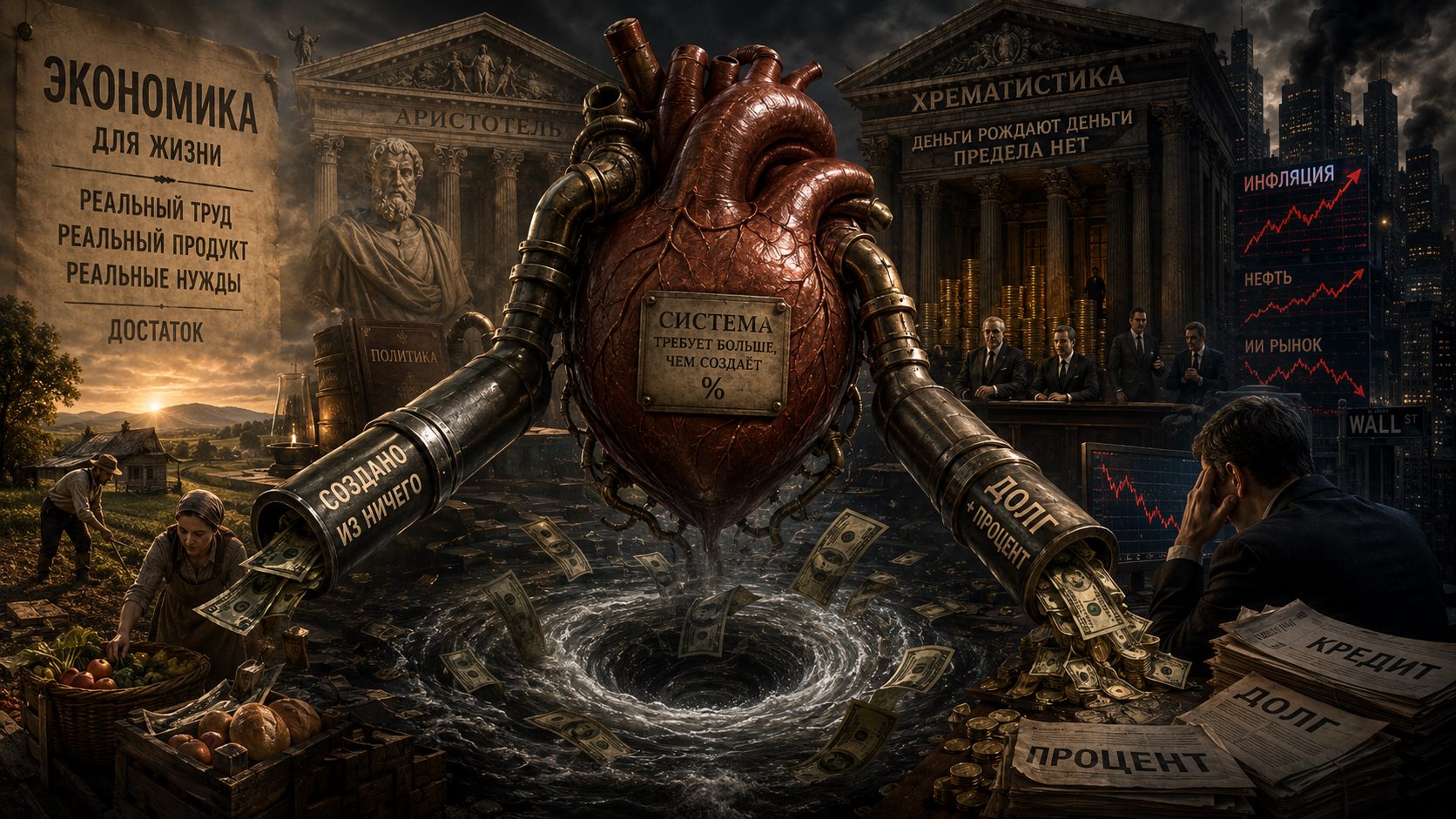
Aristotle split household management in two: oikonomia, providing for real needs, and chrematistics, accumulating money for its own sake. The second won and named itself economics. Why the Greek called interest offspring, why all three Abrahamic faiths forbade usury, and what a central bank's refinancing rate really is.
GDP grew 4.1% in the first half of 2026, manufacturing 9.8%, private investment 21.4%. From the same statistics: real wages fell 2.3% in the first quarter, the worst result in the Eurasian Union, and retail trade halved its pace. Both figures are correct, and between them lies the whole of current economic policy.


 Economy