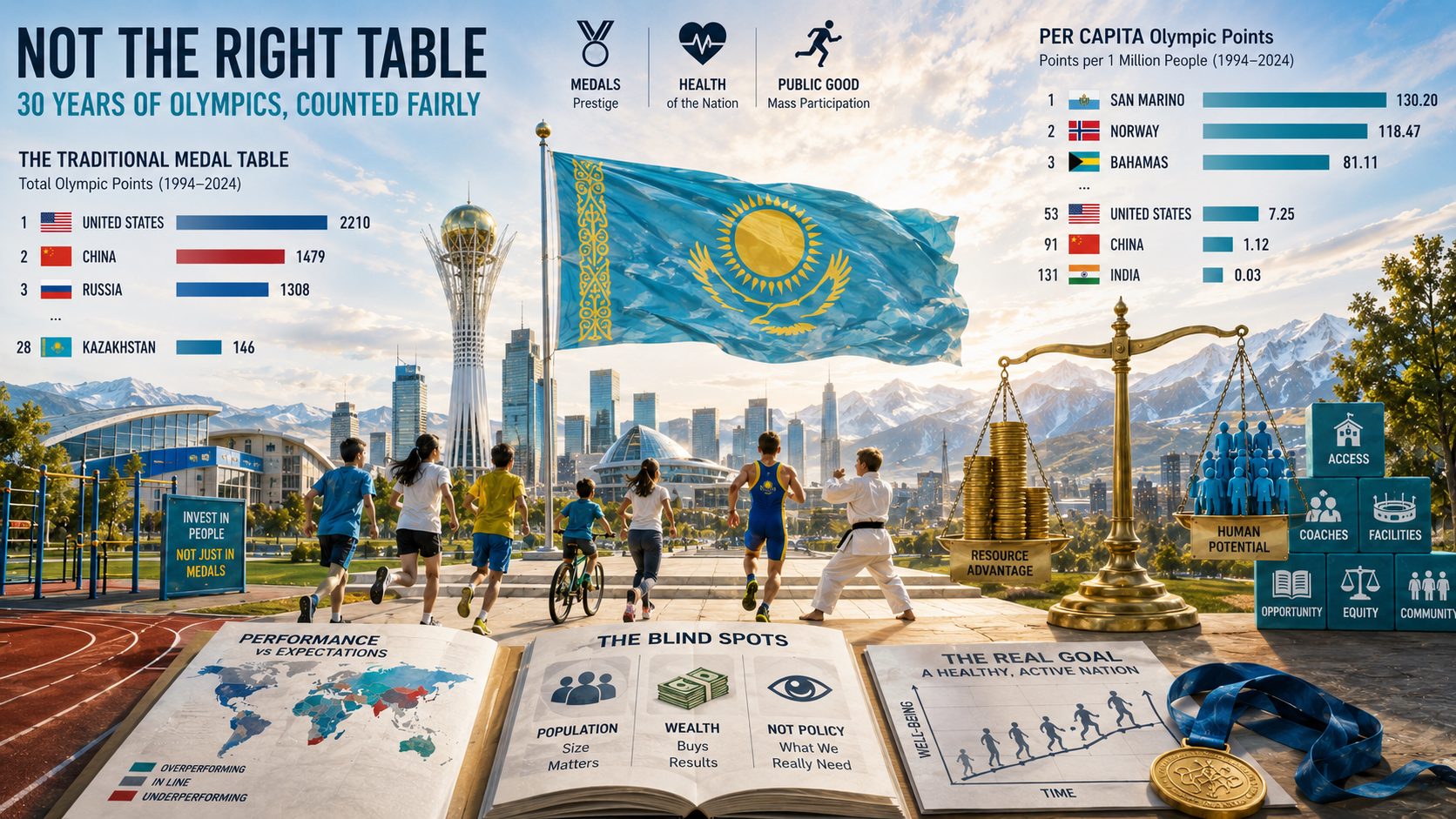
The medal table measures the size of a country before anything else: economists showed the result is predicted almost entirely by population and GDP. We recalculated all sixteen Olympics from 1994 to 2024 per head of population — the United States falls from 1st to 53rd, China from 2nd to 91st, India lands 131st of 132.
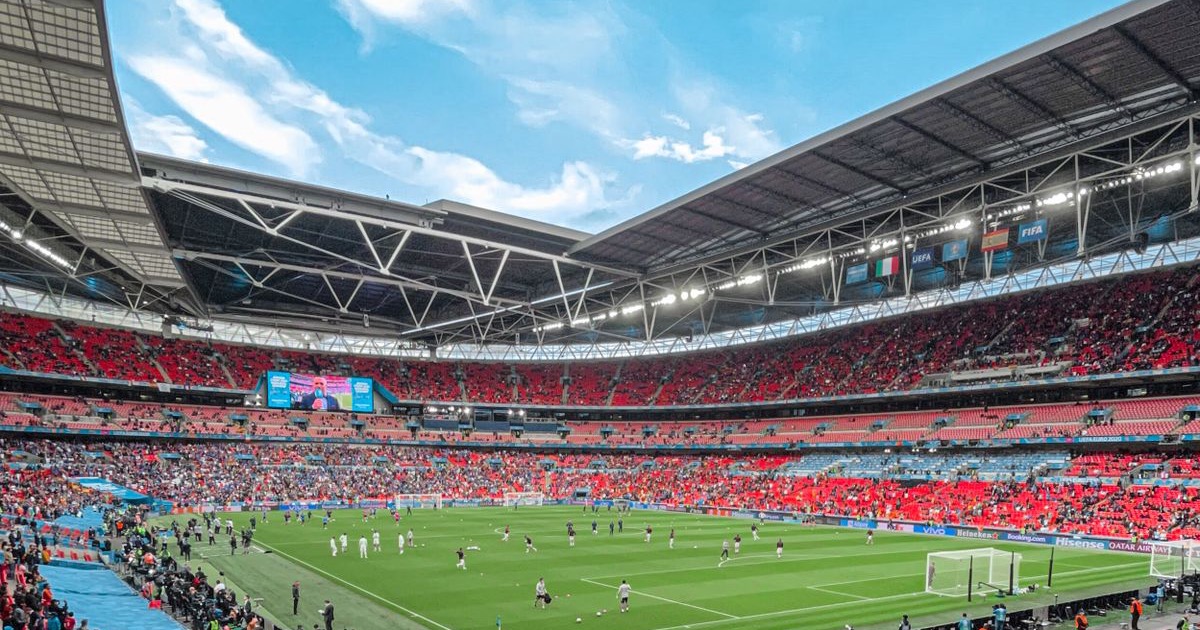
The 2026 World Cup — the first 48-team tournament, hosted by the United States, Canada and Mexico — reached its final in a way that rarely happens. For the first time since world rankings began in 1992, the four strongest teams going in — Argentina, Spain, France and England — all made the semi-finals.
Chess is older than almost every state now in existence. Why a game on sixty-four squares outlived the empires that saw it: it has no luck and no external factors — only you, your opponent and the consequences of your decisions. A loss cannot be blamed on bad fortune. The stronger player thinks a move further, not hits harder.
From outside, boxing looks like brute force: two people hitting each other, and the tougher one wins. The closer you look, the clearer it becomes that it is above all self-command. Whoever loses their head to anger opens up and loses. The loser is not the one knocked down but the one who does not get up.
Once every four years the planet looks in the same direction at the same time. Why football: the game needs no words and no equipment — a ball and two goals exist everywhere, from the yards of Almaty to the beaches of Rio. How to read a tournament by its structure rather than by the score. Class shows after a goal conceded.
Wrestling is close to the oldest sport there is: people wrestled long before they learned to write. All that time it taught not how to throw an opponent but something far harder — how to get up after you have been thrown yourself. Kazakh kures is not about putting a man in the dust but about offering him your hand.
We switch on a broadcast where strangers from countries we could not find on a map are running, and suddenly our throat tightens. A stadium is life compressed into a few minutes: you can see how years of quiet work decide a single second. Why the last across the line sometimes says more than the champion.
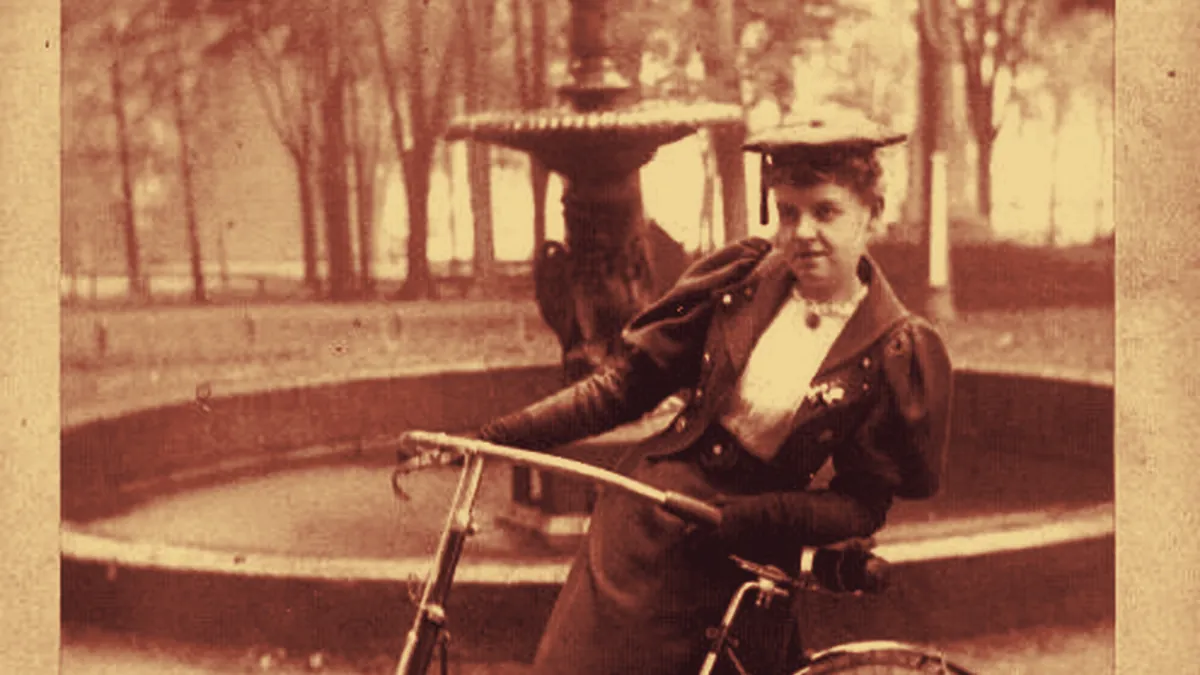
Among the machines people have invented there is one close to perfect, and we have stopped noticing it: it needs no fuel, poisons no air and heals whoever uses it. A car gives you the power of an engine; a bicycle only multiplies what you put in yourself. How two wheels changed a society.
The final of a big tournament is one of the rare evenings when billions of strangers hold their breath at the same moment over a ball. Sport draws people not by its beauty but by its fairness: the rules are the same for everyone, the score cannot be rewritten by decree, and the result is visible at once. Nobody handed it down.
On a tennis court there is no bench, no coach to advise you mid-match and no partner to share the blame with. In a team game defeat is divided; in tennis every ball is yours alone. Why the loser is not the one with the weaker shot but the one whose nerve goes first, and what the court teaches beyond sport.
On 19 July, on the fifteenth stage of the Tour de France, Jonas Vingegaard crashed twenty kilometres from the summit of Solason: a broken collarbone, surgery, and the first abandonment of a grand tour in his career. He was lying second, four and a half minutes behind Pogacar. On how we overrate merit and underrate chance.


 Sport
Sport