More than 100 leaders and representatives from 60 cities in 22 countries have backed a WHO Europe call to connect climate policy with residents’ health. Proposed areas include green space, active travel, food, housing and protection from extreme weather. A signature is a commitment, not yet proof of results.
The World Health Organization has issued its first global guidance on caring for children and adolescents with obesity. It estimates that 170 million people aged 5–19 were living with the condition in 2024. The guidance prioritises sustained, family-supported care and tightly limits medicines and surgery.
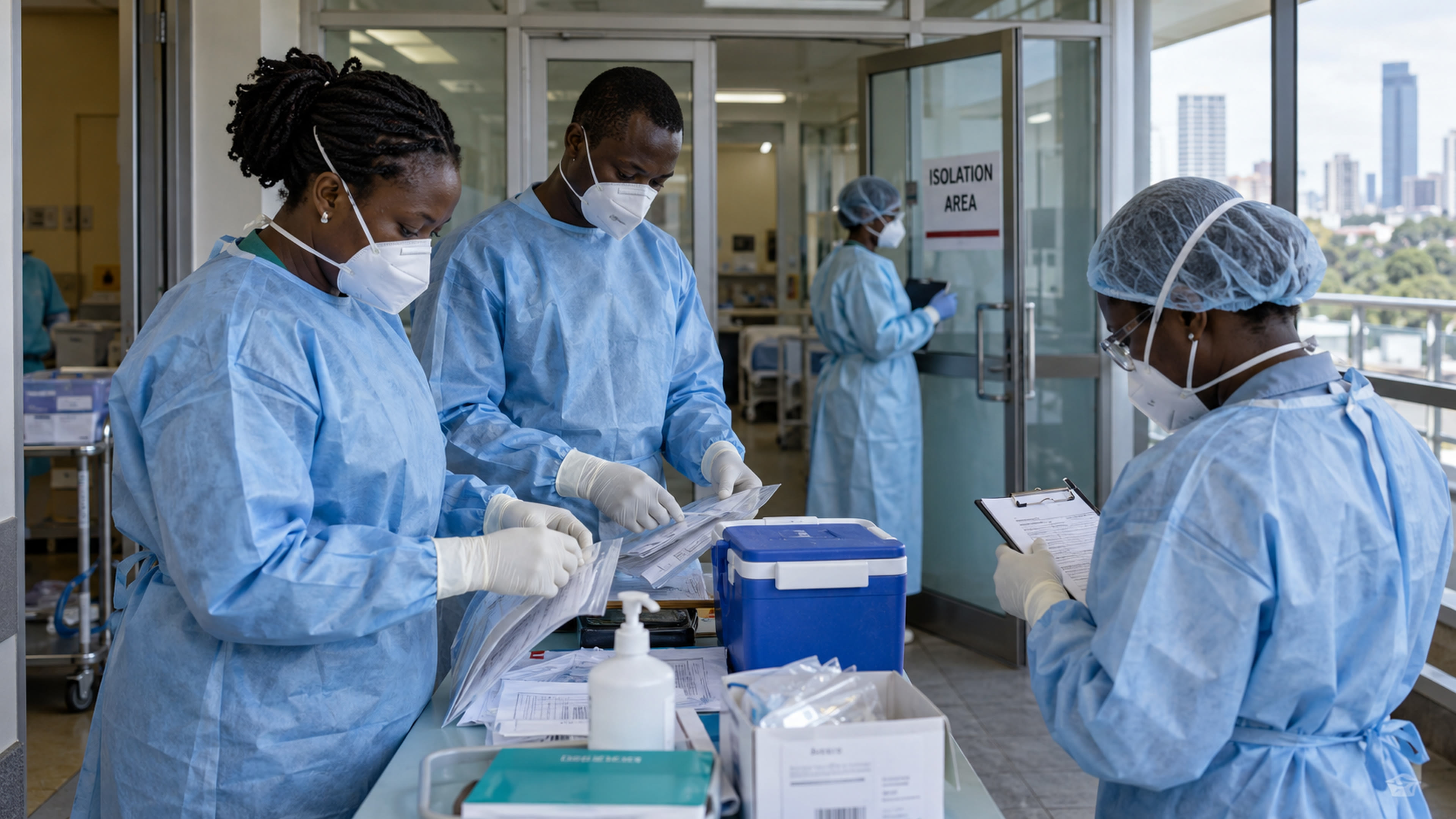
WHO reports one confirmed imported Bundibugyo virus disease case in Kenya. The patient died and authorities are tracing contacts. The announcement does not establish widespread transmission in the country.
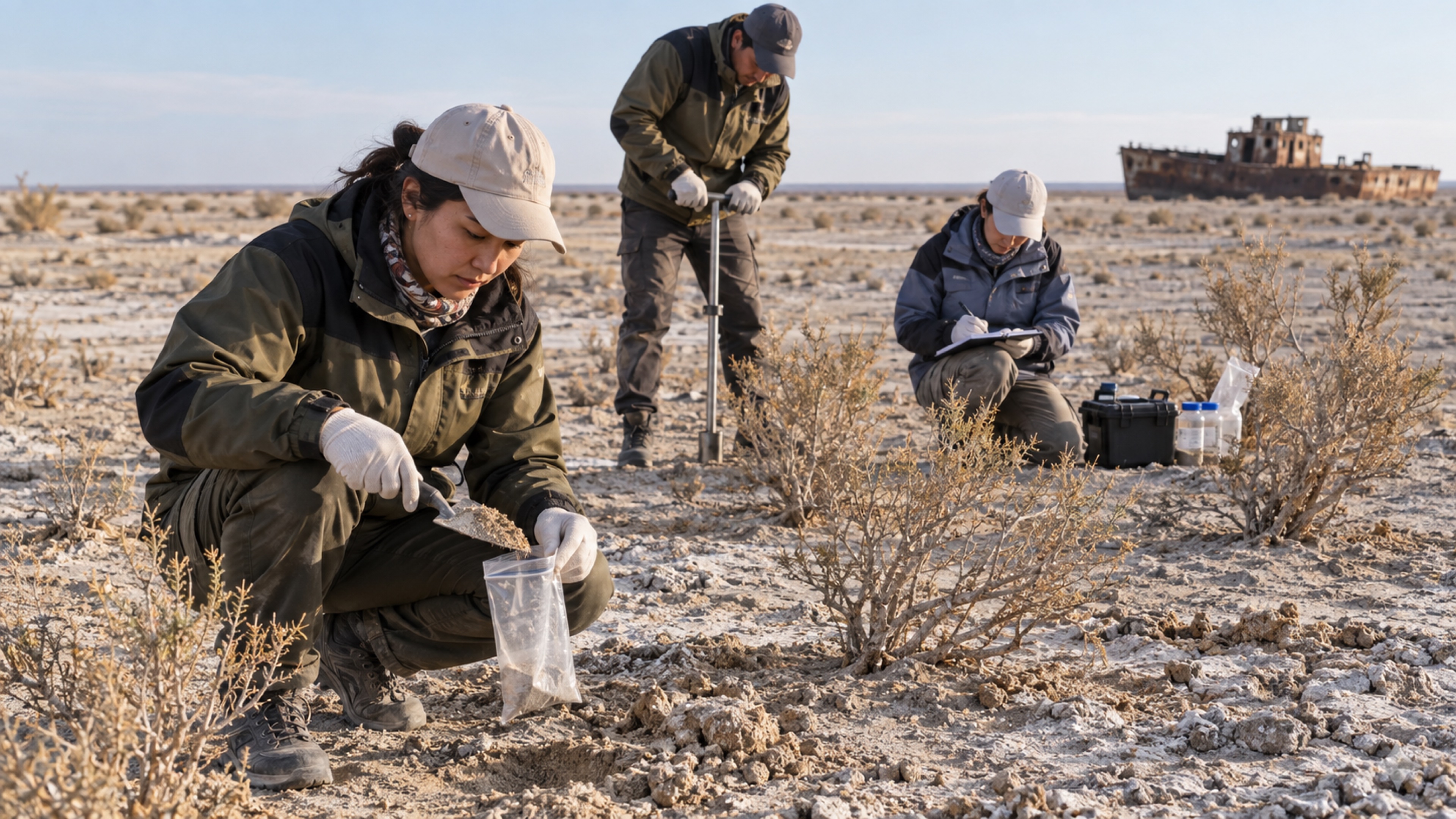
Kazakhstan’s health ministry has presented a plan to protect communities around the Aral Sea from environmental and climate risks. Prevention and medical monitoring feature in the 2026–2030 roadmap. The test now is whether regional cooperation produces measurable services.
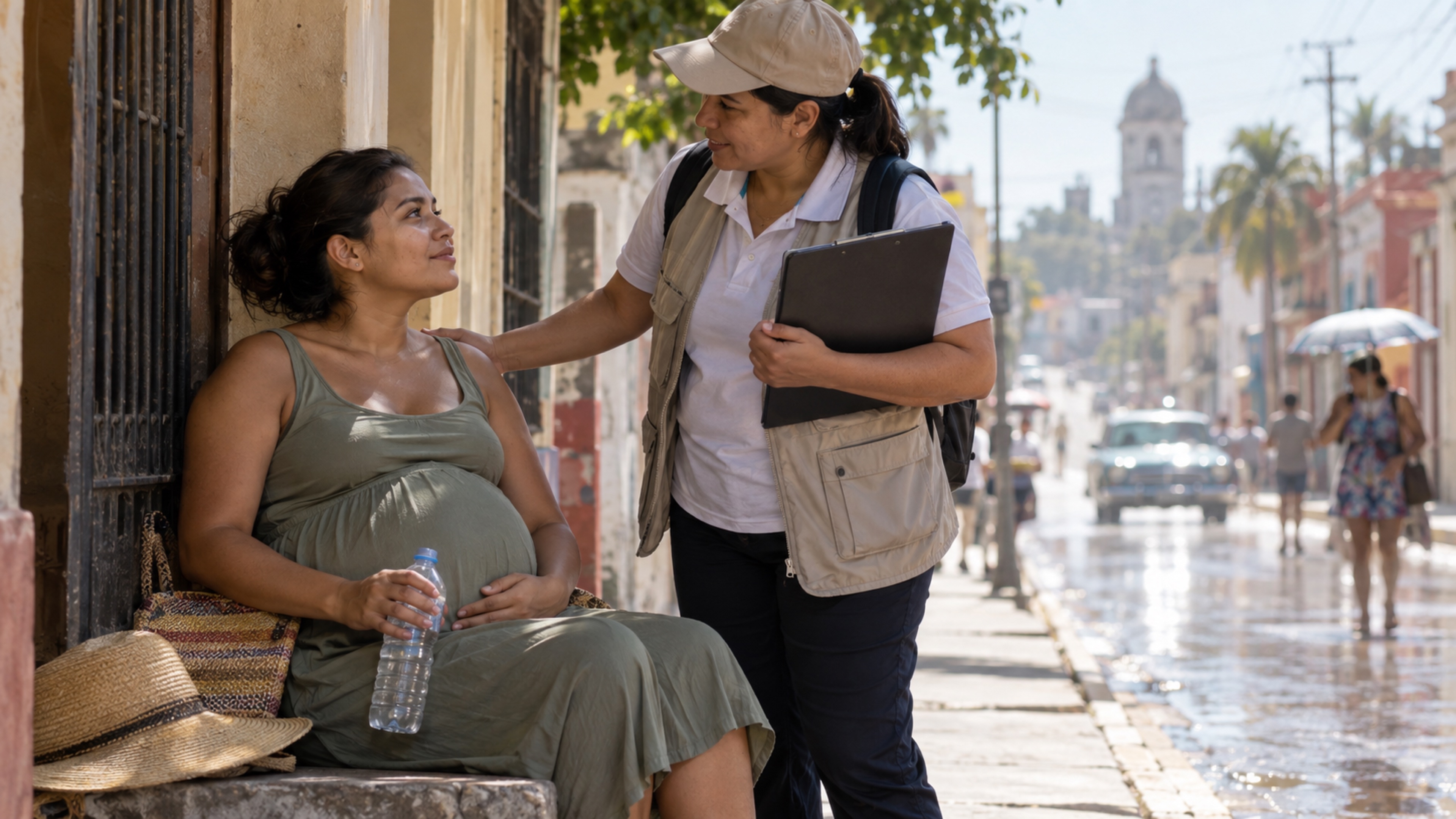
The head of the UN climate body warns that extreme heat adds risks during pregnancy and childbirth. He wants maternal and newborn health included in national climate plans. What would that mean for healthcare and everyday protection?
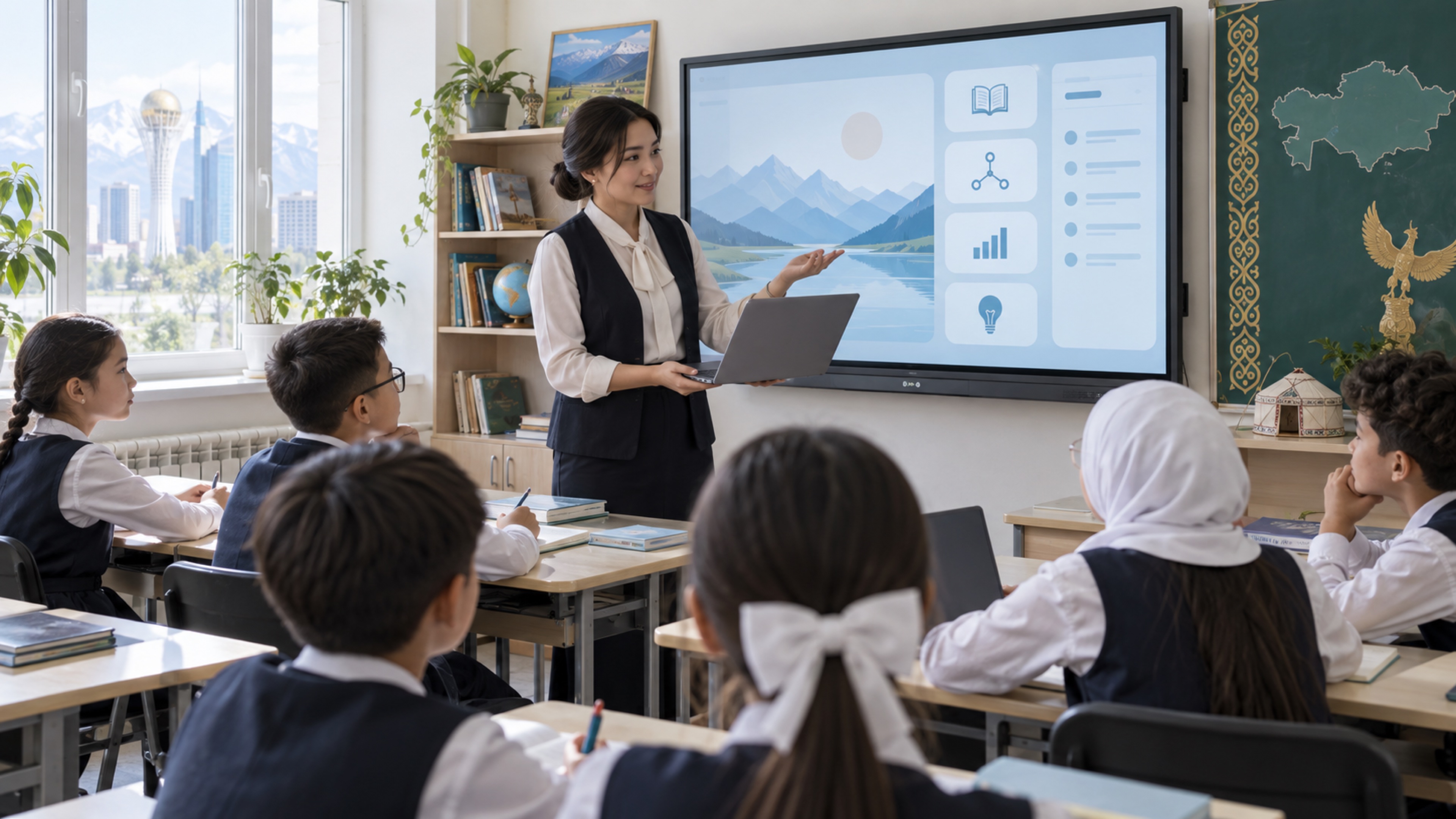
The education ministry discussed classroom AI with Kai-Fu Lee and announced a memorandum between Orleu and Q.AI Limited. Support for teachers and rural schools is the goal. A memorandum and a platform pilot do not mean nationwide deployment has already happened.
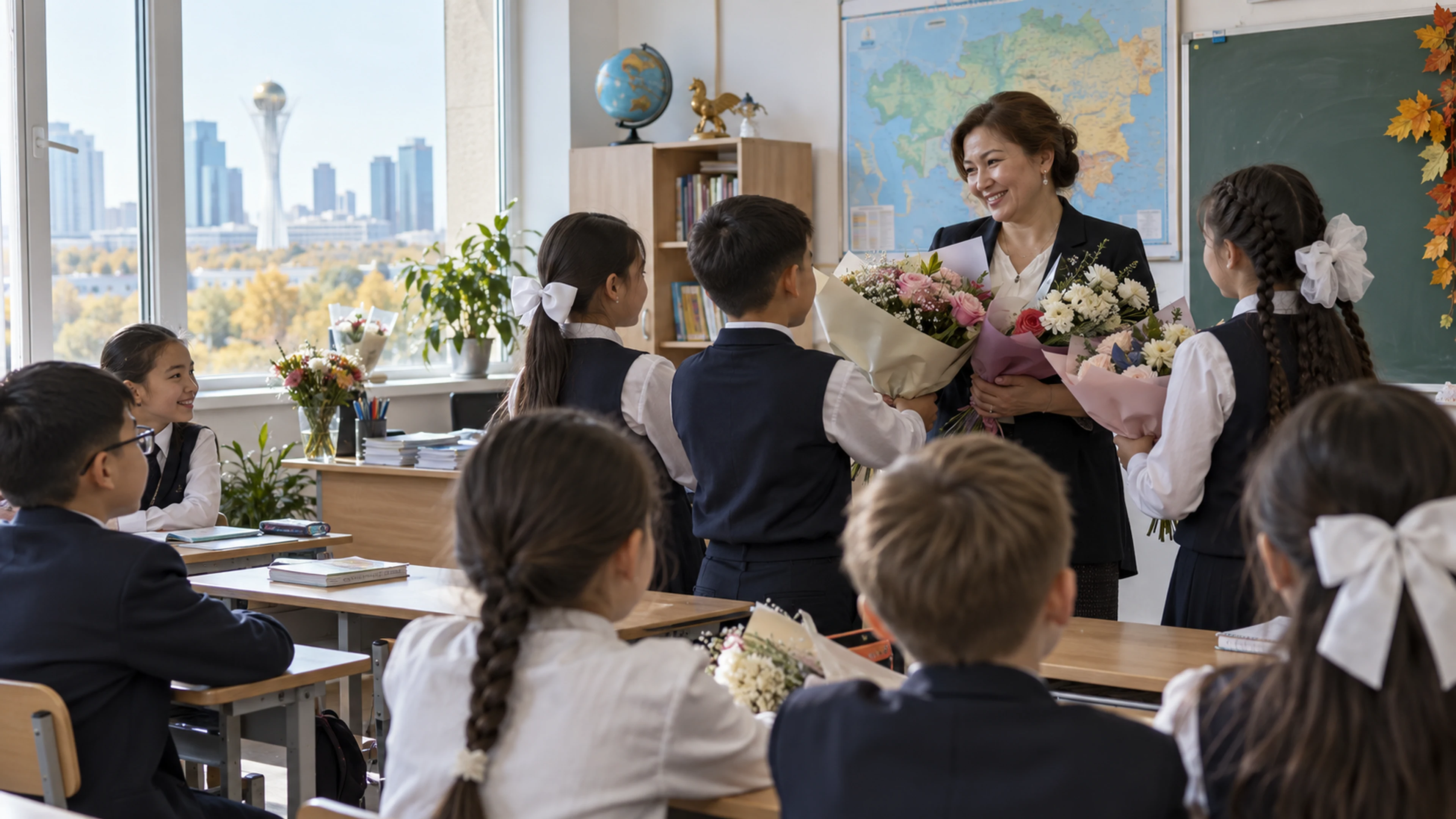
Kazakhstan marks Teachers’ Day on 5 October. The celebrations invite a practical question: what helps a teacher teach and a child understand? We look at classroom time, useful feedback, and how parents can support learning.
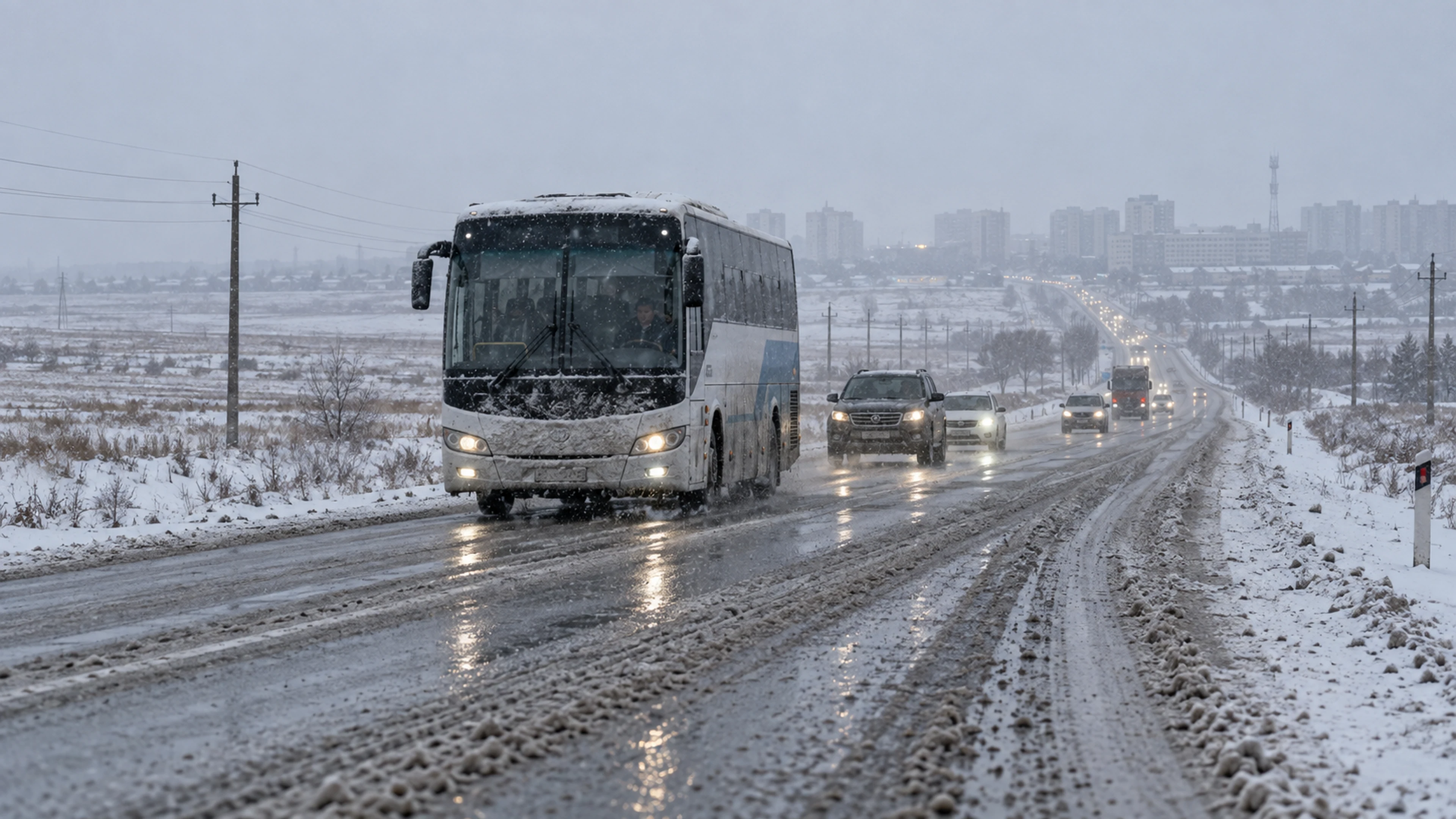
Kazakhstan’s emergency ministry has published the weather service’s warning for 5 October. Northern regions face sleet, blowing snow and ice; Zhetysu may see gusts of at least 30 m/s; southern areas face heavy rain or dust storms. Here is what travellers should check.
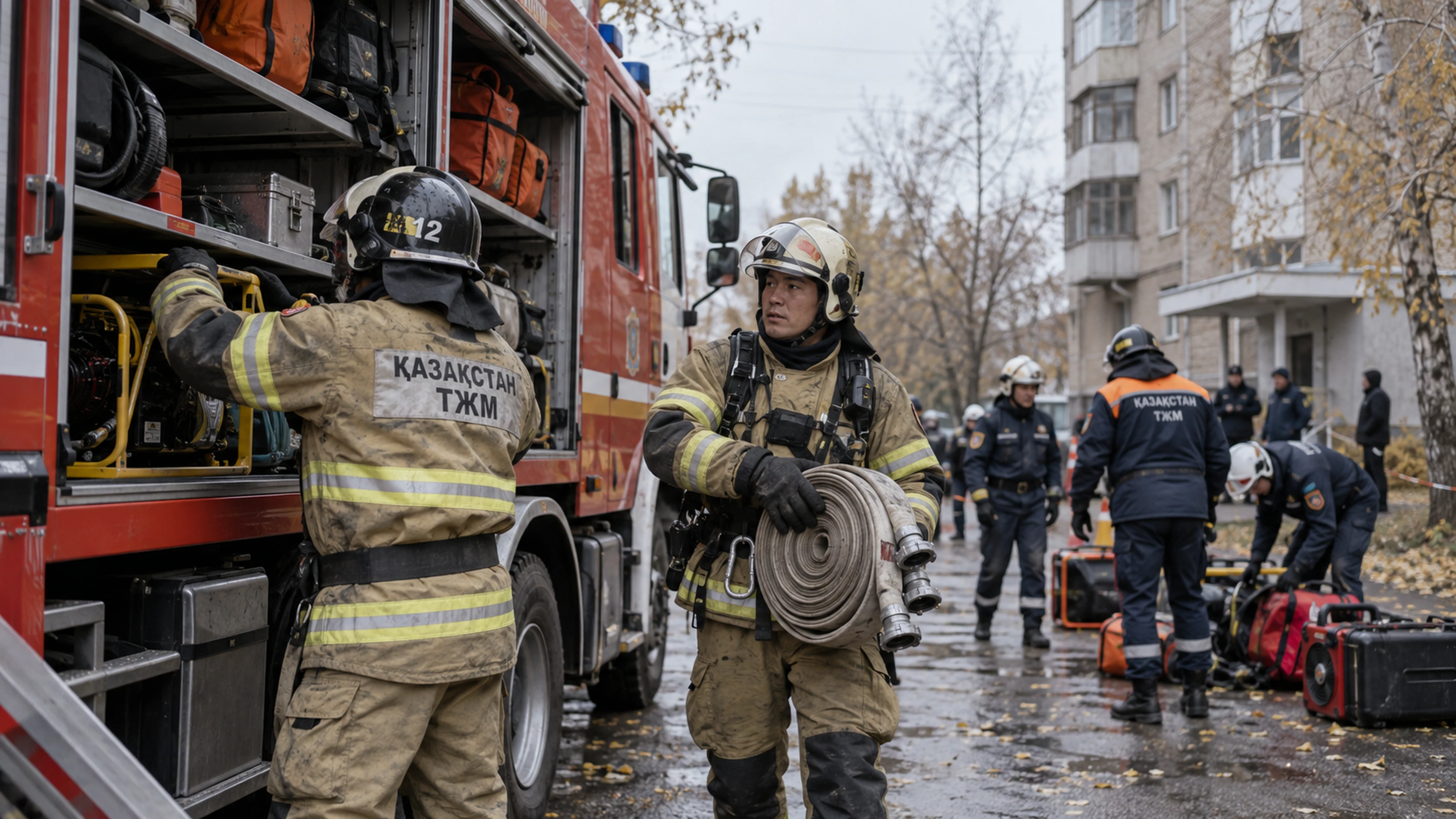
An emergency ministry bulletin published on 4 October reports 320 callouts for the previous day, 17 people rescued and five evacuated. We break down the categories and flag a one-call difference between the headline total and the listed rows without jumping to conclusions.
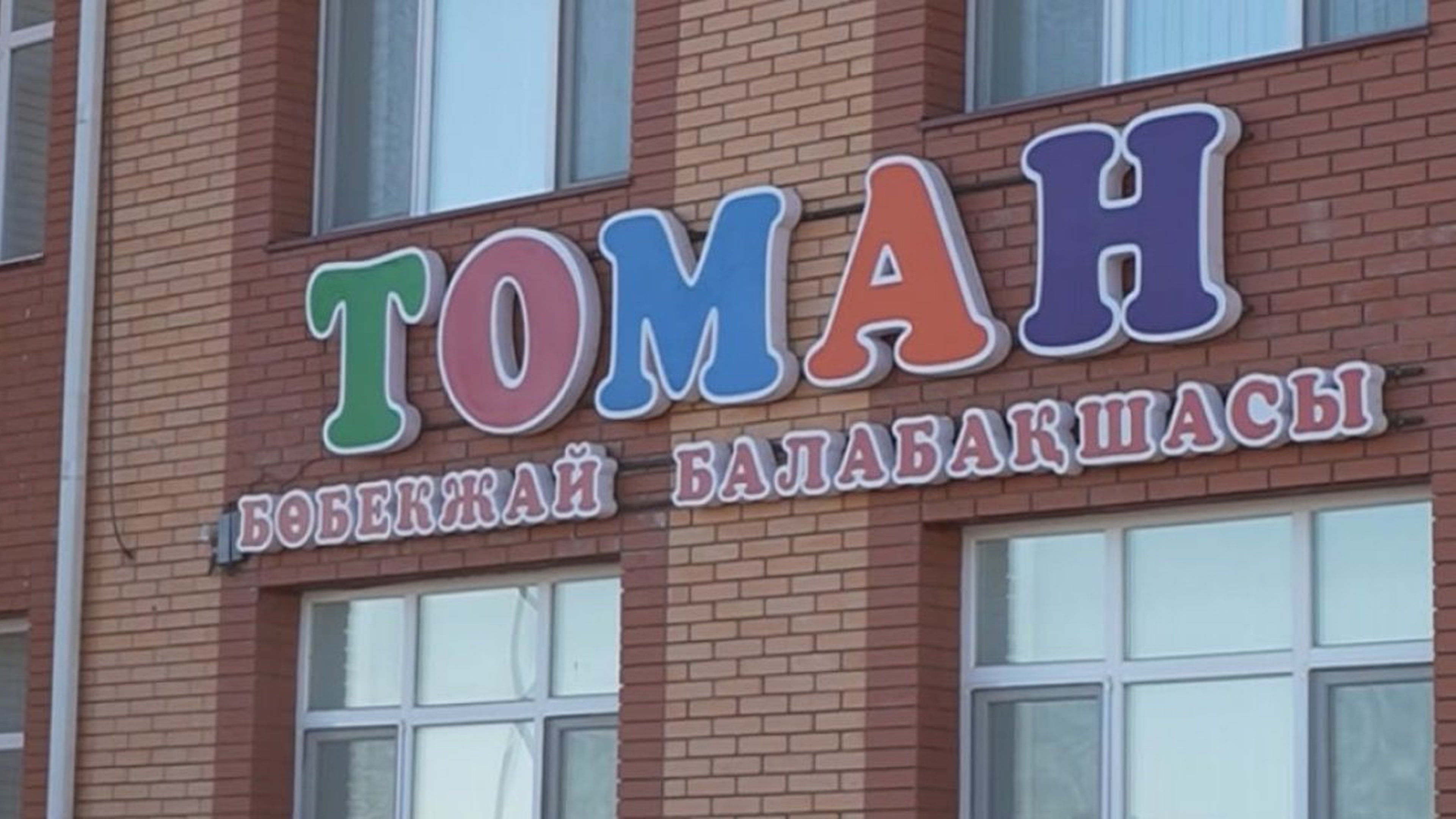
Toman village in Atyrau Region is preparing to open its first kindergarten, with 80 places. The 2,209-square-metre building cost KZT 797 million and is expected to open in November. The project could change daily life for families, provided staffing and admissions match the new facility.
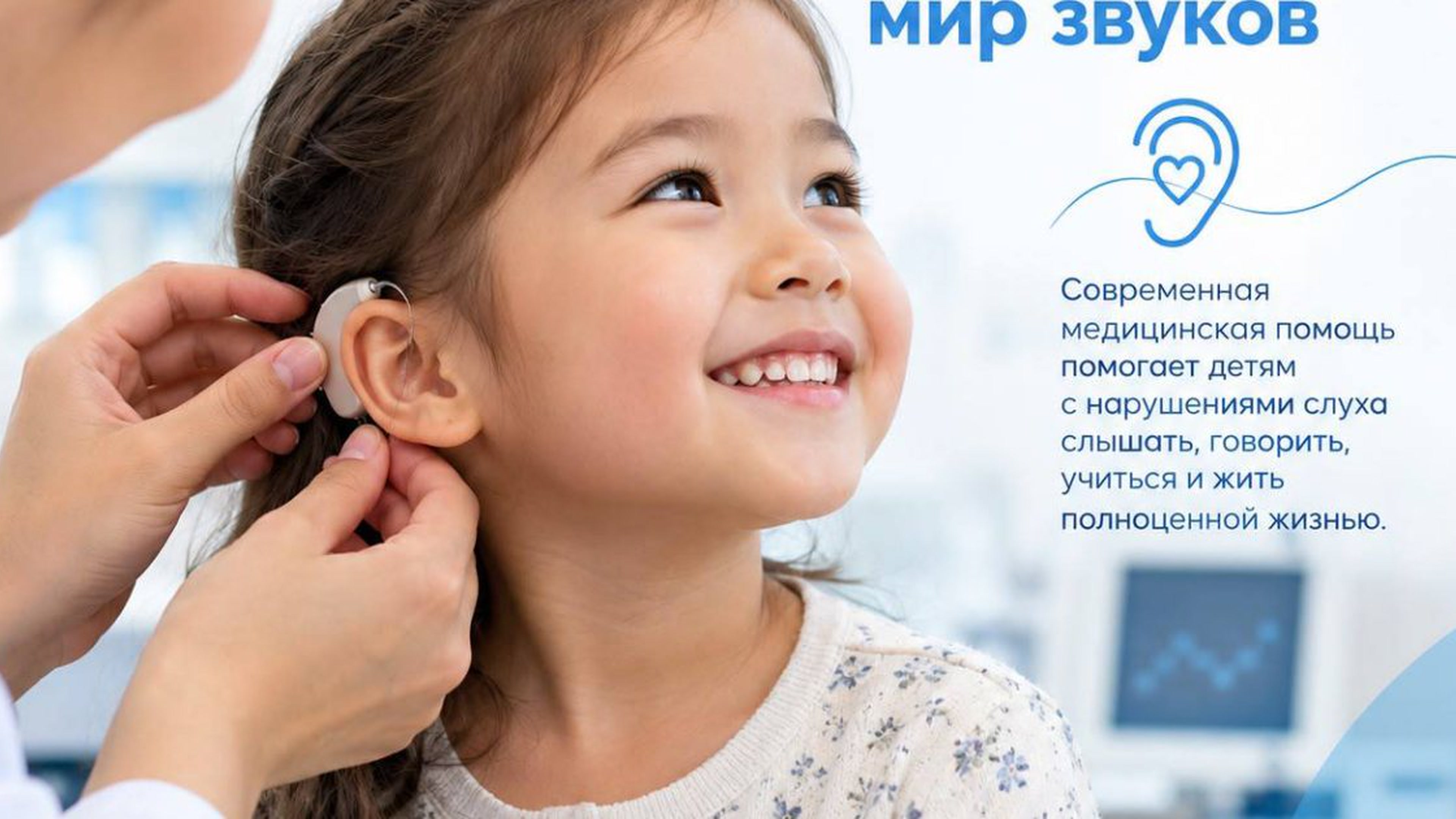
Kazakhstan has provided cochlear implants to 169 children in 225 operations. The state allocated KZT 1.81 billion, and 124 recipients were under five. The operation creates access to sound, but programming, rehabilitation and daily family practice determine how that access becomes speech.
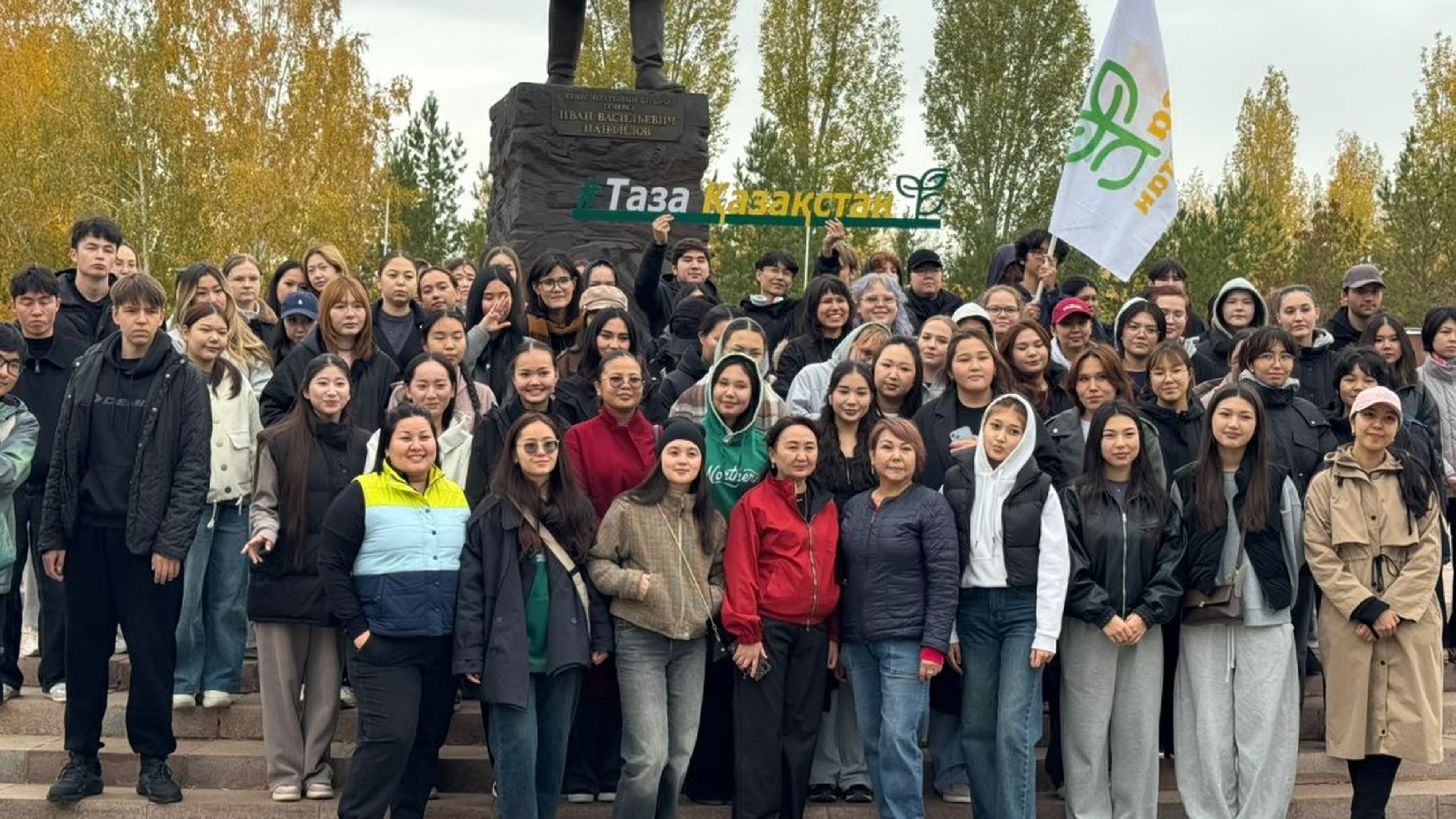
About 173,000 people joined Astana's citywide environmental campaign. Municipal crews removed 470 tonnes of waste from 3,400 courtyards and 180 public spaces. The large figures matter, but lasting success will depend on daily habits, waste systems and care for the new trees.
Global life expectancy is close to its pre-pandemic level, but healthy life expectancy is recovering more slowly. Noncommunicable diseases now account for 74% of deaths, and dementia has risen to fifth place.
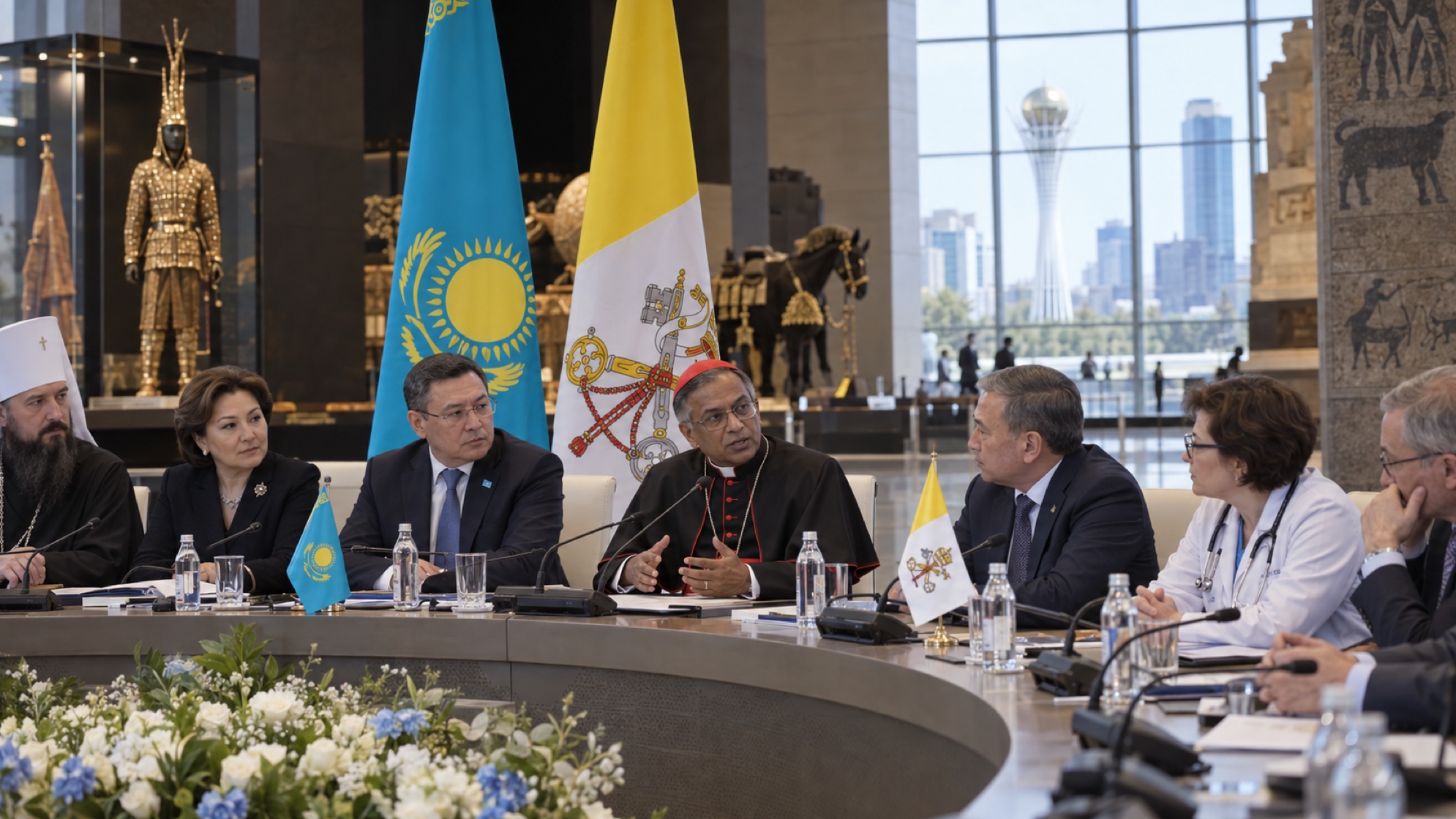
Kazakhstan and the Holy See are holding a colloquium on the rights and dignity of vulnerable children. Family support, incurable illness and the ethical limits of artificial intelligence are central to the agenda.
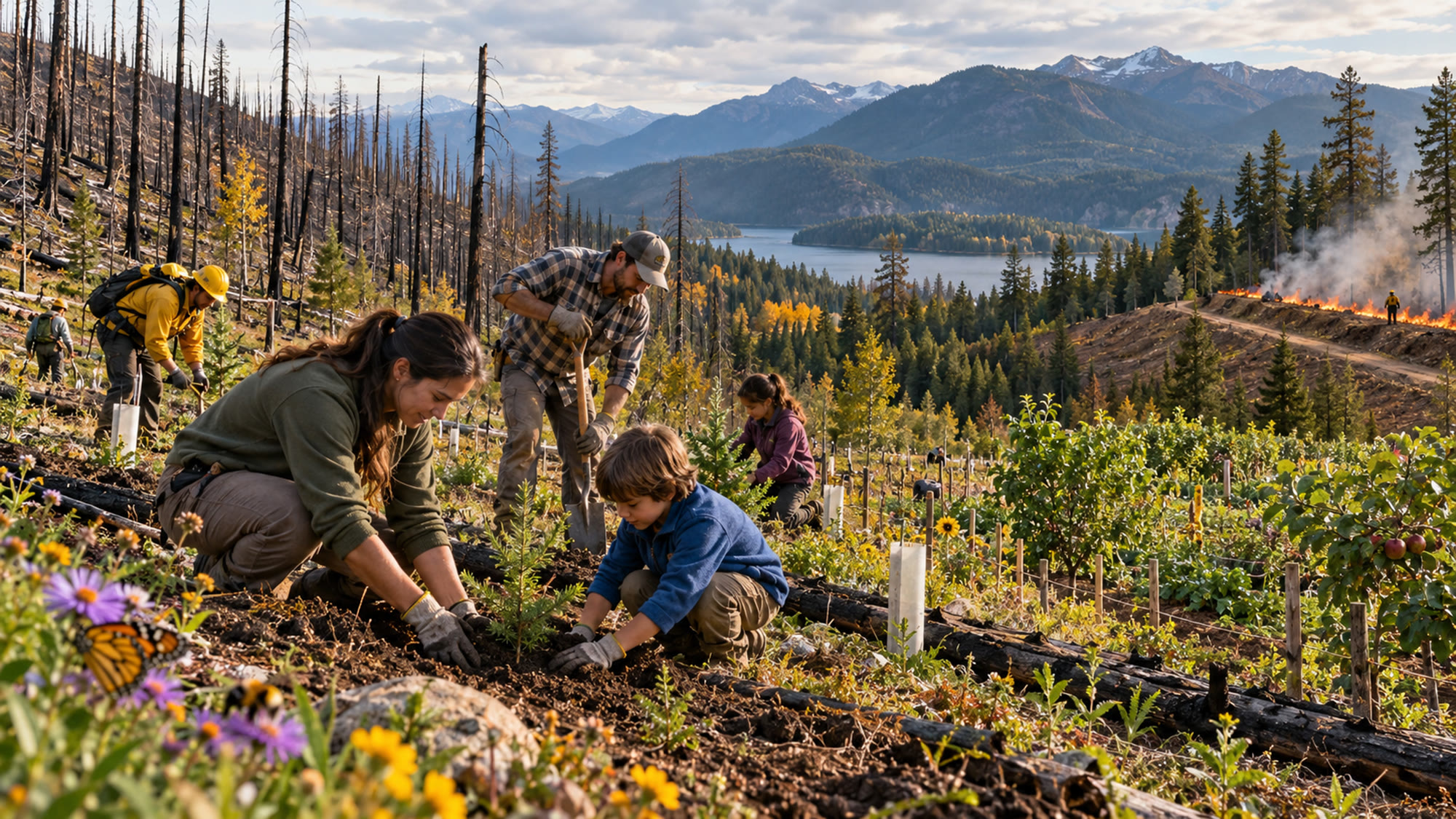
FAO's new report estimates 1.56 billion hectares of degraded land, including 460 million hectares of forest land. Ninety-one countries have pledged to restore 190 million hectares, linking the task to food security, rural income, climate resilience and wildfire protection.
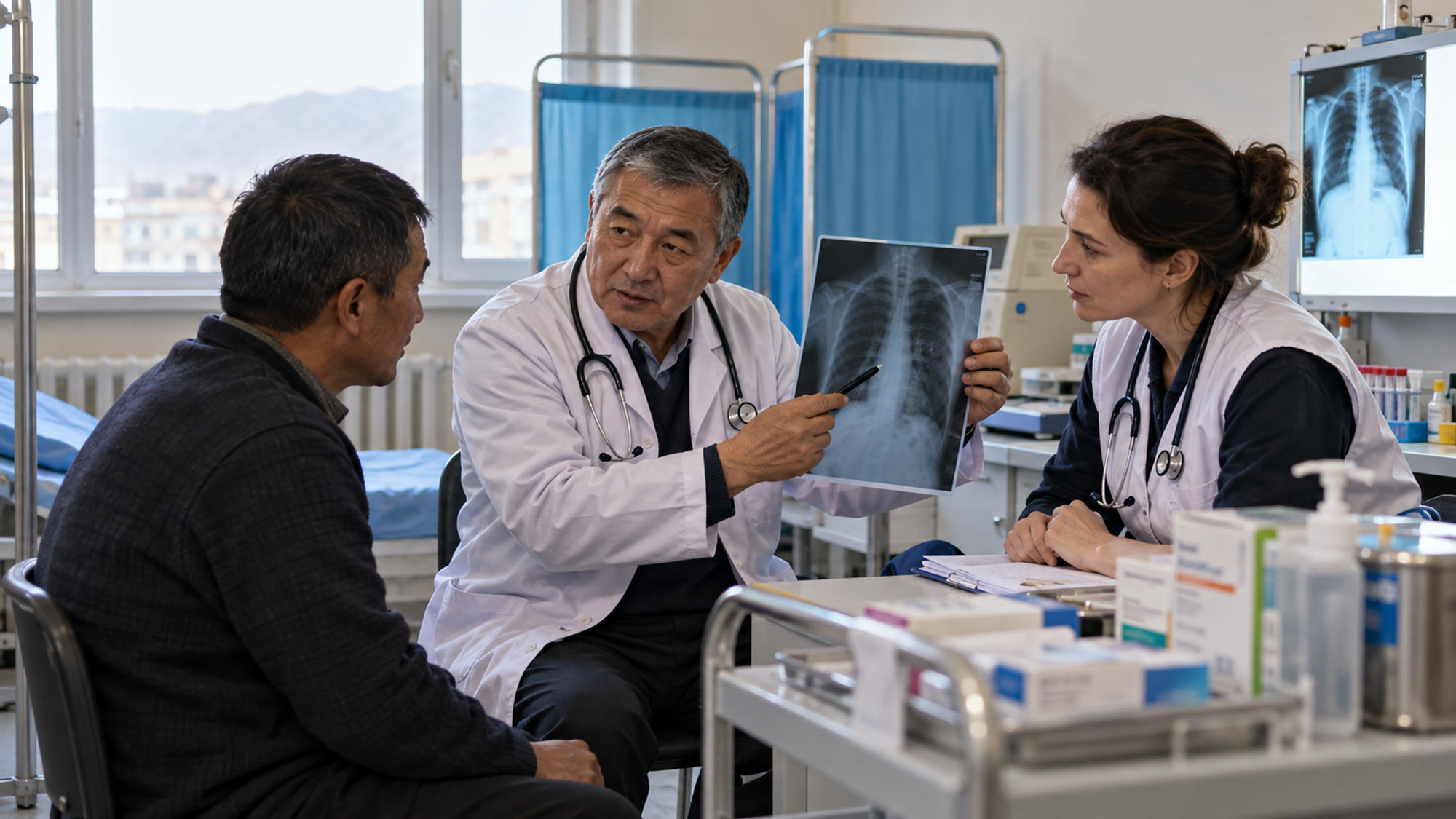
WHO Europe and Médecins Sans Frontières are strengthening care for people with tuberculosis and HIV across Eastern Europe and Central Asia. The practical priorities are early diagnosis, drug resistance, uninterrupted treatment and a patient pathway that does not break between institutions.
Shanraq is launching School, a free learning space for children and parents. We begin with mathematics: find the missing foundation, explain each idea through a clear image and a map of connections, allow another attempt, and test whether a learner can use knowledge rather than merely repeat a rule.
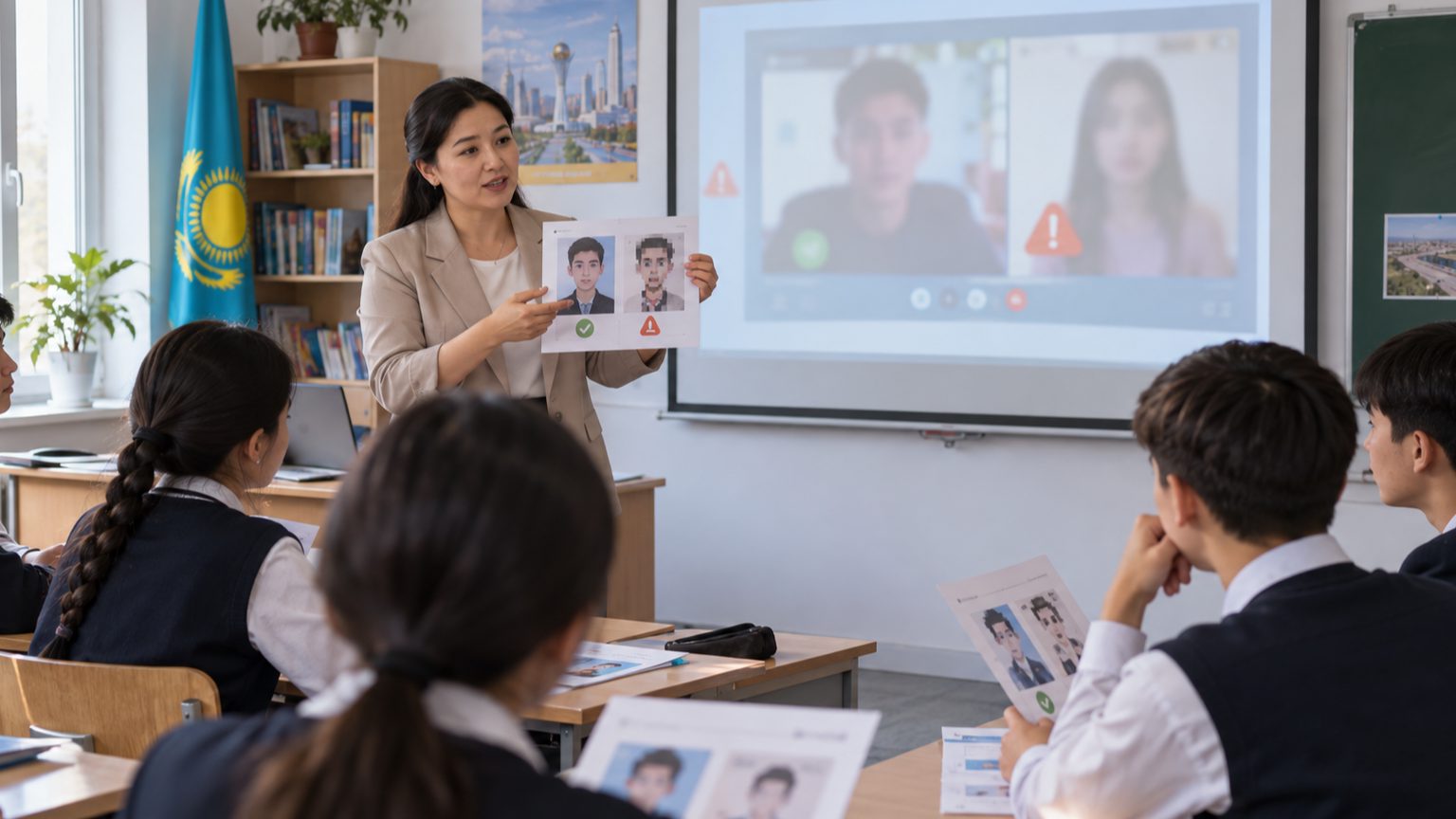
Kazakhstan has revised short weekly safety lessons across kindergartens, schools, and colleges. More than 140 age-based topics teach young children to seek help, teenagers to recognize deepfakes and coercion, and older students to avoid money-mule schemes and “easy money” traps.
Shanraq has opened a free Cloud & DevOps course for people with no infrastructure background. Across 24 lessons, learners work with the terminal, Linux, networks, Docker, CI/CD, a cloud server, HTTPS, Kubernetes, and recovery after failure through one running service.
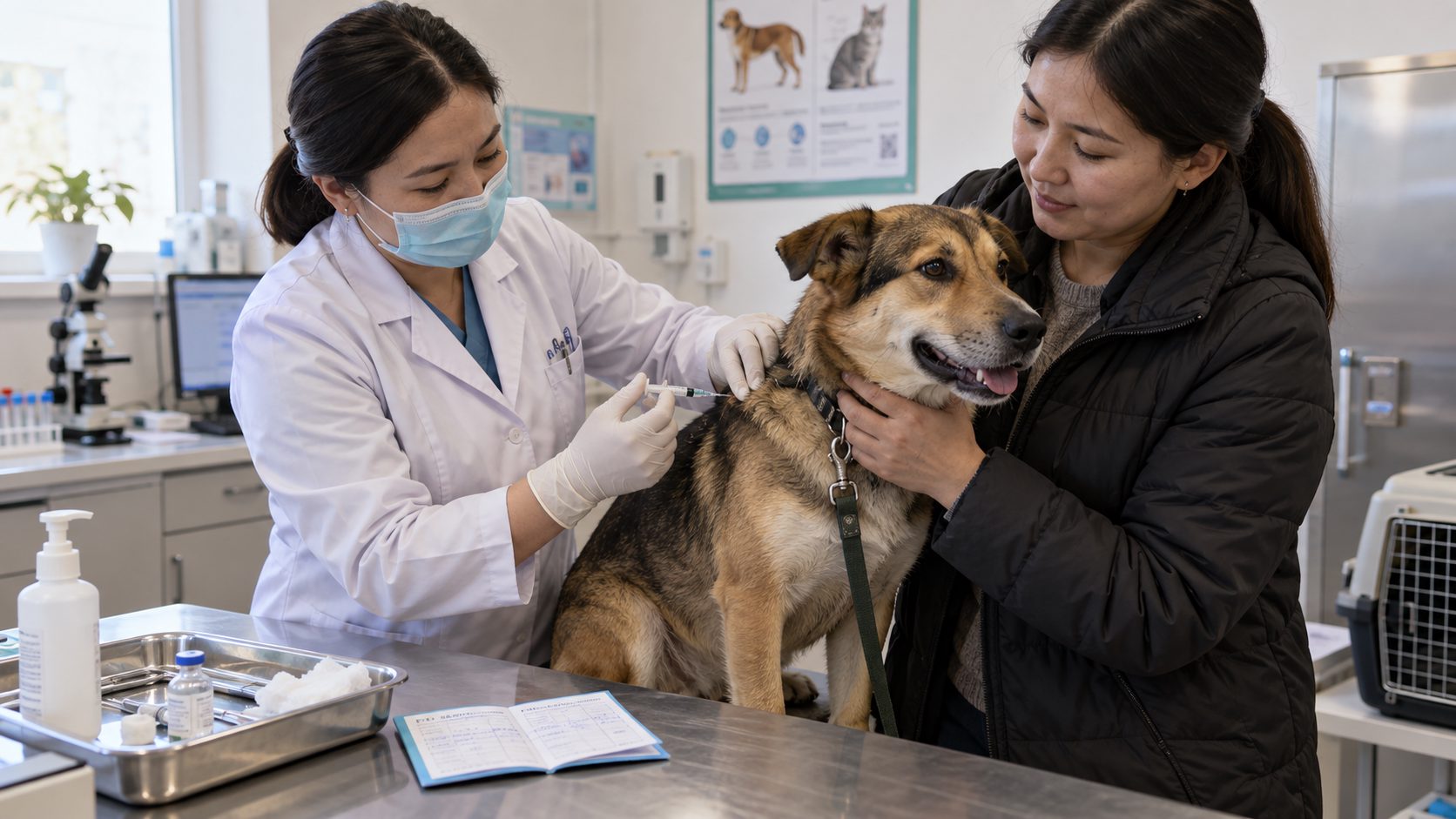
The world marks World Rabies Day on 28 September. WHO says any bite or scratch should be washed with soap and water for at least 15 minutes, followed by immediate medical care. Waiting for symptoms is dangerous because prevention works before they appear.
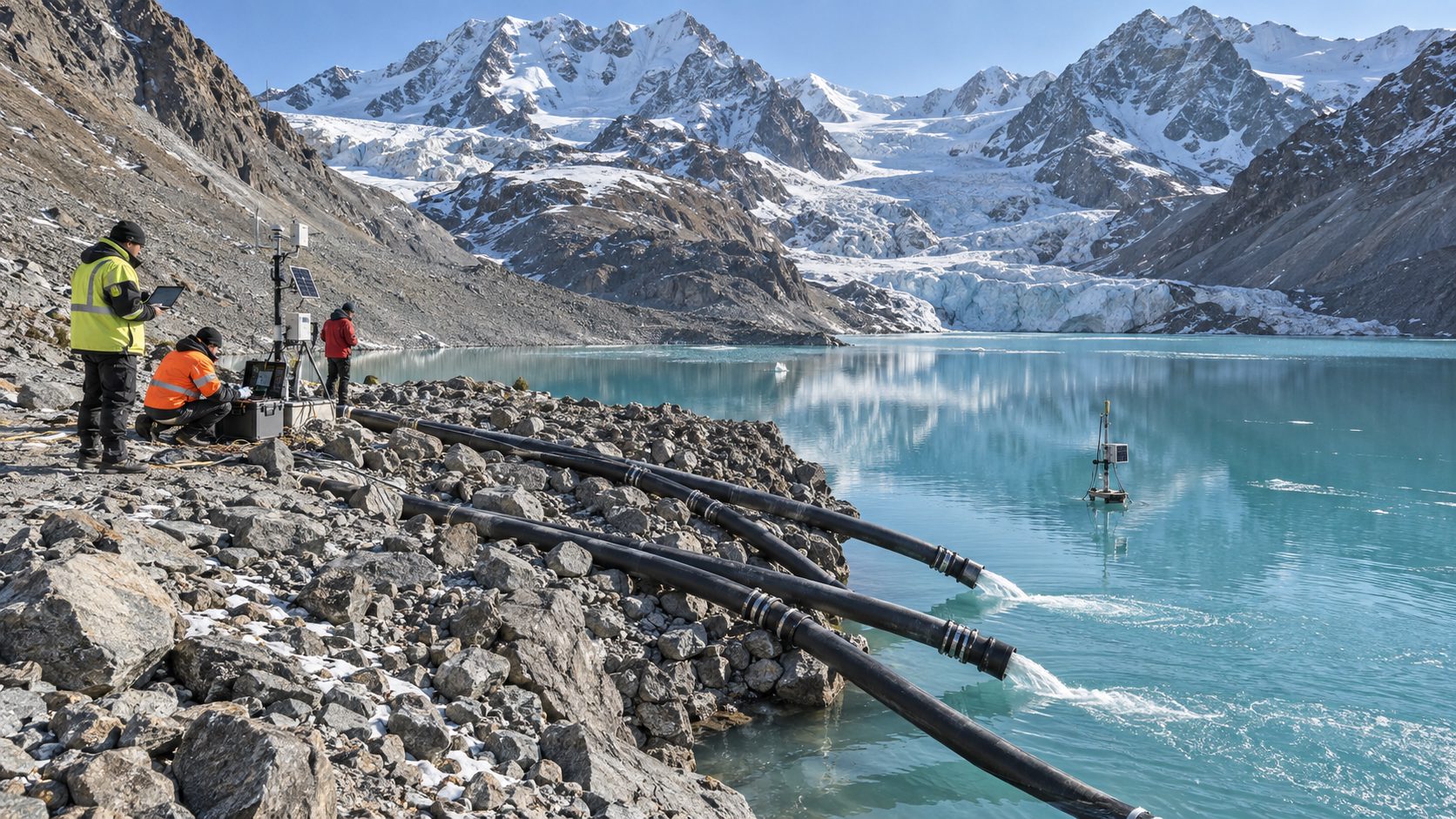
As the mudflow season winds down, Kazselezashchita specialists report removing 3.5 million cubic meters of water from potentially dangerous moraine lakes. Forty-four observation posts, 11 emergency crews, and more than 100 specialists were involved, with about 50 siphon pipes installed. We explain how these measures reduce risk and why monitoring continues.


 Society