Shanraq’s open course teaches Python through one continuous project. Learners collect data from official sources, validate and analyse it, then turn their work into a reproducible report. Here is who the 57 lessons are for, how the learning path works, and why money is a subject to investigate rather than a conclusion supplied in advance.
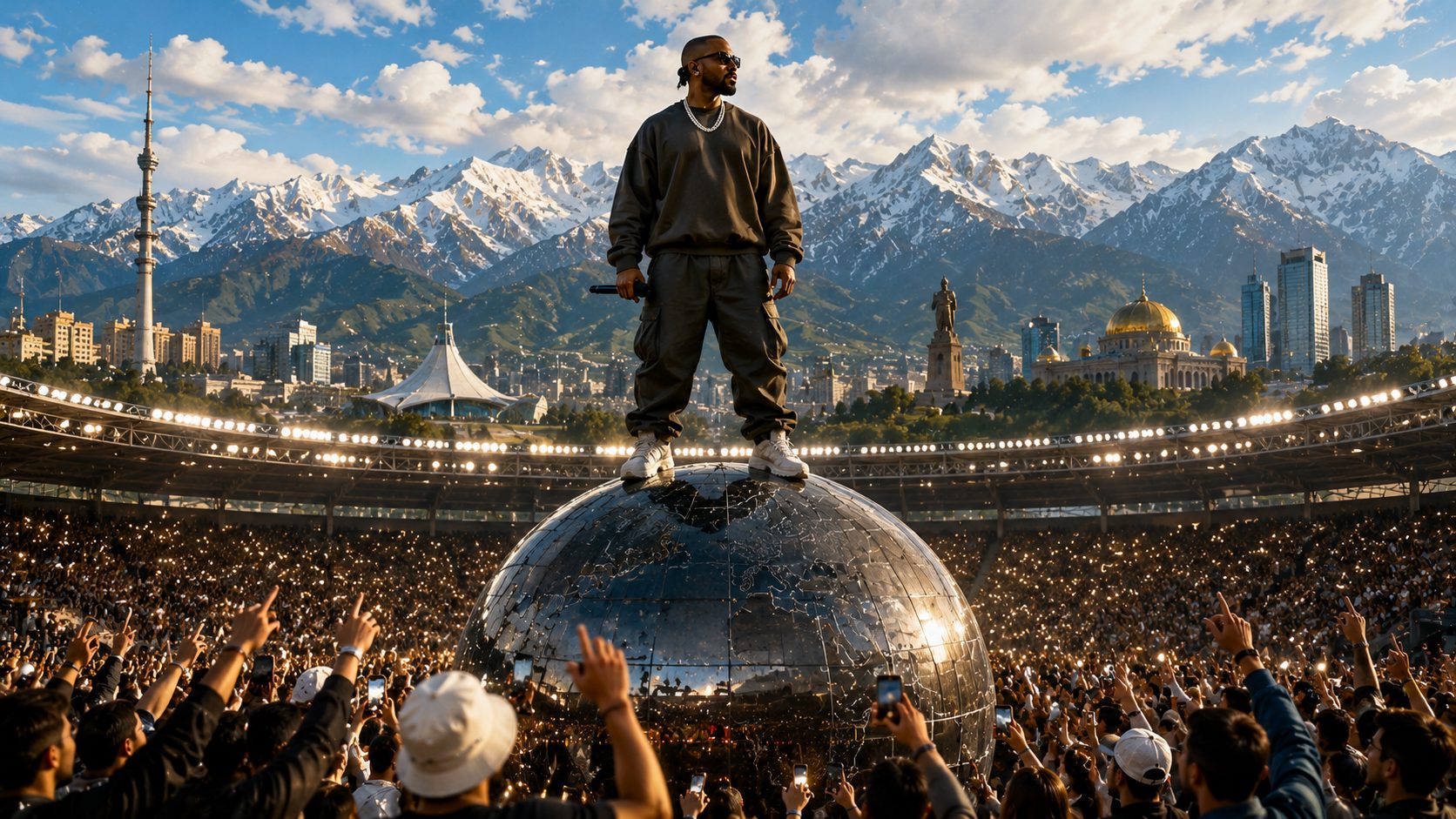
Britain, Australia, Poland and Switzerland each said publicly why they would not let Ye in. On 15 August he walked onto the Central Stadium in Almaty: 31,000 people, five billion tenge. He played the old hits — nothing he was barred for. What Kazakhstan argued about for a week was the grass.
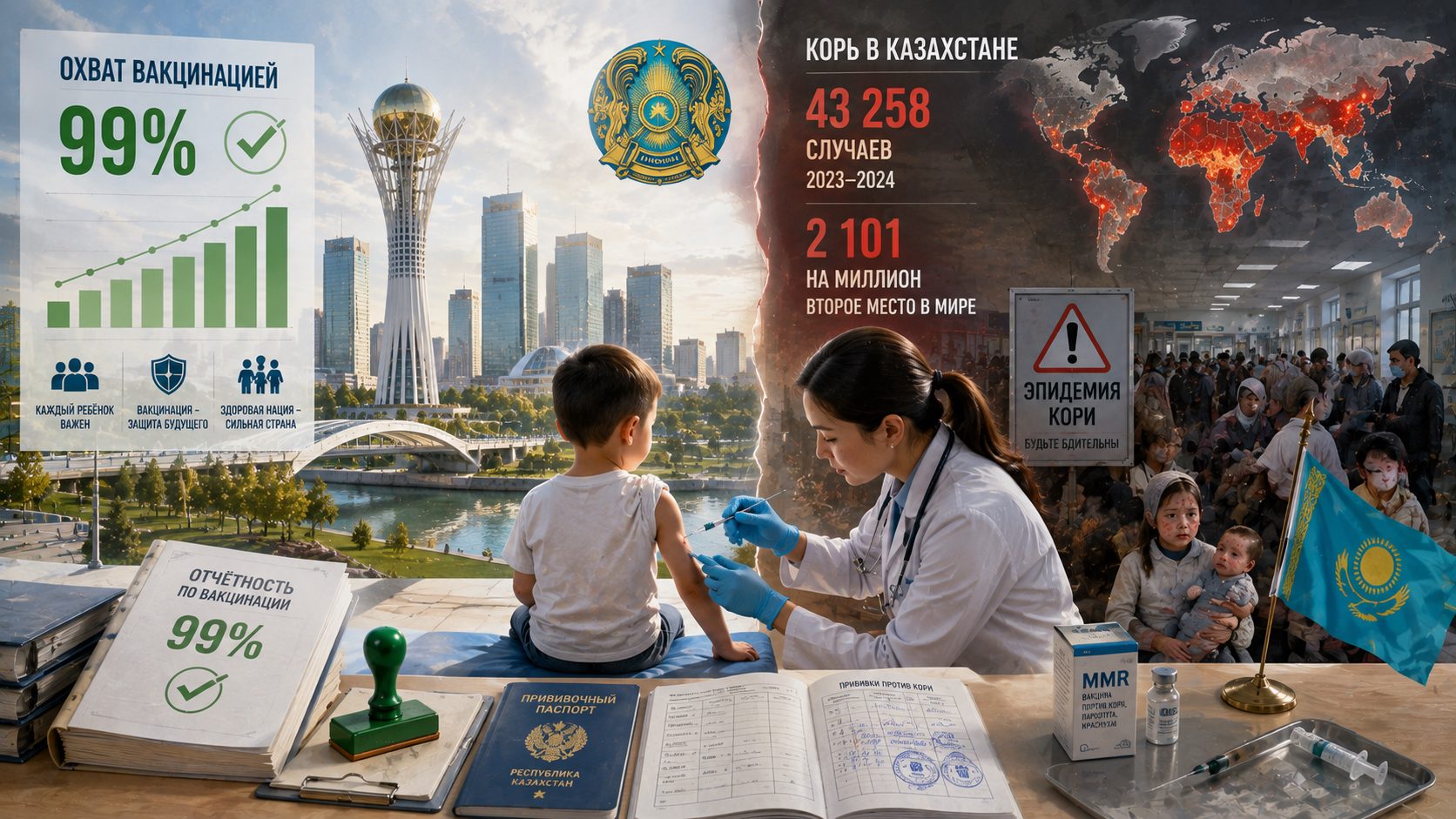
The WHO records 15,111 measles cases in Kazakhstan for 2023 and 28,147 for 2024 — forty-three thousand people. Beside that stands the official vaccination coverage figure: 99%. The two do not add up. We recounted the whole world and examine how the discrepancy surfaced and what it says about official reporting.
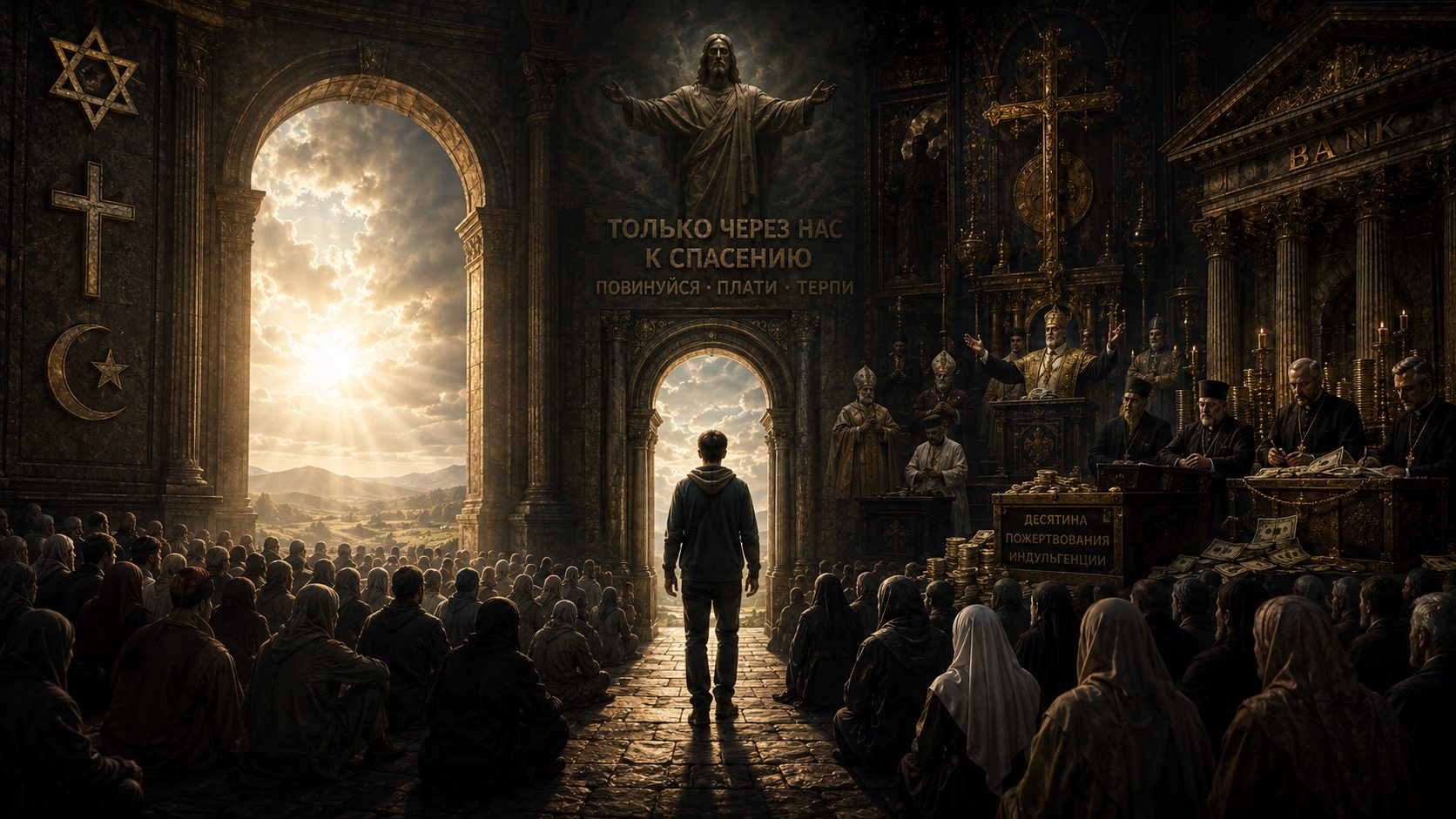
Faith is a personal search; religion is an institution with a hierarchy, a dogma and a cash desk. How the living search for the sacred was appropriated by those who declared themselves the compulsory middleman: to heaven only through us. Dostoevsky's Grand Inquisitor, indulgences, and the throne-and-altar pact.
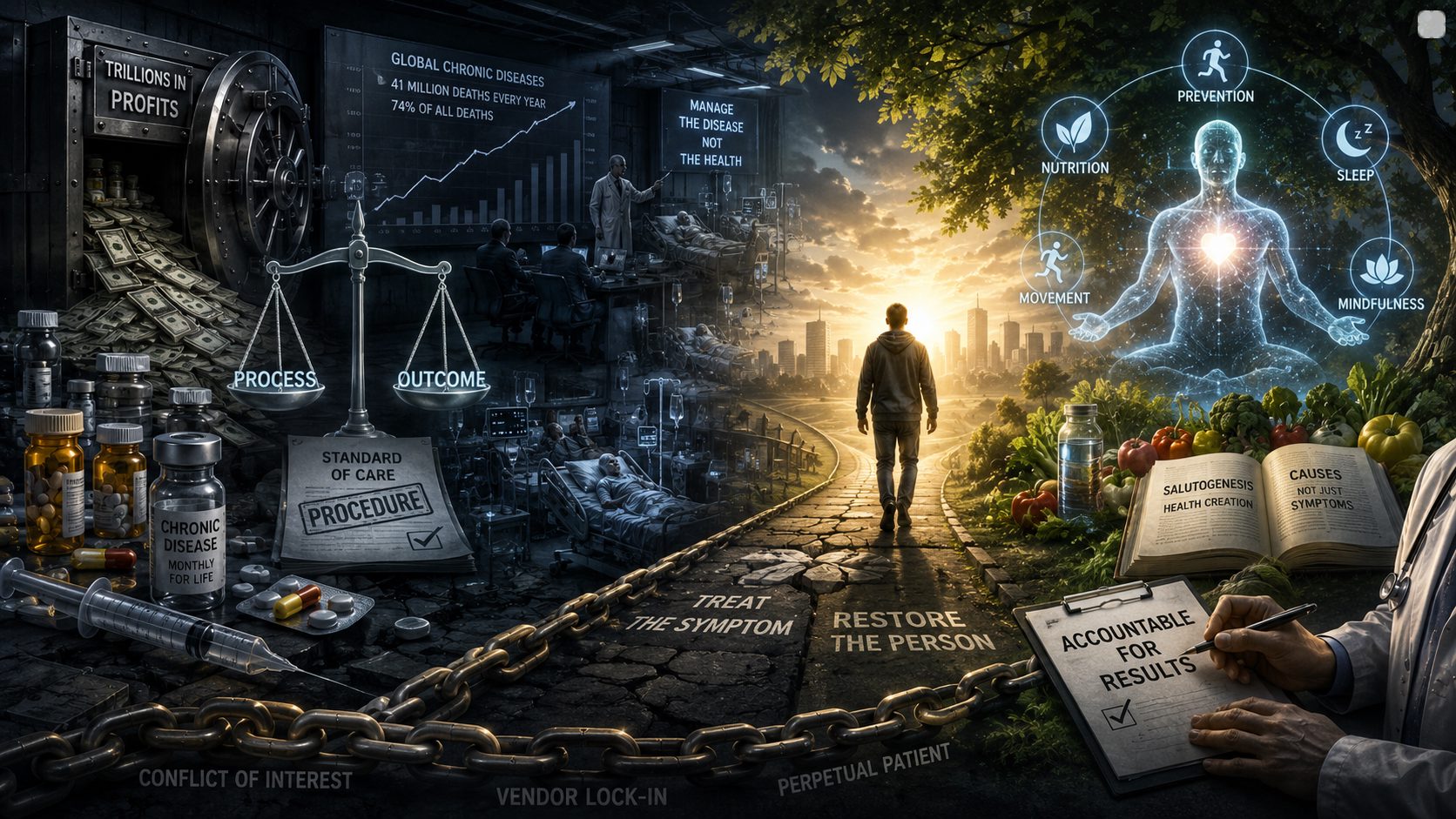
The global pharmaceutical market is $1.5 trillion a year, while chronic disease takes 41 million lives — 74% of all deaths, and the share is rising. The reason is structural: a doctor is judged for following the protocol, not for whether the patient recovered. The opioid epidemic and the Sacklers' $7.4 billion show where that leads.
At every festive table there is one chair more noticeable than all the rest — the empty one. Holidays are not about food and presents but about who is at the table this year. Each gathering is a quiet roll-call of those we love, and once a year it shows honestly who is no longer there. An empty place is the shadow of something warm.
There is a number you know by heart and have not dialled for weeks — not because you do not love them, but because it feels as if this person will always be there. We find hours for messaging strangers and minutes for those who gave us everything, punishing them for the patience with which they forgive our silence.
By mid-July 2026 estimates of the dead in the war around Iran range from 7,144 to 9,676 and more, with the wounded put at about 46,965. The spread itself is telling: in a live war nobody knows the exact figure, and a range is more honest than a single line. Why a person must be seen behind each number.
Behind every crime stands not only the victim, who must not be forgotten, but a question society dislikes asking: how did a person capable of this come about. Prison deals with him when everything has already happened — when school, family and some adult's first unmade choice have all been missed.
Everything you save will one day pass to others or vanish: the house decays, the money loses value, the name is forgotten. There is one thing that can be neither taken nor wasted — what you gave away. Kindness rarely comes back from the person you helped; it returns later, from somebody you never expected.
There is a convenient fairy tale: one man at the top is to blame for everything. It is convenient because it relieves everyone else of responsibility. Power that cannot be changed grows not out of one office but out of thousands of small decisions to say nothing. Silence looks neutral; in fact it is a vote.
The conversation about the environment gets stuck between panic — everything is lost — and denial — nothing is happening. Both extremes are convenient because they remove the need to think. A sober view begins by separating what you can affect from what you cannot. Why cheap now usually means very expensive later.
Health is often thought of as luck: good genes mean a healthy person. There is some truth in that, but not much. Medicine treats illness, while health is mostly made outside hospitals — by sleep, movement, food, water, air and stress. A doctor matters when something breaks, but the break is laid down years before the visit.
Long before banks, courts and passports, humanity already had a working mechanism that made thousands of strangers trust one another. People know how to trust those they know personally. A shared faith answered a different question: how to trade and keep your word with somebody you are seeing for the first time.
Nobody packs up and leaves their home, their language and the graves of their ancestors because life is good. Migration is a symptom, not the disease, and while the symptom is treated the disease remains. A wall raises the price of the journey and fills smugglers' pockets, but rarely changes the decision to go.
The young are spoilt today — the line turns up in texts thousands of years old. If the young have been spoiling for three thousand years running, perhaps they are not the problem. They are a barometer: they show with heightened sensitivity where opportunity is missing and where adults say one thing and live another.
On 17 July Andy Burnham became Britain's prime minister as the only admitted candidate: 379 members of parliament nominated him and no vote was held. He is the seventh prime minister in ten years, a rate not seen for almost two centuries. The episode tests the argument that stability matters more than plurality.
Two hundred years ago a literate person was one who could read letters. That is no longer enough: a new literacy has appeared — the ability to read not the text but the source. Three questions to put to any message: who said this, how do they know, and what do they want me to do after reading it.


 Society